

CGM Post-Meal Spikes Troubleshooting: Fix the Pattern Fast

Overview: what “post-meal spikes” look like on a CGM
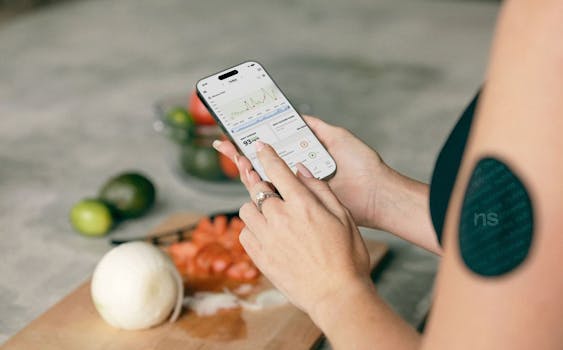
Post-meal spikes are usually the first pattern people notice when they start using a continuous glucose monitor (CGM). After eating, glucose rises more than expected, stays elevated longer than anticipated, or repeatedly spikes in a way that doesn’t match how you feel. Depending on your diabetes type, treatment plan, and CGM model, the shape of the curve can vary, but the underlying problem is often one of three categories: measurement error, timing mismatch (food vs. insulin or medication), or a mismatch between what you ate and how your body processes it.
Common symptoms that suggest you’re dealing with more than “normal digestion” include: a spike that consistently starts within 10–20 minutes of eating and climbs higher than your typical baseline; a prolonged plateau that doesn’t settle for several hours; spikes that occur even when you eat similar meals; or spikes that appear only after sensor changes or after you move the sensor site. Some people also notice that the CGM trend arrow remains steep upward long after the meal, which can be a clue that either the insulin/medication isn’t covering the meal or the sensor is reading inaccurately.
Most likely causes behind CGM post-meal spikes
Before adjusting food or medication, it helps to narrow down whether the issue is measurement-related or physiology-related. The most common causes fall into the following buckets.
1) Sensor issues and measurement lag
CGMs measure glucose in interstitial fluid, not directly in blood. That creates a natural delay. In addition, sensor performance can drift if the sensor is not placed correctly, if the insertion process irritates tissue, or if hydration and skin conditions affect absorption. A sensor that’s not reading accurately can exaggerate or shift the timing of post-meal spikes.
Sensor warm-up is another frequent factor. Many CGMs are less reliable during the first 12–24 hours after insertion. If your spikes appear immediately after a new sensor goes in, that points to sensor settling rather than a nutrition problem.
2) Site problems that change absorption
Even when the sensor is “working,” site-related issues can change how reliably the device tracks glucose. Scar tissue, bruising, frequent sensor movement, or placement in an area with poor perfusion can all contribute to noisy or inflated readings. Friction from clothing or sleeping on the sensor can also temporarily affect data quality.
3) Food composition and digestion timing
Not all carbohydrates behave the same. Meals high in refined carbs, sugary drinks, or large portions of starch tend to raise glucose quickly. Fat and protein can also contribute to later rises (often 2–4 hours after eating) by slowing gastric emptying and stimulating a delayed glucose response. If your spikes happen later rather than immediately, digestion timing may be the driver.
4) Insulin timing, dose, or delivery mismatch
For people using insulin, post-meal spikes frequently come from timing mismatch: insulin taken too late relative to food, insufficient mealtime coverage, or inconsistent absorption from injection sites or infusion sets. With rapid-acting insulin, many people need a consistent pre-meal timing strategy to blunt the early rise. If you’re using a pump or have a history of infusion set failures, missed or under-delivered boluses can show up as repeated spikes.
5) “Hidden” carbohydrates and meal variability
Even careful tracking can miss carbohydrates from sauces, beverages, desserts, and “healthy” foods that still contain meaningful carbs. Portion size variability is another common cause. If spikes occur when eating out or when meal prep differs slightly, the CGM pattern may be reflecting real carbohydrate differences rather than a CGM problem.
6) Stress, illness, and recovery from exercise
Stress hormones and inflammatory signals can raise glucose after meals even when carb counts are stable. Poor sleep, acute illness, or recovery from intense exercise can also change post-meal glucose handling. If your spikes cluster around stressful days or after disrupted routines, consider the broader metabolic context.
Step-by-step CGM troubleshooting and repair process

Use this sequence to identify the cause quickly. The goal is to avoid changing multiple variables at once, which makes it harder to learn what’s actually fixing the pattern.
Step 1: Confirm the timing and consistency of the spike
Look at at least 3–5 similar meals. Note: how soon the rise starts after the first bite, the peak level, and how long it takes to return to baseline. If the spike always starts within minutes of eating and peaks early, timing and rapid carbs are more likely. If the spike peaks later and lasts longer, digestion delay, fat/protein content, or insufficient coverage may be more likely.
If spikes appear only after sensor changes, or only after a sensor has been in place for a short time, prioritize sensor troubleshooting first.
Step 2: Check sensor warm-up and data quality
For the first day after insertion, treat the CGM as “informative but not definitive.” If your device shows error messages, frequent signal loss, or unusually high variability, that’s a strong indicator the readings may be unreliable. If your CGM allows it, review signal strength, sensor age, and stability metrics.
During warm-up, avoid making major insulin or medication adjustments based solely on one meal’s curve. Instead, gather data over a few days when the sensor is stable.
Step 3: Inspect the sensor site and your daily routine
Check whether the sensor is placed on an area prone to pressure or friction. Ask yourself: have you slept on it, worn tight clothing over it, or had frequent bumps? Also consider placement relative to scar tissue and prior sensor sites. If you suspect a site issue, replace the sensor according to the manufacturer’s instructions and use a different location within the recommended area.
Hydration can also matter. If you’re frequently dehydrated, interstitial readings may become noisier. Correcting hydration and avoiding prolonged compression of the sensor can reduce spurious spikes.
Step 4: Verify with fingerstick when the curve looks “wrong”
When the CGM reports a dramatic spike that doesn’t match symptoms or expected physiology, confirm with a blood glucose check. This is especially important if you’re considering medication changes. Use fingerstick verification at the time of the suspected peak and again as it declines.
If fingerstick values are significantly lower than CGM readings at the same time, measurement error is likely. If fingerstick values align with the CGM, the spike is real and you should shift focus to meal composition and insulin timing.
Step 5: Review meal details and carbohydrate timing
Write down what you ate with as much precision as you can for 3–5 meals: carbohydrate grams, beverage sugar, portion size, and any sauces or toppings. Also note the time you started eating and whether the meal was consumed quickly or stretched over time. A meal eaten slowly can produce a different glucose curve than the same meal eaten quickly.
If your spikes are tied to specific foods—such as juice, sweetened coffee, white bread, rice, noodles, or pastries—those patterns can guide more targeted changes than broad “eat less” adjustments.
Step 6: Assess insulin/medication timing relative to the meal
If you use rapid-acting insulin, compare your bolus timing to your meal start. Many people see spikes when insulin is taken after the meal begins, especially for carbs that absorb quickly. Adjusting timing alone—taking insulin earlier for fast carbs—can reduce early peaks.
For pump users, check bolus delivery and infusion set performance. Missed boluses, occlusions, or inconsistent infusion set absorption can create repeat spikes. If you notice spikes after specific infusion set changes, treat that as a clue.
Step 7: Evaluate injection or infusion site rotation
Absorption can vary by site. If spikes correlate with certain injection locations or infusion set sites, rotate consistently within recommended areas. Avoid repeatedly using the same small region. If you have bruising, scarring, or lipohypertrophy, absorption may be less predictable, and post-meal spikes may follow.
Step 8: Consider stress, sleep, and illness as part of the pattern
If spikes show up on days with poor sleep, increased stress, or early signs of illness, glucose handling may be temporarily altered. In these cases, the “fix” may not be food alone. Keep a brief log of sleep quality and stress level alongside meal times for at least a week to see whether the spike pattern tracks with these factors.
Simplest fixes first: what to try before changing doses
Start with low-risk adjustments that target the most common causes of CGM post-meal spikes.
Stabilize the sensor and reduce measurement noise
- Replace the sensor if it’s near warm-up completion but still unstable; then re-check your next few meals.
- Rotate to a new site and avoid areas with pressure from sleep, belts, or tight clothing.
- During warm-up, rely on trends rather than single peaks for decision-making.
- Hydrate adequately and avoid prolonged compression over the sensor.
Match meal timing and carbohydrate form to your plan
- Reduce or avoid sugary drinks and “fast carb” beverages at least for a few test meals to see if early spikes disappear.
- Standardize portion size for troubleshooting. If spikes vanish when portions are consistent, the issue may be meal variability.
- For meals with fat/protein, pay attention to delayed peaks. If your peak is later, the meal composition may be driving the curve more than early timing.
Use consistent pre-meal timing for rapid carbs
- If you use rapid-acting insulin, align bolus timing consistently relative to the first bite.
- Keep timing steady for several meals so you can interpret the CGM curve changes.
- Avoid stacking multiple changes (timing plus dose) on the same day; isolate one variable.
More advanced fixes: when basic adjustments don’t resolve the pattern
If sensor quality is stable and fingerstick checks confirm the spike is real, you may need more structured changes. These should be done carefully, especially if you use insulin.
Calibrate your interpretation of “normal” for your body
Some people naturally have higher post-meal peaks depending on insulin sensitivity, body composition, and metabolic health. The troubleshooting goal is not to eliminate every rise but to reduce unusually high or prolonged spikes. Compare your post-meal curves across multiple days for the same meal and treatment timing.
Refine insulin strategy with structured timing trials
If you’re seeing consistent early peaks, a timing mismatch is likely. A structured trial might involve shifting bolus timing earlier for one meal type (for example, breakfast carbs) and keeping dose constant for a few days, then evaluating peak height and time-to-return.
If peaks are delayed and prolonged, the issue may be insufficient coverage for the full digestion window or meal composition. In that case, focus on how the glucose curve behaves at 2–4 hours after the meal. Changes to dosing strategy should be discussed with a clinician when needed, particularly if you’re at higher risk for hypoglycemia.
Address infusion set or injection absorption problems
- If using a pump, consider whether infusion sets are failing more often than usual. Occlusions and under-delivery can create repeat post-meal spikes.
- Check whether infusion set changes are being done consistently and on schedule.
- Inspect injection technique: depth, site rotation, and whether you’re using areas with lipohypertrophy.
For CGM readers, it’s also worth understanding that interstitial readings can be affected by local tissue conditions. If you repeatedly see spikes that don’t match fingerstick, site and sensor performance are prime suspects.
Account for exercise and recovery timing
Exercise can lower glucose after meals, but the timing matters. Some people see a rebound spike during recovery if activity was intense or if it was performed at a time that changes insulin sensitivity later. If you exercise, note the time of day and intensity for at least a week and compare it to post-meal curves.
Review medication timing outside insulin
If you use non-insulin medications that affect glucose (such as those taken with meals), timing and adherence can influence post-meal peaks. If your spikes started after a routine change—travel, altered meal times, missed doses—review that timeline before changing anything else.
When replacement or professional help is necessary
Some situations are not ideal for “DIY troubleshooting,” because the risk involves either misinterpreting real hyperglycemia or making unsafe medication changes.
Replace the CGM sensor or transmitter if
- Spikes occur alongside frequent signal loss, persistent error messages, or repeated sensor instability.
- Fingerstick values repeatedly disagree with CGM readings by a clinically meaningful margin at the same time points.
- The sensor repeatedly fails early (for example, after only a short wear period) despite correct placement and technique.
Follow manufacturer instructions for replacement and confirm you’re using the correct sensor type and compatible transmitter (if applicable).
Seek clinician input if you have repeated high peaks or safety concerns
- Post-meal spikes are consistently high and not explained by meal composition or timing changes.
- You’re adjusting insulin and experiencing frequent lows, especially around meals, or you’re seeing both high peaks and unexpected drops.
- The pattern started after a medication change, infusion set change in pump therapy, or a new diagnosis, and you’re unsure how to adjust safely.
- You suspect an underlying issue such as gastroparesis or other digestion problems, especially if you see delayed spikes that don’t match typical carb responses.
Professional help is also appropriate if you’re dealing with symptoms of hyperglycemia (such as increased thirst, frequent urination, or fatigue) or if you have ketone risk factors. In those cases, CGM troubleshooting should not delay appropriate medical evaluation.
CGM post-meal spikes troubleshooting checklist you can use immediately
If you want a practical, repeatable approach, run through this checklist for your next 3–7 meal events:
- Sensor status: Is the sensor beyond warm-up and stable?
- Site check: Any compression, friction, bruising, or scar tissue?
- Verification: Do fingerstick readings match the CGM at the peak?
- Meal logging: Same portion and similar carb form for at least several trials.
- Timing: Note start time of eating and timing of bolus/medication.
- Curve pattern: Early peak vs delayed plateau (0–60 minutes vs 2–4 hours).
- Context: Stress, sleep disruption, illness symptoms, and exercise timing.
When you isolate the cause—sensor quality, meal digestion timing, or insulin/medication delivery—you can usually reduce post-meal spikes without guesswork. The key is to confirm whether the spike is real before changing doses, and to change one major variable at a time so the CGM curve becomes a clear diagnostic signal rather than noise.
18.03.2026. 12:16