

CGM Second Meal Effect Troubleshooting: Fixing Glucose “Second Bite” Spikes

What the CGM second meal effect looks like (and why it matters)
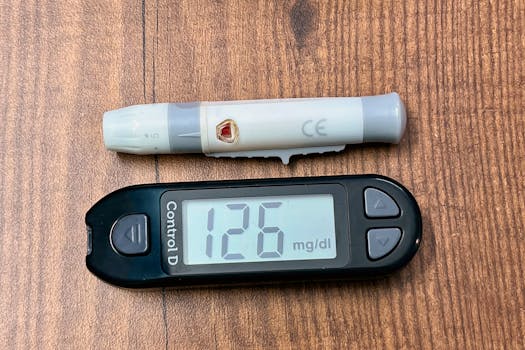
You’re eating the same way you always do, yet your CGM shows a pattern that feels “off”: your first meal may rise as expected, but then your glucose climbs again after the second meal—or even after you’ve already corrected and time has passed. This repeat rise is often called the CGM second meal effect. It can be subtle or dramatic, and it can show up even when you believe your meals are identical.
Common symptoms you may notice include:
- Two-step rise: glucose rises after meal 1, dips slightly, then rises again after meal 2 or later that same day.
- “Carryover” after meals: glucose remains elevated longer than expected and then continues climbing when you eat again.
- CGM lag that seems to worsen: the second rise looks delayed compared with how you feel (or compared with fingerstick checks).
- Inconsistent response: meal 1 behaves predictably, but meal 2 varies widely day to day.
- Overcorrection cycles: you treat the first rise, then the second rise appears higher because of insulin timing, snacks, or counter-regulatory hormones.
This matters because the “second meal” pattern can lead you to make changes that aren’t actually fixing the root cause. You may reduce carbs unnecessarily, adjust insulin incorrectly, or chase sensor artifacts that are unrelated to your physiology.
The goal of CGM second meal effect troubleshooting is to separate three things:
- True metabolic carryover (your body’s response to the first meal still driving glucose behavior).
- Timing effects (insulin action curves, gastric emptying, meal composition, and activity).
- Sensor-related distortion (calibration errors, insertion timing, compression lows, or signal quality issues).
When you isolate which of these is dominant, the fix becomes much more straightforward.
Most likely causes behind a second-meal glucose rise
There isn’t one single cause. The second meal effect is usually a cluster of mechanisms that line up. Below are the most common reasons you’ll see this pattern on CGM.
1) Sensor settling after insertion or during early wear
Many CGM systems behave less reliably in the first 12–24 hours after insertion, and some users see a “pattern shift” around 24–72 hours as the sensor matures. If your second-meal rise appears mainly during the first day or two of a sensor session, the sensor may be part of the story.
Even when your CGM is “working,” signal noise can make small differences look like a consistent pattern. This is especially true if you’re adjusting insulin or diet at the same time you’re starting a new sensor.
2) Sensor lag and rate-of-change artifacts
CGM measures interstitial glucose, not blood glucose directly. When glucose is rising quickly, or when it’s changing direction, CGM can show a delayed or exaggerated shape. That can make the second rise look like a new event when it’s partly the tail end of the first event.
If the second rise happens when you’re also experiencing rapid changes—like a high-carb meal followed by walking cessation, stress, or a late snack—CGM lag can contribute significantly.
3) Insulin timing mismatch (especially with rapid-acting insulin)
If you use insulin, the second meal rise can reflect how insulin from meal 1 overlaps with meal 2. A common scenario:
- You bolus for meal 1 later than you should (or you eat faster than your insulin onset).
- Insulin is still acting when meal 2 starts, but not enough to prevent a rise.
- Then, insulin action tapers off during the second meal, leading to a second climb.
Basal insulin can also matter. If basal is slightly under-dosed, meal 1 may look “okay,” then meal 2 pushes you into a higher glucose range because the system doesn’t have enough background insulin to buffer intake.
4) Meal composition and digestion differences
Two meals that both “feel similar” can digest very differently. Key variables:
- Carbohydrate type (starch vs. fructose vs. lactose; whole grains vs. refined).
- Fiber and fat (delay gastric emptying; can push the peak later).
- Protein load (may contribute to later glucose drift via gluconeogenesis).
- Portion size (even a 10–20 g carb difference can change the second rise).
Real-world example: You eat breakfast with yogurt and fruit (moderate carbs) and later have lunch with a “similar carb count” but higher fat (e.g., pasta with sauce). The fat slows absorption. Your lunch peak can land later, overlapping with insulin tapering and creating a second-meal rise that looks like a CGM issue—even if the sensor is accurate.
5) Activity timing (or stopping activity)
Exercise and even post-meal walking strongly affect glucose. If you walk after meal 1 but not after meal 2—or you stop walking sooner than usual—the second rise may be a predictable physiology response.
Also consider “hidden” activity differences: commuting route changes, steps on a busy day, or a longer meeting after lunch.
6) Stress, sleep loss, and counter-regulatory hormones
Stress increases cortisol and adrenaline, which can raise glucose and alter insulin sensitivity. Poor sleep can also shift insulin sensitivity, often showing up as higher late-day glucose and stronger second-meal rises.
If your second meal effect is stronger on certain days, look at sleep duration (even 1–2 hours less), workload stress, or illness.
7) Compression lows, signal interruptions, and placement issues
Compression lows occur when you press on the sensor area during sleep or sitting. They can distort glucose trend lines. If you then wake up and eat meal 2, the CGM may still be recovering from the artifact period.
Signal interruptions can also cause “stair-step” artifacts that look like second-meal glucose spikes.
8) Overcorrection behavior after the first rise
If you treat a first-meal high with extra carbs (or you reduce insulin more than intended), you can create a second rise that is partly a response to the treatment itself. Similarly, if you correct with insulin but then snack to prevent a low, your second meal may be higher because you added glucose load between meals.
Step-by-step CGM troubleshooting and repair process
Use this sequence. It’s designed to quickly identify whether the second-meal pattern is sensor-related, insulin/timing-related, or digestion/activity-related. Do not change multiple variables at once; otherwise, you won’t know what worked.
Step 1: Confirm the pattern is real (not just trend-line noise)
Pick one day and document the timeline for 3–4 meals or snacks:
- Meal 1 start time
- Meal 1 end time
- Bolus timing (if applicable)
- Meal 2 start time
- Any exercise or walking
- Any corrections (carbs or insulin)
- Where the CGM rate-of-change changes direction
Then check whether the second rise:
- Occurs within a consistent time window (for example, 60–180 minutes after meal 2 start).
- Matches fingerstick glucose when you suspect a sensor artifact (if you can safely do fingersticks).
- Appears only on certain sensor days or placement sites.
If the second rise only happens when the sensor is new or during signal quality problems, you’ll focus on sensor fixes first.
Step 2: Check sensor status and signal quality
Look for indicators inside your CGM app/system such as:
- Low signal strength / intermittent readings
- Calibration prompts (if your system requires them)
- Warm-up period status (early wear)
- Compression alerts or times when you were likely pressing on the sensor
Practical rule: if your second-meal rise happens the same sensor day and coincides with poor signal quality, treat it as sensor-related until proven otherwise.
Step 3: Perform a brief cross-check with fingerstick (when appropriate)
If you have access to fingerstick testing and it’s safe for your situation, do a cross-check at the peak of the first rise and again during the second rise. The goal is not to “perfectly match” CGM to blood every time—it won’t always match minute-to-minute—but to see whether CGM is consistently high or low compared with blood.
If CGM is off by a similar amount during both peaks, the sensor may be biased. If CGM matches blood during the first rise but diverges during the second rise, you may be dealing with lag, compression, or timing artifacts.
Step 4: Evaluate meal timing, insulin timing, and absorption window
Write down actual times and compare them to your insulin action window.
If you use rapid-acting insulin, note whether:
- Your bolus is consistently started after you begin eating (often too late for people with faster absorption).
- Your bolus is consistently started 10–20 minutes before eating but you still see a second rise (suggests digestion timing or meal composition rather than simple bolus lateness).
- The second rise appears when insulin action from meal 1 has faded but meal 2 carbs are still absorbing.
If you use a pump, also check whether meal boluses were overridden, extended, or delivered differently between meal 1 and meal 2.
Step 5: Check activity and “stop time” between meals
For 2–3 days, track whether you walked after meal 1 and whether you stopped earlier than usual. Even a difference of 10–20 minutes can change late peaks.
Also track whether you sat for long stretches after meal 1. Many people see a stronger second-meal rise when they stop moving and remain seated.
Step 6: Inspect sensor placement and wear habits
Look at where your sensor sits and how you use that area:
- Sleeping position (side-sleeping can compress sensors)
- Workouts (rubbing or heavy friction)
- Showering habits right after insertion
- Skin irritation or scar tissue
If you see the second-meal effect mainly on days when you sleep on the same side, compression is a prime suspect.
Step 7: Run a controlled “single change” test
For one meal pair, keep meal 1 and meal 2 composition and portion sizes as consistent as possible, then change only one variable. Choose the variable based on your earlier clues:
- If sensor quality is inconsistent: redo insertion and placement habits for the next sensor session.
- If insulin timing seems late: adjust bolus timing by 10–15 minutes for meal 1 and compare the second rise.
- If meal composition differs: standardize carbs and fat content for that test day.
- If activity differs: standardize a 10–20 minute post-meal walk after meal 1 and see whether the second rise softens.
Compare the shape of both rises, not just the peak. A successful fix usually improves the entire curve, not only one number.
Solutions from simplest fixes to more advanced fixes
Start with the smallest, lowest-risk changes. Move to advanced troubleshooting only if the simpler steps don’t resolve the pattern over 2–3 days of consistent logging.
Begin with timing hygiene: standardize meal windows
For 48–72 hours, keep meal 1 and meal 2 start times within a 30-minute window. Then keep your snack timing consistent too. The second meal effect often worsens when meal timing drifts because insulin action and digestion timing change naturally.
If you’re seeing a second rise that appears “too late,” try shifting meal 2 earlier by 30–60 minutes for one test day. If the second rise improves, you likely have a digestion or insulin overlap issue rather than a sensor malfunction.
Stabilize CGM conditions: reduce compression and improve wear consistency
If compression is plausible:
- Rotate sensor placement to a site less likely to be pressed during sleep.
- Avoid lying directly on the sensor area for the first 12 hours after insertion.
- Be cautious after workouts that cause friction or bruising near the sensor.
If your CGM system provides a way to review signal quality, use it. Replace the sensor early only if you have repeated signal interruptions or persistent inaccurate trend behavior that doesn’t improve after the normal warm-up period.
Check calibration practices (only if your CGM requires it)
Some CGM systems require calibration at specific times or when prompted. If you’re prompted and you ignore it, drift can occur. If you calibrate at random times when glucose is changing quickly, calibration can worsen accuracy.
When calibration is appropriate, choose a time when glucose is relatively stable (avoid right after a large meal or active correction). Then repeat cross-checks during the next meal cycle.
Adjust insulin timing carefully (if you use insulin)
Insulin timing is one of the most common reasons the second meal effect appears. If you consistently bolus after you start eating, try moving the bolus earlier by 10–15 minutes for one meal pair. If you already bolus early, try the opposite: ensure you’re not accidentally late due to “waiting to see” how you feel.
If you use extended bolus features, the second rise may indicate that the meal 1 bolus is not covering the absorption window. Consider whether meal 1’s bolus duration or split dosing matches your typical digestion.
Important: insulin adjustments can carry risk. Use your clinician’s guidance and your own safety plan. The troubleshooting here is about identifying the timing mismatch, not prescribing a new regimen.
Account for fat and fiber: standardize meal composition for troubleshooting
If meal 2 is higher fat or higher fiber than meal 1, it may absorb more slowly and peak later, creating a “second wave.” For troubleshooting, simplify:
- Keep total carbs similar between meal 1 and meal 2 (within a 5–10 g range if possible).
- Keep fat grams similar for at least one test day.
- Keep fiber sources consistent (or temporarily reduce major swings).
Once the pattern stabilizes, you can reintroduce variety. This approach prevents chasing sensor artifacts caused by predictable digestion differences.
Use activity timing as a lever: add a consistent post-meal walk
A practical, low-risk test is to add a consistent 10–20 minute walk after meal 1 (not after meal 2). You’re trying to change the glucose state before meal 2 carbs begin absorbing.
If the second meal rise softens significantly, the mechanism is likely carryover physiology rather than sensor inaccuracy.
Real-world scenario: You notice the second meal effect is worst on weekdays when you drive straight from lunch to back-to-back meetings. On one Saturday, you eat lunch and walk for 15 minutes. The CGM still rises, but the second wave is smaller and shorter. That pattern strongly points to activity timing, not a sensor defect.
Reduce overcorrection between meals
If you treat a first-meal high with extra carbs or reduce insulin too aggressively, you can create a second rise that looks like the CGM effect is “getting worse.” For troubleshooting days:
- Use your standard correction method consistently.
- Avoid “preventive snacking” unless it’s part of your agreed plan.
- Track any correction carbs precisely (grams if possible).
If your second meal rise correlates with correction timing, you’ll need to refine your correction strategy with your clinician or diabetes team.
Address sleep and stress variability
If the second meal effect appears on high-stress days or after short sleep, treat it as a biological modifier. For 2–3 days, aim for:
- Same sleep window (within 60 minutes)
- Consistent bedtime routine
- Same meal timing
You’re not trying to “fix” stress instantly. You’re testing whether the pattern disappears when your background physiology stabilizes.
More advanced: look for basal insufficiency or mismatched insulin coverage
If you see a repeated second-meal rise even when sensor quality is good, meal composition is standardized, and activity is consistent, insulin coverage may be the limiting factor—especially basal insulin.
Signs that basal or background coverage may be inadequate include:
- Glucose trends upward even without significant carbs between meals
- Second rises are higher despite consistent bolus timing
- Glucose remains elevated longer than expected after meal 1
In this case, you’ll need advanced troubleshooting with your diabetes clinician. They may review insulin delivery data, correction logs, and overnight trends. Don’t attempt large basal changes based solely on the second meal effect.
More advanced: evaluate for absorption changes (gastroparesis-like patterns or illness)
Sometimes the second meal effect is a digestion timing issue. If you notice delayed peaks, nausea, or variability after the same meals, consider whether digestion is changing due to illness, medications, or GI conditions.
If you have symptoms like persistent bloating, early fullness, or frequent reflux—especially if the pattern is new—professional evaluation is warranted.
When to replace the sensor or seek professional help
Knowing when to stop troubleshooting on your own prevents you from chasing noise.
Replace the sensor when you see persistent accuracy failures
Consider replacing the sensor early if:
- You repeatedly see large discrepancies between CGM and fingerstick glucose (when you cross-check at peaks).
- The signal quality repeatedly drops, causing gaps or erratic trend lines.
- The second meal effect appears only on one sensor and disappears on the next sensor with similar routines.
- You experience multiple compression-related artifacts that you can’t avoid with placement changes.
Also consider replacement if the sensor never settles into a stable pattern after the normal warm-up window (commonly the first 12–24 hours, sometimes up to 72 hours depending on your system and your body’s response). If the curve remains unstable well beyond that, the sensor may be malfunctioning.
Seek professional help when insulin strategy or medical factors are involved
Get clinician guidance promptly if:
- The second meal effect leads to frequent highs or lows despite consistent meal and activity patterns.
- You suspect basal insufficiency and need insulin regimen adjustments.
- You observe new GI symptoms or digestion changes affecting glucose absorption.
- Your CGM accuracy seems unreliable across days and sensors, and fingerstick checks confirm persistent mismatch.
- You’re experiencing unexplained hyperglycemia that could require medication review.
Professional review is especially important if you’re making insulin adjustments. A structured review of your CGM data (including overnight trends, meal-by-meal curves, and correction logs) is far more effective than random changes.
When the problem is mostly behavioral or routine variability
If you find the second meal effect correlates strongly with one controllable variable—like inconsistent post-meal walking, different meal composition, or correction snacks—then the “repair” is usually routine stabilization rather than technology changes.
In that case, you don’t need a new sensor. You need consistency and better timing hygiene for at least 2–3 days to confirm the change.
Use a practical decision rule
After 2–3 days of consistent logging and one controlled change, decide based on what improved:
- If the second rise improves when sensor conditions are better, it’s likely sensor-related.
- If it improves when bolus timing is adjusted (without changing carbs), it’s likely insulin-timing related.
- If it improves when activity after meal 1 is standardized, it’s likely carryover physiology.
- If it doesn’t improve despite all of the above, it’s time to involve a clinician for regimen and medical evaluation.
Putting it together: a targeted troubleshooting example you can replicate

Here’s a scenario that matches what many people report and shows how to troubleshoot without guessing.
You notice that on CGM, your glucose rises after breakfast, dips, then rises again after lunch. The second rise is bigger on days when you eat pasta at lunch. You use rapid-acting insulin and you often bolus right as you start eating.
Day 1:
- Breakfast: 40–50 g carbs, bolus at start time
- After breakfast: no walking
- Lunch: pasta meal with higher fat
- Second rise: peaks about 90–150 minutes after lunch starts
Day 2 (single change: bolus timing):
- Same breakfast and lunch carbs as Day 1
- Bolus 15 minutes before starting breakfast
- Still no walking
You see the first rise shift earlier and the second rise peak becomes smaller. That suggests timing mismatch and absorption overlap, not a sensor failure.
Day 3 (single change: activity):
- Keep bolus timing the same as Day 2
- Add a 15-minute walk after breakfast
- Keep lunch the same
The second rise drops further. Now you know it’s a combination: reduced meal-1 carryover and improved coverage before lunch carbs absorb.
If instead the second rise stayed exactly the same while bolus timing and activity changed, you’d then focus more heavily on sensor accuracy, compression, and digestion variability. The key is that you moved one variable at a time.
CGM second meal effect troubleshooting checklist you can follow in real time
When the second rise shows up and you’re tempted to “fix it” immediately, follow this checklist:
- Check sensor status: signal quality, warm-up period, and any recent compression artifact window.
- Identify the time window: did the second rise occur 60–180 minutes after meal 2 start, or is it a continuation of the first meal curve?
- Review corrections: any carbs or insulin changes between meal 1 and meal 2?
- Review activity: did you walk after meal 1, and did you stop earlier than usual?
- Review insulin timing: did bolus timing shift by more than ~10–15 minutes compared with your usual?
- Review meal composition: did meal 2 include more fat or less fiber than meal 1?
If you can answer these questions quickly, you’ll usually know whether you’re dealing with physiology, timing, or sensor behavior. That knowledge prevents overcorrection and reduces frustration.
Practical guidance on reducing repeat second-meal spikes over the next 7 days
Once you’ve identified the most likely driver, aim for improvement over a short, structured window rather than chasing perfection.
For the next 7 days:
- Choose one consistent meal pair to test (same carb amount, similar fat and fiber).
- Keep meal timing within a 30-minute window.
- Use one consistent activity habit (for example, 10–20 minutes walking after meal 1).
- Keep correction behavior consistent with your agreed plan.
- Log sensor quality notes (compression, signal interruptions, and any calibration prompts).
After 3–4 cycles, you should see either a consistent reduction in the second rise or evidence that the pattern persists regardless of the changes you made. Persistent lack of improvement is your signal to escalate to sensor replacement or professional review.
That’s the essence of CGM second meal effect troubleshooting: you’re not trying to force a single explanation. You’re running a disciplined series of checks until the pattern becomes predictable—or until you confirm it’s not accurate.
08.02.2026. 07:31