

Fasting and the Gut Health Microbiome: What Science Shows

Why fasting changes the gut microbiome
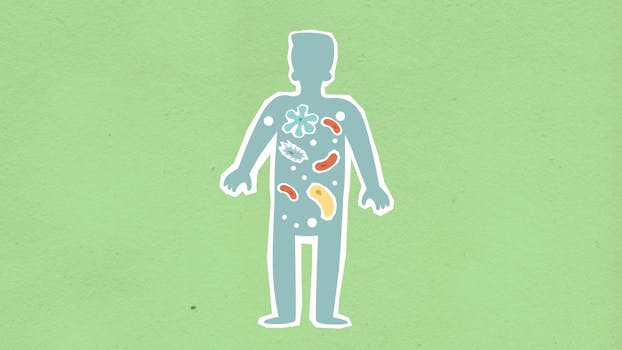
Fasting can meaningfully alter the gut environment, and the gut microbiome responds quickly to changes in nutrient availability. The microbes living in the intestines don’t just “wait” for food; they shift their metabolic activity based on what arrives from the diet. When fasting removes typical carbohydrate and protein inputs, the ecosystem adapts—sometimes within hours—by changing which pathways microbes use and how the gut lining and immune system react.
The term fasting gut health microbiome is often used to describe these shifts in microbial composition and function during periods without eating. Importantly, the microbiome is not a single organism; it’s a dynamic community. What matters most is not only which bacteria become more or less abundant, but also what they are doing—such as producing short-chain fatty acids (SCFAs), maintaining gut barrier integrity, and modulating inflammation.
Below is a science-explainer look at what fasting does, what “good” outcomes might look like, and how to reduce the odds of unwanted effects.
What the gut microbiome needs to stay balanced
To understand fasting effects, it helps to know what sustains a resilient microbiome. In many people, the gut ecosystem is supported by:
- Dietary fiber and resistant starch that reach the colon and are fermented into SCFAs like butyrate, acetate, and propionate.
- Stable meal patterns that provide predictable nutrient rhythms for microbial metabolism.
- Gut barrier and immune signaling that prevent inappropriate microbial contact with tissues.
- Bile acids and gut motility that shape microbial habitat and gene expression.
When fasting removes incoming substrates, the gut ecosystem is forced to use alternative energy sources. That can change microbial gene expression and the balance between species that prefer different fuels.
How fasting alters microbial metabolism during nutrient scarcity

During fasting, the gut experiences a shift from external fuel (dietary carbohydrates and proteins) to internal or recycled substrates. Several mechanisms can drive microbial changes:
- Reduced carbohydrate availability can lower fermentation of certain fibers and change which microbes thrive.
- Changes in protein utilization may occur if amino acids are more available from host metabolism, which can be relevant because protein fermentation can produce metabolites that are less desirable for some individuals.
- Altered mucus and host-derived glycans can influence microbes that specialize in using host sugars.
- Shifts in bile acids affect microbial composition because many gut bacteria transform bile acids, and bile acids also act as signaling molecules.
Functional changes often occur before composition changes. In other words, the microbiome may “behave” differently even if the relative abundance of bacteria looks similar on a stool test.
Short-term vs. prolonged fasting: different microbiome patterns
Not all fasting is the same. Time scale and intensity matter for the gut environment. Research suggests that:
- Short fasting windows (such as time-restricted eating) may cause more subtle shifts, often with less disruption to gut barrier function compared with longer fasts.
- Longer fasting (including multi-day fasting) tends to produce stronger changes in microbial metabolic activity and can be associated with temporary reductions in microbial diversity in some studies.
- Refeeding is a key phase: the microbiome may rebound, but the direction and speed of recovery depend on what is eaten afterward.
One reason prolonged fasting can be more disruptive is that microbial communities have limited access to dietary substrates for longer periods. If the fast is extended and refeeding is not supportive (for example, very low fiber and high refined carbohydrate), the ecosystem may not return to a prior state as smoothly.
Microbial diversity, resilience, and what “healthier” may mean
When people talk about the fasting gut health microbiome, they often focus on diversity. Higher diversity is frequently associated with better resilience and metabolic flexibility, but it’s not an automatic marker of health. The microbiome’s function matters at least as much as its variety.
During fasting, some studies observe:
- Shifts in diversity that may be temporary or partial, depending on the protocol and baseline diet.
- Changes in SCFA production, especially butyrate-related pathways, because SCFAs depend heavily on fermentation of fibers and resistant carbohydrates.
- Alterations in inflammatory signaling through changes in microbial metabolites and effects on the gut lining.
Resilience refers to how quickly the ecosystem returns to a stable pattern after the fast ends. Diet quality and consistency in the refeeding period strongly influence that rebound.
SCFAs and the gut barrier: why fasting can help or hinder

SCFAs—particularly butyrate—are central to gut health. They help nourish colon cells, support tight junctions, and influence immune regulation. Fasting can affect SCFA dynamics in two competing ways:
- During the fast, reduced fiber fermentation can lead to lower SCFA availability.
- After refeeding, SCFA production may rise if the diet provides fermentable substrates.
Gut barrier function is also influenced by host physiology. Fasting may improve metabolic markers and reduce some inflammatory signals in certain contexts. Yet, if the fast is too long or followed by low-fiber intake, the gut environment can become less favorable for barrier maintenance.
Practical takeaway: fasting is not inherently “gut protective” in every scenario. The microbiome and barrier respond to both the deprivation period and the refeeding strategy.
Inflammation and immune effects: microbial metabolites as messengers
The gut microbiome communicates with the immune system through metabolites, cell wall components, and signaling pathways. Fasting may influence inflammation via:
- Reduced nutrient-driven microbial growth that can lower certain inflammatory byproducts.
- Changes in bacterial fermentation that alter the balance of metabolites that promote or suppress inflammatory pathways.
- Shifts in gut motility and bile acid signaling, both of which can influence immune tone.
It’s also important to recognize individual variability. People with different baseline diets, microbiome composition, and metabolic health may experience different immune responses to fasting. In some individuals, fasting improves markers of inflammation; in others, it may not change much or could worsen symptoms if gut tolerance is already fragile.
What the evidence suggests: consistent patterns and real-world variability
Human studies on fasting and the microbiome vary in design. Differences in fasting duration, calorie intake outside the fasting window, hydration, medication use, and baseline diet make results harder to generalize. Still, several themes show up across research:
- Microbial function changes quickly even when stool composition changes more slowly.
- Refeeding determines direction of recovery—a fiber-rich refeeding approach tends to support beneficial fermentation.
- Longer fasting can cause more disruption, especially when followed by low-fiber intake.
- Baseline diet quality matters: people who already consume diverse, plant-forward foods often show more favorable microbial resilience.
Because stool microbiome tests measure composition rather than direct metabolic activity, interpretation should be cautious. Two people can have similar diversity scores but very different functional outputs (like SCFA production).
Practical guidance: how to support your microbiome during fasting

If you’re considering fasting for metabolic or health reasons, gut support is mainly about reducing unnecessary stress on the microbial ecosystem. Practical steps include:
- Choose a fasting approach you can repeat consistently. Sudden long fasts followed by inconsistent eating patterns are more likely to disrupt microbial stability.
- Prioritize fiber during eating windows. Aim for a variety of plant foods—vegetables, legumes, whole grains if tolerated, nuts, seeds, and fruit. This supplies fermentable substrates that can replenish SCFA production.
- Include resistant starch sources. Cooled potatoes, cooked-and-cooled rice, oats, and certain legumes can provide substrates for beneficial fermentation.
- Consider protein quality. If you eat animal products, balance with plant proteins and avoid relying on very high-protein, low-fiber patterns during refeeding.
- Support hydration and electrolytes if needed. Dehydration can affect gut motility and comfort, indirectly influencing the gut environment.
Some people also benefit from ensuring meals are not overly processed. Highly refined diets can reduce the supply of microbial substrates that help maintain barrier and immune balance.
Refeeding strategy: the most underestimated part
The refeeding phase is where many gut outcomes are decided. Microbes that adapted during fasting need appropriate substrates to rebuild their metabolic routines. A refeeding plan that often supports gut health includes:
- Start with gut-tolerable foods rather than very large, high-fat, or very low-fiber meals immediately after a long fast.
- Gradually restore fermentable fibers if you are sensitive. For example, start with cooked vegetables and legumes in smaller portions.
- Maintain daily plant diversity across the week, not just in one meal.
If you experience bloating, diarrhea, or significant discomfort, it may be a sign that refeeding is too abrupt or not aligned with your gut tolerance. Adjusting fiber type and portion size is often more effective than stopping dietary plants entirely.
Common symptoms and what they may indicate
Some gastrointestinal symptoms can occur during fasting transitions. While occasional changes can be benign, persistent or severe symptoms deserve attention. Possible explanations include:
- Constipation or slowed motility if hydration and fiber intake are inconsistent.
- Bloating and gas when fermentable fibers are reintroduced too quickly or in large amounts.
- Heartburn or nausea related to meal timing, reflux, or changes in gastric emptying.
- Loose stools if refeeding emphasizes foods that are poorly tolerated (for example, very high sugar alcohols or sudden large servings of certain legumes).
Tracking symptoms alongside meal timing can help clarify whether the issue is fasting duration, refeeding composition, or overall dietary pattern.
Do supplements help? A cautious, evidence-based view

Supplement strategies for the gut microbiome are often discussed, but the evidence is mixed and depends heavily on the specific supplement, dose, and individual baseline. In general:
- Probiotics can sometimes improve specific symptoms in certain populations, but they do not reliably “fix” microbiome changes caused by fasting.
- Prebiotics (like inulin, partially hydrolyzed fibers, and certain oligosaccharides) can support fermentation, but they may worsen gas for some people if introduced too quickly.
- Fermented foods like yogurt, kefir, kimchi, and sauerkraut can provide microbial metabolites and substrates, though tolerance varies.
If you consider adding any supplement, it’s usually best to do so with a clear goal and careful attention to tolerance—especially around refeeding. For many people, the most reliable approach is adjusting food-based fiber and meal composition first.
In clinical contexts, a clinician may consider targeted interventions for specific conditions (for example, recurrent antibiotic-associated diarrhea). But for general gut health, food quality and consistency tend to be the primary levers.
Who should be careful with fasting and gut-focused changes
Fasting can affect more than the microbiome. Certain groups should be cautious and seek medical guidance, particularly if there is a history of eating disorders, significant gastrointestinal disease, or metabolic conditions requiring medication adjustments. Examples include:
- People with diabetes or those taking glucose-lowering medications (risk of hypoglycemia).
- People with inflammatory bowel disease or other chronic GI conditions, where diet changes can flare symptoms.
- Pregnant or breastfeeding individuals, or those with nutritional risk.
- Anyone experiencing unintentional weight loss or persistent GI symptoms.
Even for metabolically healthy individuals, the combination of fasting plus aggressive dietary restriction can increase the risk of nutrient shortfalls, which can indirectly affect gut health.
Summary: fasting gut health microbiome outcomes depend on timing and refeeding
Fasting changes the gut environment by removing typical dietary substrates, which shifts microbial metabolism and can temporarily alter microbial composition. The gut microbiome may adapt quickly, but the overall outcome—whether it supports gut health or disrupts it—depends on factors like fasting duration, baseline diet quality, and especially how refeeding is handled.
To support a healthier gut ecosystem during fasting, the most evidence-aligned strategies are:
- Use a fasting pattern you can sustain without extreme restriction.
- Prioritize fiber diversity and fermentable substrates during eating windows.
- Refeed gradually and choose gut-tolerable foods.
- Monitor symptoms and adjust fiber type and portion size as needed.
In short, fasting can be a powerful metabolic signal for the body, but the microbiome’s well-being hinges on what comes next.
16.04.2026. 06:17