

Oxidative Stress 101: ROS and Antioxidants Explained

Oxidative Stress 101: Why ROS and Antioxidants Matter
Every day, your body produces reactive molecules as part of normal energy use. Most of the time, your antioxidant defenses keep those molecules in check. But when production overwhelms protection, you move into a state called oxidative stress. That imbalance can contribute to cellular injury, inflammation signaling, and—over time—many chronic health problems.
This guide is your oxidative stress 101 roadmap. You’ll learn what ROS (reactive oxygen species) are, how they damage proteins, lipids, and DNA, and what antioxidants do to reduce risk. You’ll also get practical ways to support your body’s redox balance through lifestyle choices that influence both ROS production and antioxidant capacity.
What Oxidative Stress Really Means in Your Body
Oxidative stress is not a single disease. It’s a biological condition where oxidants (often ROS) are produced faster than your body can neutralize them. Your cells run on a constant stream of chemical reactions. Some of those reactions inevitably generate reactive byproducts. At healthy levels, ROS are not purely harmful—they also act as signaling molecules that help regulate processes like immune responses and gene expression.
The problem starts when the system tips. That tipping point can happen from increased ROS generation, reduced antioxidant defenses, or both. When that occurs, ROS can react with cellular components, shifting membranes, altering enzyme function, and damaging genetic material. Even if damage is repaired, repeated cycles can leave lasting effects.
Oxidants vs. Antioxidants: The Balance
Think of your redox system as a regulated environment. Antioxidants include:
- Enzymatic antioxidants (for example, superoxide dismutase, catalase, glutathione peroxidase)
- Small-molecule antioxidants (for example, vitamin C, vitamin E, glutathione)
- Diet-derived polyphenols that influence oxidative pathways and inflammation signaling
When ROS rise, these defenses neutralize or transform reactive molecules into less harmful forms. They also help limit chain reactions—especially lipid peroxidation in cell membranes.
ROS Explained: Reactive Oxygen Species in Plain Language

ROS is an umbrella term. It covers several oxygen-containing reactive molecules, including free radicals and non-radical reactive species. The best-known ROS include:
- Superoxide (O2•−)
- Hydrogen peroxide (H2O2)
- Hydroxyl radicals (•OH)
Some ROS are short-lived and highly reactive. Others, like hydrogen peroxide, are more stable and can diffuse farther within cells. That matters because ROS distribution affects which cellular compartments experience damage.
How ROS Are Produced: The Main Sources
ROS production is normal, but certain conditions increase it. Common sources include:
- Mitochondrial respiration: During energy production in mitochondria, small amounts of ROS are generated as electrons leak and react with oxygen.
- Inflammation and immune activation: Activated immune cells produce ROS as part of pathogen defense.
- Environmental exposures: Tobacco smoke, air pollution, and radiation can increase oxidative burden.
- Metabolic overload: High glucose, high lipid availability, and insulin resistance can increase oxidative signaling.
- Enzyme systems: Certain oxidases and redox-cycling reactions generate ROS under specific conditions.
For example, during intense exercise, your oxygen demand increases and mitochondrial electron flow accelerates. ROS levels may rise temporarily. In trained individuals, antioxidant systems often adapt over time, improving resilience. The key is whether oxidative stress repeatedly exceeds your recovery capacity.
How Oxidative Stress Causes Damage: Proteins, Lipids, and DNA
ROS don’t just “exist.” They react. When ROS react faster than repair systems can respond, you get measurable cellular damage.
Protein Oxidation: Enzyme Function and Signaling
Proteins are vulnerable because amino acid side chains can be oxidized. This can:
- Alter enzyme active sites
- Change protein folding and stability
- Disrupt receptors involved in cell signaling
Even subtle changes can affect metabolic pathways. You don’t need complete protein failure for function to drift in the wrong direction.
Lipid Peroxidation: Membrane Integrity and Inflammation
Cell membranes contain polyunsaturated fats that are prone to oxidative chain reactions. ROS can initiate lipid peroxidation, which can:
- Increase membrane rigidity and permeability
- Generate reactive aldehydes that further damage nearby molecules
- Trigger inflammatory signaling pathways
This is one reason oxidative stress is often linked with inflammatory states. Membrane damage can act like a cellular alarm system.
DNA Damage: Mutations and Stress Responses
ROS can attack DNA bases and the sugar-phosphate backbone. Cells respond with repair mechanisms, but repair is not perfect—especially under repeated oxidative stress. DNA damage can lead to:
- Mutations that alter cell behavior
- Activation of stress pathways that change gene expression
- Cell cycle changes that promote senescence
In practical terms, oxidative stress can increase the “wear and tear” burden your body must manage day after day.
When Oxidative Stress Becomes Chronic: Common Drivers
Acute oxidative stress can occur during exercise, fever, or short-term immune activation. Chronic oxidative stress is different. It suggests ongoing imbalance—often driven by sustained exposures or persistent metabolic and inflammatory conditions.
Inflammation as a Feedback Loop
Inflammation can increase ROS production. ROS can also activate redox-sensitive transcription factors and signaling pathways that amplify inflammatory gene expression. That creates a feedback loop: inflammation raises ROS, and ROS sustains inflammation.
Metabolic Factors: Blood Sugar and Lipids
High blood sugar states can increase oxidative pathways through glucose auto-oxidation and mitochondrial stress. Insulin resistance can also shift metabolism toward increased oxidative signaling. Elevated triglycerides and certain lipid profiles can promote oxidative modification of lipoproteins, which may further affect vascular inflammation.
Environmental Exposures and Lifestyle
Some exposures increase oxidative burden reliably:
- Tobacco smoke: a strong ROS and oxidant source
- Air pollution: particulate matter can drive oxidative stress in respiratory tissues
- Excess alcohol: can increase oxidative metabolism and reduce antioxidant capacity
- Sleep deprivation: can shift inflammatory and metabolic signaling
You don’t need to “eliminate everything.” But reducing persistent exposures helps your antioxidant systems stay ahead of the curve.
ROS vs. Antioxidants: How Antioxidants Work (Not Just “Neutralize”)
Antioxidants are often described as ROS “scavengers.” That’s partly true, but it’s not the whole story. Antioxidants also support repair systems, regulate signaling, and help prevent chain reactions.
Scavenging and Chain-Breaking
Some antioxidants directly react with ROS, converting them to less reactive forms. Others interrupt chain reactions—especially those involving lipid peroxidation. Vitamin E, for example, is lipid-soluble and helps protect membrane fats from oxidative damage.
Supporting Endogenous Antioxidant Enzymes
Your body manufactures antioxidant enzymes. Many nutrients and plant compounds influence the activity and expression of these systems. Glutathione is a central player—your body can regenerate it, and it works alongside enzymes that detoxify peroxides.
Modulating Redox-Sensitive Signaling
ROS can act as signaling molecules. Antioxidants can shift the redox environment so that signaling stays balanced. This is one reason antioxidants aren’t only about preventing damage—they can also help prevent excessive inflammatory signaling.
Antioxidants You Already Have: Diet, Vitamins, and Built-In Defense
Your antioxidant status depends on more than supplements. Food provides a mix of antioxidants and cofactors that support your own systems.
Key Dietary Antioxidants and Their Roles
- Vitamin C: water-soluble antioxidant that helps regenerate other antioxidants and supports redox reactions.
- Vitamin E: fat-soluble antioxidant that protects lipid membranes from peroxidation.
- Glutathione: an intracellular antioxidant system; your body relies on amino acids and enzymes to maintain it.
- Polyphenols (found in berries, cocoa, tea, and many fruits and vegetables): influence antioxidant pathways and inflammatory signaling.
In a real-world sense, eating a variety of colorful plant foods increases the odds you’re providing multiple antioxidant pathways—not just one.
How Much Antioxidant Intake Matters (and Why More Isn’t Always Better)
For vitamins like C and E, adequate intake supports normal antioxidant function. But higher doses are not automatically better for everyone. Your body tightly regulates redox balance. Extremely high supplemental doses can sometimes disrupt normal signaling or produce unexpected effects, particularly in people with specific medical contexts.
That’s why the most reliable approach is to prioritize dietary patterns that consistently supply antioxidants and micronutrients.
Oxidative Stress 101: Practical Guidance to Support Your Antioxidant Capacity
If you want a practical plan, focus on actions that influence both ROS production and antioxidant defenses. This is less about chasing a single nutrient and more about improving the environment where your cells operate.
Build an Antioxidant-Rich Plate
Aim for a pattern that includes:
- At least 2 servings of fruit per day (more if you tolerate it well)
- 2–3 servings of vegetables per day, with variety in color
- Legumes, nuts, and seeds for additional micronutrients and polyphenols
- Whole grains to support metabolic stability
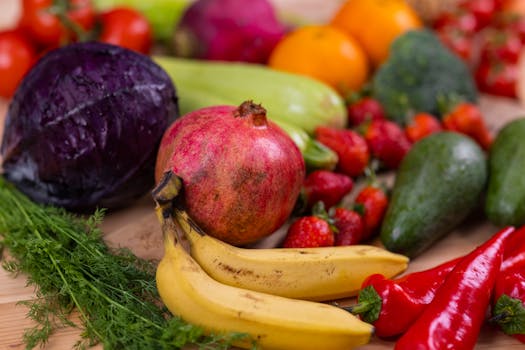
Examples of antioxidant-dense foods include berries, leafy greens, cruciferous vegetables, tomatoes, olive oil, and herbs/spices.
Use Exercise Strategically: The “Dose” Concept
Exercise increases ROS transiently, but regular training often improves antioxidant defenses over time. A practical approach is to mix:
- Moderate aerobic activity (for example, brisk walking or cycling) most days
- Strength training 2–3 times per week
If you’re new to exercise or returning after a break, ramp gradually. Overtraining without recovery can prolong oxidative stress and inflammation.
Sleep and Stress: Indirect but Powerful Redox Regulators
Sleep affects inflammatory signaling, glucose metabolism, and hormonal regulation—all of which influence oxidative stress. Many adults do best with 7–9 hours per night. If you consistently get less, oxidative stress tends to be harder to manage.
Chronic stress can also increase ROS production indirectly through sustained inflammatory signaling and altered metabolic function. Stress management doesn’t “remove ROS,” but it can reduce the conditions that push your system into imbalance.
Reduce Oxidant Exposures Where You Can
You can’t control every exposure, but you can reduce major drivers:
- Avoid smoking and secondhand smoke
- Improve ventilation and filtration where feasible
- Be mindful with high-heat cooking that can generate oxidative compounds in food
For instance, if you live in an area with frequent wildfire smoke, limiting outdoor activity during high particulate days and using indoor air filtration can reduce oxidative burden on respiratory tissues.
A Real-World Scenario: Office Life, Inflammation, and Oxidative Balance
Consider a common scenario: you work a desk job, sit most of the day, sleep 5–6 hours on weekdays, and rely on fast food for convenience. Over time, you notice low energy and increasing “brain fog,” and your lab results show rising fasting glucose and triglycerides.
In this situation, oxidative stress can be elevated through multiple pathways: metabolic strain increases ROS signaling, reduced sleep supports a pro-inflammatory state, and a lower intake of plant antioxidants reduces the inputs that support endogenous defense systems. You might not feel “oxidative stress” directly, but the downstream effects—like inflammation and metabolic dysregulation—are consistent with redox imbalance.
A practical response is not a single supplement. It’s a shift in inputs and recovery: add vegetables to meals, choose whole-food snacks (fruit, nuts, yogurt if tolerated), schedule 20–30 minutes of moderate activity most days, and protect sleep time. Over weeks, these changes can lower oxidative burden by improving metabolic stability and reducing inflammatory drivers.
Testing and Biomarkers: What You Can (and Can’t) Measure
Because oxidative stress is a biological process rather than a single disease marker, measurement is complex. Some tests estimate oxidative damage (like markers of lipid peroxidation or protein oxidation), while others estimate antioxidant capacity. But results can vary based on timing, sample handling, and individual variability.
In real clinical practice, oxidative stress markers are not always used routinely to guide day-to-day decisions. If you’re considering testing, the most useful approach is to discuss it in the context of your overall health picture—especially metabolic markers (glucose, lipids), inflammatory conditions, and lifestyle factors.
When Antioxidant Supplements Come Up: Safety and Context
Supplements sometimes enter the conversation when dietary intake is inconsistent or when someone has a specific deficiency. But oxidative stress is not solved by adding one more antioxidant. It’s a balance issue involving ROS sources, inflammatory signaling, and your endogenous antioxidant systems.
Some people choose supplements such as vitamin C, vitamin E, or polyphenol extracts. The key considerations are:
- Deficiency vs. optimization: supplementation is most meaningful when it corrects a gap.
- Medication interactions: certain antioxidants can interact with medications (for example, effects on blood clotting or metabolism).
- Dosage: more is not always better, and very high doses can have unintended effects.
If you have a chronic condition, are pregnant, or take regular medications, it’s wise to review supplement plans with a qualified clinician. The goal is to support redox balance safely, not to override your body’s regulated signaling.
Prevention Guidance: Keeping Oxidative Stress in a Healthy Range
Think of prevention as maintaining your antioxidant “buffer” while reducing major ROS drivers. You don’t need perfection. You need consistency.
High-Impact Habits
- Eat a plant-forward pattern with variety in colors and textures.
- Move regularly and include strength training to support metabolic health.
- Protect sleep with a consistent schedule when possible.
- Minimize smoking and major pollution exposure.
- Manage alcohol intake if it’s part of your routine.
Watch for Red Flags That Suggest Persistent Imbalance
Persistent oxidative stress is often associated with broader metabolic and inflammatory issues. If you have ongoing conditions such as uncontrolled blood sugar, chronic inflammatory disease, or frequent respiratory irritation, redox imbalance may be part of the bigger picture. Addressing the root drivers—through medical care and lifestyle support—tends to be more effective than targeting antioxidants alone.
Summary: Oxidative Stress 101 ROS Antioxidants—Your Practical Takeaway
Oxidative stress happens when ROS production exceeds antioxidant defenses. ROS are not inherently “bad”; they’re involved in signaling and immune function. The risk comes from imbalance—especially when metabolic strain, chronic inflammation, poor sleep, or environmental exposures keep ROS levels elevated over time.
Antioxidants help by scavenging reactive molecules, protecting cell membranes from lipid peroxidation, supporting endogenous antioxidant enzymes, and helping regulate redox-sensitive signaling. Your most reliable strategy is to support your antioxidant system through a nutrient-dense diet, regular movement, adequate sleep, and reduced exposure to major oxidant sources.
When you approach oxidative stress as a balance you can influence, you shift from vague concern to practical control—day by day, meal by meal, and habit by habit.
16.02.2026. 04:41