

Wearable Sleep Metrics and Body Composition: What to Track

Why sleep data matters for body composition
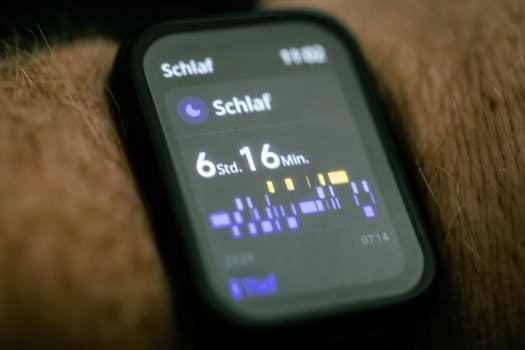
Wearable devices have made sleep measurement far more accessible than in the past. Many trackers estimate sleep duration, timing, awakenings, and even sleep stages. At the same time, body composition—how much of your body weight is fat, lean mass, and water—depends on more than calories alone. Sleep influences appetite regulation, training recovery, insulin sensitivity, hormone patterns, and the consistency of daily routines. When you combine wearable sleep metrics with thoughtful body composition tracking, you can better understand which aspects of sleep are most likely to affect fat loss, muscle retention, and overall weight regulation.
However, wearable data is still an estimate. The real value comes from using sleep metrics as signals—patterns over time—rather than as exact measurements. This article explains how to interpret common wearable outputs, how they connect to body composition outcomes, and how to design a practical tracking approach that supports informed decisions.
What wearables actually measure during sleep
Most consumer wearables estimate sleep using a combination of sensors and algorithms. The most common inputs are accelerometer data (movement), optical heart-rate signals (photoplethysmography), and derived metrics such as heart rate variability (HRV). From these inputs, software models sleep onset, awakenings, and sometimes sleep stages.
Sleep duration and sleep timing
Sleep duration is typically the total time a device estimates you are asleep. Sleep timing includes bedtime and wake time, which can matter as much as total hours. For body composition, consistent timing supports circadian rhythm stability, which influences glucose regulation, energy intake tendencies, and the ability to train at the desired intensity.
In practice, two people with the same “hours slept” may have different outcomes if one has fragmented sleep or highly variable schedules. Timing consistency can also affect daily hunger patterns and the likelihood of late-night snacking.
Sleep efficiency and fragmentation
Sleep efficiency is the ratio of time asleep to time spent in bed. A low efficiency score usually indicates more time awake, tossing and turning, or frequent awakenings. Fragmentation can reduce recovery quality even if total sleep time appears adequate.
From a body composition perspective, fragmented sleep can make it harder to maintain training quality and may shift appetite-related hormones in ways that increase caloric intake. It can also increase perceived fatigue, which may reduce daily activity levels outside of training.
Estimated sleep stages: what they can and can’t tell you
Many wearables estimate REM (rapid eye movement) and NREM stages, sometimes including “deep sleep.” These are not direct observations; they are algorithmic classifications based on movement and heart-rate patterns. Still, stage estimates can be useful for identifying trends.
For body composition, the key is not to treat stage percentages as precise targets. Instead, look for whether stage patterns improve with better sleep habits and whether those improvements coincide with changes in hunger, recovery, and training performance.
Important limitation: stage accuracy varies by device, individual physiology, and conditions like alcohol use, illness, or sleeping position. A wearable can be consistent for you even if it’s not perfectly accurate in absolute terms.
Heart rate, HRV, and respiratory-related metrics
Some devices provide resting heart rate, HRV trends, and “sleep breathing” estimates. These metrics can reflect recovery and autonomic balance. HRV is often used as a proxy for stress and readiness, though it’s influenced by many factors including fitness, hydration, alcohol, and illness.
If you see repeated nights with low HRV or elevated resting heart rate along with poor sleep efficiency, it may indicate that recovery is impaired. Impaired recovery can affect training adaptation and make fat loss more difficult, largely because you may not be able to sustain the same activity and intensity.
How sleep influences fat loss, lean mass, and water balance
Body composition changes are not only about fat. They also include lean mass, glycogen stores, and water. Sleep affects each of these through interconnected pathways.
Sleep and appetite regulation
Sleep loss can influence appetite through multiple mechanisms. It can increase the drive to eat, reduce satiety, and alter reward sensitivity to food. Even when people intend to eat the same amount, poor sleep can change food choices and increase the likelihood of calorie-dense intake.
Wearable sleep metrics can help you notice patterns. For example, if nights with lower sleep efficiency consistently precede days when you feel hungrier or snack more, that’s a practical signal. The goal is not to “solve” hunger with sleep alone, but to understand how sleep quality affects your ability to maintain a weight-regulation plan.
Sleep and insulin sensitivity
Sleep quality influences glucose metabolism. When sleep is short or disrupted, insulin sensitivity can decline. That can affect how your body handles carbohydrates and energy availability. Over time, poorer metabolic control can make body composition goals harder, especially when combined with high stress and inconsistent training.
In a tracking context, look at whether consistently poor sleep (for example, low efficiency or frequent awakenings) aligns with less stable energy levels and harder-to-control cravings.
Sleep, training recovery, and muscle retention
During a weight-regulation phase—whether cutting fat, maintaining, or recomposition—lean mass retention is a priority. Sleep supports muscle protein synthesis signaling and helps restore the nervous system after training. If sleep is inadequate, strength and performance may decline, which can reduce training stimulus and increase the risk of losing lean mass when caloric intake is reduced.
Wearables can indirectly reflect recovery. If your HRV trends improve after better sleep and your training feels more “springy,” that relationship is often more actionable than any single metric value.
Sleep and water retention from stress and glycogen
Body weight often changes due to water balance even when fat loss is progressing. Poor sleep can increase stress signaling, which may contribute to water retention. Additionally, carbohydrate intake and training can alter glycogen stores; glycogen binds water, influencing scale readings.
When you interpret body composition data, consider that wearable sleep changes may affect short-term water fluctuations. This is one reason to use multi-day averages for weight and to interpret trends rather than single-day results.
Interpreting wearable sleep metrics alongside body composition data
To connect sleep metrics with body composition, you need a system that respects time lags and measurement uncertainty. Sleep influences appetite and recovery quickly, but body composition changes often take weeks.
Use trends, not single-night readings
Wearables are best at identifying patterns. A single night of short sleep is rarely enough to predict body composition changes. Instead, track averages across several weeks, such as:
- Weekly average sleep duration
- Weekly average sleep efficiency
- Weekly frequency of awakenings (if your device reports it)
- Weekly HRV trend direction (up, down, stable)
Then compare those patterns to body composition outcomes over a similar time window.
Understand typical time lags
Some effects occur quickly, such as increased hunger and reduced training quality. Others take longer, such as reductions in fat mass and changes in body composition measured by scales or estimates. A practical approach is to look at sleep metrics from the previous one to two weeks in relation to body composition trends in the current or next two weeks.
For example, if sleep efficiency improves and you consistently train better, you may see changes in waist measurements or strength performance first, with fat loss following later.
Choose body composition measurements that match your goal
Body composition can be measured in several ways, each with different error sources:
- Body weight reflects total mass and includes water and glycogen.
- Waist circumference can track central fat changes more directly than weight alone.
- Bioelectrical impedance (BIA) estimates fat and lean mass but is sensitive to hydration and timing.
- DEXA provides detailed composition but is less frequent and more costly.
- Skinfold or circumference-based methods can be useful when done consistently.
Wearable sleep metrics may align more strongly with measurements that reflect longer-term changes (like waist circumference trends) rather than day-to-day scale fluctuations.
Control measurement conditions for better signal
To interpret body composition changes meaningfully, keep measurement conditions consistent:
- Weigh at the same time of day (often morning, after using the bathroom).
- Use the same scale placement and settings if using BIA or smart scales.
- Track waist circumference at the same landmarks.
- Record training days and rest days so you can separate recovery effects from sleep effects.
When conditions are consistent, the relationship between sleep improvements and body composition becomes clearer.
Practical ways to use sleep metrics for better weight regulation
Instead of chasing a perfect score, focus on actionable patterns. The most effective approach is to use wearable metrics to guide changes in sleep behavior, then observe whether appetite, recovery, and body composition trends improve.
Set realistic sleep targets based on your current baseline
If your current average sleep duration is 6.0 hours, jumping to 8.0 hours immediately may be unrealistic. A better strategy is to increase sleep time gradually, for example by 15–30 minutes per night, and to improve sleep efficiency by reducing awakenings. Watch whether bedtime becomes more consistent and whether morning sleep inertia decreases.
For weight regulation, consistent sleep can matter more than hitting a single nightly target. Aim for stability across weekdays and weekends.
Prioritize sleep efficiency if your duration is already near adequate
If you already sleep close to your personal needs (often around 7–9 hours for many adults), then fragmented sleep may be the limiting factor. If your wearable shows low efficiency, frequent awakenings, or extended time awake, focus on sleep continuity strategies:
- Keep the room cool and dark.
- Avoid late caffeine and nicotine.
- Reduce late alcohol, which can worsen sleep fragmentation.
- Limit heavy meals close to bedtime if they trigger discomfort.
As sleep efficiency improves, you may notice improved training recovery and fewer hunger-driven decisions later in the day.
Use HRV trends as a recovery context, not a daily verdict
Many people interpret HRV as a “green light/red light.” A more useful approach is to look at direction and consistency. If HRV is trending down for several nights along with poor sleep metrics, consider adjusting training load, improving sleep hygiene, and addressing stressors.
HRV is not a diagnosis tool. If you suspect sleep apnea or have persistent symptoms like loud snoring, gasping, or severe daytime sleepiness, it’s important to seek clinical evaluation rather than relying only on wearable estimates.
Track bedtime consistency and wake time stability
Body composition outcomes often improve when circadian rhythms stabilize. Use wearable sleep timing data to monitor whether your wake time is consistent. If you sleep in on weekends, consider whether the shift affects your weekday energy, cravings, and training performance.
Small changes—like keeping wake time within a one-hour window—can have a noticeable impact on sleep quality over time.
Connect sleep changes to training and daily activity
Sleep influences body composition partly through what you do during the day. If your wearable also tracks steps, activity, or workout duration, you can assess whether poor sleep reduces non-exercise movement or lowers workout intensity.
For weight regulation, this matters because reduced daily movement can offset dietary discipline. When sleep improves, daily activity often increases naturally, supporting a more favorable energy balance.
Common pitfalls when linking wearable sleep metrics to body composition
Wearable data can be misleading if you interpret it too literally or ignore confounding factors. Understanding these pitfalls helps you build a more accurate, education-based tracking plan.
Overreacting to normal day-to-day variability
Sleep metrics fluctuate due to stress, travel, illness, hydration, and schedule changes. If you respond to a single poor night by making large dietary or training changes, you may chase noise rather than signal.
Instead, define review points—such as weekly or biweekly check-ins—so you can make adjustments based on patterns.
Assuming stage percentages are accurate
Sleep stage estimates are useful for trend awareness, but they should not be treated as exact. If your device consistently reports “less deep sleep” after a late workout, it may reflect a real change in sleep architecture—or it may be algorithm behavior. Use stage data to guide broad behavior changes (timing of exercise, caffeine cutoff), then observe outcomes like sleep efficiency and next-day performance.
Ignoring hydration and measurement timing for BIA
Bioelectrical impedance estimates can shift with hydration status, meals, and even temperature. If your body composition metric changes sharply while your sleep metrics look stable, hydration may be the cause. Try to measure BIA under consistent conditions and interpret “trend over time” rather than day-to-day changes.
Confusing water weight changes with fat loss
Scale weight can move quickly due to glycogen and water. Poor sleep can contribute to water retention, making it appear that fat loss has stalled. A better approach is to use multi-day averages, track waist circumference, and consider strength or performance trends.
How to build a simple tracking workflow
A strong tracking workflow makes it easier to connect sleep metrics to body composition without becoming overwhelmed by data. The goal is education and clarity, not constant monitoring.
Step 1: Record a small set of sleep metrics
Choose a limited set of metrics that your device reports reliably. A practical starting set is:
- Average sleep duration
- Average sleep efficiency
- Number of awakenings or fragmentation score (if available)
- HRV trend direction (weekly)
Keep the list short to reduce noise and decision fatigue.
Step 2: Track one body composition signal consistently
Pick one primary body composition measure to interpret alongside sleep. Options include waist circumference (often helpful for fat distribution) or a consistent BIA trend if you can measure under stable hydration conditions. Pair it with body weight as a secondary signal, using averages instead of single readings.
Consistency matters more than sophistication.
Step 3: Review weekly, not daily
At the end of each week, ask:
- Did sleep efficiency improve or worsen?
- Was bedtime more consistent?
- Did HRV trend in a favorable direction?
- Did hunger or cravings feel different?
- Did training feel easier or harder?
- Did waist measurement or body composition trend in the expected direction?
Then decide on one or two behavior adjustments for the next week.
Step 4: Document confounders
Sleep and body composition are influenced by many variables. If you document key confounders, you can interpret outcomes more accurately. Consider noting:
- Alcohol intake
- Late caffeine
- Travel or schedule changes
- Illness or high stress periods
- Training volume and intensity changes
This reduces the chance that you misattribute changes in body composition to sleep alone.
Relevant wearable features to look for in sleep tracking
Different devices present different metrics. When evaluating what to use, consider whether the device provides consistent sleep timing, sleep efficiency, and recovery-related signals like HRV.
Sleep stage estimation and recovery scores
Some wearables provide stage estimates and summary scores. If you use them, treat them as trend indicators. A recovery score can help you notice when your sleep period is associated with better or worse readiness, but it should not replace basic sleep hygiene or medical evaluation when symptoms suggest a disorder.
Breathing and snoring estimates
Some devices include “sleep breathing” or related metrics. These can be useful for identifying patterns that warrant further assessment. If you have risk factors for sleep apnea—such as loud snoring, witnessed breathing pauses, or persistent daytime sleepiness—wearable estimates should encourage clinical discussion rather than self-treatment.
Skin temperature and circadian-related metrics
Some devices report skin temperature trends, which can reflect circadian rhythm shifts. While these are not direct measures of sleep architecture, they can help you understand whether your sleep timing changes are producing more stable circadian signals.
What to do if sleep metrics don’t improve
Not every sleep problem is solved by minor behavior changes. If you see persistent poor sleep efficiency, frequent awakenings, or consistently low recovery indicators, consider a structured troubleshooting approach.
Address the most common behavioral drivers
Start with foundational factors:
- Set a consistent wake time for at least several weeks.
- Use a caffeine cutoff time appropriate for your sensitivity.
- Limit alcohol close to bedtime.
- Optimize light exposure (bright light in the morning; dim light in the evening).
- Keep the sleep environment cool, dark, and quiet.
If you already do these well, the issue may be less about hygiene and more about stress, pain, medication effects, or a sleep disorder.
Consider stress, pain, and mental arousal
Stress and rumination can increase late-night wakefulness and reduce sleep efficiency. If your wearable shows frequent awakenings and you notice heightened stress, recovery may require stress-management strategies, not only changes in bedtime.
Similarly, pain or reflux can fragment sleep. Persistent symptoms deserve clinical attention.
Seek evaluation for possible sleep disorders
If you have signs of sleep apnea or another sleep disorder, don’t rely on wearable sleep stage estimates alone. Clinical evaluation can identify treatable causes and improve both recovery and body composition outcomes.
Summary: using wearable sleep metrics to support body composition goals
Wearable sleep metrics and body composition are connected through appetite regulation, metabolic function, recovery quality, and day-to-day activity consistency. The most useful way to work with sleep data is to treat it as a set of recovery and continuity signals—especially sleep duration, sleep efficiency, fragmentation, and HRV trends—then compare those signals with body composition outcomes over weeks.
Because wearables estimate sleep and body composition tools can be sensitive to hydration and timing, the best practice is to focus on trends, control measurement conditions, and review patterns weekly. When sleep improves, many people experience better training recovery, fewer hunger-driven decisions, and more stable energy for consistent weight regulation. When sleep metrics don’t improve, troubleshooting should expand beyond hygiene to include stress, pain, and possible sleep disorders.
Used thoughtfully, wearable data can help you understand which sleep behaviors most strongly support fat loss, lean mass retention, and overall weight regulation—without treating any single metric as a perfect truth.
26.01.2026. 23:23