

Improve Erectile Function With Vascular Health: A Step-by-Step Plan

Goal: Improve erectile function by improving blood flow
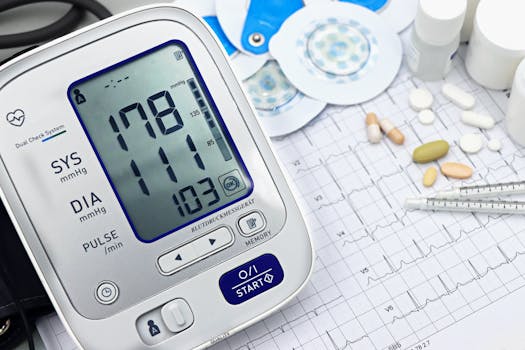
If you want to improve erectile function, start by thinking vascular. Erections depend heavily on blood vessel function—how well arteries deliver blood, how quickly veins release it, and how consistently your body can respond to arousal. When vascular health improves, erectile performance often follows.
This guide gives you a clear, step-by-step plan you can run for 8–12 weeks. You’ll focus on the levers that most directly support circulation: aerobic fitness, endothelial function (the “lining” inside blood vessels), blood pressure control, blood sugar stability, cholesterol balance, and lifestyle factors that impair circulation.
You don’t need perfection. You need consistency, measurable habits, and a safety-first approach.
Preparation: Set your baseline, choose your tools, and plan your timeline
Before you change anything, set a baseline. This helps you avoid guessing and lets you see progress even if it’s gradual.
Required setup (minimum):
- 1–2 weeks of tracking for sleep, steps, workouts, and morning erections (if you notice them).
- A home blood pressure monitor (upper arm cuff is usually more reliable than wrist). If you already have one, use it.
- Optional but useful: a smartwatch or fitness tracker for resting heart rate and activity minutes.
- Optional: a simple food logging app to estimate fiber and saturated fat intake.
What to measure (start now):
- Blood pressure: take readings twice daily for 7 days (morning and evening). Use the average for your starting point.
- Resting heart rate: note your average resting HR over 7 days.
- Exercise baseline: how many days per week you currently move enough to break a sweat.
- Sexual function signals: frequency of morning erections, firmness, and recovery time. Keep it simple—no need for detailed scoring.
Safety note: If you have chest pain, shortness of breath at low effort, a history of stroke/heart attack, or you’re on nitrates for angina, you must coordinate with a clinician before using or changing anything related to erectile medications. Vascular work is still helpful, but safety comes first.
Step-by-step: Improve erectile function with vascular health

Step 1: Control the biggest vascular risk factors within 14 days
Start with the “high-impact” variables. These are the ones that most commonly undermine blood flow and nitric oxide availability.
- Blood pressure: if your average is above 130/80 mmHg, prioritize clinician-guided management. Lifestyle changes can help, but don’t delay medical care if numbers are persistently elevated.
- Smoking/nicotine: if you use nicotine (including vaping), aim for a complete stop. Vessels respond quickly to improved circulation; long-term vascular benefit follows.
- Sleep: target 7–9 hours nightly for the next two weeks. If you snore loudly or feel unrefreshed, consider screening for sleep apnea—poor sleep can worsen vascular function and erectile performance.
- Alcohol: keep it modest. A practical target is 0–14 drinks per week total (and avoid binge patterns). If erections worsen after drinking, scale back further for 2–3 weeks and reassess.
Real-world scenario: You’re 42, working long shifts, and your resting HR is trending up. You notice erections are less reliable, especially after stressful days. In the first 14 days, you start tracking blood pressure and commit to a consistent bedtime. You walk 20 minutes after dinner on most nights. Within two weeks, your average BP readings drop slightly and you feel more “steady” energy—often the kind of internal stability that supports better sexual response.
Step 2: Build an “endothelial support” cardio routine (3–4 days/week)
Vascular health improves when your vessels repeatedly experience healthy shear stress from blood flow. Aim for aerobic work that you can sustain without going all-out.
Weeks 1–2 (foundation):
- 3 days/week of brisk walking, cycling, or swimming for 30 minutes.
- Keep intensity at a level where you can talk in short sentences (roughly RPE 5–6/10).
Weeks 3–8 (progress):
- Increase to 4 days/week with 35–45 minutes most sessions.
- Add 1 interval session per week: for example, 6 rounds of 1 minute faster effort followed by 2 minutes easy. Total time ~ 30–35 minutes.
Weeks 9–12 (maintain):
- Keep 3–4 cardio days/week, but don’t add more intensity than you can recover from. Erectile function often benefits from steady improvement, not burnout.
Practical example: If you commute, you could do a 30-minute brisk walk on lunch breaks. On weekends, swap one session for cycling with moderate resistance. The key is consistency and enough time under “improving circulation” conditions.
Step 3: Add resistance training for vascular and metabolic support (2–3 days/week)
Muscle is a major metabolic engine. Better insulin sensitivity and healthier body composition support blood vessels and sexual function.
Weeks 1–2:
- 2 days/week full-body training.
- Choose 6–8 exercises total (squat or leg press, hip hinge like deadlift pattern, push, pull, core, and one extra leg movement).
- Do 2–3 sets of 8–12 reps each.
- Rest 60–90 seconds between sets.
Weeks 3–8:
- Keep the same structure but aim to add a small amount of weight or reps each week.
- Include at least one movement for the posterior chain (hinge pattern). Strong hips and glutes support pelvic stability and circulation.
Keep it sustainable: If your training leaves you sore for days, reduce volume. Poor recovery can worsen sleep and stress hormones—both of which can undermine erections.
Step 4: Train your pelvic floor with a simple, repeatable protocol
Pelvic floor exercises can improve erection quality for many men by enhancing muscular support and blood flow responsiveness. You’re not trying to “squeeze harder.” You’re training coordination and endurance.
Weeks 1–4:
- Do daily sessions.
- Start with 10 slow contractions held for 3–5 seconds, followed by 3–5 seconds rest.
- Then add 10 quick contractions (short squeeze, short release).
- Total time: 5 minutes.
Weeks 5–8:
- Increase slow holds to 5–7 seconds.
- Keep quick contractions at 10–15 per session.
Real-world scenario: You’ve tried Kegels randomly before and felt no change. This time, you do a structured 5-minute daily routine for a month. You also notice you stop clenching your lower abdomen during the exercises. After 4–6 weeks, you observe stronger firmness and faster recovery between attempts.
Step 5: Eat for vascular health using a “nitric oxide + fiber” approach
Blood vessels respond to what you eat. Focus on dietary patterns that support nitric oxide and reduce inflammation.
Start with these daily targets:
- Fiber: aim for 25–38 grams/day. Increase gradually to avoid digestive discomfort.
- Vegetables: include at least 2–3 cups/day (or the equivalent if you prefer mixed salads and cooked veg).
- Protein: prioritize fish, poultry, eggs, legumes, and unsweetened yogurt. Keep portions reasonable.
- Healthy fats: use olive oil, nuts, seeds, and avocado. Limit saturated fat and processed meats.
- Carbs: choose whole-food carbs (beans, oats, brown rice, potatoes) and watch portion size if blood sugar runs high.
Practical meal example (simple and repeatable):
- Breakfast: Greek yogurt (or soy yogurt) + berries + chia seeds.
- Lunch: big salad with olive oil dressing + chickpeas or salmon.
- Dinner: stir-fry with vegetables + tofu or lean meat + a measured serving of brown rice.
- Snack (optional): an apple + a small handful of nuts.
If you drink coffee, keep it moderate and avoid late-day caffeine that harms sleep. Sleep loss can erase some vascular gains.
Step 6: Use supplements only when they fit your situation (and choose quality)
Supplements aren’t a substitute for exercise and diet, but some people use them to support nitric oxide pathways or oxidative stress. If you want to experiment, do it carefully and track results.
Common options people consider:
- L-citrulline (often used for nitric oxide support). Many men take it in the 1.5–3 grams/day range, sometimes split. Start low and see how you respond.
- Beetroot/nitrate sources (food-first is often best). If you use a product, choose one with clear dosing.
- Omega-3s if your fish intake is low (aim for a clinician-informed dose if you have blood-thinning concerns).
Soft product integration: If you’re looking for a straightforward option, consider choosing a reputable brand with third-party testing (for example, a “quality verified” label). You can also look for L-citrulline powders or capsules from well-reviewed manufacturers, but always follow label directions and avoid stacking multiple nitric oxide boosters at once.
Important: If you take prescription nitrates or certain heart medications, do not use nitric oxide–supporting supplements without clinician guidance.
Step 7: Track progress with clear signals over 8–12 weeks
Don’t wait for a “perfect” moment. Track trends. Erectile function often improves gradually as vascular function and stress levels stabilize.
Use this simple tracking schedule:
- Weekly: record average cardio minutes, resistance sessions completed, and pelvic floor consistency (did you hit 5 minutes daily?).
- Every 2 weeks: check blood pressure averages (use the same morning/evening routine).
- After 8 weeks: review changes in erection quality signals (morning erections, firmness, recovery time).
What improvement might look like: You may notice you can achieve firmness more consistently, especially with less pressure and less “performance anxiety.” That’s often a sign your vascular system is responding better, not just your mindset.
Common mistakes that slow vascular improvement
- Doing intense workouts without recovery: If you push hard every day, you may worsen sleep and stress hormones. Vascular benefits come from consistency.
- Only focusing on supplements: Nitric oxide support supplements can help some people, but the biggest changes usually come from aerobic fitness and blood pressure control.
- Ignoring blood pressure trends: Home readings reveal patterns. If your averages remain high, you need medical support alongside lifestyle changes.
- Overdoing pelvic floor tension: If you feel discomfort, urinary changes, or pelvic tightness, reduce intensity and consider guidance from a pelvic floor specialist.
- Inconsistent cardio: Skipping cardio for weeks makes it harder to build endothelial function. Aim for a minimum baseline you can keep.
- Changing everything at once: If you overhaul diet, start intervals, add resistance, and do pelvic floor all simultaneously, it’s hard to know what’s working. Move in phases.
Additional practical tips to optimize results
These are smaller adjustments that often make the plan easier to stick to and more effective.
Make your routine “frictionless”
Choose workouts you can repeat. For example, if you hate running, use cycling or brisk walking. If gym access is limited, do resistance training with bands and bodyweight while still keeping progressive overload.
Use a realistic weekly structure
Here’s a practical example for your week that fits most schedules:
- Mon: cardio 30–40 min + pelvic floor 5 min
- Tue: resistance training + pelvic floor
- Wed: cardio 30 min (easy)
- Thu: rest or light walk + pelvic floor
- Fri: resistance training + pelvic floor
- Sat: interval cardio session or longer steady cardio
- Sun: recovery walk + pelvic floor
Even if you can’t match this exactly, aim for the same “mix”: aerobic work, resistance, pelvic floor, and recovery.
Address stress like it’s part of the plan
Chronic stress impairs blood vessel function and can worsen performance anxiety. Add a 10–15 minute daily practice you’ll actually do—walking without your phone, breathing exercises, or a short mindfulness routine. You’re not trying to eliminate stress. You’re trying to reduce the load.
Consider a medical check if symptoms persist
If your erectile function doesn’t improve after 8–12 weeks of consistent vascular-focused habits, it’s reasonable to talk with a clinician. Vascular problems can be an early sign of broader cardiovascular risk. Ask about blood lipids, HbA1c (blood sugar), testosterone (if appropriate), and overall cardiovascular risk assessment.
Support the plan with smart supplement timing (if you use any)
If you choose something like L-citrulline, many people find it easier to stay consistent by taking it daily rather than only before sex. Follow label instructions and avoid taking multiple nitric oxide–related products together. If you get headaches or stomach upset, scale the dose down or stop and reassess.
Keep expectations grounded
Erectile function is influenced by more than blood flow alone. Relationship factors, mental stress, sleep, and medication side effects can all matter. But improving vascular health is a strong foundation because it supports the biology that erections rely on.
Run this plan like a training block. Give it time, track your signals, and adjust based on what you measure—not what you hope.
04.01.2026. 09:24