

Low Libido vs Erectile Dysfunction: Key Differences and Next Steps

Understanding the difference between desire and erections

Sexual health is often discussed as one experience, but in clinical practice it involves multiple systems working together. Two symptoms that may appear related—low libido and erectile dysfunction—can have very different underlying causes. Some people notice changes in sexual interest without difficulty getting or maintaining an erection. Others can still feel desire but struggle with erections. And in many cases, both can occur together, influenced by physical health, medications, stress, relationship factors, and lifestyle.
This guide explains what low libido and erectile dysfunction typically mean, how to tell them apart, and what to consider when deciding which evaluations and strategies are most appropriate. The goal is to help you describe your symptoms clearly and take informed next steps with a healthcare professional.
What low libido usually means
Low libido refers to a reduced interest in sexual activity or fewer sexual thoughts and fantasies than you previously experienced. It’s not simply “less in the mood” on a bad week. Clinically, low libido often involves a sustained change that affects satisfaction, relationships, or emotional well-being.
Common ways low libido shows up
- Fewer spontaneous sexual thoughts or fantasies
- Less interest in initiating sex
- Reduced sexual responsiveness even when arousal is present
- Difficulty feeling motivated by sexual cues that used to work
What low libido is not
- It is not the same as pain with sex, though discomfort can reduce desire.
- It is not always caused by hormones; psychological and relationship factors can be major contributors.
- It does not automatically mean erectile dysfunction is present.
What erectile dysfunction typically involves
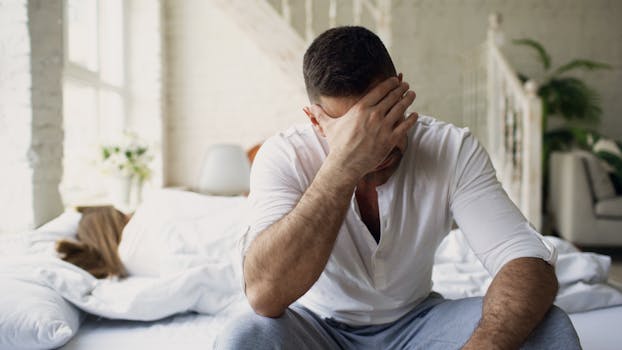
Erectile dysfunction (ED) is the consistent or recurrent inability to achieve and/or maintain an erection sufficient for satisfactory sexual performance. ED is about the erection response, not necessarily about sexual desire.
Common patterns of ED
- Difficulty getting an erection
- Erections that don’t last long enough for penetration
- Inconsistent erections, especially with a partner or during attempted sex
- Reduced firmness compared with earlier in life
ED can occur even with normal libido
Many people feel sexual desire and still experience erection problems. The reverse is also true: some people have desire but notice reduced interest or fewer urges. Understanding which part of the sexual response is changing is often the first step in finding an effective explanation.
Low libido vs erectile dysfunction: how to tell the difference
When symptoms overlap, it helps to separate the “desire” component from the “erection” component. A practical approach is to ask: what changes first—interest, arousal, or the erection response?
Clues that point more toward low libido
- You still find sex appealing, but you feel less overall interest or motivation.
- When aroused, erections may still occur, but sexual initiation or desire is reduced.
- Sex feels less rewarding than before, even if performance is possible.
Clues that point more toward erectile dysfunction
- You want sex and feel turned on, but erections are weak, slow to develop, or don’t last.
- Sexual thoughts may be present, but performance anxiety or body feedback interferes with erections.
- Morning or nocturnal erections have decreased, depending on the cause.
When both symptoms may be present
It is common for ED to reduce libido over time. If erections are repeatedly difficult, the brain may associate sexual activity with failure or stress, leading to less desire. Conversely, low libido can lead to less frequent sexual stimulation, which can contribute to erection problems. In addition, shared causes—such as cardiovascular disease, diabetes, depression, sleep problems, or medication side effects—can affect both desire and erectile function.
Biology behind desire and erections
Sexual function depends on hormonal signaling, blood flow, nerve function, psychological processing, and relationship context. While low libido and ED can overlap, the biology behind each symptom often differs.
Hormones and libido
Testosterone plays a role in libido for many men, but it is not the only factor. Thyroid disorders, elevated prolactin, and changes in cortisol from chronic stress can also influence sexual interest. In women, libido is similarly affected by hormonal status, but the definition of sexual dysfunction and the clinical approach can differ.
Blood flow, nerves, and erections
ED is frequently linked to vascular health because erections require adequate blood inflow and the ability to maintain blood in the penis. Nerve signaling also matters. Conditions that affect circulation or nerves—such as atherosclerosis, diabetes, neuropathy, and smoking—can contribute.
Brain and psychology
The brain coordinates sexual motivation and erection pathways. Anxiety, depression, chronic stress, and performance pressure can reduce libido and interfere with erection quality. Sleep deprivation can further worsen both.
Common causes of low libido

Low libido has a wide differential diagnosis. The most useful way to narrow it is to consider changes in your health, mood, relationships, and medications.
Hormonal and medical contributors
- Low testosterone or other endocrine changes
- Thyroid disease
- Diabetes or metabolic syndrome (sometimes indirect via fatigue or mood)
- Chronic illness and pain conditions that reduce energy or interest
- Sleep disorders, including obstructive sleep apnea
Medication and substance effects
- Antidepressants (especially some SSRIs and SNRIs)
- Blood pressure medications in certain cases
- Opioids
- Alcohol and some recreational substances
Psychological and relationship factors
- Depression, anxiety, grief, or chronic stress
- Body image concerns
- Relationship conflict, reduced emotional safety, or communication breakdown
- Sexual boredom or mismatched expectations
Common causes of erectile dysfunction
ED also has many potential causes. Clinicians typically look for vascular risk factors, neurologic issues, medication effects, and psychological contributors.
Cardiovascular and metabolic causes
- Atherosclerosis and reduced blood vessel function
- High blood pressure
- Diabetes
- High cholesterol
- Smoking or heavy nicotine use
Neurologic and structural causes
- Peripheral neuropathy (often from diabetes)
- Spinal cord injury or neurologic disorders
- Pelvic surgery or radiation affecting nerves or blood flow
Medication and lifestyle contributors
- Some antihypertensives
- Antidepressants can contribute—sometimes through libido changes, sometimes through erection quality
- Opioids and sedating medications
- Excess alcohol, cannabis in some individuals, and other substances
- Sedentary lifestyle and obesity
Psychogenic ED and performance anxiety
Psychological factors can be primary causes of ED, particularly when erections are inconsistent. Stress, fear of failure, and attention focused on performance can disrupt the normal erection cycle. Even when ED has a physical component, anxiety can amplify it.
How clinicians evaluate low libido and ED
A careful history is the cornerstone of diagnosis. The clinician will typically ask about onset, severity, frequency, and the context in which symptoms occur.
Key questions that help differentiate the problem
- Did libido decrease before erections changed, or after?
- Are morning or nocturnal erections present?
- Is the issue consistent across partners/situations or only during partnered sex?
- Any new medications, dose changes, or substance use?
- Any symptoms of depression, anxiety, or major stress?
- Any urinary symptoms, pain, or changes in ejaculation?
Common tests and assessments
- Blood pressure and cardiovascular risk assessment
- Blood tests such as testosterone, prolactin, thyroid function, and metabolic markers (often including glucose and lipids)
- Sleep evaluation if symptoms suggest sleep apnea
- Urinalysis or additional labs depending on symptoms
In many cases, clinicians can identify treatable contributors without extensive testing. When a clear cause isn’t obvious, targeted evaluation can still be useful—especially because ED can sometimes be an early marker of vascular disease.
Practical steps you can take while you seek answers

While diagnosis matters, there are also evidence-informed actions that can support sexual function and clarify whether lifestyle or stress is contributing.
Track patterns without over-focusing on performance
- Note whether libido and erections change on different days, with different sleep, or after alcohol.
- Observe whether erections occur during masturbation or in the morning—this can provide useful clues for clinicians.
- Avoid turning every attempt into a “test,” which can increase anxiety.
Review medications and timing
Do not stop prescriptions on your own, but make a list of all medications and supplements. Consider whether symptoms began after a dose change. Some people benefit from discussing alternatives with a prescriber, particularly when antidepressants or blood pressure medications are involved.
Address sleep, stress, and mental health
- If you snore, wake up gasping, or feel unrefreshed, ask about sleep apnea screening.
- For ongoing stress or depressive symptoms, evidence-based therapy and appropriate medical treatment can improve sexual outcomes.
- Mindfulness or structured relaxation can reduce performance pressure.
Improve vascular health and energy
Because erections depend on blood vessel function, lifestyle changes often help over time:
- Regular aerobic exercise and resistance training
- Weight management when relevant
- Limiting smoking and moderating alcohol
- Managing blood sugar and cholesterol with clinician guidance
Treatment options: what may help each symptom
Treatment is individualized. The most effective plan depends on whether the dominant issue is desire, erections, or both.
When low libido is the primary concern
- Hormone-related treatment when testing supports an endocrine cause (for example, testosterone therapy in selected cases)
- Medication adjustment when a drug effect is suspected
- Psychosexual therapy or counseling for relationship stress, anxiety, or depression
- Sleep and stress management to support sexual motivation
When erectile dysfunction is the primary concern
- Oral PDE5 inhibitors are commonly used when appropriate. These medications work by enhancing blood flow to support erections.
- Management of underlying conditions such as diabetes, hypertension, and high cholesterol.
- Psychological support when anxiety or stress is a major driver.
- Devices or other therapies may be considered in specific cases by a clinician.
When both low libido and ED are present
Combination strategies may be needed. Improving cardiovascular health, adjusting medications if feasible, and addressing mood or relationship factors can improve both desire and erections. If testosterone is low, correcting it may improve libido and sometimes erection quality, though response varies and should be guided by testing and medical supervision.
Medication considerations and safety notes
Because ED and libido issues can involve multiple medications and health conditions, safety matters. For example, PDE5 inhibitors may not be appropriate for everyone, particularly if someone uses nitrates for chest pain. Your clinician can review your medical history and current drugs to determine the safest approach.
Similarly, if low libido is related to antidepressants or other prescriptions, a prescriber may adjust the regimen rather than stop therapy abruptly. These decisions should be individualized.
Prevention: reducing risk before symptoms worsen

Sexual problems are not only “performance issues.” They often reflect broader health. Prevention focuses on the systems that support desire and erections.
Support long-term sexual health
- Maintain regular physical activity and cardiovascular fitness
- Manage weight, blood pressure, cholesterol, and blood sugar
- Prioritize sleep quality and treat sleep apnea when present
- Limit smoking and avoid excessive alcohol
- Address depression and chronic stress early
- Keep communication open with a partner; emotional safety improves sexual function
Know when to seek medical evaluation promptly
Consider discussing symptoms with a clinician sooner rather than later if ED appears suddenly, worsens quickly, or occurs along with chest pain, shortness of breath, neurologic symptoms, or significant urinary changes. ED can sometimes signal underlying vascular disease that benefits from early detection.
Summary: separating desire changes from erection changes
The most helpful way to understand low libido vs erectile dysfunction is to treat them as different parts of sexual function. Low libido primarily reflects reduced sexual interest, motivation, or responsiveness. Erectile dysfunction primarily reflects difficulty achieving or maintaining an erection sufficient for sexual activity. They can occur separately or together, and shared causes—such as cardiovascular risk factors, diabetes, depression, sleep problems, and medication side effects—can influence both.
If you’re experiencing either symptom, start by noting how your symptoms behave over time and in different contexts. Review medications and lifestyle factors, and consider medical evaluation to identify treatable contributors. With the right diagnosis and targeted support, many people can improve sexual function and overall quality of life.
FAQ
Is low libido the same as erectile dysfunction?
No. Low libido refers to reduced sexual interest or motivation. Erectile dysfunction refers to difficulty achieving or maintaining an erection sufficient for sexual performance.
Can I have low libido but still get erections?
Yes. Many people have reduced desire but can still achieve erections. Conversely, some people have normal desire but experience erection difficulties.
Can erectile dysfunction cause low libido?
Yes. Repeated erection difficulties can lead to stress, disappointment, and fear of failure, which may reduce desire over time.
What are common medical causes of both symptoms?
Diabetes, cardiovascular disease, hormonal disorders, sleep apnea, depression/anxiety, and medication side effects can contribute to both low libido and erectile dysfunction.
Should I get blood tests if my libido or erections changed?
Often, yes—especially if symptoms are new, persistent, or worsening. Clinicians may check hormone levels (such as testosterone), thyroid function, metabolic markers, and other labs based on your history.
How quickly should I seek care?
If symptoms are persistent, worsening, or affecting your quality of life, it’s reasonable to schedule an evaluation. Seek more urgent assessment if ED is sudden or accompanied by concerning cardiovascular or neurologic symptoms.
30.12.2025. 21:51