

Fertile Window Timing Sex for Pregnancy: Ovulation FAQ Guide

Timing intercourse around ovulation is one of the most practical ways to improve the odds of conception. The “fertile window” is the span of days when pregnancy is possible, because sperm can survive inside the reproductive tract and the egg is viable for only a short time after ovulation. Below are clear answers to common questions about fertile window timing, ovulation signs, and how to plan sex for pregnancy.
What is the fertile window for pregnancy?
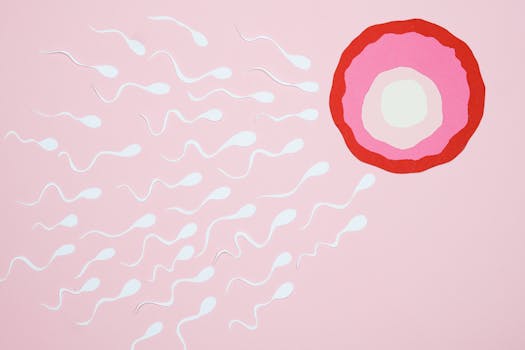
The fertile window is the range of days during a menstrual cycle when pregnancy can occur. It begins several days before ovulation and ends shortly after ovulation. This timing matters because sperm may live for several days in favorable cervical mucus conditions, while the egg survives for a brief period after it is released.
For many people, the fertile window is centered around ovulation, typically spanning about 5–6 days in total. The exact length can vary based on cycle regularity, cervical mucus, and individual biology.
How do you calculate fertile window timing sex for pregnancy?
A common approach is to estimate ovulation day and then plan intercourse in the days leading up to it. If your cycles are regular, ovulation often occurs about 12–16 days before your next period. For example, if your cycle is 28 days, ovulation may be around day 14 (counting day 1 as the first day of bleeding).
Once you estimate ovulation day, sex timing often focuses on:
- Days before ovulation (when sperm can be waiting)
- The day of ovulation (when the egg becomes available)
- The day after ovulation (in case ovulation timing shifts)
If your cycles vary, tracking methods like ovulation predictor kits or basal body temperature can help narrow the fertile window more accurately.
When is the best day to have sex to conceive?
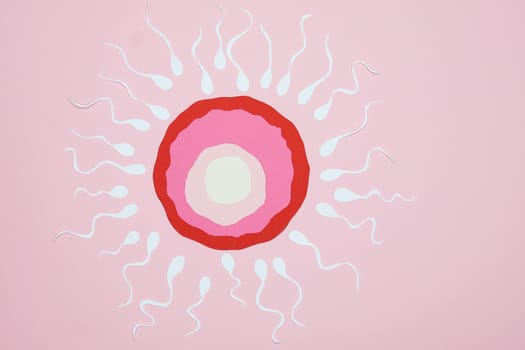
The “best” day is usually the day of ovulation or the day immediately before it. Because sperm can survive for days, having intercourse 1–2 days before ovulation is often effective. However, ovulation timing can shift month to month, so many couples aim to cover multiple days within the fertile window rather than relying on a single day.
If you can identify ovulation with tests or consistent cycle tracking, you can concentrate efforts. If tracking is uncertain, spacing intercourse every 1–2 days during the fertile window can help ensure coverage.
How many days before ovulation should you have sex?
Many people plan intercourse starting about 3–5 days before the estimated ovulation date, depending on how confident they are in their ovulation estimate. This approach accounts for sperm survival and possible shifts in ovulation.
If you use ovulation predictor kits (OPKs), you may start having sex when your test begins to approach the positive range and continue through the positive surge and the following day. If you rely on calendar estimates only, starting earlier within the fertile window can reduce the risk of missing a later-than-expected ovulation.
How long does sperm live inside the body?
Sperm can survive for up to several days inside the reproductive tract, especially when cervical mucus is supportive. The exact lifespan varies by individual factors, including mucus quality and overall reproductive health.
Because of this potential survival window, intercourse before ovulation can still lead to pregnancy even if sex does not occur on the exact ovulation day.
How long does the egg live after ovulation?
After ovulation, the egg typically remains viable for a short period—often around 12–24 hours. This is why timing intercourse around ovulation is important: the fertile window is designed to ensure sperm is present when the egg is available.
Even with excellent timing, conception is not guaranteed because fertilization depends on multiple biological steps occurring successfully.
Do you need to have sex every day during the fertile window?
Not necessarily. Many people conceive with intercourse every 1–2 days during the fertile window. Having sex every day may cover the timing more tightly, but it is not required for most couples to achieve pregnancy.
What matters most is that intercourse occurs often enough to ensure sperm are present during the days leading up to ovulation and around ovulation itself. Comfort and sustainability also influence success because stress and fatigue can affect consistency.
How accurate are ovulation predictor kits (OPKs) for timing sex?
OPKs detect the luteinizing hormone (LH) surge that typically occurs shortly before ovulation. A positive OPK usually means ovulation is likely to occur within about 24–36 hours, though individual timing can vary.
For planning, many people use OPKs like this:
- Start testing a few days before the expected surge based on past cycles
- Have sex when you get a positive test (or when the test is clearly nearing positive)
- Continue for at least the next day after a positive result
OPKs do not confirm ovulation occurred, but they can be helpful for narrowing the fertile window compared with calendar-only estimates.
What is basal body temperature, and how does it help with ovulation timing?
Basal body temperature (BBT) tracking involves measuring your temperature at the same time each morning before getting out of bed. After ovulation, progesterone often causes a small sustained temperature rise.
BBT is useful for confirming that ovulation likely happened, not for predicting it in real time. That said, the pattern can improve future cycle planning by showing how your body behaves over multiple months.
For conception timing, many people combine methods: use OPKs to predict the surge and BBT to confirm ovulation afterward.
How do cervical mucus changes indicate the fertile window?
Cervical mucus can become more slippery, stretchy, and clear around the fertile period, often resembling raw egg white. This type of mucus can support sperm movement and survival.
Tracking mucus can help identify the start of the fertile window and the likely approach to ovulation. When mucus becomes less stretchy and more dry or sticky, it often indicates the fertile period is ending.
Because mucus patterns can vary with hydration, breastfeeding status, and hormonal changes, mucus tracking is most reliable when you learn your personal pattern over several cycles.
Can you conceive if you have sex after ovulation?
Yes, pregnancy is still possible after ovulation, especially if ovulation occurs later than expected or if the egg is still viable. Sperm may survive long enough to meet the egg if intercourse happens within about 1 day of ovulation.
To reduce uncertainty, consider continuing intercourse for at least a day after the estimated or detected ovulation time. If you confirm ovulation with BBT, note that BBT rises after ovulation, so sex timing based only on BBT may be too late for that cycle.
What if your cycles are irregular—how should you time intercourse?
Irregular cycles make calendar calculations less reliable because ovulation may shift. In these cases, using additional indicators can improve timing. Common strategies include:
- Ovulation predictor kits to detect LH surges
- Cervical mucus monitoring to identify fertile changes
- Basal body temperature charting to confirm patterns over time
Many people with irregular cycles benefit from focusing on the days leading up to and following a detected LH surge, rather than relying on cycle day numbers.
Does sex position or timing after sex affect fertility?
For most couples, the main determinant is whether sperm can reach the cervix and survive until ovulation. Sex position is unlikely to change outcomes in a major way for healthy reproductive anatomy.
After sex, there is no strong evidence that prolonged rest or specific postures meaningfully increase pregnancy rates. If you choose to lie down briefly for comfort, that is reasonable, but it should not be viewed as a requirement for conception.
Are there factors that make fertile window timing less effective?
Timing is important, but conception depends on more than when intercourse occurs. Factors that can affect fertility include ovulatory function, tubal health, uterine conditions, sperm parameters, and age-related changes in egg quality. Lifestyle factors such as smoking, heavy alcohol use, and certain medications can also influence outcomes.
If you consistently have intercourse during the fertile window and pregnancy does not occur, it may be time to discuss evaluation options with a clinician—especially if cycles are very irregular or if there are known reproductive health concerns.
How long should you try timed intercourse before seeking help?
General guidance often considers age and how long conception has been attempted. Many clinicians recommend evaluation sooner if:
- You are 35 or older and have been trying for about 6 months
- You are under 35 and have been trying for about 12 months
- You have irregular or absent periods, known endometriosis, prior pelvic infections, or other risk factors
These timelines can vary based on personal circumstances and medical history. A fertility-focused consultation can help determine whether testing is appropriate and what steps may improve the chances of pregnancy.
Does using fertility tracking products like ovulation test strips or BBT thermometers help?
Tracking tools can improve your ability to identify fertile days, especially when used consistently and interpreted correctly. Ovulation test strips (OPKs) can help pinpoint the LH surge, while a basal thermometer and BBT charting can help confirm ovulation patterns over time.
If you use tracking products, focus on correct usage (timing of tests, reading results at the right window, consistent temperature measurement). These tools are most effective when paired with a plan for intercourse during the days leading up to and around the expected ovulation period.
It’s also important to remember that even accurate tracking does not guarantee pregnancy, because conception depends on multiple biological steps.
What should you do if you keep missing ovulation?
If you suspect you are missing ovulation, reassess your method. Calendar estimates can drift if cycles vary. Consider:
- Testing earlier in the cycle to avoid starting OPKs too late
- Testing at consistent times and using the same brand or test sensitivity
- Increasing frequency during the likely surge window (for example, once daily or per instructions)
- Using cervical mucus and BBT together to understand your pattern
Many couples improve results by broadening coverage—having intercourse every 1–2 days during the estimated fertile window rather than trying to synchronize to a single predicted day.
Summary: How to time sex for pregnancy using the fertile window
The fertile window is the most important time to focus on intercourse because sperm can survive for several days and the egg is viable for a short time after ovulation. For many people, having sex on the day before ovulation and the day of ovulation is especially helpful, but the safest strategy is to cover multiple days within the fertile window. OPKs, cervical mucus tracking, and basal body temperature can all support timing, particularly when cycles are irregular. If conception does not occur after a reasonable period, consider discussing next steps with a healthcare professional.
07.05.2026. 19:54