

Wearable Metrics for Libido: How to Choose the Right Tracker

When libido feels unpredictable, you want data you can trust
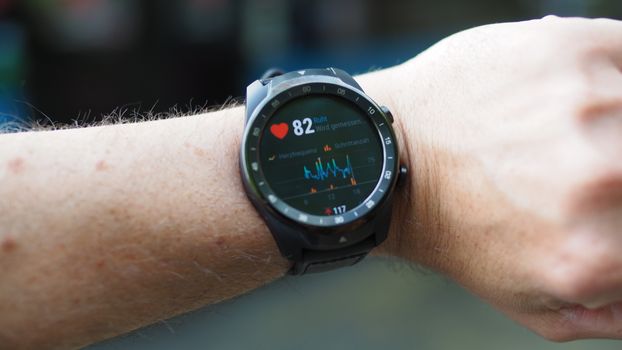
Libido rarely moves in a straight line. Stress, sleep debt, relationship dynamics, hormones, medications, travel, and even the time of year can shift your desire—sometimes noticeably within days. The problem is that most “libido tracking” advice is either vague (“be mindful”) or based on memory (“I think it was higher last week”). That’s frustrating when you’re trying to understand patterns and make practical changes.
This is where wearable metrics for libido come in. The right wearable can’t directly measure desire the way a thermometer measures temperature, but it can track the signals that often correlate with your arousal, recovery, and readiness—like sleep quality, resting heart rate, stress levels, skin temperature changes, and sometimes physiological indicators linked to sexual response. When you combine those data streams with your own context, you can start spotting what helps and what hurts.
Buying a device for this purpose can be confusing. Some wearables focus on general wellness; others add “intimacy” features or attempt to infer sexual response from sensors. If you choose without understanding what the metrics actually mean, you may end up with numbers that look scientific but don’t help you make decisions.
Below is a practical buying guide to help you choose a wearable that gives useful, actionable metrics—not just more data.
What “libido metrics” really are (and what they aren’t)
Before you spend money, it helps to separate three ideas:
- Direct measurement: Measuring sexual desire or arousal directly is not something consumer wearables can do reliably. Desire is subjective.
- Indirect physiological signals: Wearables can measure body signals (heart rate, skin temperature, movement, sleep stage patterns) that often move alongside arousal and recovery.
- Context + self-report: The most useful insights usually come from blending wearable signals with brief “what was going on” notes (stress, alcohol, cycle day, workout intensity, and so on).
So when you’re shopping, treat the wearable as a pattern detector. Your job is to interpret the patterns with context. Done well, you can identify triggers (or blockers) that are hard to see otherwise.
Sensors and features that matter for libido-related insights
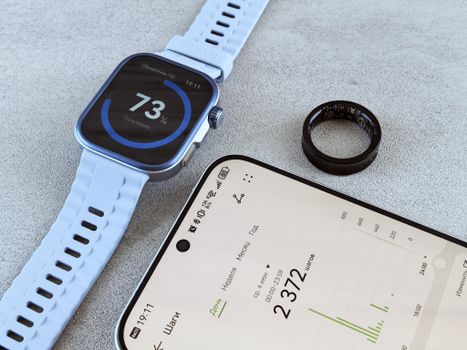
Not all wearables measure the same things. For libido-focused tracking, you want sensors and features that capture the physiological and behavioral factors most likely to correlate with your desire.
1) Heart rate and heart rate variability (HRV)
Why it matters: HRV is often used as a proxy for autonomic nervous system balance—basically how “recovered” and stress-resistant your body is. Higher HRV is commonly associated with better readiness and lower chronic stress.
What to look for: Consistent daytime and overnight HR tracking, and HRV reporting at least daily. If the device only provides HRV intermittently, it’s harder to link changes to libido patterns.
Practical detail: For meaningful trends, you need at least 2–4 weeks of continuous data. HRV can vary day to day, especially if you have poor sleep or you’re sick.
2) Sleep staging and sleep consistency
Why it matters: Sleep affects hormones, energy levels, mood, and stress. Even if you don’t feel “tired,” shortened or fragmented sleep can reduce libido.
What to look for: Sleep stage estimates (light/deep/REM) and a “sleep regularity” or consistency metric. A device that only tells you total hours asleep may miss the quality shifts.
Numbers to aim for: Many people feel better with 7–9 hours of sleep. If you’re tracking libido, focus on whether your sleep quality improves after changes you make—like earlier bedtime or reducing late alcohol.
3) Skin temperature and peripheral blood flow proxies
Why it matters: Skin temperature trends can reflect circulation and autonomic changes. Some wearables use temperature to infer recovery and readiness, and those shifts can correlate with arousal patterns for some people.
What to look for: Reliable temperature sensing and clear reporting. The best devices show trends over time rather than a single snapshot.
Important: Temperature is influenced by room conditions, clothing, and bedding. If you live in a cold apartment or your thermostat swings, you’ll want to standardize your environment as much as possible.
4) Stress and recovery scoring (and how it’s calculated)
Why it matters: Many wearables compute a “stress” or “readiness” score using HR, HRV, and sometimes skin temperature. If your device’s algorithm is opaque, you may still benefit from the trend—but it’s harder to know what’s driving it.
What to look for: A clear explanation of the signals used, or at least a consistent daily score and the ability to see underlying components (like resting HR and HRV trends).
Practical detail: If the wearable only gives a single stress number without showing trend, you may miss the buildup before libido changes.
5) Movement, workout load, and recovery markers
Why it matters: Libido can rise after exercise for some people and drop when you’re overreaching or under-recovered. Movement metrics help you connect desire changes to training load and recovery.
What to look for: Workout detection, activity intensity, and recovery or training load summaries. If you strength train, you’ll want a device that recognizes high-effort sessions and doesn’t treat them all as “walking.”
Numbers to watch: If you’re tracking training, pay attention to whether your libido dips during heavy weeks. A common pattern is reduced desire when resting HR rises and HRV drops after intense training blocks.
6) Cycle tracking (if relevant to you)
Why it matters: For many people, libido fluctuates across the menstrual cycle. Wearables can help estimate cycle timing using temperature trends and period logging.
What to look for: Cycle predictions, symptom logging, and temperature-based features (when available). Even if you already track your cycle, the wearable can add physiological context.
Practical detail: For cycle-related insights, you need consistent logging for at least 2–3 cycles.
7) “Intimacy” features: what they usually include
Some devices market “intimacy” or “sexual wellness” features. Typically, these features don’t measure desire directly. Instead, they may:
- Allow you to log sexual activity and correlate it with sleep/stress scores
- Offer guided check-ins (quick prompts for mood, stress, arousal, or satisfaction)
- Use sensor signals (like movement patterns) to estimate timing or physiological state
If you’re considering a wearable that specifically targets sexual wellness, prioritize usable data over flashy claims. Look for a workflow that makes it easy to log “what happened” in under 10–20 seconds so you don’t stop after a week.
8) Comfort and wear compliance (the most underrated metric)
A wearable can have excellent sensors and still fail your libido goals if you won’t wear it consistently. For libido-related patterns, consistency matters. You’re trying to learn from trends, not one night.
What to look for: A comfortable band, secure fit during sleep, and battery life that matches your routine. Aim for a device you can wear daily for 7–14 days between charges (or at least consistently without constant charging).
Prioritize these buying criteria to get actionable libido insights
When you’re choosing wearable metrics for libido, your goal isn’t to collect every metric. Your goal is to make the data useful for decisions. Use this priority list.
1) Data quality over novelty
Look for stable HR/HRV tracking, credible sleep staging, and clear trend views. If a device’s “libido” angle is mostly marketing, you may be better off with a strong health platform plus a simple way to log intimacy context.
For example, a high-quality HRV and sleep tracker can help you identify “bad sleep → lower readiness → lower desire” patterns. That’s actionable even if it doesn’t claim to measure libido directly.
2) A logging workflow you’ll actually use
Libido is subjective. Without quick context, your data becomes harder to interpret. Choose a wearable (or companion app) that makes it easy to record:
- Mood and stress (even a simple 1–5 rating)
- Energy level
- Alcohol or late meals (if relevant)
- Medication changes
- Cycle day (if relevant)
If you’re buying for yourself, test the workflow during setup. Can you log an entry in under a minute? If it’s too slow, you’ll stop using it.
3) Trend visibility, not single-day results
Libido patterns often show up over time. You want trend charts that let you compare:
- Average HRV over a week
- Sleep consistency across weeks
- Resting heart rate changes after stress or travel
- How those trends line up with your logged intimacy
If the app buries trends behind multiple screens or exports are difficult, you’ll likely get frustrated.
4) Battery life and charging routine
For libido tracking, you need overnight data. If the battery is weak and you skip charging, you lose the most important sleep signals. Prioritize a device with reliable battery life and a charging method that fits your schedule.
Rule of thumb: If you hate charging, don’t buy a device that requires daily charging. You’ll end up wearing it less than you planned.
5) Privacy controls and data export options
Even if you’re not storing sensitive medical info, intimacy logs can feel personal. Choose a wearable with:
- Clear privacy settings
- Control over what’s shared with third parties
- Data export options (so you can review trends later)
Read the privacy policy summary in the app store listing or the manufacturer site. If it’s unclear where your data goes, that’s a red flag.
6) Compatibility with your ecosystem
If you already use a smartwatch or phone app, confirm compatibility. A wearable that requires a separate app you never open is a problem. You want a single place to review sleep, readiness, and your intimacy notes.
Common purchasing mistakes (and how to avoid them)
Most buyer disappointment comes from a mismatch between expectations and what wearables can actually deliver.
Mistake 1: Buying a wearable that promises “libido measurement”
Be cautious with devices that claim they can “measure libido.” Desire is not directly measurable with standard consumer sensors. If a device makes strong claims but doesn’t explain the underlying signals and trend logic, you may be paying for hype.
Mistake 2: Expecting results after 3–5 days
Your body changes slowly. Sleep patterns, HRV baselines, and recovery trends need time. If you only have one or two workouts, one stressful week, or one travel trip, you might interpret noise as a pattern.
Give it at least 2–4 weeks for baseline trends. For cycle-related analysis, plan on 2–3 cycles.
Mistake 3: Ignoring how room temperature affects temperature metrics
Skin temperature and temperature-derived readiness scores can shift with thermostat changes, bedding, and even whether you sleep with socks. If you live with fluctuating indoor temperatures, you’ll need to standardize your sleep environment as much as possible.
Mistake 4: Over-logging and burning out
You don’t need long journaling. If you force yourself to write paragraphs, you’ll stop. Instead, use short prompts: stress 1–5, energy 1–5, and a quick “what influenced today” note.
Mistake 5: Treating every metric as causal
Even if your device shows a strong correlation, it’s still not proof of cause. Libido is influenced by multiple factors. Use the data to form hypotheses (“sleep quality seems to matter”), then test changes (“I’ll prioritize earlier bedtime for 10 days”).
Mistake 6: Not wearing the device during the times you care about
Libido-related changes can happen around workouts, late evenings, or after travel. If you forget to wear the tracker during key days, the dataset becomes patchy. Your insights will be weaker.
A practical buying checklist for wearable libido tracking
Use this framework like a pre-purchase checklist. If you can check most boxes, you’re likely to get a device that helps rather than distracts.
Before you buy
- Sensor coverage: Does it track HR and HRV (at least daily) and provide sleep staging or sleep quality metrics?
- Trends: Can you view multi-week trends for HRV, resting HR, and sleep quality?
- Temperature (optional but helpful): Does it measure skin temperature or provide readiness metrics that rely on temperature?
- Stress/recovery: Does it show a stress or recovery score with underlying signals or consistent trend behavior?
- Battery: Does it comfortably last long enough that you won’t skip nights? Aim for at least 7 days.
- Comfort: Will you wear it while sleeping? Check band sizing and weight feel.
- Logging: Can you log intimacy/context quickly in the app?
- Privacy: Are privacy controls and data export options clearly available?
- Setup friction: Can you get started in under 10 minutes without complex steps?
After you buy (first 14–30 days)
- Wear it consistently: Aim for nightly wear. Missed nights create blind spots.
- Log minimal context: Use a simple 1–5 stress/energy rating and a short note when libido is unusually high or low.
- Track one variable at a time: For example, prioritize earlier sleep for 10 days, then see if readiness/HRV and your logged desire align.
- Look for baseline shifts: Compare the average of weeks 1–2 vs. weeks 3–4, not day-to-day fluctuations.
- Validate with reality: If you see a pattern, test it with a small change and observe whether it repeats.
Real-world scenario: using data to spot what kills desire
Imagine you notice your libido drops after busy workdays. You buy a wearable that tracks HRV, sleep stages, and stress/recovery scores. For the first two weeks, you log quick context: stress level (1–5), caffeine after 2 pm (yes/no), and a short note (“late meeting,” “ate late,” “worked out hard”).
After baseline data, you review the trend. You see that on days when HRV is lower and your sleep shows more fragmented stages, your libido is consistently lower the following evening. The pattern repeats for several weeks. You then test a change: you stop caffeine after 2 pm and aim for the same bedtime for 10 days.
Now, your sleep fragmentation improves, HRV rebounds slightly, and your logged desire is higher on the nights that used to feel “flat.” The key isn’t that the wearable “measured libido.” It helped you identify the physiological and lifestyle pattern that preceded changes in your desire.
Final guidance: the best wearable metrics for libido are the ones you can act on
If you want wearable metrics for libido to genuinely help, buy for signal quality, trend visibility, and a usable logging workflow. Choose a device that tracks HR/HRV and sleep reliably, offers stress or recovery insights you can see over weeks, and lets you connect the data to your real-life context without making you write a journal.
To make this practical, consider starting with a well-established health wearable platform that emphasizes sleep and HRV (many people already use these features), then add a simple intimacy logging method in the app. If you want a more targeted intimacy experience, look for wearables that provide quick check-ins and correlation views—while still delivering strong baseline health sensors.
Finally, remember the timeline. Expect better insights after 2–4 weeks of consistent wear, and longer if you’re analyzing cycle-related patterns. If you approach the purchase with that mindset, you’ll spend your money on a tool that supports real decisions—like adjusting sleep timing, reducing stress load, or planning workouts for recovery—rather than chasing flashy “libido scores” that don’t hold up.
If you’re ready to buy, prioritize the checklist items above. Your goal isn’t to turn libido into a perfect number. Your goal is to understand your body well enough to improve how you feel.
01.02.2026. 01:38