

Kegels for Beginners Program: A Simple Start Guide

What a kegels for beginners program is (and why it helps)
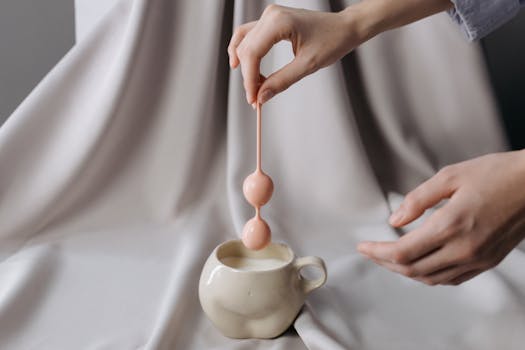
A kegels for beginners program is a structured, step-by-step way to practice pelvic floor muscle exercises. If you’re new to pelvic floor training, the main goal is simple: learn how to correctly find the right muscles, then practice them in a way that feels manageable and safe.
People usually start Kegels for reasons like mild bladder leakage, pelvic pressure, postpartum recovery, or general support for core and pelvic health. Even if your reason is different, the training process is similar: you’ll learn how to contract the pelvic floor, how to relax it, and how to build consistency over time.
For beginners, the most important thing is not “doing more.” It’s doing the right contractions, with good relaxation, and progressing gradually.
Meet the pelvic floor: simple terms you actually need
The pelvic floor is a group of muscles that form a supportive “hammock” inside your pelvis. They help with bladder and bowel control, sexual health, and stability for your trunk and hips.
When people say “Kegels,” they usually mean two types of muscle work:
- Quick contractions (sometimes called “fast” or “quick flicks”): short squeezes and releases.
- Longer holds (sometimes called “slow” or “holds”): steady squeezes you can maintain for a few seconds.
Two other terms matter a lot for beginners:
- Relaxation: fully letting the muscles go after you squeeze. This is just as important as the squeeze.
- Breath awareness: keeping breathing comfortable while you practice, rather than holding your breath.
If you remember only one idea, make it this: Kegels are about control, not tension all day.
How the program works in real life (what you’ll do day to day)

A beginner kegels program usually follows a simple progression. You start with easy contractions you can repeat without strain. Then you gradually increase the number of reps or the length of each hold as your control improves.
Most programs include:
- Learning the right muscles (so you’re training the pelvic floor, not your abs or glutes)
- A short routine you can repeat consistently
- Two training styles: holds and quick contractions
- Plenty of relaxation between reps
Many beginners benefit from using an external tool for feedback. For example, a pelvic floor trainer or biofeedback device can help you understand whether you’re squeezing and relaxing effectively. If you choose to use one, think of it as a guide—your body is still the main “instrument.”
Another option some people use is a vaginal or anal pelvic floor exercise device designed to make training more comfortable. These tools can be helpful for certain users, but they’re not required to start. A well-structured routine with correct muscle control is the foundation.
What the muscles should feel like when you’re doing it right
It’s normal to wonder whether you’re doing Kegels correctly. The pelvic floor can feel subtle at first, especially if you’re used to tightening your stomach or butt instead.
When you’re doing a correct pelvic floor contraction, many people describe it as:
- A gentle lifting sensation inside the pelvis
- A feeling of “closing” or drawing inward
- Less pressure downward, especially when you relax
If you notice you’re clenching your glutes, tensing your thighs, or bracing your belly hard, that’s a sign you may be using the wrong muscles. The goal is a pelvic floor effort that feels controlled and focused.
Also pay attention to relaxation. After a squeeze, your pelvic floor should feel like it returns to baseline. If it feels stuck, tight, or uncomfortable, you may need to reduce intensity and focus on releasing more fully.
Common beginner mistakes and misunderstandings
Most problems beginners run into are not about effort—they’re about technique, timing, or tension. Here are the most common issues.
Squeezing too hard or too long
Beginners often assume stronger is better. In pelvic floor training, that can backfire. If you squeeze with maximum effort or hold longer than you can control, you may create unnecessary tension.
Instead, aim for a moderate effort you can maintain with clean form. You want quality contractions, not strain.
Forgetting to relax
Some people accidentally turn Kegels into constant tightening. Remember: each contraction should be followed by full relaxation. Relaxation helps your pelvic floor learn to switch on and off.
If you’re not sure you’re relaxing, slow down and use fewer reps. You should feel a clear “squeeze, then release.”
Holding your breath
Breath holding can make Kegels feel harder and can shift pressure upward instead of staying stable. Try to breathe normally. Many beginners find it easiest to contract on an exhale and relax on an inhale.
Using your belly, thighs, or glutes instead
This is one of the biggest technique issues. If your stomach is tightening strongly, or your butt is clenching, you may not be training the intended muscles.
A simple check: keep your body still and practice in a relaxed position. If you feel the effort mainly in your glutes or abs, reduce intensity and refocus.
Doing Kegels only when you “feel symptoms”
Pelvic floor control improves with practice, not only during urgent moments. A beginner program works best when you train regularly—even when you feel fine.
Consistency matters more than sporadic, intense sessions.
Trying to “test” by stopping your urine every time
Some people are taught to identify the pelvic floor by stopping the flow of urine. While it may help you notice muscle involvement, doing it repeatedly is not a good training habit. It can irritate the bladder and create inconsistent learning.
Better approach: practice gentle contractions during normal daily life, and if you need guidance, consider professional support or a feedback tool.
Skipping comfort checks
If you feel pain, burning, sharp discomfort, or increased pelvic pressure, stop and reassess. Kegel training should feel challenging at times, but it should not cause pain.
If symptoms worsen or you have concerns, it’s a good idea to speak with a pelvic floor specialist.
Getting started: a beginner-friendly routine you can repeat
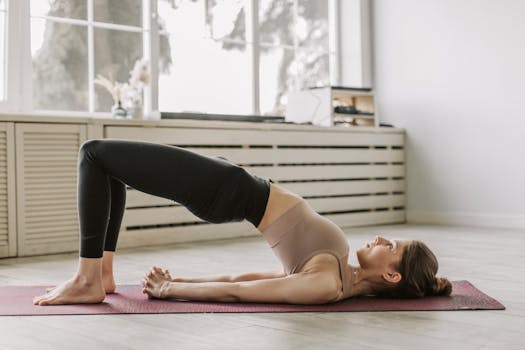
This section gives simple, first-time guidance. Adjust based on comfort and your own body’s response.
Step 1: Pick a comfortable position
For your first week, choose a position that helps you relax:
- Lie on your back with knees bent
- Or sit with your back supported and feet flat
When you’re learning, it helps to reduce movement so you can focus on the pelvic floor.
Step 2: Find the contraction without straining
Start with a gentle, controlled squeeze as if you’re trying to stop gas or lightly lift inside the pelvis. Keep your belly and butt relaxed.
You should feel a subtle inward “turning on,” not a strong clench.
Step 3: Use a simple beginner set (holds first)
Try this for day one through a few days:
- Hold a gentle contraction for about 2 seconds
- Relax fully for about 4 seconds
- Repeat 5 times
Do this once per day at first. If that feels easy, you can build gradually.
Step 4: Add quick contractions once holds feel steady
When your holds feel controlled (you can squeeze and release without tension), add quick contractions:
- Do 1 quick squeeze (about 1 second)
- Relax for 1–2 seconds
- Repeat 5 times
Keep the effort gentle. The point is coordination, not maximum strength.
Step 5: Progress slowly over 2–4 weeks
A typical beginner progression looks like this:
- Week 1: 5 holds + 5 quicks once daily (gentle effort)
- Week 2: increase to 6–8 holds and 6–8 quicks once daily
- Week 3: increase to 8–10 holds and 8–10 quicks once daily
- Week 4: maintain and focus on clean relaxation; you can add a second short session if comfortable
Some people progress faster; others need more time. If your pelvic floor feels tired, tight, or irritated, scale back and focus on relaxation and comfort.
Step 6: Practice in everyday moments
Once you can contract and relax on command, you can practice during daily activities. For example:
- Before you cough or sneeze
- Before lifting something light
- While sitting and breathing normally
This helps your pelvic floor learn to respond when you need it, not only during exercise time.
Using support tools without getting overwhelmed
Some beginners like extra guidance. That’s understandable—pelvic floor training can be hard to “feel” at first. If you decide to use a pelvic floor trainer, biofeedback device, or a comfortable pelvic exercise tool, treat it as a learning aid.
Here are a few simple ways to use tools thoughtfully:
- Start with short sessions so your body isn’t overstimulated
- Use the tool to confirm form, not to push harder than you can control
- Stop if you feel pain or discomfort
- Keep your practice focused on relaxation
If a tool suggests you’re contracting strongly, but you feel tense in your belly or glutes, you may still be using the wrong muscles. The best tool is the one that helps you learn correct control.
Safety notes for beginners (when to pause and get help)
Most people can learn Kegels safely with good technique and gradual progression. Still, there are times when you should slow down or seek guidance.
Pause and get professional advice if you have:
- Pain during contractions or afterward
- Burning, significant irritation, or new pelvic discomfort
- Symptoms that worsen instead of improving
- Major postpartum complications or complicated recovery
- Signs of pelvic floor over-tension (feeling constantly tight, difficult relaxation)
In some cases, pelvic floor training needs a different approach than “more squeezing.” A pelvic floor specialist can help you confirm whether strengthening, relaxation work, or a mixed plan is the best fit.
How to track progress without making it stressful
Progress doesn’t always feel dramatic at first. Many beginners notice small changes in control and confidence over time.
Consider tracking a few simple markers:
- Can you contract and relax smoothly without clenching other muscles?
- Do you feel more control during everyday moments like coughing?
- Are symptoms like leakage, pressure, or urgency trending better over weeks?
If you don’t notice change after several weeks, it doesn’t mean you failed. It often means you need form adjustments, a different pace, or support to find the right muscle pattern.
For many people, the “win” early on is learning control and relaxation. That sets the stage for stronger, more reliable pelvic floor function later.
10.05.2026. 00:42