

Pelvic Floor Relaxation vs Kegels: What’s the Real Difference?

Pelvic floor relaxation vs kegels: why the distinction matters
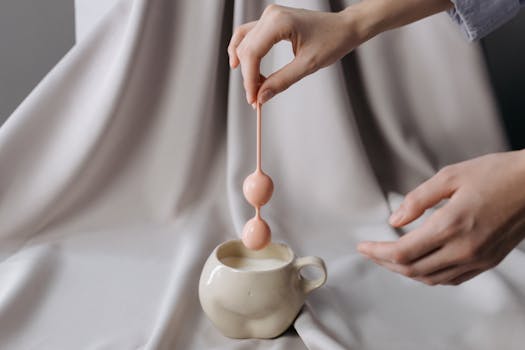
Pelvic floor exercises are often discussed as if the solution to most pelvic symptoms is to “tighten more.” But the pelvic floor is not a single on/off muscle group. It coordinates with breathing, posture, nerve signaling, and the way your body responds to pressure, pain, and stress. For many people, the most important work is not strengthening—it's learning to relax, lengthen, and regulate the pelvic floor so it can function normally.
This is where the question pelvic floor relaxation vs kegels becomes essential. Kegels can be helpful for certain types of weakness or endurance problems. Pelvic floor relaxation can be critical when symptoms stem from overactivity, guarding, or difficulty letting go. In myth-busting terms: doing Kegels when you actually need relaxation can reinforce tension, perpetuate pain, and worsen urinary urgency or discomfort. Conversely, relying only on relaxation when there is true weakness can leave symptoms unresolved.
Below is an evidence-informed, practical guide to how these approaches differ, what they’re for, and how to decide what your body may need—without guessing blindly.
What Kegels are designed to do (and what they don’t)
Kegels typically refer to voluntary pelvic floor contractions—often taught as repeated squeezes held for a set time, followed by rest. The goal is to improve strength, endurance, and coordination of the pelvic floor muscles so they can better support the bladder, bowel, and pelvic organs and help control leakage or improve stability during movement.
When Kegels are appropriate, the pelvic floor can usually contract effectively and then fully release afterward. People may notice benefit in situations such as stress urinary incontinence (leakage with coughing, sneezing, or exertion) or reduced pelvic support after childbirth or with certain aging-related changes.
However, Kegels are not designed to treat a pelvic floor that is already overactive. If your pelvic floor muscles are chronically tense, trying to “train them harder” can be like strengthening a muscle that is already in protective spasm. In that scenario, the symptom pattern often includes:
- Pelvic pain or pressure that may worsen with attempts to contract
- Urinary urgency, frequency, or a sensation of incomplete emptying
- Pain with sex or tampon insertion
- Constipation or difficulty relaxing to pass stool
- Symptoms that fluctuate with stress and improve with relaxation techniques
Another common misconception is that “more reps” automatically means better outcomes. Pelvic floor rehabilitation is more nuanced. Overtraining can fatigue the muscles, increase guarding, and make it harder to coordinate normal release during urination or bowel movements.
What pelvic floor relaxation actually means
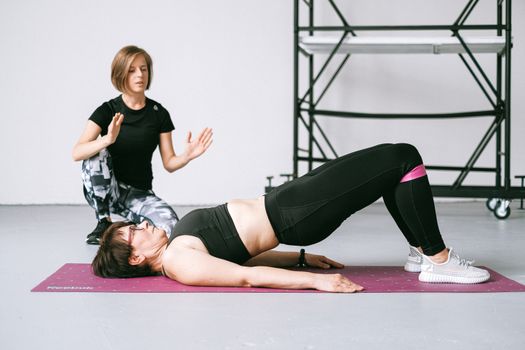
Pelvic floor relaxation is not “doing nothing.” It’s a set of skills that helps the pelvic floor lengthen, drop, and coordinate with breathing and abdominal pressure. The pelvic floor’s job includes both contraction and relaxation. If relaxation is impaired, the pelvic floor may act like a clamp rather than a supportive sling.
Relaxation work often includes:
- Down-training (reducing unnecessary pelvic floor tone)
- Breathing coordination so the pelvic floor responds to inhalation and intra-abdominal pressure changes
- Pelvic drop awareness (learning to allow gentle lengthening rather than clenching)
- Relaxation during functional tasks like standing, walking, coughing, or toileting
- Manual techniques (when guided by a qualified clinician) to address trigger points or muscle guarding
In people with pelvic floor overactivity, relaxation is often the missing piece. The aim is to restore normal timing: you should be able to relax when you urinate, have a bowel movement, or sit comfortably—without the pelvic floor “holding” tension that contributes to pain or urgency.
Pelvic floor relaxation can be especially relevant for conditions such as pelvic pain syndromes, dyspareunia, and some cases of urinary urgency or constipation where symptoms are driven by tension rather than weakness.
How to tell whether you likely need relaxation or strengthening
It’s not possible to diagnose from symptoms alone, but patterns can help you avoid common mistakes. Think of pelvic floor dysfunction as falling somewhere along a spectrum: underactive/weak (often helped by strengthening) versus overactive/guarded (often helped by relaxation). Many people experience a mix, but one side is often dominant.
Clues that relaxation may be the priority
- Difficulty fully releasing after a contraction attempt
- Symptoms triggered by stress or that improve with heat, rest, or gentle stretching
- Pain or burning sensations that increase with pelvic floor engagement
- Urinary urgency with low volume or frequent urges that feel hard to “turn off”
- Constipation or straining where the body resists “letting go”
- Painful penetration or fear/avoidance that reinforces guarding
In these cases, Kegels may add additional contraction demands on a system that is already sensitized. Relaxation strategies often reduce the baseline tone and improve the ability to coordinate normal flow during toileting.
Clues that strengthening may be the priority
- Leakage with exertion (coughing, laughing, jumping)
- Weak pelvic support sensations, heaviness, or bulging that worsens with activity
- Inability to generate a meaningful contraction (especially after childbirth)
- Urinary leakage that is more mechanical than painful
- Symptoms that improve when you focus on gentle, controlled contraction and timing
Strengthening is not only about “squeezing.” Effective pelvic floor training includes correct coordination and adequate rest between contractions. When strengthening is appropriate, the pelvic floor should still be able to relax fully.
The myth: “Kegels fix everything”
The idea that Kegels are universally beneficial is a common oversimplification. Pelvic floor symptoms can originate from muscle tone, nerve sensitivity, connective tissue changes, bladder and bowel function, hormonal factors, and behavioral patterns. If the underlying issue is hypertonicity (overactivity) or guarding, simply adding more contractions can maintain the cycle of tension and discomfort.
Consider how the pelvic floor functions during urination. The pelvic floor must coordinate with abdominal pressure and bladder signals to allow smooth emptying. If you train the pelvic floor to contract more often or more intensely than your body needs, you may inadvertently interfere with that coordination.
Another myth is that relaxation means you should avoid pelvic floor engagement entirely. In reality, relaxation and strengthening are not opposites—they are complementary. The pelvic floor needs both skills: the ability to lift and the ability to soften.
The myth: “Relaxation means no effort or no training”
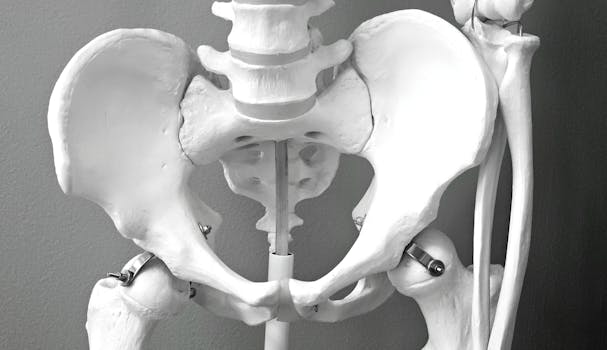
Relaxation is also misunderstood. People sometimes assume pelvic floor relaxation is passive, like lying down and waiting for symptoms to fade. But relaxation training is a skill that requires attention, repetition, and progressions. Without practice, many people cannot reliably down-train because they’ve been clenching for months or years.
Relaxation work can involve active learning: recognizing what “too tight” feels like, identifying triggers (like breath-holding or bracing), and practicing a safe, gentle pelvic drop or lengthening response. Over time, the nervous system becomes more comfortable with letting go.
In many cases, the best outcomes come from a structured plan that includes both relaxation and strengthening, but in a specific order—often starting with down-training if overactivity is present.
When relaxation and Kegels should be combined (and when they shouldn’t)
Because many people have mixed dysfunction, the most effective approach is not always “either/or.” The key is sequencing and dosage. If you start with aggressive Kegels when your pelvic floor is already tense, you may increase symptoms. If you only focus on relaxation when there is true weakness, you may not restore adequate support or continence.
Common scenarios where sequencing matters
- Overactivity first: If pain, urgency, or guarding is prominent, clinicians often begin with relaxation and coordination before adding strengthening.
- Strength first: If leakage is the primary issue and pain is minimal, strengthening may be introduced earlier, with relaxation built into the rest intervals and toileting mechanics.
- Alternating skills: Some people do better alternating gentle “lift” with immediate release to practice full range of motion rather than only holding tight.
Practically, this means your exercises should include time for the pelvic floor to return to baseline. A contraction without a true release is not training—it’s reinforcement of tension.
Practical guidance: what to do if you’re unsure
If you’re caught between pelvic floor relaxation vs kegels, you can reduce risk by focusing on safe, low-intensity strategies while you evaluate your response. The goal is to avoid pushing through symptoms.
Start with coordination and symptom monitoring
- Practice breathing first: Use diaphragmatic breathing and notice whether your pelvic floor naturally softens on the inhale.
- Try gentle pelvic floor “drop” awareness: Imagine the pelvic floor lengthening downward while you exhale. Keep it subtle—no straining.
- Observe symptom response: If urgency, pain, or pressure increases after pelvic floor engagement, that’s a signal to reduce intensity and prioritize relaxation.
- Avoid breath-holding and hard bracing: These patterns often increase pelvic floor tone.
For many people, a few weeks of down-training and coordination can clarify whether the pelvic floor is overactive. If symptoms clearly worsen with any contraction-focused work, that’s strong evidence to pivot toward relaxation and seek specialized guidance.
Use a “less is more” approach to Kegels
If you do attempt Kegels, keep them gentle and emphasize full release. A common error is to hold contractions too long or to squeeze repeatedly without rest. Instead:
- Use short, controlled contractions
- Allow a full rest period where you feel the pelvic floor soften
- Stop if pain, burning, or increased urgency develops
In pelvic floor rehabilitation, quality and timing matter more than maximal effort.
Consider clinician guidance when symptoms are persistent or painful
Pelvic floor physical therapists and other qualified clinicians can assess muscle tone, coordination, and trigger points. This matters because the same symptom—like urinary urgency—can have different drivers. A clinician can help differentiate whether the priority is down-training, strengthening, bladder strategies, or a combination.
For people who experience pain with penetration, pelvic floor relaxation techniques may include guided manual therapy or specific desensitization strategies. In those cases, self-directed Kegels can be counterproductive.
Common exercise mistakes that blur relaxation and Kegels
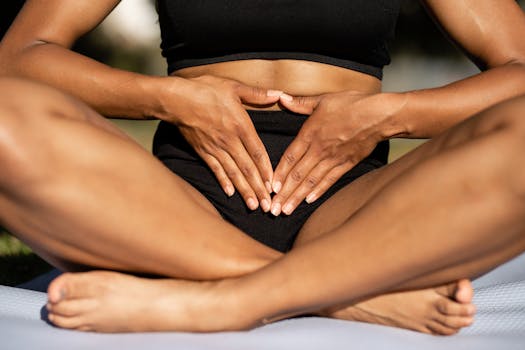
Some mistakes are easy to make because the body often “fills the gap” with compensation. These errors can mask whether you’re effectively relaxing or simply changing the pattern of tension.
- Holding your breath: This often increases pelvic floor tone and makes relaxation harder.
- Clenching the glutes or abdomen: You may feel “pelvic work” but the tension is elsewhere.
- Trying to relax by pushing: If you bear down hard, you can increase pressure instead of teaching muscle softening.
- Overcorrecting: Some people swing from Kegels to extreme “no engagement,” which can worsen coordination.
- Exercising through pain: Discomfort is not the goal. Pain or symptom flares are information.
A good plan trains the pelvic floor through its full range—gentle contraction when needed and reliable relaxation when needed.
Related tools and modalities that may support relaxation or coordination
While exercise is central, other approaches can help the nervous system learn to down-regulate. These are not replacements for targeted training, but they can complement it depending on the person and the symptom source.
- Heat therapy: Warmth can reduce protective guarding for some people, making relaxation practice easier.
- Breathing and mobility work: Diaphragmatic breathing, hip mobility, and gentle stretching can support pelvic mechanics.
- Biofeedback: In some settings, biofeedback helps people learn whether the pelvic floor is actually relaxing versus substituting with other muscles.
- Vaginal dilators or graded exposure (when appropriate): For pain with penetration, graded approaches guided by clinicians can support relaxation and desensitization. The key is that the approach should emphasize comfort and symptom response rather than forcing intensity.
Some people also encounter “pelvic floor trainers” or devices online. The effectiveness varies widely depending on the device, the person’s diagnosis, and the training protocol. If you’re unsure, the safest path is to use modalities that support your specific symptom pattern and are aligned with professional assessment.
Prevention and long-term pelvic health: what to aim for
Whether you’re focusing on pelvic floor relaxation or Kegels, the long-term goal is the same: a pelvic floor that can coordinate properly. That means:
- Reliable relaxation during toileting, rest, and intimacy
- Functional strength for coughing, lifting, and daily movement
- Good breathing mechanics without constant bracing
- Stress-aware regulation so tension doesn’t become the default
If symptoms persist, change, or include pain, it’s reasonable to seek assessment rather than continuing a single approach. Pelvic floor therapy is often most effective when it’s individualized—especially when overactivity and weakness coexist.
In the context of pelvic floor relaxation vs kegels, the prevention message is simple: train the right skill at the right time. Your pelvic floor should not only be strong; it should also be able to let go.
FAQ: Pelvic floor relaxation vs Kegels

Is it possible to do Kegels and still have tight pelvic floor muscles?
Yes. Many people with pelvic pain or urgency have difficulty relaxing even if they can contract. Kegels can become a pattern of repeated clenching, especially if you don’t practice full release afterward.
How do I know if I should focus on relaxation instead of strengthening?
If contractions increase pain, pressure, or urinary urgency, or if you struggle to fully release after attempting a contraction, relaxation/down-training is often the priority. A pelvic floor assessment can confirm this.
Can relaxation exercises help urinary urgency?
They can, particularly when urgency is driven by pelvic floor overactivity or guarding. Relaxation improves the ability to coordinate pelvic floor softening with normal bladder function.
Can pelvic floor relaxation worsen leakage?
If weakness is the main issue, relying only on relaxation may not address continence needs. Many people do best with a plan that includes both relaxation and strengthening, sequenced appropriately.
Should I stop Kegels if I feel discomfort?
Pain or symptom flares are a sign to stop and reassess. Mild effort sensation can be normal when learning, but pelvic pain, burning, or increased urgency is not something to push through.
Do I need a pelvic floor physical therapist to choose between relaxation and Kegels?
Not always, but it’s strongly helpful when symptoms are persistent, painful, or complex. A clinician can evaluate muscle tone, coordination, and contributing factors to guide the most effective approach.
18.04.2026. 12:02