

Breathwork After Sex: Myths, Benefits, and Safe Practices

Why breathwork after sex is talked about—and why myths spread

After sex, many people feel a wave of relaxation, but others notice lingering sensations: tightness in the chest, restlessness, dizziness, emotional intensity, or simply a “wired but tired” feeling. It’s common to look for a quick tool to help the body downshift. That’s where the idea of breathwork after sex comes in.
Unfortunately, online advice often mixes real physiology with oversimplified claims. Some say breathwork can “detox” the body, “pull back energy,” or prevent sexual health issues. Others warn that breathing exercises are dangerous or that you must do them immediately after orgasm.
This myth-busting guide explains what breathwork can realistically do, what it can’t, and how to practice safely for recovery and nervous system regulation.
Myth: Breathwork “detoxes” the body after sex
There’s no medical basis for the idea that breathwork removes toxins released during sex. Your liver, kidneys, lungs, and digestive system handle detoxification continuously, regardless of sexual activity.
What breathwork may influence is your autonomic nervous system—the system that governs “rest and digest” versus “fight or flight.” Sex can shift your body toward arousal and sympathetic activation (especially with higher intensity, longer sessions, or stress). Breathwork can support a return toward parasympathetic activity, which may feel like calm, warmth, or sleepiness.
In short: breathwork is not a detox protocol. It’s a nervous system and breathing regulation practice.
Myth: You must do breathwork immediately after orgasm
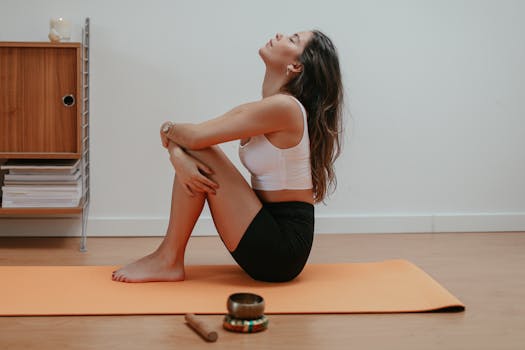
Timing is less strict than many posts suggest. Your body doesn’t require a specific minute-by-minute routine to “close the loop.” If you feel comfortable, you can wait until the immediate arousal phase passes—often within minutes—then choose a gentle practice.
For some people, immediate deep breathing can feel activating rather than soothing. If you’re already relaxed, a short period of natural breathing, light stretching, or simply lying down may be enough.
A practical guideline: start when your breathing feels steady and you can exhale comfortably, not when you’re gasping or emotionally flooded.
What breathwork after sex can actually help with
When done gently and safely, breathwork can support several realistic outcomes:
- Nervous system downshift: Slower breathing and longer exhales can help reduce sympathetic arousal.
- Stress release: Many people hold tension in the jaw, chest, pelvic floor, or belly. Breathing can help these areas soften.
- Body awareness and grounding: Conscious breathing can interrupt loops of overthinking or post-encounter spiraling.
- Improved comfort: If you feel breathy, shaky, or slightly lightheaded, calm breathing may help you return to baseline.
- Emotional regulation: Breathwork can provide a steady anchor when emotions are intense or lingering.
These benefits are not magic. They are consistent with how breathing influences heart rate variability, CO2 balance, and stress signaling pathways.
Understanding the physiology: why breathing changes after sexual arousal
Sex activates multiple systems: heart rate increases, muscle tone changes, and breathing may become faster or more shallow. Orgasm can add a surge of sensation and then a shift toward relaxation. But the pattern varies—especially with anxiety, pain, breath-holding, or high-intensity arousal.
Breathing practices work by changing the balance of:
- Breath rate: Slower breathing often signals safety to the body.
- Exhale length: A longer exhale is commonly associated with parasympathetic activation.
- Breath depth: Too much depth can trigger dizziness for some people.
- Breath holding: Holding can be useful in some traditions, but it can also increase discomfort if you’re already lightheaded.
Because bodies differ, the “best” breathwork after sex is the one that helps you feel calmer and more comfortable, not one that pushes you into strain.
How to practice breathwork after sex safely (a simple, recovery-focused approach)

If you want a practical routine that fits most people, aim for gentle, comfortable breathing—especially if you’re new.
Step 1: Check in with your body
Before you start, notice:
- Are you dizzy, nauseated, or short of breath?
- Do you feel chest tightness or panic-like sensations?
- Is your pelvic floor tense or clenched?
If any of these are prominent, choose a calmer approach (or skip breathwork and try grounding instead).
Step 2: Use “longer exhale” breathing
This is a common, low-risk method to support downshifting:
- Inhale through the nose for a comfortable count (for example, 3–4).
- Exhale slowly for a longer count (for example, 5–6).
- Keep the inhale and exhale smooth—no forcing.
Try 3–8 minutes. If you feel better sooner, stop. If you feel worse, return to normal breathing.
Step 3: Relax the body as you breathe
Breathing is more effective when paired with release:
- Unclench your jaw and soften your tongue.
- Let shoulders drop.
- Allow the belly to move naturally with breath.
If you want to include pelvic awareness, do it gently—avoid intense “clenching” or breath holds that create strain.
Step 4: End with a brief integration
After your breathing session, take 30–60 seconds to notice your baseline: warmth, calm, sleepiness, or emotional steadiness. Integration matters because it trains your nervous system to associate this post-sex period with safety.
Myth: Breathwork prevents sexual dysfunction or “fixes” pain
Some online claims suggest breathwork can automatically correct issues like erectile problems, vaginal discomfort, delayed orgasm, or persistent pelvic pain. Breathwork can support relaxation and reduce stress, which may improve comfort for some people.
But it is not a substitute for medical evaluation when pain, bleeding, numbness, or persistent symptoms occur. If you experience:
- pain during sex that keeps returning
- burning, numbness, or unusual discharge
- pelvic pain that persists beyond the encounter
- significant anxiety or panic triggered by intimacy
…consider speaking with a qualified clinician (and, when relevant, a pelvic health specialist). Breathwork can be supportive alongside appropriate care, not a stand-alone solution.
Myth: Any deep breathing is good after sex
Deep breathing isn’t always calming. In some people, large breaths can increase awareness of bodily sensations, trigger hyperventilation patterns, or cause lightheadedness—especially if you’re already emotionally activated.
A helpful rule: aim for comfortable breathing. If you feel tingling in the hands, dizziness, or a “too much air” sensation, reduce intensity. Return to normal pace and prioritize longer, slower exhales.
What to avoid after sex: common breathwork mistakes
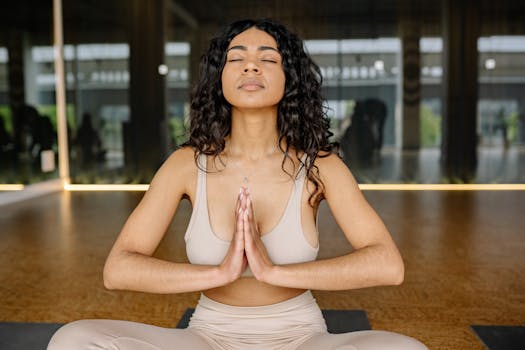
To keep breathwork after sex safe and actually helpful, avoid these common pitfalls:
- Breath holding to exhaustion: Can increase discomfort and dizziness.
- Forcing big inhales: May contribute to hyperventilation feelings.
- “Pushing through” anxiety: If panic rises, stop and ground instead.
- Complex techniques when you’re dysregulated: If you’re teary, stressed, or shaky, keep it simple.
- Ignoring pain: Breathwork should not replace assessment for persistent discomfort.
Breathwork should feel like support, not a test.
When breathwork might be especially useful
Breathwork can be particularly supportive when sex leaves you with an unusual nervous system state. People often find it helpful when they experience:
- Post-intimacy anxiety: racing thoughts, difficulty winding down.
- Emotional intensity: crying, overwhelm, or difficulty returning to baseline.
- Shakiness or breathlessness: especially if you held your breath during arousal.
- Muscle tension: chest tightness, jaw clenching, or pelvic floor guarding.
In these cases, gentle longer-exhale breathing plus relaxation cues often works better than intense protocols.
Relevant tools and practices: what can support (without overcomplicating)
Breathwork doesn’t require special equipment, but some people benefit from structured guidance. A few common, non-medical supports:
- Guided breathing audio: Helps maintain pace and prevents accidental over-breathing.
- Mindful grounding: Softly feeling feet on the floor, noticing contact points, or using slow exhale counts.
- Gentle bodywork: Light stretching or relaxing the belly and hips can complement breathing.
If you use apps or audio, choose ones that emphasize gentle, safe breathing rather than aggressive breath-holding or rapid hyperventilation styles.
Prevention guidance: setting up a smoother recovery after sex
You can reduce the need for “recovery breathwork” by adjusting the conditions around sex:
- Prioritize comfort: If you tend to hold your breath, practice relaxed breathing during intimacy.
- Use pacing: If sessions are intense, gradual arousal and breaks can lower sympathetic overload.
- Address stress beforehand: Even a short grounding practice before intimacy can change how you land afterward.
- Communicate: Discuss what feels calming or destabilizing during sex, including breathing preferences.
- Hydrate and rest: Basic recovery matters; breathwork is one layer, not the whole plan.
When you treat the post-sex period as recovery rather than a performance moment, your body often regulates more smoothly on its own.
Summary: breathwork after sex is a nervous system support—not a cure-all
Breathwork after sex is best understood as a gentle way to help your body return to baseline. It can support nervous system downshifting, reduce tension, and improve emotional regulation. It does not detox the body, and it cannot reliably prevent or “fix” sexual dysfunction or pain by itself.
For most people, the safest approach is simple: comfortable breathing with a longer exhale, paired with relaxation cues, for a short window after sex. Avoid breath holds to exhaustion and stop if you feel dizzy, panicky, or worse. If pain or persistent symptoms are present, seek appropriate medical or pelvic health guidance.
FAQ
Is breathwork after sex safe for everyone?
Gentle breathing is usually safe for healthy adults, but it isn’t right for everyone. If you have a history of panic attacks, significant dizziness with breathing exercises, or a medical condition that affects breathing, keep it very gentle or consult a clinician. Stop if symptoms worsen.
What’s the best breathwork style after sex for beginners?
A simple longer-exhale breathing practice is a good starting point. Inhale comfortably (e.g., 3–4), exhale slowly for longer (e.g., 5–6) for a few minutes, while relaxing the jaw, shoulders, and belly.
Can breathwork help if I feel anxious after intimacy?
Often, yes. Slower breathing and longer exhales can help your nervous system downshift. Pair it with grounding—feeling your body supported by the bed or floor—so your attention returns to safety rather than spiraling thoughts.
Does breathwork improve orgasm or sexual performance?
Breathwork may improve comfort, relaxation, and body awareness, which can indirectly affect experience. However, it’s not a guaranteed performance enhancer, and it won’t replace addressing pain, trauma-related responses, or medical concerns.
What should I avoid doing right after sex?
Avoid intense breath holds, forced deep inhalations, and rapid breathing patterns—especially if you feel lightheaded or emotionally activated. Choose gentle breathing that leaves you calmer, not strained.
When should I seek professional help instead of relying on breathwork?
If you experience recurring pain, bleeding, numbness, or persistent pelvic discomfort; or if anxiety/panic around sex is severe or ongoing, professional support is important. Breathwork can be a helpful supplement alongside appropriate care.
07.03.2026. 07:53