

CGM After Sex Glucose: What to Expect and How to Interpret It

Why glucose can change after sex
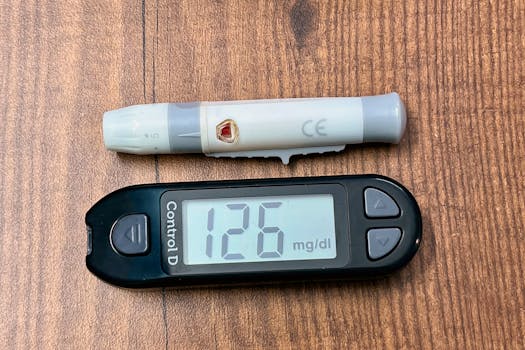
Sex is a form of physical activity that can influence blood sugar through multiple pathways: muscle contraction, stress-hormone release, changes in breathing and heart rate, and the way your body regulates insulin and stored fuel. For people using continuous glucose monitoring (CGM), these shifts can show up as a rise, a dip, or a more complex pattern in the hours after sex.
The phrase CGM after sex glucose is often used to describe what happens on CGM readings following intimacy—especially whether glucose spikes are expected, how long they last, and when they might signal something worth discussing with a clinician. The key point is that there isn’t one universal curve. The pattern depends on intensity, duration, baseline glucose control, meal timing, sleep quality, training status, and stress level.
This article explains the physiology behind CGM changes after sex, how to interpret common patterns, and what practical steps can help you understand your own readings without overreacting to normal variability.
How sex affects glucose physiology
To interpret CGM after sex glucose trends, it helps to understand what drives glucose movement in the bloodstream. Glucose regulation is dynamic, and the body responds to both the “activity” component and the “state” component (arousal, stress, relaxation, and recovery).
Muscle activity and fuel use
During sexual activity, skeletal muscles contract repeatedly. Even if the session doesn’t resemble a workout, muscle activity can increase glucose uptake through insulin-independent pathways. This can contribute to a glucose dip or a slower rise after the activity, especially if your baseline glucose is stable and you’re not extremely stressed.
Adrenaline, noradrenaline, and cortisol
Sex involves autonomic nervous system activation. Depending on the individual and context, the body may release catecholamines (like adrenaline) and stress hormones (like cortisol). These hormones can raise blood glucose by increasing hepatic glucose output and reducing insulin sensitivity. If this dominates, you may see a post-sex spike on CGM.
Insulin response and timing
If you recently ate, insulin levels may still be active. In that case, the body may handle glucose more effectively, blunting spikes. If you’re in a fasted state, the liver’s glucose release can become more prominent during stress or arousal, potentially increasing glucose readings.
Autonomic shifts after orgasm
Many people experience a transition from high arousal to relaxation after orgasm. This shift can change glucose regulation again—sometimes leading to a second-phase pattern: an initial rise followed by a gradual drop, or a delayed response several hours later.
Common CGM patterns after sex (and what they usually mean)
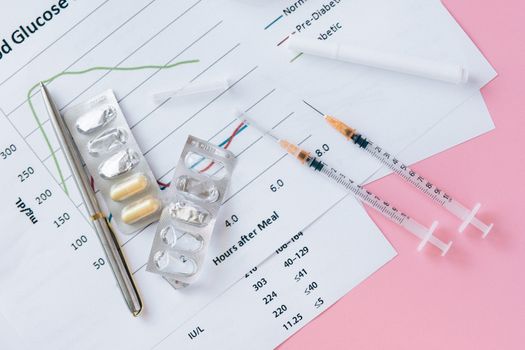
CGM readings after sex are best interpreted as patterns rather than single data points. Below are common trajectories people report, along with likely explanations.
Gradual rise that peaks within 1–2 hours
A modest rise shortly after sex can reflect stress-hormone influence and increased glucose availability. If the rise is small (relative to your typical day) and returns toward baseline within a few hours, it often represents normal physiology—especially if you were not perfectly fasted or if the session was intense.
Small spike then rapid decline
This pattern can occur when catecholamine-driven glucose release is followed by improved muscle glucose uptake and insulin action. It’s often compatible with a healthy response: glucose rises briefly, then falls as the body returns to a calmer state.
Immediate drop during or right after sex
A drop can happen if muscle uptake outpaces glucose release, particularly in people with strong insulin sensitivity or those who were already near their target range. It can also occur if you had prior insulin activity from a meal or medication (for example, insulin or certain diabetes therapies).
Delayed spike 2–4 hours later
A delayed rise may reflect the combination of stress hormones, post-activity hormonal changes, and meal-related digestion if sex occurred close to eating. Sometimes sleep disruption or late-night timing contributes to later glucose elevation.
Prolonged elevation into the next day
If glucose stays higher than usual for many hours, it may not be the sex itself. Consider other factors: what you ate beforehand, alcohol intake, dehydration, reduced activity later, poor sleep, or illness. For people with diabetes, medication timing and insulin dosing accuracy also matter.
What affects CGM after sex glucose the most
Sex is a variable activity. CGM patterns will differ based on several controllable and uncontrollable factors.
Meal timing and carbohydrate load
Glucose responds strongly to what you ate. Sex occurring after a higher-carbohydrate meal may show a larger rise simply because digestion is still underway. Conversely, sex soon after a balanced meal may produce a smaller change because insulin and glucose handling are already active.
Intensity, duration, and rest intervals
More intense or longer sessions generally increase muscle recruitment and cardiovascular load. Short, low-intensity activity may produce minimal changes, while prolonged sessions can produce more noticeable shifts. Rest intervals also matter: glucose may dip during active muscle work and then rise during rest if stress hormones remain elevated.
Stress level and emotional context
Even with similar physical activity, anxiety, fear of performance issues, or high sympathetic activation can drive glucose upward. A relaxed, comfortable context may tilt the response toward muscle uptake and stabilization.
Baseline glucose control
People with insulin resistance, prediabetes, or type 2 diabetes may experience larger spikes and slower return to baseline. People with type 1 diabetes or those using insulin may see more pronounced changes depending on dosing and timing.
Sleep and late-evening effects
Sex sometimes occurs close to bedtime. Sleep itself influences glucose regulation through hormones like cortisol and growth hormone. Poor sleep after an intense session can worsen next-day glucose patterns, sometimes making it seem like the rise was “from sex” when it’s partly from sleep disruption.
Alcohol and hydration status
Alcohol can alter glucose production and increase variability. Dehydration can also affect CGM readings and overall glucose regulation. If you notice inconsistent patterns, consider whether alcohol or hydration differed between sessions.
How to interpret your CGM data after intimacy
CGM is sensitive, but it’s not a crystal ball. A useful interpretation approach is to look at your typical range and the pattern relative to your normal day.
Use a consistent observation window
For meaningful comparison, track a similar time window each time. Many people find it helpful to review readings from about 1 hour before sex through 3–4 hours after (and sometimes later if the session is late). Consistency helps you separate sex effects from meal effects.
Compare to your baseline trend, not just a single number
Instead of focusing on the peak alone, consider how far your glucose deviates from your usual trajectory at that time of day. A rise of 20 mg/dL (1.1 mmol/L) at 2 a.m. might matter differently than the same rise at 6 p.m., depending on your baseline.
Look at rate of change (how fast it moved)
CGM spikes that rise quickly and fall quickly can be different from slow, sustained elevations. Rapid shifts may reflect autonomic changes and fuel mobilization, while slow changes may reflect digestion, reduced insulin activity, or sleep effects.
Account for CGM delay and sensor variability
Interstitial glucose lags behind blood glucose. This means the CGM curve may appear shifted compared with what your body is doing in real time. Also, sensors can have day-to-day variability. If your pattern is subtle, interpret it cautiously.
Watch for hypoglycemia risk if you use glucose-lowering medications
If you take insulin or medications that can lower glucose (such as sulfonylureas), sex-related activity can increase hypoglycemia risk. In those cases, it’s especially important to follow your clinician’s guidance and consider whether your typical “activity adjustments” apply to sexual activity. CGM can help you detect trends early, but it shouldn’t replace medical advice.
Practical guidance for stabilizing glucose around sex
Because responses vary, the goal is not to force a specific CGM outcome. Instead, you can reduce avoidable variability and better understand what helps your body recover.
Plan around meals when possible
If you commonly see large post-sex rises, try experimenting with timing. For example, if sex usually follows a heavy meal, consider testing whether sex later after the meal (when digestion is less active) produces a smaller glucose deviation. Similarly, if you tend to drop, avoid starting sex when you’re already low or trending down.
Consider intensity and pacing
For people who notice significant spikes, pacing may help. Shorter sessions, breaks, and gradual escalation can reduce extreme sympathetic activation and keep muscle uptake more steady. The same principle applies in reverse if you experience dips—ensuring you’re not already in a low state is often more important than “pushing through.”
Hydrate and avoid alcohol surprises
Hydration supports cardiovascular function and may help reduce CGM-related noise. If alcohol is involved, remember that it can increase glucose variability. Keeping alcohol intake consistent (or avoiding it for a few observation sessions) can clarify whether it’s driving your CGM changes.
Support recovery with sleep consistency
If sex happens late, protect sleep duration and quality. A consistent bedtime routine can reduce next-day glucose effects that might otherwise be incorrectly attributed to sex alone.
Use CGM insights to inform—not to punish
It’s common to feel anxious when you see a spike. Instead of trying to “chase” the number, focus on whether your glucose returns to your usual baseline and whether the pattern is repeatable. If you repeatedly see extreme highs or lows, that’s a sign to review the broader context (meal composition, medication timing, and overall glucose management plan).
When to consider discussing CGM after sex glucose with a clinician
Many CGM changes after sex are normal, but some patterns deserve medical input.
Frequent or severe hypoglycemia
If you notice lows that are recurrent after sex—particularly if you use insulin or glucose-lowering medications—talk with your healthcare team about activity-related dosing and safety planning.
Consistently large post-sex hyperglycemia
If your glucose repeatedly climbs far above your typical range and stays elevated longer than expected, it may indicate that the activity is interacting with insulin sensitivity, meal timing, or medication regimen. A clinician can help adjust strategies while considering your overall diabetes or metabolic health.
Symptoms that don’t match CGM trends
If you feel unwell—dizziness, faintness, chest discomfort, or severe fatigue—don’t rely on CGM patterns alone. Seek appropriate medical care based on symptoms.
CGM data that seems erratic or unreliable
Sensor issues can happen. If readings seem implausible or inconsistent across days, review sensor placement, calibration practices (if relevant to your CGM system), and confirm with fingerstick checks when advised by your clinician.
Prevention and recovery guidance that supports long-term metabolic health
Instead of treating sex as an isolated variable, view it as part of your overall recovery and metabolic routine.
Build a consistent daily glucose baseline
Regular meal timing, balanced carbohydrate intake, and consistent physical activity generally reduce glucose variability. When your baseline is steadier, the impact of sex on CGM becomes easier to interpret.
Use observation to learn your personal curve
Keep a simple log for a few weeks: time of day, approximate meal timing, session intensity, and CGM pattern (peak and return to baseline). Over time, you’ll learn what “normal” looks like for you.
Prioritize stress management
Because autonomic activation affects glucose, stress reduction can indirectly reduce post-sex variability. Techniques like breathing exercises, relaxation, or calming routines before intimacy may help some people—especially those who notice anxiety-driven spikes.
Choose recovery habits that match your schedule
Good sleep hygiene, hydration, and avoiding late-night high-carbohydrate meals can reduce next-day glucose changes. If you’re using a CGM, you can verify whether these habits reduce the after-sex variability you’re concerned about.
Summary: interpreting CGM after sex glucose responsibly
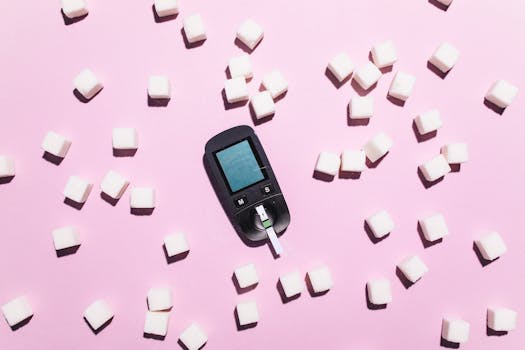
CGM after sex glucose changes are common because sexual activity triggers both muscle fuel use and autonomic stress responses. The direction and timing of glucose shifts—spike, dip, or delayed rise—depend heavily on meal timing, intensity, baseline insulin sensitivity, stress level, alcohol, hydration, and sleep.
The most useful approach is to interpret patterns relative to your baseline trend and to track repeatability across sessions. If you experience frequent severe lows or repeated large elevations that don’t return to your usual range, it’s worth discussing with a clinician, particularly if you use insulin or other glucose-lowering medications. With careful observation and consistent recovery habits, CGM can become a tool for learning your body’s response rather than a source of alarm.
30.03.2026. 04:07