

Ovulation Tracking Troubleshooting: BBT, LH Strips & Cervical Mucus

When your ovulation signals don’t line up
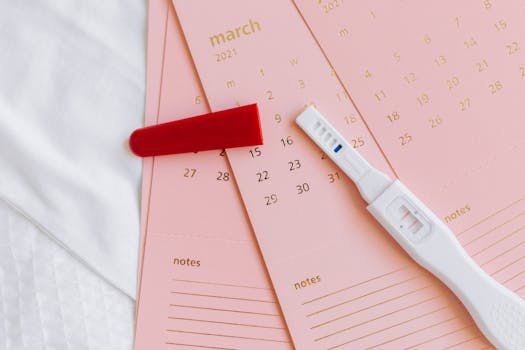
Ovulation tracking gets frustrating fast when your data contradicts itself. You might see a BBT rise that doesn’t match your LH strips, or your cervical mucus might look fertile but your tests stay negative. Sometimes the problem is your body. Often, it’s your method.
This troubleshooting guide helps you diagnose what’s going wrong and fix it step-by-step. You’ll learn how to handle the most common symptoms: confusing BBT charts, LH strips that never turn positive, cervical mucus that’s inconsistent, and “almost” patterns that don’t confirm ovulation.
If you’re using products like a basal body thermometer (including wearable options) and LH urine strips, the goal is the same: reduce noise, confirm timing, and avoid overreacting to one weird day.
Most likely causes behind mismatched BBT, LH strips, and cervical mucus
Before you change anything, check the most common culprits. The same issue can affect all three methods, but usually one signal is “off” first.
BBT issues
- Inconsistent wake time: BBT is sensitive to sleep timing. A 2–3 hour shift can blur the pattern.
- Temperature not taken before movement: Talking, sitting up, or brushing teeth first can raise readings.
- Low data quality: Some thermometers smooth readings too much or require specific technique. Cheap devices can drift.
- Fever, illness, alcohol, or poor sleep: These elevate temperatures even if ovulation hasn’t occurred.
- Ovulation timing variability: You may get a fertile mucus window before ovulation, then a delayed temperature shift.
LH strip issues
- Testing too late in the day: LH surges can be short. Many people miss the peak if they only test once daily.
- Over-dilution: Drinking lots of water right before testing can weaken the signal.
- Urine timing: Using the first morning urine is usually not the best plan for LH strips unless your instructions say so. Follow the kit’s guidance.
- Reading errors: Evaporation lines or faint positives can be misread. Timing matters.
- Testing frequency mismatch: If you only test every other day, you can miss the actual surge.
- Storage problems: Humidity or heat can degrade strips.
Cervical mucus issues
- Normal cycle variation: Some cycles have less mucus than you expect.
- Hydration and lubricants: Being well-hydrated can change mucus feel. Using fertility-friendly lubricants can mask observations.
- Exam timing: Checking at random times can make you think it’s inconsistent when it’s simply changing throughout the day.
- Post-sex effects: Semen and lubricant can alter the texture for 24–48 hours.
- Inconsistent observation technique: If you’re not consistent about how you check (and when), your notes won’t track well.
Step-by-step ovulation tracking troubleshooting process

Use this sequence. It’s designed to isolate whether the issue is your timing, your technique, or your device/kit.
Step 1: Confirm your cycle day tracking is correct
Write down:
- Day 1 = the first day of full flow (not spotting).
- Your usual cycle length (average of the last 3–6 cycles).
- The day you started LH strips and when you started BBT charting.
Practical example: If you mistakenly start counting at “spotting,” you may test too early for LH and too late for temperature confirmation. That alone can create a “LH negative but mucus fertile” pattern.
Step 2: Standardize your BBT routine for 7–10 days
For the next week, treat BBT like a measurement protocol, not a “check when you remember” task.
- Set an alarm for the same wake time within a 60-minute window.
- Take your temperature before getting out of bed.
- Keep lights low and avoid talking.
- Record illness, poor sleep, alcohol, and late nights. If you have a fever, you should expect a temperature rise that doesn’t necessarily indicate ovulation.
- If your thermometer uses a memory function, verify it’s actually saving the day’s reading.
If you’re using a basal thermometer like the TempDrop (wearable) or a standard digital basal thermometer, the key is consistent placement and device settings. Wearables often require correct fit and nightly charging/connection habits.
Step 3: Standardize LH strip timing and fluid intake
For the next cycle (or at least the next 5–7 days around your expected fertile window), follow a strict LH strip routine:
- Start testing about 5–6 days before you expect ovulation based on your cycle length.
- Test once daily if your surges are easy to catch, but switch to twice daily (e.g., late morning and late afternoon) if you keep missing peaks.
- Try to avoid peeing for at least 2–3 hours before testing (unless your kit says otherwise).
- Limit heavy fluids in the 1–2 hours before testing to avoid dilution.
- Read results at the exact time specified (often 5–10 minutes). Don’t interpret after the window because evaporation lines can appear.
If you’re using an LH strip brand such as Easy@Home or Wondfo, follow the specific reading window on your box. Many “false positives” and “false negatives” come from reading too early, too late, or after the test window.
Step 4: Observe cervical mucus using one consistent method
Pick one approach and repeat it the same way each day:
- Check at the same time daily (morning or evening).
- Use clean hands and note the texture: creamy, watery, sticky, slippery, stretchy.
- Record whether it’s increasing, not just what it looks like once.
- If you use lube, note it. Fertility-friendly lubricants can reduce the clarity of mucus observations.
Real-world scenario: You might think your mucus is “dry” because you’re checking after a long workday when you’ve been using a pantyliner or have residual product. Checking before applying anything and writing down texture changes can instantly make your notes align better with LH results.
Solutions from simplest fixes to more advanced fixes
Work through these in order. Don’t jump to device replacement until you’ve corrected timing and technique—those are the most common reasons for confusing ovulation tracking.
Fix #1: Correct your timing window (most common)
If LH strips are negative but mucus looks fertile, you may be starting too late or testing too infrequently. Move earlier and test more often.
- Start LH strips 5–6 days before expected ovulation.
- Test twice daily when you’re within your predicted fertile window.
- Keep BBT consistent even if your LH results look off.
Why this works: cervical mucus can become fertile before LH rises. If you only test once daily, you can miss the surge entirely.
Fix #2: Stop diluting LH tests
If LH strips are consistently very faint or never positive, adjust fluid habits.
- Avoid large water intake in the 60–120 minutes before testing.
- Try to test after a 2–3 hour urine hold.
- Don’t switch to a new testing time mid-cycle without adjusting your routine.
Note: If you have kidney issues or are on diuretics, LH test behavior can change. In that case, consider switching to a monitor system designed to reduce user variability.
Fix #3: Use the correct reading time for LH strips
Many people misread faint lines because they check too early or too late. Use a timer.
- Start the timer the moment the strip goes in.
- Read at the kit’s specified time (often 5–10 minutes).
- Discard tests read outside the window.
If your kit says “positive at the same color intensity or darker,” treat anything lighter as negative, even if it’s close. You can miss your true peak if you interpret “almost positive” as positive.
Fix #4: Remove “temperature noise” from your BBT chart
If you see random spikes or no clear rise, check your sleep and recording habits.
- Exclude days with fever or illness from your ovulation interpretation.
- If you wake up late by more than 60–90 minutes, treat that day as lower confidence.
- Keep the thermometer consistent—don’t switch between devices in the same cycle unless you’re testing for device differences.
Also, avoid taking BBT after restless sleep without noting it. If you know you were up frequently, you can’t expect the same clarity.
Fix #5: Improve cervical mucus accuracy by controlling variables
If mucus notes don’t match your LH or BBT, reduce interference.
- Avoid fertility lubricants when you’re trying to learn your baseline mucus pattern.
- Note sex and any products used; mucus can look different for 24–48 hours.
- Check at a consistent time each day.
You’re not trying to “force” mucus. You’re trying to observe it without masking it.
Fix #6: Check strip storage and kit integrity
If you’re getting repeated negatives despite correct timing, the strips may be degraded.
- Store strips in a cool, dry place.
- Keep the container tightly closed.
- Don’t use strips past their expiration date.
- If you suspect moisture exposure, replace the batch and compare results over 2–3 fertile days.
Humidity can weaken reactions. Even “good” technique won’t fix a compromised kit.
Fix #7: Calibrate or replace your basal thermometer method
If your BBT chart never shows a consistent shift, verify your measurement approach.
- If you use a traditional basal thermometer, confirm it’s reading correctly and not stuck on a prior value.
- Replace batteries if your device is battery-powered and readings look unstable.
- For wearables, confirm the sensor placement and fit. A loose fit can create drift.
Many people start with a standard thermometer and later upgrade to a wearable basal device like TempDrop because it reduces the “alarm and sit up” variability. If your technique is already consistent, a device upgrade can still help—but only after you’ve standardized the routine.
Fix #8: Upgrade to a more guided ovulation system (when user variability is the issue)
If you keep missing LH peaks or your BBT routine is hard to maintain, consider a monitor that automates interpretation. Look for systems that:
- Use multiple hormone signals or repeat testing within a guided framework.
- Provide clear “peak” and “ovulation likely” guidance.
- Reduce the need to read faint lines.
This is especially helpful if you work shifts, travel, or have an irregular sleep schedule. You’ll still track cervical mucus if you want, but the monitor can anchor timing more reliably.
How to interpret the most common troubleshooting patterns
Your goal isn’t to “get a positive test.” It’s to confirm ovulation timing. Here’s how to troubleshoot the patterns you’re most likely seeing.
LH positive but BBT doesn’t rise
- Most likely cause: ovulation didn’t occur after the LH surge (possible but not always).
- Less likely cause: BBT measurement noise (sleep shift, illness, inconsistent technique).
- What to do: tighten BBT routine for the next 3–5 days and continue tracking. A true post-ovulatory rise should persist for multiple days.
BBT rise but LH never turns positive
- Most likely cause: you missed the LH surge window (test frequency or timing).
- Less likely cause: diluted urine or degraded strips.
- What to do: in the next cycle, test twice daily in your fertile window and limit fluids beforehand. Also verify strip storage.
Cervical mucus is stretchy/slippery but LH stays negative
- Most likely cause: fertile mucus can appear before LH rises; you may be early or testing too infrequently.
- Less likely cause: hydration/lube masking or inconsistent mucus observation timing.
- What to do: start LH earlier (5–6 days before expected ovulation) and test twice daily when mucus becomes clearly fertile.
LH strips are faint for days
- Most likely cause: you’re approaching the surge but not hitting peak; or reading time is off; or urine is diluted.
- What to do: use a timer, adjust urine hold to 2–3 hours, and test twice daily until you see a clear peak.
When replacement or professional help is necessary
Most tracking problems are fixable at home. But there are times when replacement or medical guidance makes sense.
Replace or switch products if you see consistent device/kit failures
- Your LH strips never show any positive control behavior you can trust (for example, the line never changes even when you know you’re in a fertile window).
- BBT readings look erratic despite consistent technique for 7–14 days.
- Your thermometer shows improbable changes (e.g., huge jumps without any explanation) across consecutive days.
- You suspect strip degradation (moisture exposure, heat, or expired product).
Buyer-friendly approach: if you’re using an LH strip brand and the results are repeatedly unclear, try a new, sealed batch. If BBT technique is hard to maintain, consider a more consistent basal temperature device (wearable options can reduce timing errors).
Seek professional help if ovulation signals remain persistently unclear
Consider talking to a clinician if you’re actively trying to conceive and:
- You’ve had 6+ months of trying without confirmation of ovulation patterns (or without pregnancy), especially if you’re under 35.
- You’re over 35 and have 3–6 months of unsuccessful attempts.
- Your cycles are consistently irregular (for example, frequently changing cycle length by 10+ days).
- You have symptoms like very heavy bleeding, severe pain, or signs of hormonal imbalance.
Tracking data can’t diagnose conditions like thyroid disorders, PCOS, or luteal phase issues, but persistent mismatch patterns can help you and your provider ask better questions.
A practical “fix it this cycle” plan you can follow
If you want a clear action plan for the next fertile window, do this:
- Days -6 to -1 of expected ovulation: start LH strips daily; switch to twice daily once mucus becomes clearly fertile.
- Every morning: BBT at the same wake time within 60 minutes; take before movement.
- Every evening (or morning): mucus check at the same time; record texture and whether it’s increasing.
- During the LH surge window: use a timer for read time; avoid heavy fluids 1–2 hours before testing.
- If still mismatched after 2–3 fertile days: replace the LH strip batch (storage/quality) and review BBT technique notes (sleep, illness, wake time).
That’s how you go from “my data doesn’t make sense” to “I know what to adjust.” When timing, technique, and product quality are aligned, BBT, LH strips, and cervical mucus usually form a coherent story—even if the exact day varies from cycle to cycle.
09.01.2026. 01:50