

Shift Work Sleep Troubleshooting for Circadian Rhythm Disruption

Overview: what goes wrong with shift work sleep and circadian timing

Shift work sleep troubleshooting usually starts with a pattern: you can fall asleep “when you’re supposed to,” but your body keeps treating the schedule as the wrong time of day. That mismatch shows up as difficulty falling asleep after a night shift, waking too early during the day, frequent sleep fragmentation, or feeling wired at bedtime when it should be quiet and dark.
Common symptoms include:
- Sleep onset problems after switching to a new shift (especially day-to-night changes).
- Short or non-restorative sleep during the day, even when you’re in bed long enough.
- Early-morning awakenings on off days or after night shifts.
- Sleep inertia that feels worse than usual—grogginess, slowed thinking, and irritability.
- “Catch-up” insomnia on days off, where you can’t fall asleep at the new desired time.
- Body-clock drift—your preferred sleep timing gradually shifts later or earlier each week.
If these symptoms persist, the issue is rarely just “too much stress” or “not enough willpower.” More often, the circadian system is being repeatedly reset by light, timing of meals, and social obligations, while your sleep schedule is trying to stay fixed. The troubleshooting goal is to identify which signals are strongest in your case and adjust them in the right order.
Most likely causes behind circadian disruption in shift workers
Shift work sleep troubleshooting circadian problems typically come from a combination of factors. The most common causes are below, listed from most frequent to less obvious.
- Light timing that reinforces the wrong internal clock. Bright light in the evening or early night can pull your circadian rhythm later, making daytime sleep after a night shift harder. Conversely, insufficient morning light after waking can prevent proper adjustment.
- Inconsistent sleep timing. Even if you work the same shift pattern, sleeping at different times on off days (or “catching up” by sleeping much later) can re-train your circadian rhythm against your work schedule.
- Sleep environment not optimized for daytime. Daylight leakage, noise, and temperature swings reduce sleep depth. Many people underestimate how much light and noise affect sleep architecture.
- Shift-related schedule pressure. If you commute in bright conditions, take breaks at variable times, or have unpredictable start times, your body receives mixed timing cues.
- Meal timing and caffeine. Eating late in your “biological night” and using caffeine too close to your intended bedtime can delay sleep onset and fragment sleep.
- Extended time in bed used to force sleep. Lying awake for long periods can condition the brain to associate the bed with wakefulness.
- Underlying sleep disorders. Sleep apnea, restless legs syndrome, or insomnia disorder can intensify the effects of circadian misalignment. Shift work can also mask symptoms until the schedule becomes unstable.
- Insufficient wind-down. High stimulation—intense conversations, gaming, or emotionally activating tasks—right before sleep can keep arousal high.
Because these causes overlap, the most effective approach is to troubleshoot systematically: confirm your timing cues, then adjust the strongest ones first.
Step-by-step troubleshooting and repair process

Use this sequence to locate the “dominant driver” of your problem and correct it. Each step builds on the previous one and avoids random changes that make progress hard to measure.
Step 1: Map your schedule and sleep timing for 7–14 days
Write down, for each workday and off day:
- Shift start and end times
- When you try to sleep (lights out) and when you actually fall asleep
- Wake time and number of awakenings
- Commuting times and exposure to daylight (rough estimate is fine)
- Caffeine timing and alcohol use
- Meal times, especially the last major meal
The goal is not to judge yourself—it’s to identify consistent misalignment. For example, you may notice you sleep 7–8 hours but feel unrefreshed, suggesting poor sleep depth from light/noise or circadian mismatch rather than insufficient duration.
Step 2: Determine whether the problem is “sleep onset” or “sleep maintenance”
Most shift work issues fall into one of these categories:
- Sleep onset (can’t fall asleep): often linked to light exposure, caffeine, stimulation, or circadian delay.
- Sleep maintenance (waking too early or frequent awakenings): often linked to daytime light leakage, temperature/noise, or circadian rhythm peaking at an inconvenient time.
In your notes, look for whether awakenings cluster around the same clock time. If so, the internal clock is likely peaking and you need circadian-focused adjustments.
Step 3: Fix the “daytime sleep environment” baseline
Before changing timing of light or medications, stabilize the environment. Do the following for at least 5–7 days:
- Block light: use blackout curtains or a high-quality sleep mask. Ensure there are no bright LEDs from devices.
- Control noise: use earplugs or white noise if your area is variable.
- Set temperature: aim for a cool room; consider a fan for stable airflow.
- Reduce bed wakefulness: if you’re awake and frustrated, get up briefly and do something quiet/dim until sleepiness returns. This prevents the bed from becoming a cue for alertness.
These steps often improve sleep depth and reduce early awakenings even when circadian timing isn’t perfect.
Step 4: Adjust light exposure using a simple “before and after” rule
Light is the strongest circadian signal for most shift workers. The troubleshooting principle is to:
- Reduce light when you want to sleep (especially after your shift).
- Get enough light when you need alertness and circadian advancement (around your wake time).
Practical implementation:
- After a night shift: wear dark sunglasses on the commute home and keep the environment dim once you start the wind-down routine. The goal is to avoid bright light that tells your brain it’s morning.
- Before the next sleep period: keep lights low for 30–60 minutes before bedtime.
- When you wake for a night shift: get bright outdoor light within the first hour if feasible. If you can’t go outside, a carefully used light box can help, but timing matters more than intensity alone.
For some people, a light box used at the right time can be a meaningful tool. Choose a device designed for circadian purposes and follow the manufacturer’s instructions precisely. If you have bipolar disorder or eye conditions, consult a clinician before using bright light therapy.
Step 5: Titrate caffeine and meals to your biological timing
Next, address internal arousal cues that commonly sabotage sleep onset or maintenance:
- Caffeine: stop caffeine about 8 hours before your intended sleep time for night shifts, and about 6 hours before daytime sleep. If you’re sensitive, shorten the window.
- Meals: keep the last substantial meal at least 2–3 hours before bedtime. If you must eat later, choose a lighter option.
- Hydration: avoid large fluid intake right before sleep to reduce awakenings for bathroom trips.
Track whether sleep onset improves after you change caffeine timing. If it does, you’ve found a high-impact lever.
Step 6: Stabilize sleep timing on off days (reduce “social jet lag”)
Off days are where circadian troubleshooting often fails. If you sleep much later on days off, your body clock shifts. Then you return to work and the mismatch resets again.
Instead:
- Keep your wake time within 1–2 hours of your workday wake time when possible.
- Use naps strategically rather than replacing entire sleep periods. If you nap, keep it short (often 20–90 minutes) and avoid late naps that push bedtime too far.
This doesn’t require perfection—just enough consistency to prevent repeated circadian whiplash.
Step 7: Add targeted “sleep timing” support if needed
If the above steps don’t resolve the problem, consider circadian timing aids. Two commonly discussed options are melatonin and prescription sleep strategies, but timing is critical.
- Melatonin: when used, it’s typically taken at a specific time relative to your target sleep schedule to shift circadian phase. Low doses are often used in practice, but the correct timing depends on whether you’re trying to advance or delay your clock. Because dosing and timing vary, professional guidance can prevent ineffective use.
- Prescription options: clinicians may consider short-term medication based on your sleep pattern and medical history. This is most appropriate when troubleshooting and environment/light adjustments haven’t worked.
Do not rely on sleep aids alone without addressing light exposure and schedule consistency; otherwise, you may treat the symptom while the circadian signal continues to push against sleep.
Solutions from simplest fixes to more advanced fixes
Below is a progression you can follow. If you start with the most complex intervention first, it’s harder to know what worked and what didn’t.
Start with the simplest fixes (often sufficient for many people)
- Blackout the room: blackout curtains plus a sleep mask if needed.
- Control noise: earplugs or white noise.
- Cool, stable temperature for daytime sleep.
- Remove bright cues: dim lights during the wind-down window.
- Stop caffeine earlier than you think you need.
After 5–7 days, reassess sleep onset and awakenings. If improvements are clear, continue refining timing rather than changing everything at once.
Next: fix the timing signals (light, meals, and off-day consistency)
- Wear sunglasses after night shifts to reduce unwanted morning light.
- Get bright light soon after waking for alertness and circadian alignment.
- Use consistent wake times on off days within a narrow window.
- Move your last meal earlier relative to bedtime.
If you can’t get outdoor light, a light box may help when used at the correct time. Again, timing is the key variable, not just brightness.
Advanced troubleshooting: refine sleep schedule behavior
- Limit time awake in bed to reduce conditioned insomnia.
- Use brief, planned naps rather than long “catch-up” sleep that shifts your clock.
- Standardize a wind-down routine (dim lights, quiet activity, low emotional stimulation).
Behavioral consistency can be as important as light exposure, especially when insomnia symptoms become self-reinforcing.
Advanced support: evaluate for medical or sleep disorders
If sleep disruption persists despite strong light/environment changes, consider that a disorder may be amplifying the circadian problem. Clinically relevant possibilities include:
- Obstructive sleep apnea (often worsens with fragmentation and can feel like “insomnia”).
- Restless legs syndrome (urge to move legs, worse at night).
- Insomnia disorder that persists beyond circadian mismatch.
- Depression or bipolar disorder where bright light or sleep timing interventions require supervision.
A diagnostic evaluation can prevent years of trial-and-error.
When replacement or professional help is necessary
Replacement is not usually the first concept in shift work sleep troubleshooting, but there are situations where “replace” can be the right action—typically replacing a failing strategy or replacing an ineffective device setup, and more importantly, seeking professional assessment.
Seek professional help if you have red flags or persistent impairment
Consider a clinician or sleep specialist evaluation if any of the following apply:
- Symptoms remain for more than 3 months despite consistent light/environment and schedule adjustments.
- Excessive sleepiness affects driving or job safety.
- Snoring, choking/gasping, or witnessed breathing pauses suggest sleep apnea.
- Unusual leg sensations at night suggest restless legs syndrome.
- Significant mood changes, including symptoms of depression or episodes of mania/hypomania.
- Frequent insomnia even on days off when your schedule is more stable.
When equipment changes make sense
If you’ve optimized your environment but still have ongoing problems, you may need to replace or upgrade components:
- Replace ineffective blackout curtains if you still get morning light leakage.
- Replace old earplugs or adjust fit if noise still fragments sleep.
- If using a light box, replace it only if it no longer meets performance specifications or if it’s not being used with correct timing.
Equipment should support the plan; it shouldn’t become the plan.
Consider a structured approach with a sleep professional
A professional can tailor circadian timing strategies to your shift pattern and help determine whether you need behavioral therapy for insomnia, targeted circadian phase shifting, or evaluation for sleep disorders. This is especially useful when your work schedule rotates frequently or when off-day recovery repeatedly undermines your adjustments.
shift work sleep troubleshooting circadian: a practical closing checklist
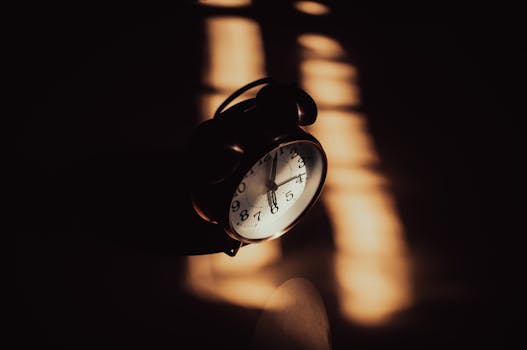
When shift work sleep troubleshooting circadian disruption, the most reliable path is sequential: stabilize your sleep environment, correct the strongest light exposures, align meals and caffeine with your intended sleep window, and reduce off-day schedule drift. If you still can’t get stable, restorative sleep, treat it as a diagnostic problem—one that may involve insomnia reinforcement or a medical sleep disorder—rather than a willpower failure.
Use your 7–14 day schedule notes to verify whether each change improves either sleep onset or sleep maintenance. That evidence-based approach keeps troubleshooting focused and prevents endless adjustments that don’t address the root timing mismatch.
22.05.2026. 07:37