

Mitochondrial Dysfunction Symptoms: A Clear Symptom Guide

Understanding mitochondrial dysfunction and why symptoms vary

Mitochondria are the cell’s energy hubs. They help convert nutrients into usable energy (ATP) and also regulate processes like oxidative stress and cell signaling. When mitochondrial function falters, tissues that rely heavily on energy—such as the brain, muscles, heart, liver, and nerves—may show symptoms first.
Because mitochondria exist in nearly every cell and have many roles beyond energy production, mitochondrial dysfunction symptoms can look different from person to person. Some people experience muscle weakness and exercise intolerance, while others may develop neurologic symptoms, heart rhythm issues, or metabolic problems. Age of onset also varies widely, ranging from infancy to adulthood.
This guide explains common symptom patterns, how they connect to underlying mitochondrial biology, and practical next steps for evaluation and symptom tracking.
Energy-related symptoms that often show up first
Reduced mitochondrial output can limit the body’s ability to meet energy demands. That energy shortfall may not be constant; it often becomes more noticeable when the body is stressed, ill, under-slept, or exercising.
Fatigue and low stamina
Persistent fatigue that doesn’t match sleep quality is a frequent concern. People may report feeling “wiped out” after routine activities, needing longer recovery after exertion, or experiencing low stamina that gradually worsens.
Exercise intolerance and muscle “burn”
Muscle cells are energy intensive. When mitochondrial function is impaired, physical activity may trigger unusual early fatigue, muscle soreness, or a burning sensation that arrives sooner than expected. Some individuals notice reduced performance, slower recovery, or symptoms that worsen with sustained aerobic effort.
Weakness and reduced endurance
Weakness can be generalized or more prominent in specific muscle groups. In some cases, the weakness is episodic—appearing during periods of illness, fasting, or heavy exertion—suggesting a vulnerability to shifts in energy availability.
Neurologic and cognitive mitochondrial dysfunction symptoms
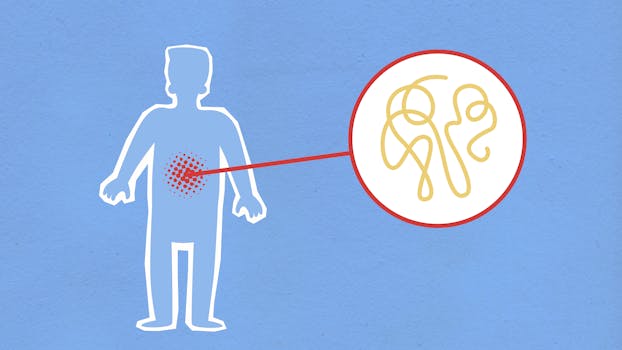
The brain consumes substantial energy, and neurons require stable mitochondrial performance for neurotransmission and cellular repair. Neurologic symptoms may therefore be prominent in mitochondrial disorders.
Brain fog, slowed thinking, and memory issues
Cognitive changes can include difficulty concentrating, slower processing, and short-term memory problems. These symptoms may fluctuate, sometimes intensifying during stress or intercurrent illness.
Headaches and migraine-like episodes
Some people experience recurrent headaches or migraine-like events. While headaches have many causes, mitochondrial dysfunction can contribute through altered energy metabolism and oxidative stress.
Numbness, tingling, and nerve-related symptoms
Peripheral neuropathy may show up as tingling, numbness, burning sensations, or changes in sensation. Because nerves depend on consistent energy supply, mitochondrial impairment can disrupt normal nerve signaling.
Seizures or movement symptoms (in some conditions)
In more severe or specific mitochondrial disorders, neurologic involvement may include seizures, tremor, or movement abnormalities. These symptoms warrant prompt medical evaluation, particularly if they are new, worsening, or associated with other systemic changes.
Muscle and metabolic patterns often linked to impaired energy production
Muscle and metabolic tissues may show distinctive clues. These patterns can help guide clinicians toward appropriate testing.
Muscle pain, cramps, and stiffness
Muscle pain or cramps can occur after exertion, with intensity varying by individual. Stiffness may also be noticed, sometimes alongside reduced exercise tolerance.
Episodes triggered by fasting or illness
Some mitochondrial dysfunction symptoms become more noticeable when the body’s fuel supply shifts—such as during prolonged fasting, dieting, dehydration, or viral infections. This is not diagnostic on its own, but it can be a meaningful pattern to document.
Lactic acid elevation (when measured)
Many mitochondrial conditions involve impaired oxidative metabolism, which can lead to increased lactate production. Clinicians may check blood lactate during evaluation, especially if exertional symptoms, weakness, or neurologic signs are present. Lactate results must be interpreted in context because elevations can occur for multiple reasons.
Weight changes and appetite-related issues
Metabolic involvement can affect appetite, digestion, and energy balance. Some people experience unintentional weight loss, while others notice difficulty maintaining weight or stamina. These symptoms are nonspecific, but when paired with other energy-related signs, they can add weight to a mitochondrial consideration.
Heart, breathing, and circulation symptoms to watch for
The heart is among the most energy-demanding organs. Even subtle mitochondrial impairment can influence cardiac function, rhythm stability, and exercise tolerance.
Shortness of breath and reduced exercise capacity
Breathlessness during activity can occur when the body cannot generate enough energy to sustain normal performance. It may accompany fatigue and weakness, and it can worsen during periods of stress or illness.
Palpitations or rhythm irregularities
Some individuals experience palpitations, irregular heartbeats, or symptoms suggestive of rhythm issues. Because rhythm symptoms can have many causes, they should be evaluated, especially if they come with dizziness, fainting, or chest discomfort.
Swelling or exercise-related intolerance
In certain mitochondrial disorders, fluid retention or reduced cardiac output can contribute to swelling or worsening exercise tolerance. These symptoms require medical assessment to rule out cardiac and systemic causes.
Gastrointestinal and liver-related signs that may accompany mitochondrial issues

Mitochondria are active in metabolic regulation and energy processing in liver and digestive tissues. When mitochondrial function is impaired, gastrointestinal symptoms may appear.
Nausea, vomiting, or poor tolerance of certain foods
Some people report nausea or vomiting, sometimes associated with fatigue or metabolic stress. Food intolerance can be variable and is not specific, but it can be part of a broader pattern.
Abdominal discomfort and appetite changes
Persistent abdominal discomfort, early fullness, or appetite changes may occur. These symptoms overlap with many conditions, so they should be reviewed alongside neurologic, muscular, and metabolic signs.
Elevated liver enzymes or fatty liver patterns (in some evaluations)
Certain mitochondrial disorders can affect liver metabolism. Clinicians may observe elevated liver enzymes or imaging findings consistent with metabolic stress. Lab interpretation should be guided by a clinician, particularly because liver abnormalities can result from multiple causes.
Hormonal, sensory, and skin-related symptoms
While mitochondrial dysfunction is often discussed in terms of energy, it can also influence signaling pathways and cellular stress responses across multiple systems.
Vision or eye movement changes
Visual symptoms can include blurred vision, drooping eyelids, double vision, or difficulty tracking. Some mitochondrial conditions affect eye muscles or ocular nerves, which can create distinct patterns.
Hearing issues
Hearing loss or tinnitus may occur in certain mitochondrial disorders. These symptoms are especially relevant if they appear alongside neurologic or balance changes.
Temperature sensitivity and autonomic symptoms
Some individuals report feeling unusually sensitive to temperature changes, lightheadedness on standing, or other autonomic-like symptoms. These can also occur in many other conditions, but documenting them helps clinicians understand the overall pattern.
Skin changes and oxidative stress markers (context-dependent)
Skin symptoms are not the most common hallmark, but mitochondrial impairment can influence cellular stress pathways that affect tissues broadly. Any persistent or progressive skin concerns should be assessed for common causes first, then considered in the context of other systemic symptoms.
How clinicians evaluate mitochondrial dysfunction symptoms
Because symptoms overlap with many other conditions, evaluation typically focuses on pattern recognition, medical history, and targeted testing rather than symptoms alone.
Medical history and symptom timeline
Clinicians often ask when symptoms began, whether they fluctuate, and what triggers worsen them (exercise, fasting, illness, heat, or stress). Family history can also matter, since some mitochondrial disorders are inherited.
Physical examination focused on organ systems
Neurologic, cardiac, muscular, and metabolic assessments can reveal clues. For example, strength testing, reflexes, coordination, and gait can help identify neurologic involvement.
Common laboratory and diagnostic approaches
Depending on the presentation, clinicians may order blood tests (including lactate and metabolic panels), genetic testing, and specialized studies. In some cases, imaging and electrophysiology (such as ECG or nerve conduction studies) are used to clarify organ involvement.
Using symptom tracking to support evaluation
Practical tracking can improve the quality of clinical information. Consider noting:
- What you were doing before symptoms began (exercise, stress, illness)
- Symptom timing (sudden vs gradual onset; duration)
- Severity (mild/moderate/severe) and functional impact
- Sleep quality and hydration
- Any measurable triggers (fasting, missed meals, heat exposure)
Bring these notes to appointments. They help clinicians interpret patterns that may otherwise be easy to overlook.
Practical guidance for symptom support and safety

While mitochondrial dysfunction has complex causes, symptom management often focuses on reducing triggers and improving overall physiologic resilience. This should be done with clinician guidance, especially if a mitochondrial disorder is suspected.
Stabilize energy intake and avoid prolonged fasting unless directed
For some people, long gaps between meals or aggressive dietary restriction can worsen energy-related symptoms. If you suspect symptoms are linked to fasting or dieting, discuss safer meal timing strategies with a clinician or registered dietitian.
Pacing activity to match recovery capacity
Instead of “push through” cycles, pacing can reduce symptom spikes. Break activities into shorter segments with planned rest, and aim for consistent effort rather than sudden extremes. If exercise reliably triggers worsening symptoms, ask for guidance before increasing intensity.
Address sleep, hydration, and infection risk
Poor sleep and dehydration can amplify fatigue and neurologic symptoms. Maintaining regular sleep schedules, staying hydrated, and managing infections promptly may reduce the frequency of symptom flare-ups.
Be cautious with supplements and medications
Some supplements or medications can affect mitochondrial pathways or interact with underlying metabolic issues. If evaluation is ongoing, it’s helpful to share a complete list of supplements and prescriptions with your healthcare team.
Where “relevant products” may come up in clinical discussions
In mitochondrial medicine, clinicians sometimes discuss metabolic cofactors such as coenzyme Q10 (ubiquinone/ubiquinol), riboflavin (vitamin B2), and certain amino-acid related supplements depending on the specific diagnosis. These are not universally indicated for every person with fatigue or weakness, so any consideration should follow medical advice and, when possible, diagnosis-based guidance rather than trial-and-error.
When to seek urgent medical evaluation
Because mitochondrial dysfunction can involve multiple organs, some symptoms should be treated as urgent, particularly if they are new, rapidly worsening, or severe.
- Chest pain, severe shortness of breath, fainting, or new persistent palpitations
- New seizures, sudden neurologic deficits, or rapidly progressive weakness
- Severe muscle pain with dark urine or signs of muscle breakdown
- Unexplained metabolic crisis symptoms, such as profound lethargy with vomiting and dehydration
If any of these occur, seek immediate medical care. Even when mitochondrial causes are possible, urgent evaluation is necessary to rule out more common and dangerous conditions.
Summary: recognizing mitochondrial dysfunction symptoms and next steps
Mitochondrial dysfunction symptoms often cluster around energy supply and organ systems that depend on high energy turnover. Common patterns include persistent fatigue and low stamina, exercise intolerance and muscle weakness, neurologic issues such as brain fog or neuropathy, and sometimes cardiac or breathing-related symptoms. Additional signs may involve headaches, gastrointestinal complaints, vision or hearing changes, and metabolic irregularities.
Because these symptoms overlap with many other conditions, the most effective next step is not to self-diagnose based on symptoms alone. Instead, document symptom triggers and timelines, and seek a clinician evaluation that can include targeted labs, genetic testing where appropriate, and organ-specific assessments. With careful interpretation, mitochondrial dysfunction can be distinguished from other causes and addressed with a plan tailored to the underlying diagnosis.
Prevention and symptom reduction often center on stabilizing energy intake, pacing activity, prioritizing sleep and hydration, and reviewing medications and supplements with a knowledgeable healthcare team—especially while diagnostic work is underway.
09.03.2026. 02:02