

Heat Therapy Troubleshooting: Pain Worsens (Fixes That Help)

Why “heat therapy troubleshooting pain worsens” happens during maintenance

If you’re using heat therapy to calm muscle tightness or joint stiffness and your pain worsens, don’t assume you’re doing everything right. Often, the issue isn’t the heat itself—it’s the condition and maintenance of the heat source, the cleanliness of contact surfaces, or how the device is cycling heat over time.
Heat therapy devices can drift out of spec when they’re not cleaned, when straps or covers trap moisture, or when heating elements degrade. Even small problems can change how heat is delivered. Too much localized heat, uneven warming, or irritation from residue can make discomfort feel sharper instead of soothing.
Your goal is simple: keep the heat delivery consistent and keep contact areas clean, dry, and safe. That’s the maintenance mindset behind effective troubleshooting.
Step-by-step cleaning and maintenance checks before you use heat again
Start with a quick reset. You want to rule out the most common maintenance causes of worsening pain: residue, moisture buildup, uneven heat distribution, and worn components. Work through the following steps in order.
1) Pause use and let the area cool down
If pain increases during treatment, stop immediately. Give the area 20–30 minutes to cool and settle. This isn’t “giving up.” It’s resetting your baseline so you can troubleshoot safely.
2) Inspect the contact surface for cleanliness and wear
Check the part that touches your skin—covers, pads, wraps, or towel layers. Look for:
- Crusty residue, sticky feel, or discoloration
- Loose seams or thinning padding
- Hard spots, wrinkles that create hot points, or worn insulation
- Any odor that suggests trapped moisture
If you notice any of these, maintenance comes first. Heat plus residue can irritate sensitive tissue. Heat plus worn padding can concentrate warmth in one spot.
3) Clean covers and washable layers properly
For washable covers, treat them like sports gear: frequent, thorough cleaning. Use your device’s care instructions, but as a practical baseline:
- Wash covers after every 5–10 uses or sooner if you sweat heavily.
- Use a gentle detergent and avoid fabric softeners.
- Dry completely. Damp fabric can trap heat unevenly and increase skin irritation.
Real-world scenario: You use a heat wrap after a gym session. The wrap has sweat residue from a few uses, and the inner liner feels slightly tacky. During your next session, you notice a “burning” sensation in one strip. Cleaning the liner and fully air-drying it often restores comfortable, even warmth.
4) Wipe non-washable surfaces with a skin-safe routine
If the main unit or non-washable parts touch your skin indirectly (through straps, edges, or contact points), wipe them down. Use a lightly damp cloth with mild, non-abrasive cleaner. Then wipe again with a cloth dampened with clean water.
- Do not soak any electronics.
- Keep moisture away from ports, connectors, and seams.
- Let everything dry for at least 2 hours before reconnecting or storing.
5) Check straps, fasteners, and pressure points
Maintenance includes fit. Straps that stretch or fasteners that no longer hold tension can cause uneven contact. That can create hot spots and make pain feel worse.
Confirm that straps:
- Hold the wrap snugly without twisting
- Don’t bunch at the same spot every session
- Don’t have frayed edges that press into skin
If you feel a sharp or burning sensation in the same location, adjust the wrap position and re-check the contact surface for wrinkles or pressure folds.
6) Verify heat settings and cycling behavior
Some devices have multiple heat levels and timers. If your pain worsens, you may be accidentally using a setting that delivers too much heat for your tissue type or the device may be warming inconsistently.
Before your next session:
- Start at the lowest effective setting for 5 minutes.
- Then reassess comfort before continuing to the full session length.
- Confirm the timer works correctly and shuts off as expected.
As a safety baseline, many people do best with sessions of 15–20 minutes. If your device recommends a different duration, follow that guidance—but don’t jump to longer sessions as a troubleshooting shortcut.
7) Inspect power cords and connectors
Worn cords or loose connectors can cause irregular heating. Check for:
- Cracks, fraying, or bent sections near the plug
- Loose connections
- Any discoloration around contacts
If you find damage, stop using the device and address the issue through appropriate servicing or replacement. Don’t tape over problems or “work around” intermittent connections.
Recommended maintenance schedules and routines that keep heat therapy consistent
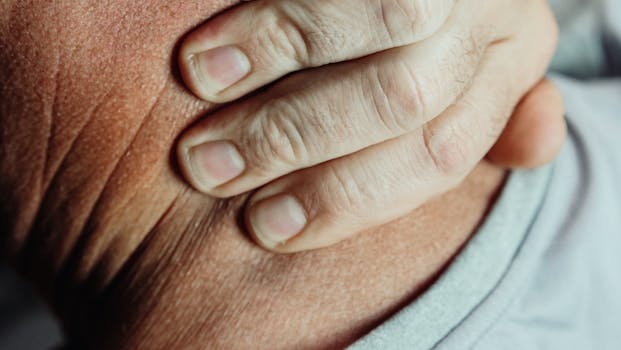
Consistency reduces troubleshooting. Use the schedule below as a practical routine. Adjust based on how often you use heat therapy and how sweaty or dusty your environment is.
After every use (1–2 minutes)
- Let the heat unit cool completely before handling.
- Wipe contact areas and straps with a dry or lightly damp cloth.
- Check for wrinkles or residue on the inner liner.
- Ensure the wrap is completely dry before storage.
Weekly routine (10–15 minutes)
- Wash removable covers if you used them more than a few times that week, or if they feel even slightly tacky.
- Inspect seams, padding, and fasteners for early wear.
- Check that heating surfaces warm evenly by running a short, low-level test (about 5 minutes) while you monitor comfort.
Every 4 weeks (20 minutes)
- Deep-clean washable liners according to care instructions.
- Wipe non-washable surfaces thoroughly and dry for at least 2 hours.
- Inspect cords and connectors again. Look closely at stress points where you usually bend the cord.
- Confirm timers and settings behave predictably.
Every 3 months (30–45 minutes)
- Test fit and pressure distribution. Re-wrap and check for hot spots or constant pressure points.
- Replace or repair worn straps if they no longer hold consistent tension.
- Review your storage routine. Store in a dry area away from dust and direct heat sources (like a sunny window).
Ongoing “comfort check” after maintenance
Once you clean or adjust anything, use a short trial session first. For example:
- 5 minutes on the lowest effective setting
- Stop if you feel burning, sharp pain, or increasing discomfort
- Only continue if the warmth feels steady and soothing
This is maintenance-forward troubleshooting. You’re verifying the system is behaving before committing to a full session.
Prevention methods to reduce future pain-worsening episodes
Maintenance helps, but prevention keeps problems from coming back. These steps reduce irritation, uneven heating, and “mystery” discomfort.
Keep a clean barrier between skin and heat
Even if your device has a liner, consider using a thin, dry layer when your skin is sensitive or when you sweat. A cotton layer can reduce direct irritation and help distribute heat more evenly. Keep it dry—damp layers can create hot pockets.
Use time and temperature discipline
Heat should feel comfortable, not aggressive. A practical prevention rule:
- Start low and short for the first few minutes.
- Increase only if you feel comfortable and stable warmth.
- Stop if pain increases or changes quality (sharp, burning, tingling).
If your pain worsens repeatedly in the same pattern, don’t “push through.” That’s a sign your maintenance or fit needs attention.
Rotate placement and avoid the same pressure point
If you use a wrap or pad on the same exact spot daily, the tissue can become irritated from pressure and heat cycling. Rotate slightly within the targeted area. Also check that straps aren’t compressing nerves or bony points.
Dry storage is non-negotiable
Moisture is a quiet cause of uneven heating and skin irritation. Prevent it by:
- Air-drying liners fully before storage
- Avoiding sealed plastic bags for damp items
- Storing in a dry drawer or cabinet
Limit use frequency during flare-ups
When your body is already irritated, too much heat too often can worsen symptoms. A maintenance-minded prevention approach is to track sessions for 1–2 weeks. Note when pain worsens and what you were doing (heat level, duration, placement). Then adjust frequency and intensity while you maintain and clean the device.
Use gentle skin care around treatment areas
Products like lotions or oils can transfer to contact surfaces and build up. If you use them, let your skin fully absorb before heat therapy. Also wipe the contact liner after sessions if you suspect product transfer.
Common maintenance mistakes that make pain worse (and how to avoid them)
These mistakes are extremely common. The good news: they’re fixable, and you can prevent them with a few habits.
Skipping cleaning because “it doesn’t look dirty”
Residue can be invisible. Sweat salts, skin oils, and detergent buildup can change how heat feels and how your skin reacts. Avoid this by cleaning liners on a schedule: after 5–10 uses, or sooner if you sweat heavily.
Using fabric softener on covers
Softener can leave a coating that traps residue and reduces breathability. It can also make contact surfaces feel slick or tacky, increasing irritation risk. Use gentle detergent only, and dry completely.
Storing a slightly damp wrap
Even a small amount of moisture can lead to odor, uneven warmth, and skin irritation. If you store damp, you’re essentially “curing” the conditions that cause the next session to feel worse. Always dry for at least 2 hours after wiping or washing.
Over-tightening straps to “make it work”
When pain worsens, it’s tempting to tighten straps to intensify heat. That often creates pressure points instead of better therapy. Tighten enough for stable contact, not enough to leave marks or cause discomfort.
Ignoring wrinkles and folds in the liner
Wrinkles can concentrate heat into narrow bands. Before each session, smooth the liner and ensure the wrap sits flat. If you consistently feel a hot strip, stop and adjust the fit—don’t continue.
Running long sessions to compensate for weak heat
If the device seems less warm than usual, don’t automatically extend time. First, troubleshoot maintenance: check cleanliness, fit, and settings. If the heating behavior is inconsistent, inspect power cords and connectors and consider servicing rather than extending sessions.
Using high heat when your tissue is sensitive
Some pain conditions respond better to gentle heat. If your pain worsens, reduce the setting and shorten the first trial session. Maintenance can’t override incorrect intensity.
Not monitoring changes in pain quality
Pain that shifts from “tight and sore” to “sharp, burning, or tingling” is a red flag. Treat this as a troubleshooting signal. Stop the session, cool down for 20–30 minutes, and check contact cleanliness, fit, and heat behavior before trying again at a lower setting.
Practical troubleshooting routine when pain worsens during heat therapy

Here’s a maintenance-focused routine you can follow the next time your heat therapy feels wrong. It’s designed to be action-based and repeatable.
Step 1: Stop and cool for 20–30 minutes
Reset your baseline. This prevents you from confusing “heat irritation” with the original problem.
Step 2: Check the same three things every time
- Cleanliness: Any tacky or residue feel on the liner?
- Fit: Any wrinkles, folds, or uneven strap tension?
- Heat behavior: Does warmth feel steady or uneven/hot in one spot?
Step 3: Run a 5-minute low-setting test after maintenance
After you clean, dry, and re-fit, do a short test. If it still worsens pain, don’t escalate. That’s your cue to stop using that setup until the underlying issue is addressed.
Step 4: Adjust the routine for the next 7 days
For the next week, keep sessions shorter (for example, 10–15 minutes) and keep the setting low. This helps you verify the device is behaving and that your body is responding normally.
Step 5: Keep a quick log
Write down: date, session duration, heat level, placement, and what the pain felt like at minute 5 and minute 15. You’re building a troubleshooting trail that makes maintenance decisions easier.
Soft recommendations to support maintenance success
To keep your heat therapy routine reliable, focus on maintenance habits rather than constant trial-and-error. It’s reasonable to choose replacement liners, covers, or accessories that are designed to match your system so the fit and heat distribution stay consistent. If you use a wrap or pad frequently, having an extra clean cover on hand can help you maintain a consistent cleaning schedule without rushing drying times.
Also, if you notice recurring uneven heating after cleaning and fit adjustments—especially if hot spots appear in the same location—consider having the device inspected or serviced. That’s a maintenance step too, and it can prevent repeated discomfort.
When you treat maintenance as part of therapy, your heat sessions become more predictable. And predictability is what turns “heat therapy troubleshooting pain worsens” from a frustrating pattern into a solvable process you can manage every time.
04.02.2026. 10:00