

What HRV Measures About the Autonomic Nervous System

Introduction: why HRV is used to understand autonomic control

Heart rate variability (HRV) is a measure of the time variation between consecutive heartbeats. Although HRV is often discussed as if it directly “measures stress,” the science is more specific: HRV reflects how flexibly the body’s autonomic nervous system (ANS) regulates heart activity. The ANS controls many automatic functions, including heart rate and the responsiveness of cardiovascular control systems.
When HRV is high (with appropriate context), it generally indicates a heart rhythm that can adapt quickly to changing internal and external demands. When HRV is low, it often suggests reduced adaptability or a shift toward less flexible autonomic regulation. The key point is that HRV is an indirect window into autonomic dynamics—especially the balance and interaction between the parasympathetic (“rest and digest”) and sympathetic (“fight or flight”) branches—rather than a direct measurement of either branch alone.
This explainer clarifies what HRV measures about the autonomic nervous system, what HRV metrics represent physiologically, and how to interpret HRV changes in a practical, science-aligned way.
What HRV measures: the timing pattern of cardiac control
HRV quantifies variation in the intervals between successive R-peaks in an electrocardiogram (ECG) or the corresponding pulse intervals in photoplethysmography (PPG). The underlying physiology is shaped by multiple systems, but the ANS is a major contributor.
At a high level, HRV captures:
- Beat-to-beat regulation of the sinoatrial node (the heart’s natural pacemaker)
- Autonomic influences on heart rate through vagal (parasympathetic) and sympathetic pathways
- Cardiorespiratory coupling, where breathing and baroreflex mechanisms interact with autonomic control
Because HRV depends on several interacting processes—including respiration, blood pressure regulation, and intrinsic pacemaker properties—two people can have similar HRV values for different reasons. That’s why interpretation must consider context such as sleep, illness, training load, and measurement conditions.
The autonomic nervous system and the two branches that shape HRV

The ANS has two main branches:
- Parasympathetic nervous system (PNS): primarily mediated by the vagus nerve. It tends to slow heart rate and supports rapid adjustments through short-term modulation.
- Sympathetic nervous system (SNS): mediated by noradrenergic signaling. It tends to increase heart rate and alter responsiveness, particularly during stressors or increased demand.
HRV is influenced by both branches, but the relationship is not a simple one-to-one mapping. In many practical HRV analyses, parasympathetic activity (especially vagal tone and respiratory-related modulation) is more strongly reflected in certain time-domain and high-frequency components. Sympathetic influences can also affect HRV, particularly through longer-term shifts and changes in overall autonomic balance.
Importantly, HRV is best understood as a dynamic measure of regulation. The ANS doesn’t “turn on or off” in isolation; it continuously adjusts. HRV reflects how effectively those adjustments are being made.
Parasympathetic influence: vagal tone and respiratory sinus arrhythmia
A central phenomenon behind HRV—especially the high-frequency components—is respiratory sinus arrhythmia (RSA). RSA is the normal pattern where heart rate increases slightly during inhalation and decreases during exhalation. This rhythm is strongly modulated by the vagus nerve and is linked to breathing and baroreflex activity.
When vagal control is robust and coordination between breathing and cardiac timing is healthy, beat intervals vary more in a structured way. That structured variability contributes to higher HRV metrics that capture short-term fluctuations.
In practical terms, HRV indices that emphasize fast fluctuations (often associated with higher-frequency bands in frequency-domain analyses) are frequently interpreted as reflecting parasympathetic modulation. However, breathing rate, tidal volume, and posture can all alter these features, so the same HRV value may not mean the same thing across different measurement settings.
Sympathetic influence: what HRV can (and can’t) tell you
Sympathetic activation generally shifts the heart toward higher average rate and can reduce the magnitude of variability, particularly when the system is constrained by stress responses or illness. However, HRV is not a direct readout of sympathetic nerve firing.
In science-based interpretations:
- Sympathetic activity can reduce HRV by limiting flexibility and increasing regulatory “stiffness.”
- Sympathetic effects are often harder to isolate because HRV is also driven by parasympathetic modulation, respiration, and intrinsic cardiac properties.
- Changes in HRV reflect the combined output of autonomic influences and cardiovascular feedback loops.
For this reason, it is more accurate to say HRV reflects autonomic regulation and adaptability than to claim it cleanly measures sympathetic tone alone.
Baroreflex and cardiovascular feedback: why HRV is not only “nerve activity”
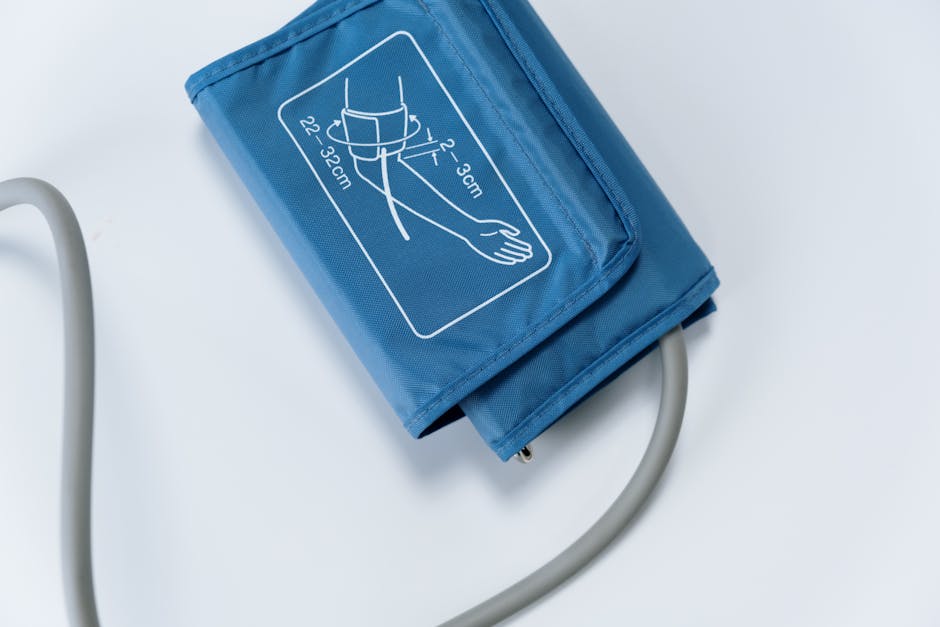
HRV is shaped by the cardiovascular control system, especially the baroreflex. The baroreflex helps maintain stable blood pressure by adjusting heart rate and vascular tone in response to changes in stretch receptors in the carotid sinus and aortic arch.
Because the baroreflex is tightly linked to autonomic pathways, HRV can be viewed as an emergent property of:
- Autonomic signaling (vagal and sympathetic inputs)
- Reflex control (baroreflex gain and timing)
- Cardiac and vascular mechanics
This is one reason HRV can change with factors that are not purely psychological stressors—such as dehydration, caffeine, temperature, and changes in breathing patterns.
Respiration and measurement conditions: the biggest practical confounders
Because RSA contributes heavily to HRV, respiration rate and breathing depth can significantly affect HRV metrics. If you inhale and exhale faster, the frequency content of the heart rhythm changes; HRV indices—especially frequency-domain measures—may shift even if autonomic state is unchanged.
Other important confounders include:
- Posture (lying down vs standing)
- Time of day (circadian effects)
- Sleep stage and sleep quality
- Recent activity and recovery time
- Hydration and illness
- Movement artifacts in wearable sensors
To interpret HRV meaningfully, standardize measurement conditions when possible. For example, measuring after waking, before food or caffeine, and at rest tends to reduce variability unrelated to autonomic state.
Key HRV metrics and what they imply about autonomic regulation
HRV is not a single number. Different metrics emphasize different aspects of the beat interval time series. Below are common HRV measures and what they are generally used to represent.
Time-domain measures (overall variability and short-term fluctuations)
- RMSSD (root mean square of successive differences): often used as an index of short-term variability. It is frequently associated with parasympathetic (vagal) influences and RSA-related modulation.
- SDNN (standard deviation of normal-to-normal intervals): reflects overall variability across the recording window. It can include slower influences and depends on the length of the data segment.
- pNN50: the proportion of successive intervals differing by more than a threshold (often 50 ms). Like RMSSD, it relates to short-term variability.
Time-domain metrics are widely used because they are robust and relatively straightforward. Still, they can be affected by breathing and measurement artifacts.
Frequency-domain measures (distribution across frequency bands)
Frequency-domain HRV methods decompose the beat interval signal into components across frequency ranges. In many protocols, higher-frequency components are linked to respiratory-related parasympathetic modulation. Lower-frequency components can reflect a mix of influences, including baroreflex and sympathetic contributions.
Common frequency-domain indices include:
- HF (high frequency): often associated with respiratory sinus arrhythmia and vagal modulation.
- LF (low frequency): historically used as a marker of sympathetic and baroreflex-related activity, though interpretation is complex and context-dependent.
- LF/HF ratio: sometimes presented as a balance between sympathetic and parasympathetic activity, but this ratio can be misleading without careful assumptions.
For frequency-domain interpretation, it’s critical to know the analysis method, sampling, and typical breathing rate during measurement. Without that, the same band values can reflect different physiological drivers.
Nonlinear and complexity-based metrics (pattern structure over time)
Beyond variability magnitude, HRV can be analyzed for complexity—how predictable or structured the timing pattern is. Nonlinear measures are often used because biological systems are not purely random.
Examples include:
- Sample entropy and related entropy measures: higher values often indicate greater complexity in the interval series.
- Poincaré plot descriptors (e.g., SD1 and SD2): provide geometrical summaries of short- and long-term variability.
These metrics can be sensitive to data quality and the length of recordings. They may also change with factors like sleep and illness, which alter autonomic regulation and system complexity.
Short-term vs long-term HRV: why the timescale matters
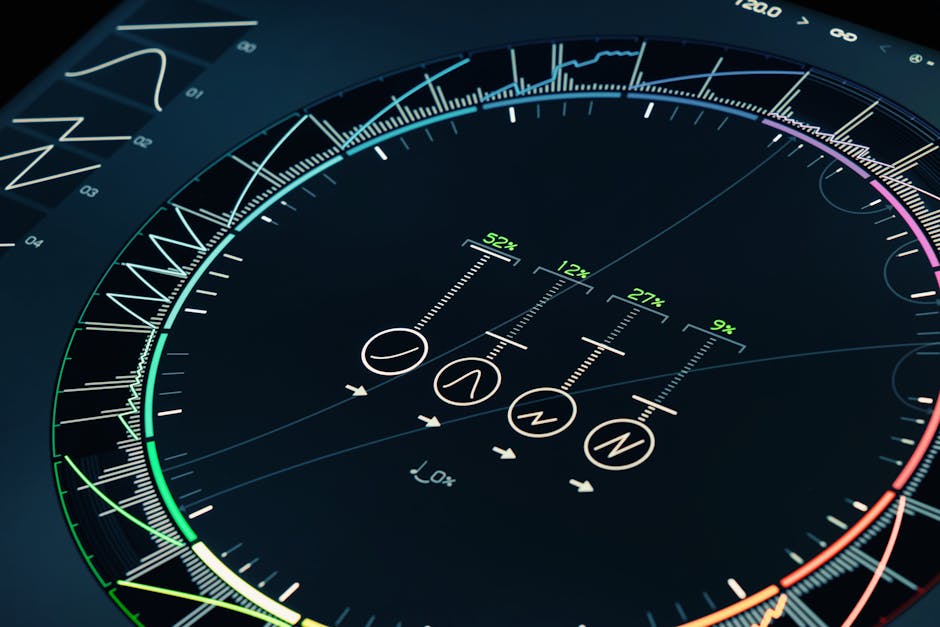
HRV findings depend heavily on whether you analyze short recordings (often a few minutes) or longer periods (such as hours). Short-term HRV is more influenced by immediate regulatory mechanisms—especially respiratory and vagal modulation. Longer recordings can incorporate slower trends and circadian patterns.
In research and clinical contexts, longer data windows can be more informative for certain questions, while short-term measures can be more practical for tracking day-to-day changes. Both can be useful, but they answer slightly different physiological questions.
What HRV changes can indicate about autonomic state
When interpreting what HRV measures about the autonomic nervous system, it helps to think in terms of adaptability and physiological load rather than single “stress” values.
Common patterns include:
- Reduced HRV may occur with acute stressors, infection, overreaching, poor sleep, or dehydration—situations that often shift autonomic regulation toward less flexible control.
- Increased HRV may be seen with recovery, improved sleep, relaxation practices, and effective training adaptation—again reflecting more adaptable regulation rather than a single “calm” state.
- Day-to-day fluctuations are normal. The most meaningful interpretation often comes from trends relative to your baseline under consistent measurement conditions.
It’s also important to recognize individual differences. HRV norms vary substantially between people due to age, fitness, genetics, and baseline physiology.
How wearables and apps measure HRV: practical limitations
Many people encounter HRV through consumer wearables. These devices typically estimate beat intervals using ECG electrodes or optical sensors (PPG). The accuracy of HRV depends on signal quality, motion artifacts, sensor placement, and the device’s algorithm for detecting peaks and filtering noise.
Practical considerations:
- ECG-based HRV is generally closer to clinical-grade timing because it directly measures electrical activity.
- PPG-based HRV can work well at rest but may be less reliable during movement or poor perfusion.
- Filtering and artifact correction can change the resulting HRV values, especially with short recordings.
Because algorithms differ between brands, absolute values may not match across devices. For longitudinal tracking, consistency with the same device and settings is often more important than comparing numbers between different systems.
Practical guidance: interpreting HRV in real life without overreaching

To understand what HRV measures about the autonomic nervous system, use HRV as a context-sensitive indicator. The goal is not to “diagnose” autonomic dysfunction from one reading, but to detect meaningful shifts that align with physiology and behavior.
Standardize your measurement routine
- Measure at the same time of day, ideally under similar conditions (e.g., after waking).
- Keep posture consistent (often seated or lying down).
- Avoid immediately after caffeine, heavy meals, or intense exercise unless you’re specifically studying those effects.
- Minimize motion during the recording.
Look at trends and combined context
- Track changes over days rather than reacting to single values.
- Pair HRV with sleep duration/quality, resting heart rate, training load, and subjective recovery.
- Consider illness symptoms: HRV often changes during infections even before you feel severely unwell.
Use baseline comparisons, not universal thresholds
Because HRV varies widely, it’s more useful to ask, “How does my HRV compare to my own typical range under similar conditions?” than to interpret a universal “low” or “high” number.
Be cautious with aggressive interpretation of sympathetic vs parasympathetic balance
Some interpretations claim HRV directly quantifies “sympathetic dominance” or “vagal withdrawal.” In practice, those claims can be oversimplified. HRV is best framed as reflecting overall autonomic regulation and the interplay of vagal modulation, baroreflex mechanisms, and respiration-related effects.
Relevant products and tools: where they fit in the measurement process
HRV can be measured using ECG devices, chest straps, finger or wrist sensors, and software that analyzes beat intervals. In everyday settings, people commonly use wearable devices that provide HRV metrics such as RMSSD or frequency-band estimates.
When choosing measurement tools, the most important scientific considerations are:
- Signal quality and artifact handling
- Consistency across time
- Transparency about whether the device uses ECG or PPG
- Data export if deeper analysis is needed
For example, ECG-based devices such as certain chest-strap or handheld ECG systems can provide higher-fidelity beat timing than optical wrist sensors when conditions are challenging. Many widely used wearable platforms also offer HRV tracking, but differences in sensors and algorithms mean absolute values may not transfer directly between devices.
If you’re using HRV for research-like tracking, consider tools that allow you to review data quality flags and, when possible, export raw or minimally processed interval series.
Summary: the core answer to what HRV measures about the autonomic nervous system
So, what HRV measures about the autonomic nervous system?
- HRV measures the variability in beat-to-beat cardiac timing, which is shaped by autonomic regulation of the heart.
- Parasympathetic (vagal) modulation—especially through respiratory sinus arrhythmia and short-term control—often contributes strongly to common HRV indices like RMSSD.
- Sympathetic influences can affect HRV, typically by reducing flexibility during stressors, but HRV does not provide a direct, isolated measurement of sympathetic nerve activity.
- Baroreflex and respiration are major contributors, meaning HRV is an integrated marker of autonomic-cardiovascular control rather than a single “stress” readout.
- Interpretation requires context: measurement conditions, breathing, sleep, illness, hydration, and sensor quality all influence HRV.
Used responsibly, HRV is best understood as a quantitative indicator of how flexibly your autonomic nervous system helps regulate the heart. The most reliable insights come from consistent measurement, attention to confounders, and trend-based interpretation rather than reacting to single readings.
Prevention and responsible use: how to keep HRV interpretation grounded
HRV is a powerful marker, but it can be misused if treated as a standalone diagnostic tool. To keep interpretation grounded:
- Standardize measurement conditions as much as possible.
- Track trends rather than overreacting to day-to-day fluctuations.
- Account for major physiological events (sleep disruption, infections, hard training, alcohol, dehydration).
- Use symptom context: if HRV changes coincide with concerning symptoms (chest pain, fainting, persistent palpitations), seek medical evaluation rather than self-interpreting.
- Avoid simplistic conclusions about “high stress” or “low vagal tone” from a single metric.
In short, the most prevention-oriented approach is to use HRV to support awareness of recovery and physiological load while respecting the complexity of autonomic regulation.
23.05.2026. 19:34