

Wearables Predict Cellular Health: What’s Real and What’s Not

Wearables and the cellular health claim: why it sounds convincing
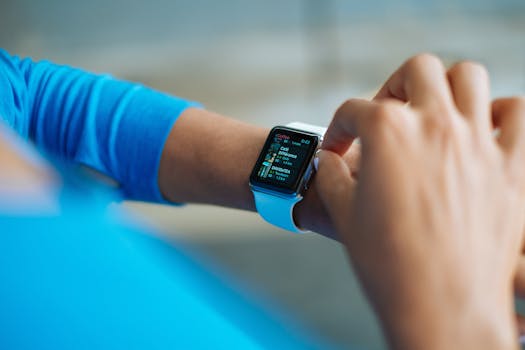
Wearables have changed how people think about health. Step counts, sleep duration, heart rate patterns, and activity trends are now available continuously, often in real time. Because cellular health is often discussed in terms of aging, inflammation, and metabolic function, it’s tempting to connect wearable metrics directly to what happens at the cellular level.
The problem is that “cellular health” is not a single, directly measurable outcome. It reflects complex processes inside tissues—such as mitochondrial function, oxidative stress, DNA repair, and inflammatory signaling—that generally require specialized laboratory methods to assess. Wearables don’t measure those processes directly.
This article busts the myth that wearables can truly predict cellular health on their own, while also explaining what wearable data can reasonably indicate, what it cannot, and how to use it responsibly.
Myth vs. reality: what wearables can measure compared with cellular biology
The key distinction is measurement level. Wearables primarily capture physiological signals from the body surface or through indirect proxies:
- Heart rate and heart rate variability (HR/HRV) reflect autonomic nervous system activity and cardiovascular dynamics.
- Sleep stages are estimated from motion and sometimes heart rate patterns, representing sleep architecture trends.
- Blood oxygen saturation (SpO2) estimates oxygenation status, which can relate to respiratory and circulatory health.
- Activity and recovery patterns use movement and resting markers to infer load and strain.
- Skin temperature and other peripheral signals can relate to circulation and inflammation, but they’re indirect.
Cellular health, by contrast, usually involves processes that are not directly observable from external signals. Examples include mitochondrial efficiency, cellular senescence markers, telomere dynamics, inflammatory cytokine profiles, and specific oxidative stress pathways. These are typically measured through blood tests, tissue sampling, or advanced lab assays.
So the myth is not that wearables are useless. The myth is the implied leap from wearable metrics to cellular-level predictions with high confidence. Wearables can sometimes correlate with systemic conditions that influence cellular processes, but they don’t provide direct cellular readouts.
Which wearable metrics are plausible signals of systemic stress
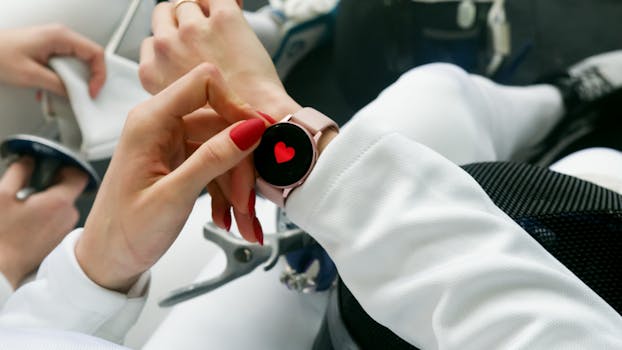
Even though wearables cannot directly measure cellular health, some metrics can be meaningful indicators of the systemic stressors that influence cellular function. Think of them as “risk context” rather than “cellular diagnosis.”
Heart rate variability (HRV) and stress physiology
HRV is often discussed as a marker of autonomic balance. Lower HRV can occur during acute illness, high stress, overtraining, poor sleep, or recovery deficits. Since chronic stress and inflammation can affect cellular pathways—such as oxidative stress signaling and immune activation—HRV trends may align with changes in broader biological stress.
What to watch: HRV trends over weeks can be more informative than single-day values. Sudden, sustained drops may reflect illness, disrupted sleep, or increased strain.
What not to conclude: HRV does not tell you whether mitochondria are functioning well or whether cellular senescence is increasing. It indicates a portion of the body’s regulation, not cellular outcomes.
Resting heart rate and recovery capacity
Resting heart rate (RHR) can rise with illness, dehydration, poor sleep, stress, and training load. Over time, RHR changes can reflect fitness improvements or accumulating strain.
Because cardiovascular strain and systemic inflammation can influence cellular environments, RHR trends may indirectly track conditions that affect cellular health. Still, RHR is influenced by many factors—caffeine, medications, menstrual cycle changes, hydration status, and measurement conditions.
Practical approach: Look for patterns that persist across consistent conditions, rather than reacting to one spike.
Sleep duration and sleep consistency
Sleep affects immune function, metabolic regulation, and inflammatory signaling. Those systemic processes can influence cellular pathways tied to aging and recovery.
Wearables estimate sleep stages differently across brands and algorithms, but they can still be useful for identifying whether sleep duration and timing are stable or frequently disrupted.
What to watch: Consistency (bedtime/wake time regularity) and total sleep time trends often matter more than exact “stage” percentages.
What not to conclude: “Low REM” on a wearable does not equal “cellular decline.” Sleep is one input into systemic biology, not a direct cellular assay.
Where the cellular connection is often overstated
Many articles and social posts imply that wearables can forecast cellular aging, telomere length, or mitochondrial dysfunction. These claims usually outpace the evidence.
Telomeres, senescence, and “biological age”
Telomere length is measured through specialized lab techniques. While systemic factors like stress and inflammation can correlate with telomere dynamics, a wearable cannot measure telomere length. Any “biological age” score generated from wearable data is typically a statistical model trained on outcomes that may not be cellular-level.
Bottom line: Wearables may correlate with health status, but they do not provide a validated, direct proxy for telomere biology.
Mitochondrial health and energy production
Mitochondria are central to cellular health. However, mitochondrial function is not something wearables can directly assess. Metrics like activity level, resting heart rate, or HRV are influenced by multiple systems (cardiovascular, nervous, hormonal), and they do not isolate mitochondrial performance.
It’s reasonable to say that better sleep, consistent training, and reduced chronic stress can support mitochondrial function. It’s not reasonable to say a wearable “predicts mitochondrial health” with specificity.
Inflammation and oxidative stress
Inflammation is a major driver of cellular stress, but wearables do not measure inflammatory cytokines or oxidative stress markers directly. Some metrics may reflect inflammation indirectly—for example, increased resting heart rate or altered HRV during illness—but that is not the same as quantifying inflammatory pathways at the cellular level.
Key caution: Wearables can help you notice “something is off,” but they can’t tell you which inflammatory pathway is active or whether cellular damage is occurring.
What “prediction” should mean in a responsible wearable context
Prediction is often used loosely. A more accurate framework is to separate three levels:
- Correlation: wearable metrics move alongside health changes in studies.
- Risk stratification: wearable patterns can indicate higher likelihood of certain outcomes, such as recovery deficits or illness.
- Cell-level inference: wearable signals are mapped to specific cellular processes with validated accuracy.
In most cases, wearables fall into the first two categories. The third category—cell-level inference—is where the myth usually appears. Without direct cellular measurements or robust validation, claims should be treated as speculative.
How to use wearable data without overclaiming cellular health

You can still benefit from wearables while keeping expectations grounded. The goal is to use them as tools for behavior and recovery decisions, not as cellular diagnostics.
Track trends, not single readings
A wearable reading is noisy. Stress, hydration, caffeine, alcohol, ambient temperature, and even how the device is worn can affect signals. Trend analysis over weeks is more informative than day-to-day interpretation.
Use consistent measurement conditions
For example:
- Wear the device in the same position and snugness.
- Keep sleep timing relatively consistent when evaluating sleep metrics.
- Compare HRV and RHR to your own baseline rather than relying on generic “normal” ranges.
Pair wearable insights with basic health inputs
Wearables are strongest when combined with contextual information:
- Changes in energy, mood, and stress levels.
- Exercise load and recovery (including rest days).
- Illness symptoms (sore throat, fever, congestion).
- Medication and supplement changes.
This helps prevent misinterpretation of wearable changes that arise from non-cellular causes.
Know when to treat wearable changes as a medical signal
Wearables can detect patterns consistent with illness or cardiovascular issues. If you experience concerning symptoms—chest pain, fainting, severe shortness of breath, or sustained abnormal heart rhythms—wearable data should prompt medical evaluation, not self-diagnosis.
Relevant products and where they fit (without cellular overpromises)
It’s also important to understand what wearable categories are designed to do. Many devices—such as Apple Watch, Fitbit, Garmin, and Oura—collect similar types of signals (heart rate, sleep estimates, activity). Their value often comes from tracking trends and providing structured summaries.
Some devices emphasize recovery and sleep, while others emphasize training metrics. Regardless of brand, the core limitation remains: these tools generally do not measure cellular health directly. Claims that a specific device can “predict cellular aging” should be treated cautiously unless supported by strong, independently validated research that includes cellular or biomarker endpoints.
In practice, the most responsible use of wearable products is to support lifestyle consistency—sleep regularity, balanced training, and attention to recovery—rather than to infer cellular processes with certainty.
What actually supports cellular health: evidence-based levers
If the wearable-to-cellular shortcut is unreliable, what should you focus on? Cellular health is influenced by many well-studied factors that you can influence directly through behavior and medical care.
Sleep quality and circadian regularity
Consistent sleep supports immune function and metabolic regulation. If wearables help you notice that your sleep schedule is unstable, that’s a practical benefit.
Exercise with appropriate recovery
Regular physical activity supports cardiovascular function, insulin sensitivity, and stress regulation. Overtraining can worsen recovery and increase stress signals, which wearables may detect as changes in HRV or resting heart rate.
Nutrition patterns that reduce chronic metabolic strain
Diet quality influences inflammation risk and metabolic health. Wearables cannot replace nutrition assessment, but they can show how your body responds to lifestyle changes (for example, improved sleep or steadier resting heart rate).
Smoking avoidance and alcohol moderation
These factors affect oxidative stress and inflammatory pathways. Wearables may reflect downstream effects through sleep disruption or heart rate changes, but the primary evidence for cellular protection comes from direct biological and epidemiological findings.
Manage chronic conditions with appropriate clinical guidance
Conditions such as hypertension, diabetes, and sleep apnea can strongly affect systemic biology. Treating them can improve the environment in which cellular repair and resilience occur. Wearables may help detect patterns consistent with these issues, but they do not provide definitive diagnosis.
Prevention guidance: how to keep the “cellular” narrative grounded
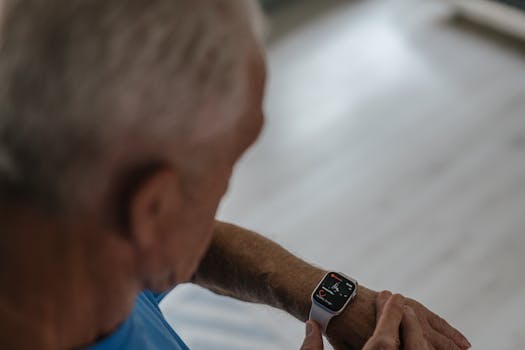
To prevent misinformation from taking hold, use the following guardrails:
- Demand direct evidence: If a claim links wearable metrics to cellular outcomes, check whether the study measured cellular biomarkers (not just health scores).
- Separate “systemic signals” from “cell-level mechanisms”: Wearables can reflect systemic physiology; cellular mechanisms require different measurement.
- Use wearables as feedback loops: Let them guide sleep timing, recovery planning, and attention to symptoms.
- Don’t replace clinical testing: If you’re concerned about cellular aging processes, oxidative stress, or inflammation, relevant blood tests or specialist evaluation may be more appropriate than wearable inference.
Summary: Wearables can provide meaningful information about your physiology—especially stress, recovery, and sleep patterns. However, the claim that wearables predict cellular health is largely a myth unless it’s backed by validated cellular or biomarker outcomes. Use wearable data to improve habits and detect changes early, while treating cellular claims as unproven or indirect.
05.02.2026. 21:37