

Blue Light Therapy for Skin: Uses, Benefits, and Safety

What blue light therapy for skin is and why it’s used
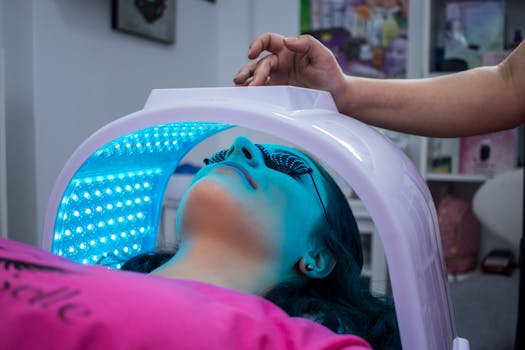
Blue light therapy for skin is a form of phototherapy that uses specific wavelengths of blue light to influence biological activity in skin cells. In clinical and dermatology settings, blue light is most commonly discussed for its role in treating certain inflammatory skin conditions, especially where abnormal skin cells and microorganisms are involved. The therapy is typically delivered in controlled sessions with defined light intensity, exposure time, and treatment intervals.
Unlike general light exposure from everyday sources, therapeutic blue light is administered with attention to wavelength and dose. This matters because skin response depends on the light spectrum, the duration of exposure, and whether light is delivered alone or as part of a combined protocol.
Understanding how blue light therapy works, what it can realistically address, and how to use it safely helps you set appropriate expectations and reduce the risk of irritation or ineffective treatment.
How blue light therapy for skin works
Blue light refers to visible light in the approximate range of 400–500 nm. In skin therapy contexts, the most clinically established mechanism involves the interaction between blue light and light-sensitive compounds in the skin. When the relevant compounds are present, blue light can trigger reactions that lead to targeted effects, such as reducing abnormal cell activity or influencing microbial balance.
In many protocols, blue light is used in combination with a photosensitizing approach. The photosensitizer is designed to make certain targets in the skin more responsive to light. Once activated, the process can help decrease lesions and inflammation, depending on the condition being treated. The exact steps vary by protocol, device type, and diagnosis, but the principle is consistent: wavelength-specific light delivery aims to create a controlled biological response.
Therapeutic dosing is not the same as “more light equals better.” Too little may be ineffective; too much can increase irritation. That balance is why supervised regimens often specify session length, frequency, and total number of treatments.
Common skin conditions addressed with blue light
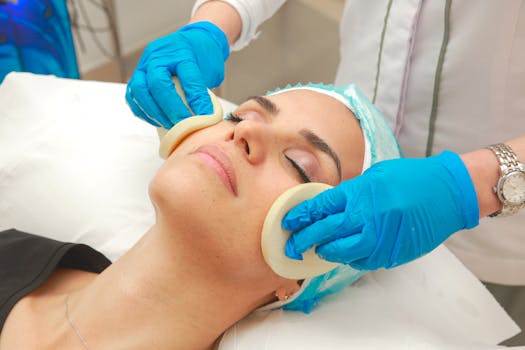
Blue light therapy for skin is used most often for conditions where dermatologists aim to reduce abnormal skin growth or inflammation. The best-supported uses depend on whether blue light is given alone or as part of a combined treatment plan.
Actinic keratosis
Actinic keratosis (AK) refers to rough, scaly patches caused by long-term sun exposure. These lesions can represent early precancerous changes. In many clinical settings, blue light-based photodynamic approaches are used to target affected areas. Treatment planning typically considers lesion location, thickness, and the extent of sun damage.
Acne and acne-related inflammation
Some dermatology protocols use blue light to help with inflammatory acne. Blue light may influence skin inflammation and microbial activity. Results vary by individual and acne subtype, and many regimens are structured over multiple sessions rather than one-off treatments.
Other phototherapy-supported inflammatory conditions
Blue light has also been explored for other inflammatory skin issues, but the level of evidence and standardization can differ. When considering blue light for a specific diagnosis, the most helpful approach is to align treatment with a clinician’s assessment of likely benefit and appropriate dosing.
What to expect during a typical treatment session
Sessions can vary depending on the device, whether a photosensitizer is involved, and the condition being treated. Still, several elements are commonly consistent.
Preparation and skin assessment
Before treatment, a clinician or trained provider reviews the diagnosis, skin sensitivity, current medications, and whether there are areas that should be avoided. If a combined photosensitizing protocol is used, the preparation may include applying a topical agent to the treatment field and allowing time for it to take effect.
Light exposure process
During the light exposure, the device is positioned so the target area receives the intended dose. Many protocols use protective eyewear to reduce glare and protect eyes. The exposure time is determined by the wavelength output and the treatment plan.
Comfort and possible sensation
Some people experience warmth, tingling, or mild discomfort—especially in protocols that involve photosensitizing steps. The intensity of sensation can differ from person to person. If discomfort becomes significant, providers generally adjust the approach or evaluate whether the treatment should be paused.
Aftercare immediately following treatment
After the session, skin may feel dry, warm, or slightly irritated. If a photosensitizing component is used, clinicians often provide specific aftercare instructions, which may include gentle cleansing, moisturization, and sun avoidance for a defined period.
How many sessions are usually needed and when results appear
Blue light therapy for skin is generally not a single-treatment solution. Many protocols involve multiple sessions to gradually reduce targeted changes and inflammation.
Typical treatment course patterns
For conditions like actinic keratosis, treatment plans may involve several sessions spaced over days or weeks, sometimes with follow-up assessments. For inflammatory acne, regimens may be structured around repeated sessions with intervals that allow the skin to recover and respond.
Timeline of visible changes
Some improvement—such as reduced redness or decreased roughness—may be noticed after a course begins, but more complete results often take time. Skin remodeling and lesion clearance are not instantaneous, and post-treatment irritation can temporarily make the skin look more inflamed before it improves.
Follow-up and reassessment
After completing a course, follow-up helps determine whether additional treatments are needed. For sun-damage-related lesions, clinicians may also monitor for recurrence, since ongoing sun exposure can create new lesions over time.
Benefits: what blue light therapy can help with
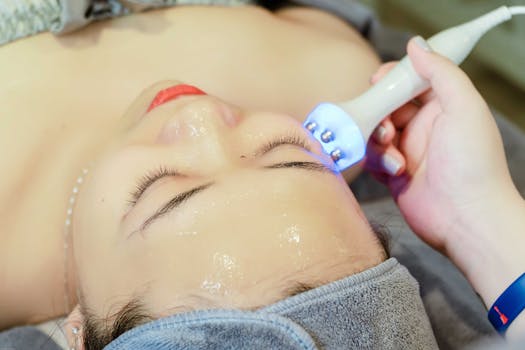
When appropriately selected for a diagnosis and delivered at the correct dose, blue light therapy may offer several benefits.
Targeted reduction of abnormal or inflammatory areas
The goal of treatment is to affect the targeted skin areas rather than altering the entire skin surface. This targeted approach can be useful when lesions are localized or when broad field treatment is planned.
Potential improvement in texture and visible lesions
For conditions such as actinic keratosis, blue light-based photodynamic protocols aim to reduce lesion burden and improve roughness. For acne, the aim is often to reduce inflammatory activity and help calm flare-prone areas.
Non-invasive approach compared with some procedures
Blue light therapy is generally less invasive than certain procedural options, with recovery that is often limited to days rather than longer downtime. However, “less invasive” does not mean “no side effects,” and the skin may still react during healing.
Side effects and risks to know before starting
Even when delivered correctly, blue light therapy for skin can cause side effects. Most are temporary, but knowing what to watch for helps you respond appropriately.
Common short-term reactions
- Redness and irritation: Especially in the treatment field.
- Dryness or peeling: Skin may flake during recovery.
- Swelling or tenderness: Mild inflammation can occur.
- Temporary change in pigmentation: Some people develop darker or lighter patches that fade over time.
Less common concerns
- Blistering or crusting: More likely if the skin is overly sensitive, dosing is too high, or aftercare is inadequate.
- Eye irritation: Typically prevented by proper protective eyewear and correct device positioning.
- Infection risk: Rare, but any skin breakdown increases the need for careful hygiene and monitoring.
Who should be cautious
Certain conditions and medications can increase sensitivity to light or change how skin responds. If you use photosensitizing medications (including some antibiotics, retinoids, or other drugs that affect light sensitivity), you should discuss this with a clinician before treatment. People with a history of unusual skin reactions to phototherapy may also need a tailored plan.
Safety guidance: how to use blue light therapy responsibly
Safety depends on both clinical supervision and correct at-home or device-based use. The most reliable approach is to follow medical guidance for diagnosis-specific treatment.
Protect your eyes and skin
Eye protection is essential during exposure. Devices and clinics typically provide protective eyewear. At home, ensure you follow the manufacturer’s safety instructions precisely, including eyewear requirements, exposure distance, and treatment timing.
Avoid sun exposure before and after treatment
Sun exposure can increase irritation and affect results. Many protocols recommend strict sun avoidance or protective clothing during the treatment period and for a short time after, particularly when a photosensitizer is used.
Don’t treat over suspicious lesions
If a spot looks unusual—rapidly changing, bleeding, ulcerating, or irregular—seek medical evaluation before applying light therapy. Light therapy is not a substitute for diagnosing skin cancer or other serious skin conditions.
Follow the recommended dosing schedule
Consistency matters. Over-treating can increase irritation and prolong healing. Under-treating can reduce effectiveness. Using a device outside its intended parameters—such as changing exposure time without guidance—can compromise both safety and results.
Choosing a setting: clinic-based vs. at-home devices
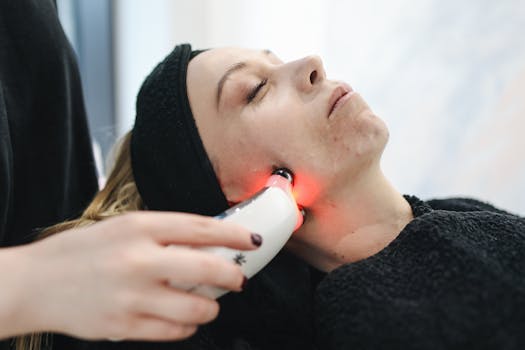
Blue light therapy for skin can be delivered in dermatology clinics, medical spas, and through consumer devices. The key difference is dose control, treatment planning, and the ability to address diagnosis-specific needs.
Clinic-based care
Clinical settings can provide diagnosis confirmation, tailored field selection, and protocols that may include photosensitizing steps when indicated. Clinicians can also assess early skin reactions and adjust treatment to reduce the chance of excessive irritation.
At-home devices
At-home options can be useful for certain goals, but they require careful adherence to instructions. At-home devices may not replicate the same intensity or protocol used for specific medical indications. If you’re treating a condition that requires medical oversight—such as actinic keratosis—work with a clinician to confirm that blue light therapy is appropriate and to monitor progress.
How to evaluate whether the device matches your needs
Look for clear information on wavelength range, treatment area coverage, recommended exposure times, and safety features. If instructions are vague or inconsistent, it’s better to avoid using the device for medical-grade expectations. For diagnosis-driven treatment, a clinician can help align the therapy with evidence-based protocols.
Some people also incorporate complementary skincare steps to support recovery, such as gentle cleansers and moisturizers. These choices can affect comfort and skin barrier recovery, but they do not replace medical evaluation when needed.
Skin preparation and aftercare for better outcomes
Practical aftercare can meaningfully influence comfort and reduce complications.
Before treatment
- Use gentle skincare: Avoid harsh scrubs or strong acids right before a scheduled session unless your provider instructs otherwise.
- Remove makeup and sunscreen: Follow the provider’s instructions for what to cleanse and how thoroughly.
- Don’t wax or irritate the area: If the skin is already inflamed, it may react more strongly.
After treatment
- Moisturize and protect: A bland moisturizer can help reduce dryness and improve comfort.
- Use sun protection: Covering the area and using broad-spectrum sunscreen can reduce pigment changes.
- Avoid picking: If peeling or crusting occurs, leaving it intact supports proper healing.
When to contact a clinician
Contact a clinician if you develop severe blistering, spreading redness, intense pain, pus-like drainage, fever, or symptoms that worsen instead of improving. Early evaluation can prevent escalation and guide safer recovery.
Prevention: reducing the need for repeat treatments
Blue light therapy can be part of a skin care plan, but prevention often determines long-term outcomes—especially for sun-related conditions.
Sun protection is foundational
For conditions linked to ultraviolet exposure, consistent sun protection reduces new lesion development. Use broad-spectrum sunscreen, wear protective clothing, and avoid peak sun hours. Reapply sunscreen as directed, especially during prolonged outdoor activity.
Maintain skin barrier health
Healthy skin barrier function can reduce irritation and help you tolerate treatment courses. Gentle cleansing and appropriate moisturization—without overusing strong actives—often supports better recovery.
Monitor skin changes and schedule follow-ups
Regular skin checks help catch changes early. For people with a history of actinic keratosis or other pre-cancerous sun damage, clinicians often recommend periodic evaluations to manage recurrence promptly.
Frequently asked questions about blue light therapy for skin
Is blue light therapy for skin painful?
Many people experience mild warmth or tingling. Discomfort can increase in protocols that include photosensitizing steps. Pain that feels severe is not typical; if it occurs, the treatment should be reassessed.
How long does recovery usually take?
Recovery commonly lasts a few days, but it can vary based on the condition treated, the intensity of the protocol, and individual skin sensitivity. Some redness and flaking can occur during healing.
Can I wear sunscreen after treatment?
Often, yes—once the provider’s aftercare guidance allows it and the skin is not excessively irritated. Broad-spectrum protection is commonly recommended to reduce pigment changes and irritation from further UV exposure.
Will blue light therapy work for everyone?
No. Effectiveness depends on the specific diagnosis, lesion characteristics, skin type, and the treatment protocol used. A clinician can confirm whether blue light therapy is a good fit.
How soon can I expect results?
Some improvement may appear during the course, but fuller results typically take time as skin heals and lesions respond. Follow-up assessments help determine whether additional sessions are needed.
Are there any long-term risks?
Most side effects are short-term, but pigment changes or prolonged irritation can occur in some individuals. Long-term risk is generally low when therapy is appropriately selected and dosed, but ongoing monitoring is important—especially for sun-damage-related conditions.
What should I avoid during treatment?
Avoid unprotected sun exposure, harsh exfoliation, and unnecessary irritation to the treatment area. If you use medications or skincare actives that may increase light sensitivity, discuss them with a clinician before starting.
Can blue light therapy be combined with other treatments?
Sometimes, but the combination depends on the condition and your skin’s response. A clinician can help coordinate timing so you don’t overload the skin barrier or increase irritation.
09.01.2026. 08:18