

Light Therapy Device Panel vs Wand vs Mask: Which Fits You?

When you’re ready for light therapy, the form factor matters
If you’ve decided to try light therapy, you’re probably running into the same issue: the market doesn’t just sell “light therapy.” It sells different formats—panels, wands, and masks—each designed for a slightly different use case. And that choice affects how easy it is to use consistently, how quickly you can cover the right area, and whether the device actually matches your goals (seasonal mood support, sleep timing, visible skin concerns, or general wellness).
So before you buy, you need to understand what you’re really choosing. You’re not just choosing a brand or a price. You’re choosing a delivery method: how the light reaches your face or body, how much time you’ll realistically stick with, and how much control you’ll have over distance and coverage.
This guide breaks down the practical differences behind light therapy device panel vs wand vs mask, then gives you a clear framework for selecting the right one for your routine and budget.
Start with the basics: what “light therapy” devices usually mean
Most consumer light therapy products fall into two broad categories, and your buying decision should start there.
1) Bright light therapy (often for mood and circadian timing)
This is the classic “10,000 lux for 20–30 minutes” style. It uses intense visible light to influence your biological clock and can support seasonal mood and sleep-wake timing. You’ll typically see claims tied to Seasonal Affective Disorder (SAD), winter blues, jet lag, or sleep schedule shifts.
2) Red light / near-infrared (often for skin and tissue support)
This is usually described with wavelengths like 630 nm, 660 nm, 810 nm, or 850 nm. Many users buy these for skin appearance, recovery, or general wellness. The dosing is often described in terms of power density (mW/cm²), energy density (J/cm²), or treatment time.
Panels, wands, and masks can exist in both categories, but the specs you should look at differ. If you’re mixing up these two categories, it’s easy to end up with the wrong device for your goal.
What a light therapy panel is designed to do
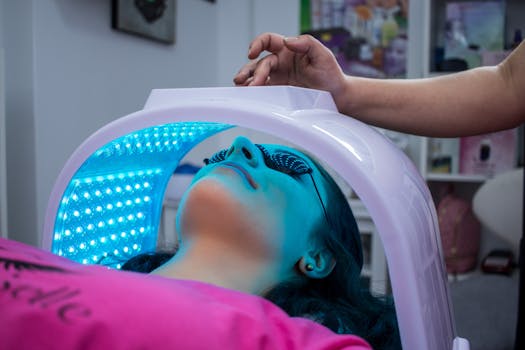
A panel is a flat light source you place in front of you. It’s usually meant for bright light therapy sessions where you sit at a fixed distance and expose your eyes and face to a broad area of light.
Typical panel strengths
- Broad coverage: You get light across a wider field, which can make it easier to keep your session consistent.
- Hands-free routine: You sit, work, read, or relax while the device runs.
- More forgiving positioning: If you’re not perfectly aligned, panels often still deliver usable exposure because the light is spread out.
Common panel specs to check
- Illuminance (lux): For bright light therapy, you’ll often see 2,500 lux, 5,000 lux, or 10,000 lux. If the seller doesn’t mention lux or measurement method, treat it as a red flag.
- Distance and time: Many products assume a specific distance (for example, 12–18 inches / 30–45 cm). The same device can deliver very different exposure if you place it farther away.
- UV safety: Look for “UV-free” or a UV filter specification. You want visible light without harmful ultraviolet output.
- Eye comfort features: Some panels include glare reduction, diffusers, or designs that encourage correct viewing angle.
Real-world scenario
If you wake up late during winter and want something you can use while you drink coffee, a panel often fits best. You can set it up on a desk, sit 20–30 minutes in the morning, and keep your hands free. Consistency is easier because you don’t have to hold anything or wear a device.
What a light therapy wand is designed to do
A wand is a smaller handheld or semi-handheld light source. Depending on the product, it may be designed for bright light therapy in a narrower area, or it may be a focused red/NIR tool intended for targeted skin areas.
Typical wand strengths
- Targeted treatment: You can aim at smaller zones—around the eyes, specific patches, or localized skin concerns.
- Portability: A wand is easy to store and bring on trips.
- Lower commitment setup: For short sessions, you can use it without rearranging your space.
Common wand specs to check
- For bright light: Look for lux at a defined distance and the recommended exposure duration. Many “wand” products are not meant for full facial exposure the way panels are.
- For red/NIR: Pay attention to wavelength (e.g., 660 nm and/or 850 nm), power output, and the advised treatment time per area.
- Beam size: A smaller beam means you’ll need to move it carefully to cover your target area evenly.
- Heat and comfort: If the wand runs warm, you’ll want a safe temperature profile and clear guidance.
Real-world scenario
If you’re dealing with visible redness on a particular area or you want to treat a small patch of skin, a wand can be convenient. You can do a focused session in 5–10 minutes. But if your goal is circadian timing or full-face bright light exposure, a wand may require careful positioning and may not deliver the same broad effect as a panel.
What a light therapy mask is designed to do
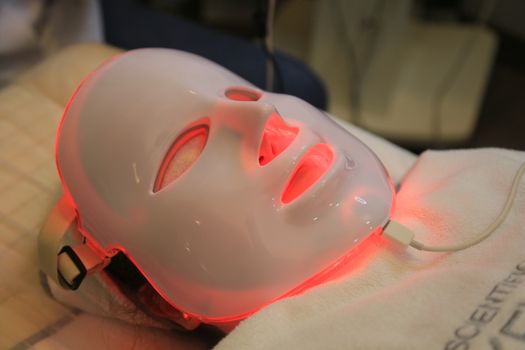
A mask is designed to cover your face while the light runs. It’s often used for red/NIR skin applications, but some devices also exist for bright light therapy. The key is that you place it on your face and follow the manufacturer’s fit and safety instructions.
Typical mask strengths
- Consistent placement: The device positions the light relative to your face, which reduces guesswork.
- Hands-free sessions: You sit back and relax while the mask does the work.
- Even coverage (when designed well): A mask can distribute light across multiple LED zones.
Common mask specs to check
- Wavelengths and output: For red/NIR, check the listed wavelengths and whether the company provides power or dosing guidance.
- Coverage area: Does the mask cover forehead, cheeks, and chin? If you’re treating acne or texture, coverage matters.
- Fit and comfort: Look for adjustable straps, soft materials, and a stable light-to-skin distance. A loose fit can lead to uneven exposure.
- Eye safety: If it’s a bright light mask or includes wavelengths that can affect eyes, it should clearly describe eye safety and whether you should keep eyes open or closed.
Real-world scenario
If you want a repeatable routine and you hate holding devices, a mask can be a strong fit. For example, you can do a daily 10–15 minute session while you watch a show. The trade-off is that you must tolerate wearing it comfortably and ensure it fits your face well enough for consistent results.
Important features and specifications you should compare
To choose confidently, don’t compare only the “type” (panel vs wand vs mask). Compare the specs that determine whether the device matches your goal.
1) Confirm the light type: bright light vs red/NIR
Start by verifying what the device actually emits. If the product uses the wrong category for your goal, you’ll waste time. Bright light therapy is typically measured in lux and time-based exposure. Red/NIR devices are usually described with wavelength and dosing.
2) Measure the output correctly (lux, wavelength, and dosing)
For bright light therapy: Look for a lux rating at a stated distance. Many products specify 10,000 lux at about 12–18 inches (30–45 cm). If the lux rating isn’t provided, or if the manufacturer doesn’t state measurement conditions, it’s harder to know whether you’ll get enough exposure for the recommended session length.
For red/NIR: Look for wavelengths (for example 660 nm and 850 nm), plus dosing instructions that tell you how long to treat each area. If you see only “LED count” or a vague “high power” claim without dosing guidance, be cautious.
3) Distance and positioning control
This is where panel vs wand vs mask becomes practical.
- Panels: You control distance by how you place the device. Many panels assume a specific distance; follow it closely.
- Wands: You control both distance and movement. A wand that targets a small beam can require careful coverage to avoid uneven results.
- Masks: The device controls distance more consistently, but fit quality determines how well it stays aligned.
4) Session length and how you’ll actually use it
Consider the time you can realistically commit. Bright light therapy often falls into 20–30 minutes daily (or near-daily) during the adjustment period. Red/NIR is commonly used in shorter sessions (often 5–20 minutes), but consistency still matters. If you know you’ll skip sessions, pick the format that makes it easiest to follow the schedule.
5) Safety features and comfort
- UV filtering: Especially important for bright light products.
- Glare control: Helps you tolerate the session without discomfort.
- Skin sensitivity: If you have rosacea, eczema, or very reactive skin, choose devices that provide clear usage guidance and start conservatively.
- Eye guidance: If the device involves intense light near the face, the instructions should clearly state eye safety practices.
6) Build quality and reliability
Light therapy is often a “months” commitment. Look for a solid warranty, reputable customer support, and clear information on LED lifespans or replacement parts. If the manufacturer can’t explain how the device is designed to maintain output over time, you may end up paying for a product that fades in performance.
What you should prioritise when choosing between panel, wand, and mask
Use your goal to guide the format choice.
If your main goal is bright light for mood or circadian timing
Prioritise a panel first. Panels are built for broad exposure and are easier to use with correct distance and angle. A wand may work only if it’s truly designed for bright light exposure (with a stated lux rating and correct viewing distance), but many wands are more “targeted” than “full-field.” A mask can be tempting, but you should be extra careful about eye safety and whether the device delivers the right lux to the correct area.
Practical tip: If you’re following a plan that starts with 20 minutes daily, make sure you can stick to that without fiddly positioning. Panels generally win for adherence.
If your main goal is targeted skin treatment (red/NIR)
Choose wand vs mask based on coverage and comfort.
- Wand: Best when you want to treat specific areas and you don’t mind moving it slowly to cover the zone evenly.
- Mask: Best when you want consistent face-wide coverage and hands-free sessions.
Practical tip: If you’re treating a larger area like cheeks and forehead, a mask usually reduces the risk of missing spots. If you’re focusing on small patches, a wand can be more efficient.
If you travel often or have limited space
A wand is usually easiest to pack. A mask can also travel well, but comfort and storage matter. A panel needs a stable spot and enough desk or stand clearance. If you can’t reliably set it up each morning, a panel may frustrate you even if it’s technically “stronger.”
If you have a schedule constraint
If mornings are chaotic, consider a format that requires minimal setup. Many people stick with panels because they can sit in one place. Others prefer masks because they can put it on and forget it. Wands are often easiest for short bursts, but they require more active attention.
Common purchasing mistakes and misunderstandings
These are the issues that most often cause disappointment, returns, or “it didn’t work” conclusions.
Mistake 1: Buying based on LED count or marketing claims
LED count tells you little about actual dosing. For red/NIR, look for wavelengths and dosing instructions. For bright light, look for lux at a stated distance. The numbers matter more than the marketing.
Mistake 2: Confusing distance assumptions
A panel rated at 10,000 lux at 12 inches (30 cm) may deliver far less if you place it 24 inches (60 cm) away. A wand beam that’s designed for a specific standoff distance may under-treat if you hold it farther away.
Mistake 3: Expecting instant results
Bright light therapy often takes days to a few weeks for noticeable mood or sleep schedule changes, especially if you’re adjusting to seasonal patterns. Red/NIR skin goals often require consistent use over weeks. If you buy a device but can’t commit to the timeframe, the problem may be adherence, not the device.
Mistake 4: Treating the “wrong area” for your goal
For bright light therapy, you typically want broad exposure in your line of sight. For skin concerns, you want consistent coverage of the target region. A wand that’s perfect for a small patch may not be ideal for full-face goals, and a mask that covers the whole face may be unnecessary if you only want localized treatment.
Mistake 5: Ignoring safety guidance
If you have eye conditions, are taking photosensitizing medications, or have a history of light sensitivity, you should be cautious. Even if a device is “UV-free,” intense visible light can still be an issue for some people. If you’re unsure, talk to a clinician before you start.
Practical buying checklist and decision framework
Use this step-by-step approach before you check out.
Step 1: Define your outcome in plain terms
- “I want morning mood and sleep schedule support.” (Bright light therapy.)
- “I want to improve the look of skin texture or redness.” (Often red/NIR.)
- “I want targeted treatment for a specific area.” (Wand vs mask based on zone size.)
Step 2: Match the device category to the measurement system
- Bright light: look for lux and the recommended distance/time.
- Red/NIR: look for wavelengths and dosing guidance (time per area).
Step 3: Choose the format that fits your routine
- Panel: best for consistent full-field bright light sessions.
- Wand: best for portability and targeted treatments that you can cover evenly.
- Mask: best for consistent face placement and hands-free use (especially for red/NIR).
Step 4: Verify the “how to use” details
- Is the recommended distance included (in inches or cm)?
- Does it specify whether you should sit facing it, angle it, or keep eyes open/closed?
- Are session lengths realistic (for example, 20–30 minutes daily for bright light)?
Step 5: Check safety and comfort requirements
- UV filter or UV-free claim (bright light).
- Eye safety instructions that make sense.
- Comfort features like diffusers, glare control, or adjustable straps (mask).
Step 6: Look for support you can rely on
- Warranty length (for example, 1–2 years is common; longer can be a plus).
- Clear customer support and replacement policies.
- Transparent information about LED type and expected performance.
Step 7: Plan your first 2 weeks
Don’t just buy and hope. Decide when you’ll use it daily, where you’ll place it, and how you’ll track consistency. For bright light, many people start with a daily session at the same time for at least 1–2 weeks before judging results. For skin-focused red/NIR, you may need several weeks of consistent use to evaluate changes.
Final buyer guidance and recommendations for your next step
To make your choice simple, use this rule of thumb: panels are built for broad bright light sessions, wands are built for targeted sessions and portability, and masks are built for consistent face placement and hands-free routines.
If you’re specifically choosing for mood, winter blues, or circadian timing, prioritize a bright light panel with a stated lux output at a defined distance, and follow the recommended daily schedule. If you’re choosing for skin and you want consistent coverage with minimal effort, a mask can be a practical option—just ensure it provides clear wavelength and dosing guidance and fits comfortably. If you want targeted treatment, easy travel, and you don’t mind careful coverage, a wand can be a good fit.
Before you click “buy,” double-check the measurement system (lux vs wavelength/dosing), confirm the distance and session length match the instructions, and make sure you can realistically use it daily for the first 2–4 weeks. The best device is the one you’ll actually use correctly.
If you want a starting point, look for reputable brands that clearly publish their output specs and usage instructions. For bright light therapy, prioritize devices that state lux and UV safety. For red/NIR, prioritize devices that state wavelengths and dosing guidance per area. That approach will prevent most of the common disappointments people experience when they choose a form factor without verifying the specs.
FAQ
20.01.2026. 20:53