

Massage Gun Feels Weak: Troubleshooting Steps That Actually Help

When your massage gun feels weak, what that usually looks like
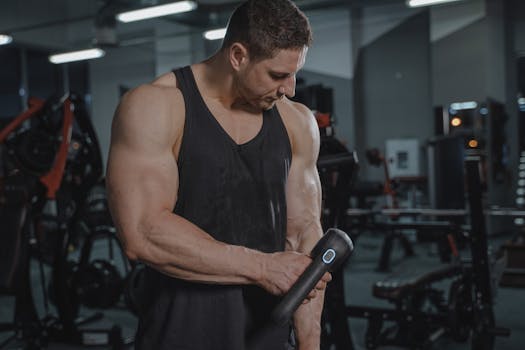
A massage gun that feels weak can show up in a few different ways. Some people notice the device won’t reach its usual intensity even when the knob or app is set high. Others feel reduced impact through the head—less vibration, less “thump,” or a noticeably softer stroke. In some cases, the motor may start normally and then quickly lose power, or the unit may feel weak only at certain speeds or pressure levels.
Because massage guns use a motor and a vibration mechanism, “weak” can be caused by power delivery problems (battery, charging, contacts), mechanical resistance (loose or misaligned attachments), or internal wear (motor strain, controller faults). The goal of troubleshooting is to identify which category you’re in so you don’t waste time swapping parts unnecessarily.
Most likely causes of a weak-feeling massage gun
Start with the simplest, most common causes. Many “weak” issues come down to power or friction rather than the motor fully failing.
- Low battery or battery degradation: Many massage guns become noticeably less powerful as voltage drops. If the unit is old or has been stored fully discharged, performance can decline.
- Charging issues: A charger that isn’t delivering the right output, a loose charging cable, or a worn port can lead to incomplete charging.
- Loose or incorrect attachment: If the head isn’t seated properly, vibration can be dampened. Some attachments also change how much perceived impact you feel.
- Over-pressing the head: Applying too much downward pressure can increase resistance and cause the motor to bog down, especially at higher speeds.
- Clogged or dirty vents / overheating protection: If the device overheats, some models reduce power or stop to protect internal components.
- Worn internals or misalignment: Internal components can wear over time, or the mechanism can become slightly misaligned, increasing load and reducing output.
- Controller or motor drive fault: Less common, but if the gun is properly charged and attachments are correct, the electronics that regulate speed and power may be failing.
Step-by-step troubleshooting and repair process
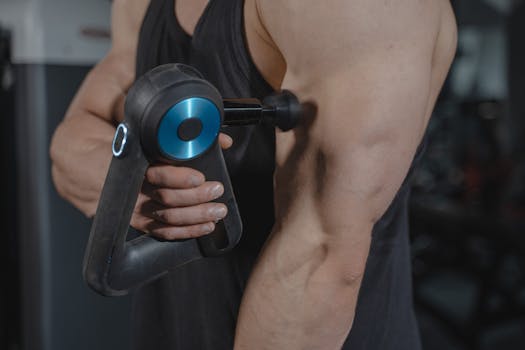
Work through these steps in order. Each step narrows the cause and tells you what to do next.
1) Confirm the issue isn’t caused by technique
Before opening anything or changing parts, test how you’re using the gun.
- Charge the device fully first (or use it on a freshly charged battery).
- Set the speed to a mid level and use a light to moderate touch on a muscle area.
- Do not press hard into the skin. Let the head do the work.
- Try one area for 20–30 seconds, then another, and note whether weakness is consistent across zones.
If the gun feels normal with light pressure but weak under heavy pressure, the “fix” is technique and speed management. Many devices are designed to slow when load increases.
2) Check battery level and verify you’re getting a full charge
- Fully charge the massage gun using the manufacturer’s charger and cable.
- After charging, wait 10–15 minutes before testing (some units show “charged” early).
- If your unit has battery indicators, note whether it drops quickly during use.
If the gun is weak right after a full charge, battery health could be the issue. Rechargeable packs can degrade even if the indicator shows full.
3) Inspect and reseat the attachment head
Weak vibration can be caused by a head that isn’t seated correctly.
- Turn the device off.
- Remove the attachment head.
- Check the attachment stem and the socket for debris, lint, or wear.
- Reinstall firmly until it clicks or sits fully (depending on your model).
- Test again at the same speed you used when it felt weak.
If the gun improves after reseating, your issue was mechanical coupling.
4) Look for overheating and airflow problems
- Feel the casing lightly after a short test. If it gets very hot fast, stop and let it cool.
- Check for blocked vents. Dust can accumulate around the motor housing.
- Run short sessions (for example, 20–40 seconds per area) and allow cool-down between sets.
Some models reduce power when overheated. Cleaning airflow paths can restore performance.
5) Test with a different outlet/charging setup
- If possible, try a different wall outlet.
- Use only the original charger or a charger that matches the required voltage and current specifications.
- Inspect the charging port for looseness or bent contacts.
A charger that’s underpowered can charge slowly or not fully, leading to weak output during use.
6) Check for abnormal noises or a “bogging down” motor
Turn the gun on and listen.
- Normal: smooth vibration with consistent sound.
- Concerning: grinding, rattling, or the motor starting strong and then losing intensity quickly.
- Intermittent: power fluctuates when you hold the grip a certain way.
These signs can point to internal mechanical friction, worn components, or a failing motor drive. If you hear grinding, avoid repeated use at high speed.
Simplest fixes first, then more advanced actions
Once you’ve gone through the tests above, apply fixes in this order. Stop when the gun returns to expected performance.
Try these simplest fixes
- Use lighter pressure: Keep contact firm but not forceful. If you want deeper work, increase time per area or use a different attachment rather than pressing harder.
- Use the right attachment: Some heads feel “softer” depending on shape and how they sit on tissue. Switching heads can make the gun feel stronger without any hardware changes.
- Clean vents and remove debris: Use a dry microfiber cloth to remove surface dust. Avoid liquids inside ports.
- Re-seat the attachment and confirm alignment: A slightly misaligned head can reduce the effective vibration.
- Charge fully with the correct charger: If you suspect an incompatible charger, switch back to the manufacturer’s unit.
Intermediate fixes you can attempt safely
- Reset the unit (if it supports it): Some models require a button sequence to reboot the controller. If your manual lists a reset, follow it.
- Check button responsiveness: If speed buttons or the mode switch feel inconsistent, the controller may not be selecting the correct power level.
- Assess battery indicator behavior: If the gun shows full charge but drops to weak quickly, battery capacity may be reduced.
If you can identify a battery issue, some brands offer replacement battery packs or service options. Softly consider this route before replacing the entire gun.
More advanced fixes (use caution)
- Inspect internal wiring only if you’re comfortable: Loose connectors can cause weak output. However, opening devices can void warranties and increase risk of damage.
- Look for signs of wear or burnt components: If you notice a burnt smell or visible damage, stop using the gun and seek professional help.
- Battery replacement: If your battery is clearly degraded and the device is otherwise intact, a replacement can restore performance. Only do this if the manufacturer supports it or you have a reliable service option.
- Motor/controller service: If the gun is fully charged, attachments are correct, vents are clear, and the motor still bogs down, the motor drive or controller may be failing. This is typically a repair job rather than a DIY fix.
When replacement or professional help is the better move
Not every weak massage gun can be fixed at home, and that’s okay. The key is knowing when continued troubleshooting is likely to cost more than a proper repair.
- Battery replacement isn’t feasible: If the unit doesn’t support battery replacement and performance is still weak after verified full charging, replacement may be the practical path.
- Grinding, burning smell, or repeated overheating: Stop use immediately and seek service. These are warning signs for mechanical or electrical failure.
- Weak output at all speeds right after a full charge: When the gun can’t reach its baseline intensity even under light pressure, internal electronics or the motor mechanism may be at fault.
- Warranty coverage: If your massage gun is within warranty, professional service or a replacement through the manufacturer is often the simplest and safest resolution.
- Charging port damage: If the port is loose or the cable won’t seat properly, repairs are usually best handled by a technician.
If you’re considering a replacement, you can keep your decision grounded by matching features to your needs: stable power under load, good battery health, and consistent speed control. Some users also prefer models with clearer battery indicators or easy-to-service designs. If you want a gentle upgrade path, look for reputable recovery technology brands and consider whether replacement parts or service are available for the device line.
How to prevent “weak” performance from returning
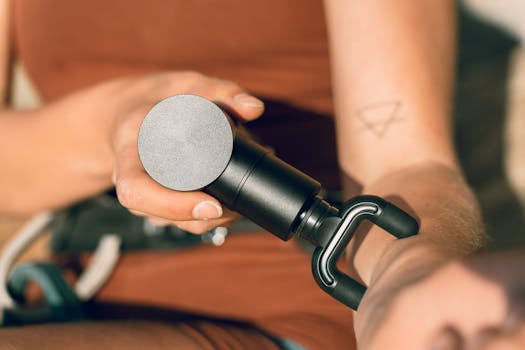
Once you get your gun back to strong output, a few habits help it stay that way.
- Charge fully after regular use: Avoid leaving it fully discharged for long periods.
- Use short sessions and allow cool-down: This reduces overheating and controller power limiting.
- Clean vents periodically: Dust accumulation can change cooling performance over time.
- Keep attachments seated correctly: A loose head can wear parts faster and reduce output.
- Don’t press hard: Let the vibration do the work; heavy pressure increases load and can accelerate wear.
02.12.2025. 20:32