

Recovery Technology After Strength vs Endurance Training

Why recovery technology must match the training stimulus
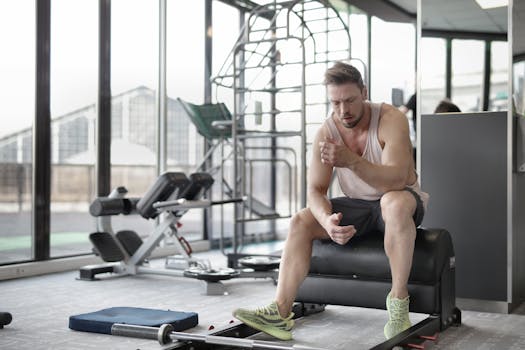
Recovery is not a single process. The “right” recovery strategy depends on what your training stressed: strength work tends to create high neuromuscular fatigue and muscle damage, while endurance work more strongly taxes aerobic systems, glycogen stores, and overall energy balance. Modern recovery technology can support both, but it cannot replace sleep, nutrition, and progressive training. The most effective approach is to align recovery methods—timing, intensity, and modality—with the physiological demands of your session.
This guide explains how recovery technology is best applied after strength versus endurance workouts, what each tool is likely to help, and how to use them without overcomplicating your routine.
What strength training recovery usually needs
Strength training recovery is driven by three main factors: (1) neuromuscular fatigue, (2) muscle tissue disruption (often felt as delayed-onset soreness), and (3) local inflammation and pain signaling that can temporarily reduce force output. Even when performance recovers quickly, the body may still be repairing micro-damage and restoring excitation–contraction efficiency.
Because of this, recovery technology after strength work typically emphasizes:
- Reducing discomfort and improving perceived readiness so you can train again with good mechanics.
- Supporting muscle repair and limiting excessive inflammatory signaling.
- Restoring range of motion and movement quality through soft-tissue effects.
- Maintaining circulation to speed clearance of metabolites—within reasonable limits.
What endurance training recovery usually needs

Endurance training recovery often involves different dominant constraints. Sessions that involve sustained aerobic work, intervals, or long durations can deplete glycogen, increase oxidative stress, and elevate whole-body fatigue. Recovery is therefore more strongly linked to energy repletion, thermoregulation, and systemic restoration.
Recovery technology after endurance work is most commonly used to:
- Accelerate restoration of energy balance by supporting overall recovery processes (indirectly, through improved comfort and circulation).
- Reduce muscle soreness and stiffness, which can interfere with subsequent training quality.
- Manage perceived fatigue so you can return to training without overreaching.
- Support autonomic balance (how your body regulates stress and rest), especially after high training loads.
Cold and heat: when temperature-based tools fit best
Cold water immersion and cryotherapy after strength
Cold exposure is often used to reduce soreness and inflammation-related discomfort. After strength sessions—particularly those with eccentric loading such as heavy lowers, plyometrics, or new movements—cooling can help you feel better sooner. The practical goal is pain modulation and improved comfort, not “instant muscle rebuilding.”
However, timing matters. Very aggressive or prolonged cold immediately after training may blunt some inflammatory signals that contribute to adaptation. For many people, a moderate post-session cooling strategy is a reasonable compromise, especially when the next session is sooner and you need to restore mobility.
Cold exposure after endurance
After endurance, cold can also reduce stiffness and perceived soreness, which may be useful after long runs or hard interval days. Because endurance recovery is frequently more energy- and fatigue-limited than purely muscle-damage-limited, cold may be most valuable as a comfort tool rather than a primary driver of adaptation.
Heat and contrast therapy
Heat can increase tissue temperature and may improve flexibility and movement quality. Contrast approaches (alternating hot and cold) are sometimes used to combine comfort and circulation effects. These methods are generally best treated as mobility and readiness tools, particularly when stiffness is the main barrier to returning to training.
Practical guidance: Choose temperature-based methods based on the limiting symptom. If the issue is soreness and stiffness, cooling or contrast may help. If the issue is stiffness without significant soreness, heat may be more appropriate. Keep sessions time-limited and avoid turning recovery into an endless cycle of extreme temperature exposure.
Compression and recovery boots: circulation support with different priorities
How compression helps after strength training
Intermittent pneumatic compression (IPC) and compression boots are designed to promote fluid movement and reduce swelling. After strength work, where local soreness and swelling can be more prominent, compression may improve comfort and range of motion. Many athletes use it when they want to maintain mobility between sessions or when soreness threatens training quality.
How compression helps after endurance training
After endurance, compression may be useful because leg fatigue and fluid shifts can persist. It may also support a faster “get back to normal” feeling, which can be important after long durations. The strongest expected benefit is often reduced discomfort and improved subjective recovery rather than a direct enhancement of endurance adaptation.
Timing and dosage considerations
Compression is generally most useful in the hours after training or during recovery days, especially when you are not able to walk, move, or sleep enough. Avoid using compression as a substitute for basic recovery behaviors. If compression makes you feel worse (rare, but possible with certain sensitivities), reduce the intensity or frequency.
Practical guidance: Use compression strategically after sessions that leave you noticeably heavy, sore, or stiff. If your next training session is far away and you feel fine, you may not need it.
Electrical stimulation (EMS/TENS): pain modulation and neuromuscular re-education

TENS for soreness management
Transcutaneous electrical nerve stimulation (TENS) is commonly used to reduce pain perception. After strength training, where muscle soreness can limit movement, TENS may help you regain range of motion and reduce discomfort during the first day or two. Because soreness is often the primary limiting factor, pain modulation can have a direct practical benefit.
EMS for neuromuscular activation
Neuromuscular electrical stimulation (EMS) aims to activate muscles and improve recruitment. After strength sessions, this can be useful when you need to restore readiness or when you want to maintain activation during a lighter training day. It should be viewed as a tool for neuromuscular support, not a replacement for actual training stimulus.
Endurance-specific use
After endurance, EMS/TENS can still reduce discomfort, but the main limitation is often systemic fatigue and energy depletion. Electrical stimulation may help with “local” soreness, yet it cannot restore glycogen or correct overall fatigue. In endurance recovery, electrical tools are best considered when soreness or stiffness is interfering with movement and sleep.
Practical guidance: If you use TENS or EMS, keep sessions short and consistent. Prioritize comfort and movement quality. Avoid using high-intensity stimulation that provokes muscle soreness or cramps, especially after long endurance efforts.
Normatech and active recovery devices: balancing movement with fatigue
Some recovery technologies combine compression with a guided, rhythmic sequence. These systems are often used to improve circulation and comfort. After strength training, they can help reduce stiffness so you can move more normally. After endurance, they can support leg comfort and recovery between sessions.
The key principle is to maintain a balance: too little movement can worsen stiffness, but too much additional activity can compound fatigue. Recovery boots and similar devices can be a middle ground when you cannot do a full active recovery session (for example, due to work schedules).
Practical guidance: Treat these tools as “recovery between” rather than an alternative to your recovery day routine. Pair them with walking, light mobility, and adequate fueling.
Hyperbaric oxygen therapy (HBOT): where it fits and where it doesn’t
Hyperbaric oxygen therapy increases oxygen availability in tissues under pressure. It is used in some clinical and athletic settings, but evidence for broad performance recovery claims is mixed and depends heavily on protocol and context. HBOT is typically most relevant when injury, inflammation, or delayed healing is a factor rather than routine fatigue management.
Strength training context: For athletes dealing with significant tissue disruption or injury-like symptoms, HBOT may be considered under medical guidance. For typical DOMS after lifting, it is often unnecessary.
Endurance training context: After hard endurance sessions, HBOT is sometimes discussed for recovery, but the primary constraints—glycogen depletion, systemic fatigue, and sleep debt—are not solved by increased oxygen alone.
Practical guidance: If you are using HBOT, do it for a specific medical or injury-related reason and follow a protocol supervised by qualified professionals. For most training cycles, simpler recovery foundations are more impactful.
Infrared and light-based devices: managing soreness and mobility
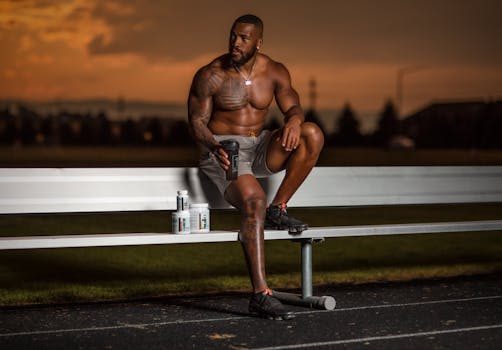
Infrared therapy and similar light-based modalities are often used for comfort and mobility. The proposed mechanisms include improving local blood flow and reducing pain signaling. After strength training, these devices may help loosen stiff muscles and support movement quality during the early recovery window.
After endurance training, light-based methods can also reduce soreness and make it easier to resume light activity. They are generally best treated as a symptom-management tool rather than a primary driver of adaptation.
Practical guidance: If you choose light/infrared therapy, use it to improve mobility and reduce discomfort so you can complete your recovery habits (sleep, nutrition, gentle movement). Avoid relying on it to “erase” fatigue.
Vibration platforms and neuromuscular recovery tools
Whole-body vibration and related devices are sometimes used to improve circulation, reduce stiffness, and influence neuromuscular function. After strength training, these tools may help with perceived readiness and movement efficiency, especially when used as a short, low-to-moderate stimulus.
After endurance training, vibration may help with stiffness and discomfort, but again it does not restore glycogen or correct systemic fatigue. If you feel drained, the priority remains energy intake and sleep.
Practical guidance: Use vibration sparingly and keep it short. If it worsens soreness or causes additional fatigue, reduce frequency or stop.
Timing: when to apply technology after strength vs endurance
Most recovery technologies are most effective when used at the right moment. While exact protocols vary, a useful way to think about timing is:
- 0–6 hours after training: Focus on immediate recovery fundamentals. Some modalities (like light cooling or short compression) may help comfort and reduce soreness, but nutrition and hydration should come first.
- 6–24 hours after strength training: This is often the window where soreness and stiffness peak. Pain modulation, mobility-focused heat, and compression may be most noticeable.
- 6–24 hours after endurance training: Energy restoration and sleep drive most of the recovery. Technology may help with discomfort so you can move and sleep well.
- 24–48 hours: Use tools to support normal movement and readiness, not to chase fatigue elimination. If you’re still very sore after strength training, consider whether the training load was appropriate and whether your next session should be adjusted.
Practical guidance: Don’t stack multiple aggressive modalities back-to-back. Overuse can increase stress, disrupt sleep, or create dependency on devices rather than recovery behaviors.
How to choose recovery technology based on your bottleneck
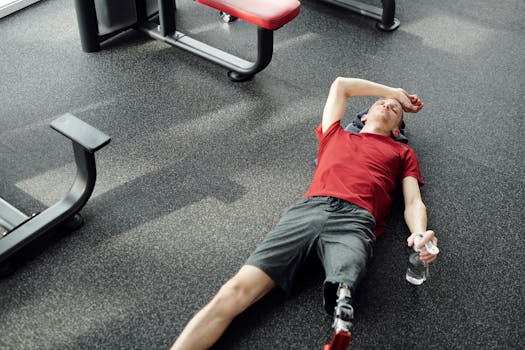
Instead of starting with the device, start with the bottleneck. After strength training, the bottleneck is often muscle soreness, stiffness, and neuromuscular readiness. After endurance, it is often systemic fatigue, energy depletion, and sleep quality.
Use this logic:
- If your main issue is soreness and limited range of motion: prioritize pain-modulating or mobility-support tools (cooling/heat, TENS, light compression) and pair them with gentle movement.
- If your main issue is heavy legs and perceived swelling: compression-based tools may help you feel better and move more normally.
- If your main issue is fatigue, poor sleep, and low energy: recovery technology is secondary. Nutrition, hydration, and consistent sleep routines provide the foundation.
- If your main issue is training quality is threatened: use technology to restore readiness, but also adjust the next session’s intensity or volume if symptoms persist.
Recovery foundations that determine whether technology works
Recovery technology can complement recovery, but it works within the limits of physiology. Sleep, fueling, and training structure decide how much recovery you truly have.
Nutrition and glycogen restoration
After endurance, glycogen depletion is a common limiter. Carbohydrate intake after training supports faster restoration and can improve next-day readiness. After strength training, adequate protein supports muscle repair, and total calories support overall recovery. Technology cannot replace these inputs.
Protein and muscle repair support
Protein distribution across the day and sufficient total intake are key for strength recovery. When soreness is prominent, ensure you are meeting protein targets and not restricting calories unintentionally.
Sleep and stress management
Sleep influences neuromuscular recovery, pain perception, and hormonal balance. After hard endurance days, sleep debt can be the biggest reason you feel “unrecovered,” even if you use multiple devices.
Practical guidance: If you want the biggest ROI from recovery technology, protect your sleep schedule and prioritize post-training fueling. Then add devices only when they address a specific symptom.
Common mistakes when using recovery technology after training
- Using devices for every session regardless of symptoms: This can waste time and effort. Match the tool to the need.
- Overusing aggressive cold or excessive sessions: It may interfere with adaptation for some people and can disrupt comfort.
- Stacking too many modalities: Layering compression, cooling, and stimulation back-to-back can increase overall stress.
- Ignoring training adjustments: If soreness or fatigue is persistent, reduce volume or intensity rather than trying to “buy recovery.”
- Expecting technology to fix energy depletion: For endurance, fueling and sleep are central.
Prevention guidance: reduce the need for recovery technology

One of the best ways to improve recovery is to prevent excessive fatigue and soreness from accumulating. For strength training, this can mean managing eccentric volume, adding load progressively, and ensuring you have at least one lighter session after high-damage workouts. For endurance training, it can mean balancing intensity distribution (including easy days), avoiding sudden spikes in total duration, and maintaining consistent fueling.
If you frequently require recovery technology to function normally, it may be a sign that training load, sleep, or nutrition is misaligned. In that case, the most effective “intervention” is often a training and lifestyle correction, not a stronger device.
Summary: align recovery tools with strength vs endurance demands
Recovery technology works best when it targets the dominant recovery bottleneck. After strength training, tools that reduce soreness, improve mobility, and support neuromuscular readiness can be especially helpful—particularly in the first 24 hours. After endurance training, technology is more effective as a comfort and stiffness management layer, while glycogen restoration, hydration, and sleep remain the primary drivers of real recovery.
Choose fewer modalities, use them at the right time, and let symptoms guide what you apply. When recovery feels consistently difficult, treat the cause—training structure, fueling, and sleep—because that is what determines whether you can sustain progress week after week.
04.03.2026. 04:47