

Best Bedtime Temperature for Deep Sleep: Science and Setup

Why room temperature can make or break your deep sleep

Deep sleep isn’t only about willpower or a perfect bedtime routine. Your body’s ability to drop core temperature and maintain a stable, comfortable environment is a major driver of how easily you fall asleep and how deeply you stay asleep.
When your bedroom is too warm, your core temperature tends to stay higher than it should. That can delay the sleep onset process and reduce the depth of sleep you achieve. When it’s too cold, you may wake more often or spend more time shivering or adjusting blankets.
The key isn’t a single magic number that works for everyone. It’s the relationship between your body’s natural temperature rhythms, your bedding, and the air temperature in the room. Still, research does point to a practical target range that many people can use as a starting point.
In this article, you’ll learn what “best bedtime temperature for deep sleep” means physiologically, what range to aim for, how to fine-tune it using real measurements, and how to avoid common mistakes—especially during seasonal swings.
The physiology behind deep sleep and your body’s temperature drop
Deep sleep (often associated with slow-wave sleep) is tightly linked to your circadian rhythm and thermoregulation. As evening approaches, your body begins preparing for sleep by gradually lowering core temperature. That drop helps signal that it’s time to rest.
Your hypothalamus and surrounding brain regions coordinate this process. They balance heat production and heat loss through:
- Skin blood flow (how much warm blood reaches the skin)
- Sweating and evaporative cooling
- Shivering and behavioral responses (changing posture, adjusting blankets)
- Heat conduction and convection through your bedding and room air
If the room is warmer than your body can comfortably dissipate heat, your core temperature may not fall as effectively. If the room is cooler than you can tolerate with your current bedding, you may trigger discomfort responses that fragment sleep.
For many people, the “deep sleep window” is easiest to reach when the bedroom is cool enough to support the normal temperature decline, without pushing you into cold-stress reactions.
So what is the best bedtime temperature for deep sleep?

Most sleep physiology guidance converges on a fairly narrow practical range for many adults. A commonly cited target is 60–67°F (15.6–19.4°C) for sleeping. Within that range, many people can achieve both comfort and a stable environment that supports the body’s natural cooling.
However, your personal “best” depends on how you lose heat at night. Two people can sleep comfortably at the same room temperature but have different body heat production, sweat rates, and bedding insulation.
Here’s a grounded way to think about it:
- If you tend to run warm, lean toward the cooler side of the range (for example, around 60–64°F / 15.6–17.8°C).
- If you tend to run cold, lean toward the warmer side (for example, around 64–67°F / 17.8–19.4°C), and rely on bedding and socks rather than raising the room temperature too much.
It’s also helpful to distinguish “time to fall asleep” from “sleep depth.” A bedroom that’s slightly cooler than what you find merely “comfortable” can sometimes improve the conditions for deeper sleep by enabling more consistent heat loss during the first part of the night.
Real-world note: many people notice that they sleep more deeply in winter or in air-conditioned rooms, not because they’re “more relaxed,” but because the environment supports a better thermoregulation pattern.
How to measure your bedroom temperature like a sleep scientist
Before you chase a number, you need accurate measurement. Household thermostats can be misleading due to sensor placement, airflow, and temperature gradients.
Use this practical approach:
- Place a thermometer or temperature sensor near your bed, roughly at mattress height (about 12–24 inches / 30–60 cm above the floor), away from direct airflow.
- Measure for at least 3–7 nights so you capture typical nightly fluctuations.
- Note the time you go to bed and the time you wake. Temperature often drifts overnight depending on HVAC cycles.
Look for patterns rather than single readings. If your room is 66°F at bedtime but rises to 72°F by 2 a.m., you may be undermining deep sleep during the later-night hours when you’re more likely to experience sleep fragmentation.
If you share a bed, temperature preference can differ. In that case, consider comfort adjustments (bedding layers, blankets, and wearable options) rather than forcing the entire room to satisfy both people.
Cooling vs. warming: what happens during the night
Temperature needs change across the sleep cycle. Early in the night, your body is transitioning into sleep and beginning the temperature decline that supports deeper stages. Later, you may experience more awakenings and lighter sleep, especially if the environment becomes uncomfortable.
Many people do best with a room that stays relatively stable. Large temperature swings can cause micro-discomfort—your body responds even if you don’t fully wake up.
Consider these practical patterns:
- Too warm early in the night: you may take longer to fall asleep, and deep sleep may be reduced.
- Too warm later: you may wake more often, or feel restless as your body tries to cool down.
- Too cold at any point: you may wake due to discomfort, even if you fall asleep quickly.
Instead of aiming for a single momentary temperature, aim for a stable environment that supports normal cooling throughout the night.
Bedding and clothing: how they change the “best” temperature

Room air temperature isn’t the only variable. Your bedding’s insulation and your sleep clothing determine how quickly heat moves from your skin to the environment.
Think of your bed like a thermal system with layers. If you add a thick comforter, you can often tolerate a slightly cooler room while staying comfortable. If you sleep with minimal bedding, a warmer room may be necessary to avoid discomfort.
Practical guidance you can apply immediately:
- Use layers you can adjust. For example, a breathable sheet plus a blanket you can add or remove.
- Pay attention to extremities. If your feet are cold, your body may increase heat retention elsewhere or you may shift more. Warm socks can sometimes help without overheating the whole room.
- Choose breathable materials. Cotton, bamboo-like blends, and moisture-wicking fabrics can reduce the “sticky warmth” that can disrupt sleep.
Real-world scenario: Suppose you sleep in a 70°F (21°C) bedroom because your home is too warm, but you use a heavy comforter and thick pajamas. You may feel “fine” at bedtime, yet wake at 3–4 a.m. feeling hot and sweaty. If you instead lower the room to around 66°F (19°C) and switch to a lighter bedding layer, you can support the temperature drop without triggering discomfort.
Humidity matters: the hidden factor behind “too warm” nights
Even if the air temperature is in your target range, humidity can change how your body experiences it. High humidity reduces evaporative cooling efficiency. That means you may feel warm at a given temperature because sweat doesn’t evaporate as effectively.
In practical terms:
- If your bedroom is humid, you may need the temperature on the cooler end of the recommended range.
- If your bedroom is very dry, you may feel cold faster, especially if you’re using strong airflow.
A useful target for many bedrooms is 30–50% relative humidity. If you don’t know your humidity, a basic hygrometer can help you interpret whether “comfort” issues are temperature-related or moisture-related.
If your humidity is high, consider ventilation strategies that don’t create drafts. A fan can improve airflow and help with heat dissipation, but it shouldn’t blow directly on your face if that causes irritation or dryness.
Airflow, fans, and drafts: improving cooling without discomfort
Air movement can increase convective heat loss from your skin, which can help you reach and maintain a comfortable temperature. That’s one reason many people sleep better with gentle airflow.
But direction matters. A fan aimed directly at you can dry your eyes, irritate your nose, or create uneven cooling that causes awakenings.
Practical setup options:
- Use a fan to circulate air in the room, not to blast you.
- Try placing the fan so it moves air across the room or toward a wall to diffuse the airflow.
- If you use HVAC, ensure it doesn’t create strong drafts at bed height.
If you’re trying to dial in the best bedtime temperature for deep sleep, treat airflow as a modifier. It can allow you to stay comfortable at a slightly cooler room temperature without feeling chilled.
Timing the temperature: what to do before you get into bed
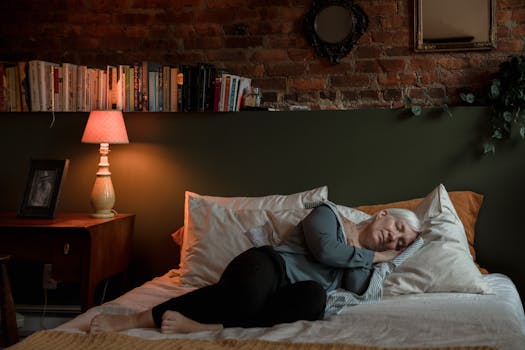
Thermoregulation doesn’t happen instantly. Your body responds over time as heat is exchanged between your skin and the environment.
A practical approach is to cool the room before you get into bed. Many people find it helpful to:
- Start cooling the bedroom 30–60 minutes before bedtime.
- Keep the environment stable once you’re in bed.
If you rely on an HVAC system with cycles, you can still improve timing by learning how long it takes to reach your target temperature. For example, if your room typically drops 2–3°F (about 1–1.7°C) within 45 minutes, you can schedule your cooling accordingly.
Real-world scenario: In summer, you might set your thermostat to 66°F at bedtime. But if it takes 60–90 minutes to reach that temperature, you may spend the first part of the night in a warmer environment. Instead, pre-cool the room earlier, then maintain it.
Common mistakes that block deep sleep
Even when people know they should sleep cooler, a few recurring issues can prevent the benefits.
Chasing “cool” without controlling comfort
If you lower the temperature too aggressively, you may fall asleep quickly but wake more often. Your body may respond with shivering or restless repositioning, which reduces sleep continuity.
Ignoring night temperature drift
Some thermostats allow the temperature to rise overnight to save energy. If your bedroom warms by 5–8°F (2.8–4.4°C) after midnight, you may notice more awakenings. Monitoring for a week can reveal this pattern.
Using heavy blankets at the same time you cool the room
Layering isn’t wrong. But if you both lower the room temperature and add very heavy insulation, you may swing between cold and warm discomfort. Adjust bedding to match the room.
Over-relying on a single setting
Sleep depth responds to multiple cues: light exposure, stress, caffeine timing, and physical activity. Temperature is important, but it works best as part of a broader sleep optimization plan.
How to personalize your target temperature range
You can treat the recommended range as a starting point and personalize from there using simple observations.
Try this method over 1–2 weeks:
- Pick a starting target within 60–67°F (15.6–19.4°C).
- Keep bedding consistent for several nights so you can attribute changes to temperature.
- Track three signals: time to fall asleep, number of awakenings, and how refreshed you feel.
If you tend to feel too warm (sweaty, tossing, waking hot), reduce the temperature by 1–2°F (about 0.5–1.1°C) or adjust bedding to a lighter layer. If you feel too cold (chills, waking to add blankets), increase by 1–2°F or add a warmer layer rather than raising the room dramatically.
Because each person’s thermoregulation differs, personalization matters more than any single “best” number.
Special situations: when temperature targets need adjustment

Some life circumstances can shift your heat production or sensitivity to temperature.
Seasonal changes and HVAC limitations
In winter, you might not be able to keep the room as cool as you want. In that case, focus on bedding and airflow. A cooler room is helpful, but comfort and stability still matter.
Fever, illness, and recovery
If you’re sick or have a fever, your body’s temperature regulation changes. In that situation, follow medical guidance and prioritize comfort. You may need different bedding and room conditions than usual.
Hormonal changes and night sweats
Hormonal shifts can increase night sweating for some people, especially around menopause. If you’re dealing with night sweats, lowering the room temperature toward the cooler end of the range and improving breathability can help, but you should also consider discussing persistent symptoms with a clinician.
Children and older adults
Temperature needs can differ by age due to differences in metabolism and sensitivity. If you’re optimizing for a child or an older adult, use more conservative adjustments and prioritize comfort and safety.
Putting it all together: a practical bedroom setup plan
If you want a straightforward plan that aligns with the science, start here.
Step 1: Choose a starting temperature
Begin in the 60–67°F (15.6–19.4°C) range. If you run warm, start closer to 60–64°F. If you run cold, start closer to 64–67°F.
Step 2: Pre-cool the room
Cool the bedroom 30–60 minutes before bed so the environment supports the body’s temperature decline process.
Step 3: Match bedding to the room
Use layers you can adjust. If you’re cooling the room, consider lighter bedding with a breathable comforter or blanket rather than heavy insulation that can trap heat.
Step 4: Stabilize temperature overnight
Reduce large fluctuations. If your HVAC cycles widely, consider settings that keep the temperature more consistent.
Step 5: Add airflow carefully
Use gentle circulation rather than a direct blast. Fans can help heat dissipation, but drafts can cause discomfort.
Step 6: Measure for a week
Use a bedside sensor for 3–7 nights. Look for temperature drift and adjust in small steps (1–2°F) rather than big changes.
This approach gives you a controlled way to find your best bedtime temperature for deep sleep without guessing.
Summary: the most reliable temperature strategy for deep sleep
The best bedtime temperature for deep sleep is best understood as a supportive environment for your body’s natural cooling process. For many adults, the practical target is 60–67°F (15.6–19.4°C). Your ideal point within that range depends on how you manage heat through skin blood flow, sweat, bedding insulation, and airflow.
To improve deep sleep outcomes, focus on:
- Cool enough to support temperature decline (often 60–67°F)
- Not so cold that you wake from discomfort
- Stability overnight rather than a one-time bedtime setting
- Bedding and humidity that match your room conditions
- Pre-cooling 30–60 minutes before you get into bed
If you apply these steps and adjust in small increments based on your actual experience, you’ll get closer to the temperature that helps you reach deeper, more restorative sleep.
Prevention guidance: keep your sleep environment consistent
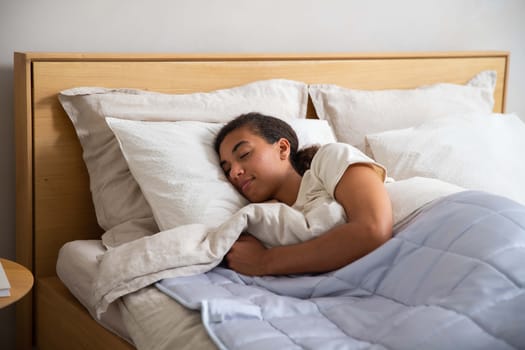
Once you find a temperature that supports deep sleep, protect it from common disruptions. Avoid letting your bedroom drift wildly overnight, and don’t change bedding and temperature at the same time—your results will be harder to interpret. If you travel or your HVAC schedule changes, re-check the conditions within the first few nights rather than waiting until you’ve accumulated frustration.
Sleep depth is sensitive to the details. Temperature is one of the most controllable variables you have. When you treat it as a thermoregulation tool rather than a guess, your nights become more consistent—and your deep sleep more achievable.
29.04.2026. 20:29