

Best Wearable for Sleep Staging Accuracy (2026 Comparison)

What “sleep staging accuracy” really means—and why wearables differ
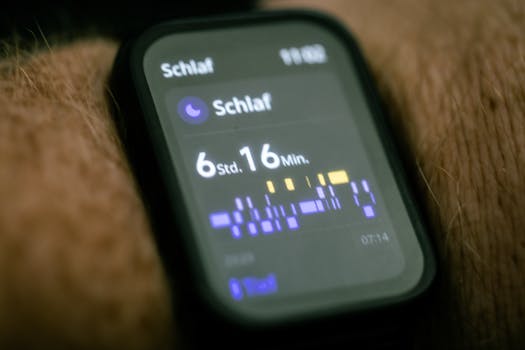
Sleep staging accuracy is about how closely a wearable’s detected stages (typically Awake, REM, Light, and Deep/N3) match what a clinical system would score using EEG. In real life, there’s no single number that applies to every person because performance changes with your physiology, sleep position, movement, and even room conditions.
That’s why this comparison focuses on the factors that actually move the needle for accuracy:
- Signal quality: how reliably the device tracks heart rate and breathing signals during the night.
- Model sophistication: whether the sleep algorithm uses additional inputs (like HRV trends, respiratory rate, motion, and temperature) beyond basic heart rate.
- Stage mapping: how the wearable translates its internal metrics into REM vs deep sleep boundaries.
- Practical usability: comfort, fit stability, and whether you’ll wear it correctly for 30–60 nights to establish a baseline.
In this guide, you’ll compare leading wearables that claim sleep staging, including Oura Ring, WHOOP, Garmin watches (notably the Venu and Forerunner lines where supported), and Apple Watch (using its sleep tracking ecosystem). You’ll also see where they tend to diverge in real-world use—especially for REM detection and nighttime awakenings.
Quick summary: the strongest overall option for most people
If you want one wearable that most consistently delivers usable sleep stages (and not just “sleep duration”), Oura Ring is the strongest overall pick. It tends to be better at distinguishing sleep phases from nightly physiology patterns, and it’s particularly good when you want actionable recovery insights alongside staging.
If you’re training hard and want a more performance- and recovery-driven experience, WHOOP is a strong alternative. If you want a watch with broad fitness tracking and a more “athlete dashboard” feel, certain Garmin models can be a compelling choice. Apple Watch can work well for convenience, but its stage-level confidence generally depends more on nightly consistency and interpretation.
Side-by-side comparison: best wearable for sleep staging accuracy
Below is a practical comparison of the most common options people consider when they’re specifically chasing sleep staging accuracy. Exact performance varies by study design and firmware version, but these differences reflect what users typically see and what the signal approaches suggest.
| Wearable | Primary sensing approach | Sleep stages typically shown | What it’s best at | Where accuracy often drops | Typical “fit” requirement |
|---|---|---|---|---|---|
| Oura Ring | Finger PPG + skin temperature + motion; HR/HRV modeling | Awake, REM, Light, Deep | Stage consistency across nights; recovery context | Very restless sleep; ring fit issues; alcohol-heavy nights | High—correct size matters |
| WHOOP | Wrist PPG + HRV + motion; algorithmic recovery scoring | Awake, REM, Deep (and light/rest categories depending on view) | Trend tracking for athletes; actionable recovery | Wrist motion artifacts; naps and fragmented sleep | High—tight, stable wrist placement |
| Garmin (varies by model) | Wrist PPG + HRV + motion; some models add respiration estimation | REM, Light, Deep (naming can vary) | Long-term tracking with training load context | REM boundaries; irregular sleep schedules | Medium to high—consistent strap placement |
| Apple Watch | Wrist PPG + motion; uses sleep stages from its sleep framework | REM, Core/Deep (terminology varies by view) | Convenience; easy setup; good habit adherence | Night-to-night comparability; stage confidence | Medium—strap tightness and fit consistency |
Real-world performance differences you’ll actually notice
Here’s what tends to separate the “best wearable for sleep staging accuracy” contenders in daily life—not in marketing slides.
1) REM detection: where algorithms disagree most
REM is often the stage people care about most because it’s tied to memory consolidation and emotional regulation. In practice, REM boundaries are the hardest for wearables to nail.
With Oura Ring, you’ll typically see REM estimates that change meaningfully when your recovery state changes (for example, after a hard workout week). WHOOP can also show strong stage trends, especially when you wear it consistently and your nights aren’t too fragmented.
Garmin and Apple Watch can be solid for “directional” REM (more or less REM compared to your baseline), but their REM vs light transitions can look jumpier if your sleep schedule is inconsistent or your wrist moves a lot.
2) Deep sleep: sensitive to movement and fit
Deep sleep estimates are heavily influenced by signal stability. If your wearable loses contact—because of a loose strap, a ring that’s too large, or frequent tossing—deep sleep can be underestimated or smoothed.
WHOOP is particularly sensitive to wrist placement. If you wear it like a loose fitness band, the night can look “lighter” than it should. If you wear it snugly and consistently, its deep sleep trendlines often become more reliable.
Oura tends to be stable when your ring size is correct. A ring that’s slightly off can cause larger swings in stage totals, especially on nights with elevated movement.
3) Awake time and fragmentation: the “signal quality” test
Awake detection is where wearables often surprise people. You might not feel like you woke up, but the device can detect micro-awakenings through changes in heart rate and movement.
If your nights are fragmented—kids, pets, noise, or a late caffeine habit—Oura often produces a cleaner breakdown. Garmin is generally consistent, but the stage mapping can sometimes compress fragmented nights into fewer transitions. Apple Watch can be excellent for capturing the fact that your sleep was interrupted; the exact stage distribution may be less stable.
4) Naps: harder than nighttime for most devices
Most sleep staging models are tuned for 6–9 hours of sleep. Short naps (20–45 minutes) can be tricky because your body may not cycle through the same patterns.
In a practical scenario: imagine you take a 30-minute afternoon nap after a stressful morning. With WHOOP and Oura, you may still get useful “sleep vs not sleep” context, but REM/deep totals may be less reliable. Garmin can show naps, but stage accuracy can be more variable. Apple Watch is convenient for naps, yet stage confidence is often lower when the sleep window is short.
Pros and cons breakdown for each wearable
Oura Ring
Pros
- Strong stage consistency across many nights when fit is correct.
- Great recovery context (readiness, readiness trends) that helps you interpret stage changes.
- Comfort advantage: wearing a ring makes it easier to keep consistent overnight without strap adjustments.
- Often better at distinguishing stage transitions than many wrist-based competitors.
Cons
- Fit is everything: if your ring size is off, staging can drift.
- Less “athlete dashboard” than a full watch ecosystem.
- Limited casual metrics compared with watches (you won’t get the same level of HR/fitness display).
WHOOP
Pros
- Excellent for training-focused users who want recovery decisions tied to sleep stages.
- Good trend tracking over weeks, which matters more than one-night accuracy.
- Snug fit design can improve signal quality if you wear it correctly.
Cons
- Wrist motion artifacts can affect staging if the band is too loose.
- Fragmented nights (frequent awakenings) can reduce stage clarity.
- Less intuitive for casual sleep-only tracking than a watch interface.
Garmin (selected models)
Pros
- Best for people who already train with Garmin (workouts, HR trends, training readiness).
- Long-term consistency: you can correlate sleep stages with training load.
- More sensors and features depending on the model (some offer better respiration-related estimation).
Cons
- REM boundaries can be less stable than the top ring-focused options.
- Accuracy depends on strap placement—a small change can shift results.
- Stage names and categories may not match across models, which can confuse comparisons.
Apple Watch
Pros
- Convenience: setup is usually quick, and you’ll actually wear it every day.
- Strong ecosystem for habits and reminders that support sleep routines.
- Good for general stage awareness (more vs less REM, deep, and overall sleep timing).
Cons
- Stage-level accuracy can vary based on your sleep position and wrist movement.
- Harder to treat as “clinical-grade”: use it for trends, not lab-level verification.
- Interpretation can be subjective because interface categories may not align perfectly with other devices.
Best use-case recommendations for different buyers
Choosing the right wearable is less about “who wins on paper” and more about what you’ll do with the data. Here are clear scenarios to help you match your priorities.
If you want the most reliable stage tracking with minimal hassle
Choose: Oura Ring.
Why: you get finger-based sensing that often stays stable overnight, and you can interpret stage changes alongside readiness and recovery. This is ideal if you want to improve sleep quality without constantly adjusting a watch strap.
If you’re an athlete or high-intensity trainer and want recovery decisions
Choose: WHOOP.
Why: the platform is designed around training stress and recovery. Sleep stages become a decision input, not just a graph. If you wear it snugly and consistently, the stage trends can be very actionable—especially across 2–6 week training blocks.
If you already live in a training ecosystem and want sleep + performance together
Choose: Garmin (depending on model).
Why: Garmin’s strength is tying sleep metrics into a broader performance picture. If you monitor HRV trends, training load, and recovery, you’ll benefit from seeing sleep stages as part of the same system.
Tip: if REM accuracy is your top priority, you’ll want to compare your results over 3–4 weeks and confirm the device’s stage patterns are stable for your body.
If you want “good enough” staging with maximum convenience
Choose: Apple Watch.
Why: you’re more likely to wear it every night, which improves the value of trends. If you’re trying to build a sleep routine—consistent bedtime, fewer late-night disruptions—Apple Watch can support that behavior extremely well.
Just don’t treat stage numbers like lab outputs. Think of it as a coaching tool for your habits.
Final verdict: which wearable suits your sleep staging goals?
Here’s the bottom line based on typical real-world differences in stage stability, fit sensitivity, and how you’ll likely use the data.
- Best overall for sleep staging accuracy: Oura Ring. It’s the most consistent option for stage breakdowns when fit is correct, and it pairs staging with recovery context.
- Best for athletes who want staging tied to recovery decisions: WHOOP. Accuracy improves when you maintain a snug fit, and its trend-based approach works well for training cycles.
- Best if you want sleep stages inside a broader training ecosystem: Garmin. Great for correlation with training load and HR trends; stage precision can vary more than the top ring option.
- Best for convenience and habit-building: Apple Watch. Useful for tracking your sleep pattern and general stage shifts, but stage confidence is less consistent night-to-night.
If your goal is to pick one device and trust its stage trends to guide changes—like adjusting caffeine timing, reducing late-night screen exposure, or improving sleep consistency—start with Oura Ring. If your goal is to make training and recovery decisions, WHOOP is often the better “decision engine.” And if you want a watch-first approach with sleep as one feature among many, Garmin or Apple Watch can still get you meaningful improvements—just expect more variability in the exact REM/deep boundaries.
19.05.2026. 20:08