

Nootropics for Memory: Evidence and Safety You Can Rely On

Why “memory boosters” need evidence, not hype

Nootropics are often marketed as tools to sharpen memory, speed learning, or protect against cognitive decline. The reality is more nuanced. Some compounds have promising data for specific outcomes, while others have weak or inconsistent evidence, and many products on the market are not well standardized. This article addresses common myths about “nootropics for memory evidence and safety,” focusing on what research supports, what risks are realistic, and how to make safer decisions when considering supplements or prescription options.
Because memory is influenced by sleep, stress, nutrition, medications, and health conditions, it’s also important to separate true cognitive effects from improvements that come from addressing underlying causes.
Myth: “If it’s sold as a nootropic, it must be safe”
Safety is not guaranteed by marketing language. Dietary supplements are regulated differently than prescription drugs, and quality can vary widely. Even when a compound is generally tolerated, individual risk factors matter—such as cardiovascular disease, liver or kidney problems, pregnancy, psychiatric history, and use of interacting medications.
Key safety concerns include:
- Contamination and labeling issues: Some products have inaccurate ingredient lists or unexpected contaminants.
- Dose variability: Capsules may not match the claimed amount, and “proprietary blends” can obscure true dosing.
- Drug interactions: Memory-related supplements may affect neurotransmitters or liver enzymes, altering the effects of other medications.
- Side effects that mimic “brain fog”: Overstimulation, sleep disruption, anxiety, or gastrointestinal effects can worsen memory indirectly.
A safety-first approach starts with verifying ingredients, checking for third-party testing when possible, and reviewing potential interactions with a clinician or pharmacist.
What the evidence actually shows for memory
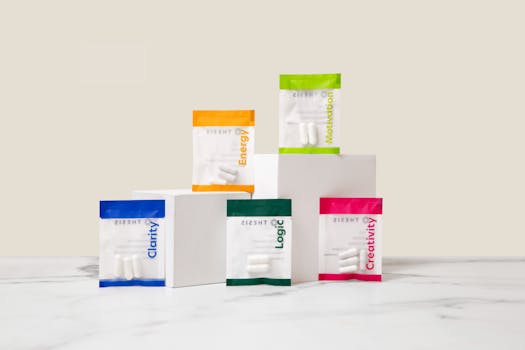
Research on cognitive enhancers varies by compound and population. Some trials are small, short, or use outcomes that don’t translate cleanly into everyday memory performance. Still, patterns emerge.
1) Caffeine: reliable for attention, not a magic memory switch
Caffeine can improve alertness and attention, which may indirectly support learning and short-term recall. However, it does not “store more memory” by itself. Excess caffeine can reduce sleep quality, and poor sleep is one of the strongest risk factors for worse memory.
Practical guidance: If caffeine is used, consider timing (earlier in the day), total daily limits, and how it affects sleep. For some people, reducing caffeine improves memory more than increasing it.
2) L-theanine: possible calming support with limited memory claims
L-theanine is often studied for stress reduction and relaxation. By reducing anxiety or improving focus in combination with caffeine, it may support conditions that help memory formation. Evidence for direct long-term memory improvement is less robust than for attention and stress-related outcomes.
Practical guidance: If stress is a major barrier to recall, a sleep and stress plan may outperform a supplement. When supplements are considered, monitor for drowsiness and daytime impairment.
3) Creatine: more evidence in specific contexts than “general memory”
Creatine is widely known for muscle energy metabolism, but it may also support brain energy availability. Some studies suggest benefits for cognitive performance under stress, sleep deprivation, or in certain populations. The strongest take-home message is that effects are more plausible when the brain’s energy demands are higher.
Practical guidance: Creatine monohydrate is commonly studied and is generally well tolerated for many adults. Still, anyone with kidney disease should consult a clinician before using it.
4) Omega-3 fatty acids: gradual support when deficiency or diet gaps exist
Omega-3s (especially EPA and DHA) are linked to brain health. Evidence for cognitive enhancement is mixed, but benefits may be more likely when dietary intake is low or when addressing cardiovascular and inflammatory risk factors that affect cognition over time.
Practical guidance: Rather than chasing a “memory effect,” focus on overall diet quality and consistent intake. If using supplements, look for transparent sourcing and dosing information.
5) Bacopa monnieri and similar botanicals: slow but not guaranteed
Bacopa monnieri has human trials suggesting improvements in aspects of memory and learning, often after weeks of use. However, results are not uniform, and the mechanism is not instant. People expecting immediate recall improvements may misinterpret normal timelines as failure.
Practical guidance: If trying a botanical with a multi-week study profile, avoid stacking many agents at once. Track sleep, stress, and side effects so you can tell whether any change is real.
Common “memory nootropic” myths that can mislead decisions
Myth: “More ingredients means stronger memory results”
Stacking multiple compounds can increase side-effect risk and make it harder to interpret what’s working. Many cognitive supplements also share overlapping mechanisms (such as cholinergic or stimulant effects), which can compound adverse effects.
Myth: “Natural equals risk-free”
Natural compounds can still cause harm. Botanicals may affect liver enzymes, interact with medications, or worsen anxiety and sleep. “Natural” only describes origin; it does not measure safety for a specific person.
Myth: “If it helps in a study, it will help you the same way”
Trial participants often differ from real-world users in age, baseline cognition, health status, and medication use. Effects may be strongest in people with a specific deficiency, stressor, or impairment.
Safety risks to consider before using nootropics
Safety depends on the compound, dose, duration, and your health context. The following risk areas come up repeatedly in safety discussions.
Interactions with prescription medications
Some supplements can alter drug metabolism or neurotransmitter activity. This is especially relevant for:
- Antidepressants and antianxiety medications
- Stimulants for attention disorders
- Blood pressure and heart rhythm medications
- Anticoagulants and antiplatelet drugs
- Diabetes medications
If you take any regular medication, review the supplement list with a clinician or pharmacist rather than guessing.
Sleep disruption and “false memory improvement”
Stimulant-like effects may temporarily improve perceived focus. But if they impair sleep, longer-term memory can worsen. Sleep quality also influences mood and stress hormones, which feed back into learning.
Practical guidance: If you notice insomnia, early awakening, or increased anxiety, stop and reassess. Sleep hygiene changes often produce more reliable memory benefits than adding another compound.
Digestive effects, headaches, and mood changes
Common side effects include nausea, diarrhea, headaches, irritability, or emotional blunting—each of which can interfere with concentration and recall. Serious symptoms (such as allergic reactions, chest pain, severe agitation, or jaundice) require urgent medical evaluation.
Quality control and third-party testing
Because supplement manufacturing varies, third-party testing can reduce the risk of mislabeled or contaminated products. Look for clear ingredient lists, standardized amounts, and batch testing where available. Avoid products that do not provide dosing transparency.
How to evaluate nootropic claims responsibly
Evidence quality matters. When reading claims, consider:
- Outcome type: Does the study measure memory directly (e.g., recall tasks) or only attention?
- Population: Was it studied in healthy adults, older adults, or people with cognitive impairment?
- Duration: Short trials may not reflect longer-term safety or effects.
- Effect size and consistency: Are results replicated or isolated?
- Adverse events reporting: Does the paper clearly describe side effects and dropout reasons?
One practical approach is to change only one variable at a time. If multiple supplements are started together, the “cause” of any benefit or side effect becomes unclear.
Practical guidance for safer memory support
If you’re considering nootropics, aim for a safety-first plan rather than a high-stack strategy.
- Start with the basics that have the strongest evidence: consistent sleep, regular physical activity, adequate protein and omega-3 intake, and stress management.
- Check medication interactions: especially if you use antidepressants, stimulants, anticoagulants, or blood pressure medications.
- Use conservative dosing: avoid exceeding label directions, and don’t “front-load” doses for faster results.
- Monitor effects for at least a few weeks when appropriate: some botanicals and metabolic compounds require time; stimulants may show immediate effects but can harm sleep.
- Keep a simple log: sleep time, caffeine use, mood, side effects, and perceived memory tasks.
- Stop if adverse effects occur: persistent insomnia, marked anxiety, or unusual physical symptoms are not “normal adjustment.”
Relevant examples of commonly discussed compounds include caffeine, L-theanine, creatine monohydrate, omega-3s, and Bacopa monnieri. Even with these, the safest choice is individualized: what helps one person may worsen another due to sleep patterns, anxiety sensitivity, or medication interactions.
Prevention: the best “memory enhancement” is risk reduction
Many memory problems stem from modifiable factors. Preventive steps often outperform supplement experimentation:
- Protect sleep: consistent schedule, limiting late caffeine, and addressing possible sleep apnea.
- Reduce cognitive load and stress: breaks, mindfulness practices, and time management improve encoding and recall.
- Support brain health long-term: blood pressure and metabolic control, regular exercise, and a nutrient-dense diet.
- Address hearing and vision: sensory impairment can contribute to cognitive decline.
If memory loss is new, rapidly worsening, or accompanied by confusion, medication changes, or neurological symptoms, supplements should not be used as a substitute for medical evaluation.
Summary: evidence is selective, safety is personal
The myth is that nootropics for memory evidence and safety can be treated as a one-size-fits-all checklist. In reality, evidence varies by compound and population, and safety depends on quality control, dosing, interactions, and your baseline health. The most reliable path is to prioritize sleep and overall brain health, evaluate claims critically, avoid stacking multiple agents, and involve a clinician when risks are possible.
16.03.2026. 22:46