

Mindful Attention Training: Beginner Guide

What mindful attention training is (and why it helps)
Mindful attention training is a simple, practical way to get better at noticing what’s happening right now—inside you and around you. You’re not trying to “stop thoughts.” You’re training how you pay attention, moment by moment. Over time, that can make your mind feel less scattered and your responses feel more deliberate.
For a beginner, the goal is straightforward: each time you realize your attention has wandered, you gently guide it back. That’s the core skill. The “training” part matters because attention is like a muscle. It gets stronger through repeated practice, not through one perfect session.
You might be wondering, “Will this work for me?” Many people start because they feel overwhelmed, distracted, or stuck in stress loops. Others start because they want more calm and clarity in daily life. Either way, mindful attention training gives you a method you can return to again and again.
Key ideas you’ll use from day one
Before you sit down to practice, it helps to understand a few basic terms. You don’t need to memorize them. Just know what they mean in plain language.
Attention, awareness, and “noticing the shift”
Attention is where your mind goes. Awareness is your ability to notice what’s happening—like the feeling of your breath, a sound in the room, or the thought “I’m doing this wrong.”
A big part of training is noticing the shift. You’ll often start out focused, then your mind will drift. When you notice the drift, you’re already doing the practice. That moment of noticing is the “rep.”
Wandering is normal
If you’re expecting your mind to stay perfectly still, you’ll feel discouraged. Wandering is not a failure. It’s the training environment. Every time you notice you’ve drifted and return, you’re strengthening the habit of mindful attention.
Gently returning beats forcing
Returning your attention doesn’t mean pushing. It means guiding it with kindness and clarity. Think of it like leading a child back from the edge of a pool. Firm enough to be safe, gentle enough to keep trust.
Choice and timing
Mindful attention training also builds the ability to pause before you react. That pause can be tiny—sometimes just one breath. But it adds up. Over weeks, you may notice you respond less automatically, especially in stressful moments.
Common practice styles
You’ll see different approaches that share the same foundation. Some focus on breathing sensations. Others focus on sounds, bodily sensations, or the feeling of walking. Many beginners start with breath because it’s always available.
How the practice works in real life (step by step)

Most mindful attention training sessions follow a simple pattern. You pick an object of attention, practice staying with it, notice when you drift, and return. That’s it.
Pick a simple “anchor”
An anchor is something steady you can return to. Common anchors include:
- The sensation of breathing at the nose or chest
- The rise and fall of your belly
- Sounds you can hear without chasing them
- Physical sensations like feet on the floor
Choose one. For your first week, using breathing is usually easiest.
Set a short time window
Try 3 to 5 minutes the first few times. Your mind may feel busy at first, and that’s okay. Short sessions help you build consistency. If you can do 5 minutes daily for 7 days, you’ll likely learn more than if you do one long session and then disappear for two weeks.
Notice what your mind does
As you sit, you’ll experience different things: thoughts, feelings, urges to move, and background sensations. The key is to notice them without turning it into a problem to solve.
When you realize you’ve drifted, simply label it in your mind if that helps. Something like “thinking” or “planning” is enough. Then return to the anchor.
Use “return” as your main skill
Returning is the heart of the practice. If you only remember one thing, remember this: your job is to come back, again and again.
A practical example you can try today
Imagine you’re getting ready for work. Your phone buzzes. You feel a rush of irritation. You notice your attention has moved from your body to the message. You might feel tight shoulders and faster breathing.
Now try a 20-second reset. Feel your feet on the floor. Notice one breath from start to finish. Then gently shift your attention back to the message only if you still need to respond. If not, you let it wait. This is mindful attention training in miniature—small, realistic, and repeatable.
How common tools and technology support your practice
You don’t need technology to train attention. Still, many beginners find it helpful. The right tool can make practice easier to start and easier to continue.
Guided audio: what it does
Guided sessions are recordings where a teacher leads you through attention steps. They help you know what to do when you’re new. You don’t have to “figure it out” each time. Many people use guided audio for 7 to 14 days while they learn the basic rhythm of anchor, drift, and return.
When you use guided audio, treat it as scaffolding. Over time, you can practice with shorter guidance or just a timer.
Timers: why simple beats fancy
A timer helps you focus on the present without checking the clock. For beginners, a plain kitchen timer or a phone timer works well. Set it for 3 minutes at first. When it ends, stop. Don’t extend automatically. Ending helps you build trust with your own practice.
Wearables and mindfulness apps: what they can and can’t do
Some devices track things like heart rate, sleep, or stress estimates. Others offer prompts to breathe or to take mindful pauses. These tools can be useful reminders, especially if you’re busy and forget to practice.
However, they can’t replace the main training skill: noticing when attention drifts and returning. Treat data as context, not as a score. If a device suggests you’re “stressed,” you can still practice gently with whatever is happening.
If you like structured support, you may come across products like meditation timers, breathing trackers, or mindfulness apps that offer short sessions. Look for features that help you practice consistently—like short durations, simple instructions, and the ability to repeat the same type of session.
Common beginner mistakes and misunderstandings
Most frustration in mindful attention training comes from expectations that aren’t aligned with how attention actually works. Here are the most common issues you can watch for.
“I’m doing it wrong because I have thoughts”
Thoughts are part of being human. The practice isn’t thought-free. It’s attention training. If you notice thoughts and return to your anchor, you’re doing the practice.
Trying to control attention like it’s a remote
Attention isn’t something you can hold perfectly. It naturally moves. Instead of trying to keep it fixed, aim for a steady cycle: anchor, drift, notice, return.
Practicing too long too soon
A common pattern is starting with 20 or 30 minutes and then quitting after a week. If you’re new, your brain may feel restless or “loud.” That doesn’t mean you should stop. It means your starting point may be too demanding.
Try 3 to 5 minutes first. If that feels comfortable, increase by 1 to 2 minutes the next week.
Being harsh when you notice you drifted
Some people treat mind wandering like a personal failure. Harshness usually makes attention worse. A kinder approach works better: “Ah, I drifted. Returning now.” The tone matters more than perfection.
Switching techniques every day
It’s tempting to try breathing one day, body scan the next, and a walking practice the day after. Variety can be fine, but it can also slow learning. For your first 7 to 14 days, stick to one anchor so you can build a clear skill loop.
Expecting immediate calm
Sometimes you’ll feel calmer right away. Other times you’ll notice more restlessness. Both are normal. Mindful attention training often first increases awareness of what’s already there. Over time, the relationship to that experience can soften.
Taking “noticing” to mean analyzing
Noticing is simple. It’s not the same as solving. For example, noticing “I’m anxious” is different from asking why you’re anxious and how to fix it during your sitting practice. During practice, aim for noticing and returning.
A simple getting-started plan for your first week
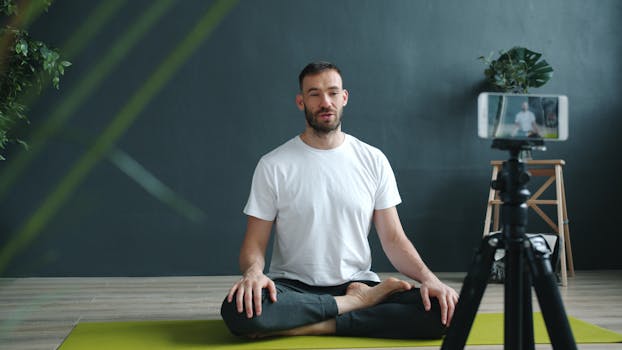
Here’s a beginner-friendly plan you can follow without special equipment. The only “requirement” is a little time and a place where you won’t be interrupted.
Your setup: choose a comfortable position
Sit in a chair or on a cushion. Keep your back reasonably upright, but not rigid. Rest your hands comfortably. If you’re sitting on a chair, keep both feet on the floor.
Dim lighting isn’t required. A quiet room isn’t required either, but it helps. If you can, choose a spot you already use for reading or resting so your brain learns the routine.
Choose one anchor for the whole week
For most beginners, choose the sensation of breathing at the nose or the rise and fall of the belly. Pick one and stay with it for 7 days.
Day 1 to Day 3: 3 minutes of practice
Do this once per day, ideally at the same time. For each session:
- Set a timer for 3 minutes.
- Take one slow breath to arrive.
- Feel the breathing sensations where you chose your anchor.
- If your mind wanders, notice it and return to the anchor.
- When the timer ends, stop and notice how you feel for 10 seconds.
That’s it. Keep it simple.
Day 4 to Day 6: 4 minutes of practice
Repeat the same method. The goal is not to do more “effort.” The goal is to build a slightly longer attention window. If you find 4 minutes too much, go back to 3 minutes. Consistency beats intensity.
Day 7: 5 minutes with a kind check-in
Practice for 5 minutes. After the timer ends, take a moment to reflect:
- What did you notice about your attention today?
- Were you able to return when you drifted?
- How did your body feel—tight, relaxed, neutral?
No judgment. Just observation.
How to practice when you’re busy
If you miss a day, restart the next day with the same duration you used before. You don’t need to “make up” time immediately. Your brain learns routines through repetition, not through catch-up pressure.
Here are two realistic micro-practices you can use on non-sitting days:
- One-breath reset: Once during the day, feel one full breath from start to finish, and then continue what you were doing.
- Three-sense pause: Notice 3 things you can see, 2 things you can feel (like clothing against skin), and 1 sound. Do it in under 60 seconds.
What to expect as you improve (and when to adjust)
Mindful attention training often changes gradually. You may notice a few patterns.
You’ll notice more mind wandering at first
That can feel like you’re getting worse. In reality, you’re getting better at noticing. The practice is working because you’re catching the drift sooner.
Your returns may become smoother
At first, you might drift and then realize it late. Later, you may notice earlier. Even if you drift often, earlier noticing is progress.
You may feel more sensitive to stress
As you pay attention to your body, you may notice tension, tightness, or restlessness. Try not to interpret these sensations as danger. They’re information. Return to your anchor and let the sensation be present without turning it into a story.
Adjust if pain or discomfort shows up
If sitting makes you uncomfortable, change your position. Use a chair, add a cushion, or practice with your eyes slightly open. If you have a medical condition, choose a posture that your body can handle safely. The practice should support you, not strain you.
Making mindful attention training a habit without burning out
Habit-building is where many beginners succeed or struggle. The goal is to make practice easy to start and gentle to maintain.
Keep the commitment small and repeatable
A good beginner commitment is 5 minutes per day for at least 7 days. After that, you can decide if you want to continue at 5 minutes or add 1 minute. If you jump too quickly, you may lose momentum.
Use a “practice cue” you already have
Pair your practice with something you already do. For example: after brushing your teeth, before you check messages; or after you make your morning tea, before you open your laptop.
This reduces decision-making. Your brain likes routines.
Track consistency, not performance
Instead of trying to measure “how calm” you were, track whether you practiced. A simple note like “Day 3 completed” is enough. Consistency is the real metric in the early stage.
Simple variations you can use after you’re comfortable

After about two weeks of steady practice with one anchor, you can explore a few variations. Keep them gentle and simple.
Try listening attention
Use sound as your anchor. Sit and notice sounds as they come and go. You’re not trying to identify them. Just notice their presence and changes.
This can be helpful if you find breathing sensations distracting.
Try walking practice for 5 minutes
Walk slowly in a hallway or outdoors. Feel the movement of your feet. Notice the sensation of stepping. If your mind wanders, return to the feeling of the next step.
Walking practice is especially useful if sitting still feels difficult.
Try a short body scan
Move your attention through areas of the body: forehead, jaw, shoulders, chest, belly, hands, legs. Spend about 20 to 30 seconds per area. Notice without forcing relaxation. If something feels tense, simply acknowledge it and return to your scanning.
Try mindful attention during everyday tasks
Pick one routine task and do it mindfully for 1 to 2 minutes. Examples include washing a cup, folding a towel, or standing at a bus stop. Notice the sensations and your attention shifting. Then return to the task.
Beginner-friendly guidance for your first real session
If you want a clear script for your first sit, use this structure. It’s designed to be easy and forgiving.
Before you start (30 seconds)
- Choose your anchor: breath at the nose or belly rise and fall.
- Set a timer for 3 minutes.
- Get into a comfortable position.
During the practice
- Let your eyes rest softly closed or slightly open.
- Feel one breath closely. Don’t change it. Just notice it.
- As you breathe, keep your attention on the anchor.
- When you drift (you will), notice it without judgment.
- Return to the anchor and continue.
When the timer ends (10 seconds)
- Stop moving your body.
- Notice how you feel for a moment.
- Then go back to your day.
Using mindful attention training in a real-world stress moment
Here’s a scenario many people recognize. You’re in a meeting. Someone says something that triggers frustration. Your mind starts rehearsing what you’ll say next. You notice your heart feels faster and your shoulders are tight.
Instead of trying to “win” the argument in your head, you practice mindful attention training in the smallest way possible:
- Take one slow breath and feel it in your body.
- Notice the tightness in your shoulders without judging it.
- Return your attention to listening to the speaker for the next sentence.
You’re not forcing calm. You’re training attention so you can choose your response. Even this brief pause can change how the rest of the conversation goes.
Keep your practice simple and steady
Mindful attention training is not about achieving a blank mind. It’s about building a reliable skill: noticing where your attention is and returning it gently to what you choose. That’s how attention grows stronger.
If you’re starting out, focus on short sessions, one anchor, and kind returns. You don’t need perfect conditions. You need repeated practice. Even 3 to 5 minutes a day can create meaningful change over a few weeks.
As you keep going, you’ll likely notice more moments where you can pause before reacting. That’s the quiet payoff of training attention: more space between what happens and what you do next.
22.05.2026. 03:20