

HRV Flatline Troubleshooting After Supplement (Step-by-Step)

What “HRV flatline” looks like after you take a supplement

When you check your recovery score or HRV chart and it suddenly looks flat—sometimes for a few hours, sometimes for a whole day—it can feel alarming. You might see HRV values stop moving, hover at the same number, or drop sharply right after you took a supplement. The key point: a flatline isn’t always “your body is broken.” It’s often a measurement or timing issue, or a normal physiologic response that temporarily changes autonomic balance.
Here are common symptoms you may notice:
- HRV values stop fluctuating (little to no variation across multiple readings).
- HRV suddenly drops within 30–120 minutes of taking a supplement.
- HRV looks stuck at a low level overnight, even though your sleep felt normal.
- Readings differ by device (your watch shows flatline; a finger pulse oximeter or chest strap doesn’t).
- Heart rate spikes or steadies while HRV flatlines (sometimes both are artifacts, sometimes both are real).
If you’re seeing a flatline after a supplement, your goal is to separate three possibilities quickly:
- Measurement artifact (sensor fit, motion, poor signal quality, wrong measurement mode).
- Short-term physiologic shift (supplement affects sleep, caffeine timing, breathing, hydration, or stress hormones).
- An adverse reaction (rare, but important—especially if you feel unwell).
This guide walks you through HRV flatline troubleshooting after supplement use in a diagnostic, step-by-step way—starting with the easiest checks you can do today.
Most likely causes of HRV flatline after supplements
HRV is derived from heart rhythm variability. Many things can reduce variability temporarily, even if you feel fine. After supplements, the most common causes fall into a few buckets.
1) Sensor or measurement issues (the most common “flatline” driver)
A flatline often means the device is not capturing usable beat-to-beat intervals. This can happen from:
- Loose or rotated sensor placement (especially during sleep).
- Skin temperature changes (cold hands, thick clothing, dry skin).
- Motion artifacts (late-day workouts, restless sleep, wrist movement).
- Low signal quality (tattoos, skin oils, or inconsistent contact).
- Using the wrong measurement mode (some devices treat stress/HRV differently during workouts or when you’re not still).
Real-world example: You take a magnesium glycinate at 8:30 pm. At 9:10 pm you notice HRV is flat. But you also changed your watch band that day and slept with it slightly loose. The HRV chart looks “stuck,” yet when you check the signal quality during the same night, it’s inconsistent. In this case, the supplement may be innocent—the sensor isn’t reading reliably.
2) Timing conflicts with sleep or circadian rhythm
Many supplements influence sleep onset, breathing patterns, or the stress response. HRV can flatten if you’re:
- Taking something too late (e.g., 2–3 hours before bed).
- Experiencing more wake-ups than usual.
- Changing bedtime routine (screens, late meals, alcohol with the supplement).
- Shifting body temperature (some formulations can make you warmer or more restless).
Even a small change—like taking a stimulant-like ingredient earlier than usual—can move HRV patterns for the next 6–12 hours.
3) Hydration and electrolyte shifts
HRV is sensitive to autonomic balance, and hydration status can affect blood volume and cardiovascular dynamics. If your supplement:
- pulls water (or causes mild GI effects),
- changes sodium intake, or
- changes how you sweat at night,
you may see HRV flatten. This is especially relevant if you’re also exercising, fasting, or in hot weather.
4) Caffeine, nicotine, alcohol, and “stacking” effects
A supplement rarely acts alone. A common scenario is stacking with:
- coffee or pre-workout within 6–10 hours,
- nicotine (even gum),
- alcohol within 12–24 hours,
- other supplements that overlap (e.g., multiple forms of magnesium plus glycine plus calming herbs).
If you took the supplement after caffeine, the HRV flatline might reflect sympathetic activation rather than a direct supplement issue.
5) Ingredient-specific physiologic effects
Some supplement types are more likely to affect HRV quickly:
- Stimulant-like blends (even “natural” ones) can reduce HRV for hours.
- High-dose magnesium can cause GI changes in some people; discomfort can raise stress and reduce HRV variability.
- Niacin (flush) can change circulation and thermoregulation.
- Electrolyte or salt products can shift fluid balance rapidly.
- Omega-3s generally aren’t immediate, but if you’re also changing diet or timing, the downstream effect can show up.
Most of the time, the HRV change is temporary. Your job is to verify whether it’s real and whether it keeps happening.
Step-by-step HRV flatline troubleshooting after supplement
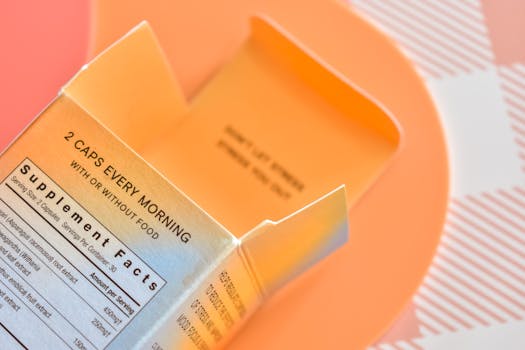
Use this sequence like a checklist. Don’t skip ahead until you’ve ruled out the measurement problems. HRV charts can be misleading when the sensor isn’t capturing clean data.
Step 1: Confirm the flatline is real (not just a chart artifact)
Start by checking whether the flatline is consistent across the same day and similar conditions.
- Look at the exact timeframe when you took the supplement (write down the time you swallowed it).
- Check whether HRV flatlines only during sleep or also during still daytime readings.
- Review signal quality if your device shows it (some apps label it as good/poor).
- If you have a second device (or a chest strap), compare HRV for the same period.
Quick decision point: If HRV is flat only when you were moving, wearing the device loosely, or during poor-signal periods, prioritize sensor fixes first.
Step 2: Validate sensor fit and skin contact immediately
Do a controlled test. For the next 20–30 minutes, sit still and adjust your device fit.
- Wear the sensor one finger-width above the wrist bone (or per your device’s guidance).
- Ensure it’s snug enough that it doesn’t spin, but not so tight it restricts blood flow.
- Clean the sensor contacts and your skin (sweat and oils reduce signal).
- If your skin is cold, warm the area first (warm hands can improve optical readings).
Then check whether HRV begins to show normal variability during stillness. If it does, the earlier flatline was likely measurement quality.
Step 3: Remove common timing confounders for the next 24 hours
For troubleshooting, you want fewer variables. For the next day:
- Avoid caffeine for at least 8 hours before your expected HRV monitoring window.
- Skip nicotine if possible (even gum) during the test window.
- Avoid alcohol entirely for 24 hours if you’re trying to interpret HRV.
- Keep bedtime within 30–60 minutes of your usual schedule.
- Keep your last meal timing consistent (e.g., finish eating 2–3 hours before bed).
If the HRV flatline disappears when you control these factors, the supplement may not be the primary driver.
Step 4: Check the supplement dose, label instructions, and form
Small differences matter. Review:
- Dose (mg per serving; how many capsules or scoops).
- Form (e.g., magnesium glycinate vs. magnesium citrate; immediate-release vs. sustained-release).
- Direction (take with food vs. empty stomach).
- Stimulant ingredients (even small amounts of green tea extract, yohimbine, or “adaptogen” blends).
A practical example: if you started a “calm” blend and it includes green tea extract, your HRV may flatten even if you feel relaxed—because catechins and caffeine-like compounds can shift autonomic balance. The label matters.
Step 5: Track your body’s immediate response (don’t ignore symptoms)
HRV is a signal. Your body’s sensations are also data. In the hours after taking the supplement, note:
- heart pounding, jitteriness, unusual sweating
- GI upset (nausea, diarrhea, cramping)
- headache, flushing, dizziness
- sleep onset changes (can’t fall asleep, frequent wake-ups)
If you feel unwell—especially with chest pain, faintness, severe palpitations, or shortness of breath—stop the supplement and seek medical guidance. HRV troubleshooting is not a substitute for care when symptoms escalate.
Step 6: Re-test with a “clean” baseline
Before you change anything else, establish a baseline. For 2–3 days:
- Wear the device the same way (same wrist, similar tightness).
- Use the same measurement window (e.g., evening HRV or overnight HRV).
- Keep supplements consistent except for the one you’re troubleshooting.
If your HRV is stable and variable on baseline days, then the flatline that follows a specific supplement is more likely real.
Solutions from simplest fixes to more advanced fixes
Now you’ll apply targeted fixes. Use the order below. The simplest solutions catch the majority of cases.
Fix 1: Improve device signal quality for the next monitoring session
This is the first and often the highest-yield step.
- Clean the sensor and skin contacts.
- Change wrist placement (some people get better readings on the dominant wrist).
- Try a different band or tighter fit during sleep.
- Warm your hands before bed if your room is cold.
If you have access to a chest strap HRV monitor, use it for the troubleshooting day. It’s often more consistent for rhythm-based metrics. Even if you don’t fully trust your watch, you can still use the chest strap to validate whether the flatline is real.
Fix 2: Adjust supplement timing (most common “repair”)
Try moving the supplement earlier. If you took it in the evening, shift it to:
- morning (e.g., 7–10 am), or
- mid-afternoon (e.g., 1–3 pm).
Then monitor HRV for the next 24 hours. A lot of HRV flatline after supplement use improves when you stop taking it near bedtime. If the supplement affects sleep architecture, you’ll see the difference quickly.
Fix 3: Reduce the dose by 25–50% for 3–5 days
Instead of stopping immediately, you can do a controlled reduction. If the label says 2 capsules, try 1 capsule for several days.
Why this helps:
- It reduces the chance of GI upset that can raise stress.
- It can lessen any mild sympathetic activation from certain ingredients.
- It helps you identify a threshold where HRV returns to normal variability.
If HRV flatlines even at a reduced dose, that’s strong evidence the supplement (or its timing with your routine) isn’t a good match right now.
Fix 4: Change whether you take it with food
For supplements that can irritate the stomach or cause mild nausea, taking with food can reduce stress-related HRV suppression. Try:
- Take it with a meal or snack instead of on an empty stomach.
- If the product recommends fasting, don’t force it—follow the label, but consider taking it earlier in the day and with food if you’ve had GI symptoms.
Practical example: You take a magnesium citrate product at night. HRV flatlines and you wake up once with stomach discomfort. Switching to magnesium glycinate (or simply taking it with dinner) often improves both comfort and HRV variability.
Fix 5: Review “stack” interactions within the same 6–12 hour window
For troubleshooting, simplify. Temporarily pause other supplements that could confound HRV for 48–72 hours. Common confounders include:
- pre-workouts
- adaptogen blends
- high-dose B vitamins
- stimulant-containing “focus” products
- strong sleep aids if you’re trying to measure baseline HRV
You don’t need to quit everything forever. For testing, remove variables one at a time. When HRV returns to normal variability, reintroduce the supplement you’re testing at the lowest effective dose.
Fix 6: Adjust hydration and electrolytes
If your supplement changes fluid balance, HRV can respond. Try these practical steps:
- Drink a normal amount of water earlier in the day.
- Avoid chugging large volumes right before bed (it can increase wake-ups).
- If you use electrolyte products, keep sodium intake consistent day-to-day during the test.
Track whether you’re waking to urinate more than usual. More awakenings often correlate with reduced HRV variability overnight.
Fix 7: Stop the supplement briefly and observe HRV trend recovery
If HRV flatline is consistent after the supplement and you can’t explain it with sensor issues, take a short pause.
- Stop for 3–7 days (long enough to return toward baseline in most people).
- Keep your routine stable otherwise.
- Re-check HRV variability during the same monitoring window.
If your HRV rebounds and variability returns, you’ve learned something important: the flatline likely relates to that supplement, its timing, or its dose.
Fix 8: Switch the monitoring method for confirmation
If you only have optical wrist HRV data, consider confirmation using:
- a chest strap HRV monitor
- or a finger pulse device for rhythm checks (not perfect, but helpful)
Use confirmation for 1–2 days. If both methods show the flatline at the same time after the supplement, treat it as more likely physiologic. If only the watch shows it, treat it as likely measurement artifact.
Fix 9: Consider whether the supplement affects breathing or sleep quality
Some ingredients influence relaxation, sleep onset, or respiratory patterns. Even if you don’t feel “wired,” your breathing during sleep can change HRV patterns.
Watch for:
- snoring changes
- more mouth breathing or dry throat on waking
- restlessness or vivid dreams
- increased time awake during the night
If you suspect sleep quality is shifting, move dosing earlier and avoid large late-day meals. If you use a sleep-focused supplement, consider testing without it for a few nights to isolate the effect.
Fix 10: If you suspect an adverse reaction, stop and get guidance
This is the “advanced” but most important fix. If HRV flatline is accompanied by concerning symptoms—especially sustained rapid heart rate, dizziness, faintness, chest discomfort, or allergic signs—stop the supplement and seek professional medical advice.
Even if the HRV chart looks “only” abnormal, symptoms can indicate a real issue. HRV is supportive data, not a diagnostic tool.
How to decide whether you should replace the supplement or keep troubleshooting
Use a simple decision framework based on consistency and your experience.
Replace or discontinue if the pattern repeats reliably
Consider discontinuing or switching products if:
- HRV flatline occurs within 1–2 hours after taking the supplement on multiple occasions.
- It persists even after improving sensor fit and controlling caffeine/alcohol.
- You notice symptoms (GI upset, jitteriness, flushing, headaches) that align with dosing time.
Keep troubleshooting if the effect seems tied to measurement quality
Keep working on troubleshooting if:
- flatline happens mostly when you were moving or when signal quality is poor
- HRV variability returns when you wear the device tighter or clean the sensor
- another device method doesn’t show the flatline
Soft replacement suggestions (only if you want to continue experimenting)
If you’re trying to keep a supplement category but change the formula, consider switching to a version with:
- a different form (for example, magnesium glycinate vs. citrate)
- a lower dose per serving
- no added stimulant-like ingredients
- more transparent labeling
For example, if you’re taking magnesium citrate and you suspect GI stress is lowering HRV variability, a glycinate form or a smaller dose taken with dinner may be a calmer starting point. If you’re using a “sleep blend,” try reducing the dose and moving it earlier first before changing brands.
If you’re using a reputable HRV-focused device, you can also consider accessories that improve contact (like a more comfortable band) before changing supplements again.
When replacement or professional help is necessary

Most HRV flatlines after supplements resolve with sensor fixes, timing changes, and dose adjustments. But there are situations where you should escalate.
Get professional help promptly if you have red-flag symptoms
Stop the supplement and seek medical advice urgently if you experience:
- chest pain or pressure
- fainting or near-fainting
- severe shortness of breath
- persistent irregular heartbeat sensations
- allergic reactions (swelling of lips/face, hives, trouble breathing)
HRV can change with many normal stressors, but symptoms change the priority.
Consider professional guidance if HRV stays abnormal for more than a week
If you stop the supplement and your HRV remains unusually flat or low for 7+ days—especially if sleep quality, fatigue, or stress levels also change—talk to a clinician. You’re not “failing” at HRV. You’re recognizing that your body may need evaluation beyond self-tracking.
Replace the monitoring method if you can’t get consistent readings
If you repeatedly see flatlines even when you’re still and signal quality looks poor, it may be time to:
- adjust device fit and cleanliness habits
- try a chest strap confirmation for 1–2 weeks
- or replace the wearable if it’s consistently unreliable
Trust the data you can reproduce. A good HRV trend is built on consistent measurement conditions.
Practical scenarios you can use to troubleshoot today
Sometimes the fastest way to troubleshoot is to map your situation to a likely pattern. Here are a few realistic scenarios.
Scenario A: Magnesium at night, HRV flatlines overnight
You take magnesium glycinate at 9:00 pm. Your watch shows HRV near-zero variability from midnight to 6:30 am. You also had one wake-up at about 3:20 am.
Try this sequence:
- First, check sensor fit and cleanliness. If the band is loose, optical readings can degrade during sleep.
- For the next night, move the dose to 2–4 hours earlier and take it with dinner.
- Reduce dose by 25–50% for 3 nights.
If HRV variability returns and wake-ups reduce, the issue was likely sleep timing and/or mild GI stress rather than a magnesium “problem.”
Scenario B: Pre-workout or “energy” supplement, HRV drops immediately
You take a supplement at 4:30 pm that includes “energy” or adaptogens. By 5:00 pm, HRV is flat and heart rate is elevated.
Try this sequence:
- Confirm you didn’t also have caffeine within the last 6–10 hours.
- Move the supplement earlier to no later than 12 pm for your troubleshooting day.
- Reduce dose and avoid stacking with other stimulants.
In this case, HRV flatline likely reflects sympathetic activation. If you want HRV to reflect recovery, you may need to use the supplement at a different time or choose a non-stimulant formula.
Scenario C: You changed your watch band and HRV is “stuck”
Two days ago you swapped bands. Now HRV flatlines on multiple days, even when you didn’t take supplements.
Try this sequence:
- Clean sensor contacts and skin.
- Wear the device on the same wrist consistently.
- Do a 20-minute stillness test and check whether HRV variability is back.
- If not, consider a chest strap for confirmation.
Often the issue is mechanical contact, not physiology.
What to log so your next troubleshooting attempt is faster
HRV troubleshooting improves dramatically when you write down a few specifics. For the next 3–5 days, log:
- Supplement name, dose, and exact time taken.
- Whether it was taken with food (and what kind of meal).
- Caffeine, nicotine, alcohol timing (even small amounts).
- Bedtime and wake time (within 30–60 minutes).
- Sleep quality notes (wake-ups, restless sleep, snoring changes).
- Device notes (band tightness, any poor signal warnings).
With that, you can identify patterns quickly rather than changing multiple variables at once.
How to interpret “flatline” without overreacting

HRV is a dynamic metric. A brief flatline after a supplement can be a temporary shift, a measurement hiccup, or a normal response to a stressor that happened to coincide with supplement timing. The most useful mindset is “verify, adjust, observe.”
If you follow the steps above and your HRV returns to normal variability after sensor improvements, timing adjustments, or dose reduction, you’ve solved the problem without guessing. If it doesn’t, you’ve at least ruled out the most common measurement artifacts and can make a more confident decision about discontinuing or switching the supplement.
Above all: if you feel unwell, don’t treat HRV as the only evidence. Your symptoms come first.
22.01.2026. 18:25