

CRISPR at Home: Safe, Legal, Ethical Lines Explained

CRISPR at home: why the “DIY gene editing” idea is misleading
CRISPR is a powerful gene-editing technology that can target DNA with remarkable precision. That power is exactly why “CRISPR at home” is surrounded by myths. Many claims online suggest that anyone can buy kits, follow a few steps, and safely edit genes in a weekend. In reality, responsible CRISPR work depends on specialized training, controlled facilities, regulatory compliance, and careful ethical oversight.
This myth-busting guide focuses on the practical question people often ask but rarely get a straight answer to: what does “CRISPR at home safe legal ethical lines” actually mean in the real world? We’ll cover safety, legality, and ethics in concrete terms—what can go wrong, what is typically prohibited, and how to think about responsible participation without crossing boundaries.
Myth: “CRISPR kits” mean gene editing is safe for home use
The first myth is that a consumer-facing kit automatically implies safe use outside a regulated lab. Gene editing involves biological materials, enzymes, and nucleic acids that can create unintended effects. Even if a kit does not include pathogens, the workflow still typically includes culturing cells or working with living biological systems. Those processes raise biosafety and contamination risks.
Key safety issues include:
- Unintended edits and off-target effects: CRISPR can cut at locations other than the intended target. In living systems, that can produce unexpected phenotypes.
- Delivery risks: Many gene-editing workflows require methods to introduce genetic material into cells. Those steps can increase the chance of contamination or exposure.
- Handling biological cultures: Even “benign” cell cultures can become contaminated with microbes. Contamination can spread, and cleanup is not trivial.
- Waste disposal: Biological waste often requires validated decontamination and disposal procedures. Household disposal is not designed for this.
Safety is not just about whether a particular reagent is “non-toxic” on its own. It’s about whether the entire workflow is controlled, whether risks are assessed, and whether the environment can reliably prevent exposure and spread.
What “safe” means outside a lab: biosafety, training, and containment

In legitimate research settings, “safe” gene editing is achieved through layers of control. These include biosafety training, appropriate containment level, validated sterilization and waste protocols, and a system for incident reporting and risk review.
At home, those layers generally do not exist. That matters because CRISPR work often involves:
- Working with living cells: Cells can be cultured, handled, and transferred. That increases exposure pathways and contamination risks.
- Cross-contamination: Without proper lab practices, researchers can mix samples or spread material between surfaces and containers.
- Inadequate engineering controls: Many procedures rely on biosafety cabinets, controlled airflow, and validated decontamination methods.
- Limited emergency readiness: Laboratories have procedures for spills, exposures, and medical follow-up. Homes typically do not.
Even if the intent is harmless, the risk profile changes when you remove containment, training, and oversight. “Safe” is therefore not a property of the reagent alone—it’s a property of the system and the competence surrounding it.
Myth: “Legal restrictions don’t apply to hobbyists”
Another common misconception is that “gene editing is legal as long as it’s for personal curiosity.” Legal frameworks vary by country and even by state or region, but many jurisdictions treat certain biological materials, genetic sequences, and experimental activities as regulated. The details differ, yet the theme is consistent: editing biological systems is not automatically a private, unregulated activity.
Legal boundaries can involve:
- Regulation of genetic material and transfer: Some rules govern the acquisition, possession, and transfer of specific biological agents or genetic constructs.
- Lab permits and biosafety compliance: Activities involving culturing or manipulating biological systems may require registration, facility standards, or institutional oversight.
- Rules on human or animal genetic modification: Even discussions of editing human embryos or germline cells are heavily restricted in most places. Editing somatic cells in humans is also regulated and ethically reviewed.
- Waste handling and disposal laws: Biological waste disposal is often regulated for environmental and public health reasons.
Because CRISPR is a general-purpose technology, legal concerns can also extend beyond the “kit.” The question is what you’re doing with the materials and whether the activity fits within permitted categories.
If you’re considering any kind of CRISPR workflow, the responsible step is not to rely on online claims. It’s to check local regulations and understand whether the activity requires professional facilities, licensing, or institutional review.
Where the legal line usually gets drawn
While exact rules vary, most legal frameworks draw boundaries at points that increase risk, impact, or ethical sensitivity. The following are common “red line” categories:
- Human genetic modification: Editing human cells outside a regulated medical context is generally prohibited or tightly restricted. Germline editing is typically banned or exceptionally controlled.
- Animal genetic modification: Creating genetically modified animals is usually regulated through animal welfare and biosafety systems.
- Work involving infectious agents: Editing or handling pathogens is typically subject to strict containment and licensing. Even if you think you’re not doing that, unclear sourcing or mislabeled materials can create serious compliance problems.
- Activities that generate transmissible or harmful organisms: Any workflow that could plausibly increase harmful traits attracts heightened scrutiny.
Even when a hobbyist claims the goal is harmless, regulators consider the method, the materials, and the potential outcomes. That’s why “at home” is often where permissions become difficult or impossible.
Myth: “Ethics is optional if the goal is good”

Ethics is not a checkbox you can skip because your intentions are positive. Ethical review exists because gene editing can have consequences that are hard to predict: ecological effects, misuse potential, and impacts on research integrity.
Ethical considerations for CRISPR at home often include:
- Risk to others: Even if you don’t intend harm, your work can create hazards for bystanders through exposure, contamination, or disposal failures.
- Dual-use concerns: Techniques that enable editing can also be repurposed. Responsible communities treat method dissemination carefully.
- Research integrity: Without rigorous validation, results can be misleading, leading to misinformation about safety and effectiveness.
- Respect for biological systems: Ethical science includes a duty to avoid unnecessary harm and to follow humane practices when animals or human-derived materials are involved.
Ethics also includes the social dimension: when gene editing becomes widely accessible without oversight, authorities may respond with broader restrictions—affecting legitimate research and public trust.
Practical ethical boundaries: what responsible participation looks like
If the goal is learning, there are ethical ways to engage without crossing safety and legal lines. Consider:
- Use educational models instead of living editing: Learning about CRISPR design, controls, and validation can be done through simulations, reading, and structured coursework.
- Work through accredited programs: Community labs and universities often have biosafety infrastructure and oversight committees. That’s where hands-on training belongs.
- Follow “no unvalidated claims” norms: If you share information, avoid presenting preliminary outcomes as proven edits. Misleading results can encourage unsafe behavior.
- Be cautious with sequence and protocol sharing: Even educational materials can become operational when combined with other steps. Responsible sharing is context-aware.
Ethical participation is about aligning your actions with the systems that keep others safe and keep science trustworthy.
What can go wrong: safety and uncertainty in real workflows
CRISPR is often described as precise, but precision is probabilistic. In practice, outcomes can vary widely depending on the target, delivery method, cell type, and how the experiment is validated.
Common failure modes and hazards include:
- False positives: Signals can look like edits when they are not. Without sequencing or proper controls, it’s easy to conclude incorrectly.
- Biological variability: Different cell lines respond differently. Home environments are rarely consistent enough to manage that variability.
- Contamination: Microbial contamination can compromise results and create additional risks.
- Incomplete decontamination: Dealing with biological waste and surfaces is not a casual task.
- Exposure incidents: Aerosols, spills, and improper PPE can lead to infections or chemical exposure depending on reagents used.
These are not theoretical concerns. They are standard issues that professionals manage using protocols, training, and validated systems. Without those, uncertainty increases—and so does risk.
About “relevant products” and why sourcing isn’t the same as compliance
People searching for “CRISPR at home safe legal ethical lines” often encounter references to CRISPR-related reagents, plasmids, or educational “gene editing” supplies. It’s important to separate three things:
- Availability: A reagent may be sold, but sale does not automatically authorize home experimentation.
- Intended use: Many suppliers specify permitted uses and may require compliance with biosafety and legal rules.
- Operational context: A kit doesn’t include the containment, training, and oversight required to safely run a biological workflow.
Some educational kits focus on non-living demonstrations, DNA extraction, or computational design. Those are fundamentally different from workflows that attempt to edit living cells. If the activity involves culturing or modifying biological systems, the compliance and safety expectations rise sharply.
When relevant products are described online as “for home,” that claim should be treated as marketing rather than a safety certification. Real safety certification is tied to facilities, risk assessment, and institutional controls—not to a generic label.
Guidance for staying on the right side of the lines
If you want to learn about CRISPR while respecting safe, legal, and ethical boundaries, use a risk-reduction approach:
- Decide what you will not do: Avoid any plan that involves editing living cells, culturing biological materials, or working with human or animal genetic material without appropriate oversight.
- Choose learning pathways that don’t require home wet-lab work: Focus on theoretical design, reading primary literature, and understanding how controls and validation work.
- Seek supervised training: If you want hands-on experience, join a community lab, university course, or supervised program with biosafety infrastructure.
- Ask about governance: In legitimate settings, there are biosafety officers, training requirements, and review processes. Learning should include those governance systems.
- Verify legal requirements locally: Regulations vary; only local guidance and competent legal or institutional resources can confirm what’s permitted.
This approach doesn’t “kill curiosity.” It redirects it toward methods that build understanding without increasing risk to the public or to the integrity of science.
How to evaluate online claims about CRISPR at home
Myth-busting requires practical skepticism. Here are signs that a claim is likely unsafe or misleading:
- “Anyone can do it” framing: Real gene editing requires training and controlled conditions.
- Absence of biosafety discussion: If an explanation ignores containment, waste, and exposure risks, it’s incomplete.
- No mention of validation: If edits are claimed without sequencing, controls, or replication, the results may be wrong.
- Vague legal statements: “It’s legal everywhere” is a red flag. Legal compliance is jurisdiction-specific.
- Encouragement to bypass oversight: Ethical research systems exist for a reason; attempts to avoid them are concerning.
Use credible sources: institutional biosafety guidance, peer-reviewed reviews of CRISPR safety, and regulatory summaries from government or recognized health organizations.
Prevention and responsible next steps
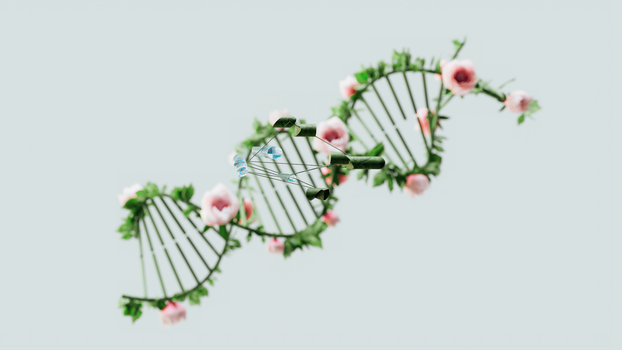
The safest way to stay within the CRISPR at home safe legal ethical lines is to treat “at home” as a boundary rather than a goal. CRISPR is not just a hobby craft—it is an operational biological technology with real uncertainty and real-world consequences.
To prevent harm and reduce legal/ethical risk:
- Keep experimentation within supervised environments. If you want to do wet-lab work, do it where biosafety and governance exist.
- Learn the science before attempting the procedure. Understanding controls, validation, and risk assessment is foundational.
- Respect restrictions around human and animal contexts. These are ethically sensitive and typically heavily regulated.
- Be honest about what you know. Avoid overstating outcomes; unvalidated claims can encourage unsafe replication.
- Follow local rules. When regulations are unclear, seek official guidance rather than relying on online interpretations.
CRISPR can support medicine, agriculture, and basic biology when done responsibly. The challenge is ensuring that curiosity doesn’t outrun safety, legality, and ethics. That balance is the real “line” worth keeping.
02.02.2026. 06:46