

Best Light Therapy Devices: Red, Infrared & Blue Buying Guide

Why you’re looking for red, infrared, and blue light therapy
You’re probably not buying light therapy on a whim. You’re dealing with a real goal—less skin redness, calmer breakouts, faster recovery, or better comfort in sore muscles. And you’ve noticed something important: different colors of light aren’t “just different shades.” They behave differently in the body.
That’s why the market is full of devices marketed as red, infrared, and blue light therapy. Red and near-infrared are often used for skin support and recovery. Blue light is commonly associated with acne-targeted routines. The challenge is choosing a device that matches your goal, your skin type, your schedule, and your budget—without wasting money on weak output or the wrong wavelength.
In this buying guide, you’ll learn how to evaluate the specs that actually matter and how to prioritize features so you can confidently choose the best light therapy devices red infrared blue for your needs.
Red, infrared, and blue light—what the labels really mean
Before you compare devices, you need a simple way to interpret the terminology. Manufacturers use wavelength and device design to describe what they’re really selling.
Red light (often 630–660 nm)
Red light is typically marketed in the ~630–660 nanometer (nm) range. Many devices call this “red LED therapy.” In practice, you’re looking at light that’s meant to interact with skin cells and support a more even look, smoother texture, and reduced visible irritation over time.
Infrared (often 810–850 nm, sometimes 900–940 nm)
Infrared (especially near-infrared) is usually marketed in the ~810–850 nm range. Some devices go higher (like 880–940 nm) depending on the intended use. Infrared is often positioned for deeper penetration and recovery support. If you want comfort for muscles or you’re choosing a device for body use, near-infrared matters.
Blue light (often 405–420 nm)
Blue light is commonly labeled around 405–420 nm. It’s frequently marketed for acne-prone skin and targeted breakout support. Blue light tends to be used in shorter sessions and more focused routines—especially if you’re pairing it with your existing acne regimen.
Important: “color” isn’t enough—wavelength and output matter
Two devices can both say “red light” but deliver very different results if one uses a different wavelength band or lower power density. The best devices publish wavelength ranges and output metrics clearly, not just marketing language.
Key features and specifications to look for
When you’re shopping, the most common problem isn’t that devices don’t work at all—it’s that they’re underpowered, inconsistent, or designed for a different routine than yours. Here are the specs that help you separate strong options from weak ones.
Wavelength accuracy (nm) and whether it’s single-band or mixed
Look for devices that state specific wavelengths (for example, 660 nm red, 850 nm infrared, 415 nm blue). If the listing only says “red” or “blue” without numbers, be cautious.
If you want all three colors, some devices combine them into one panel or wearable. Others require separate devices. Your best choice depends on how often you’ll use each color and how much coverage you need.
Irradiance and fluence (the power you actually receive)
This is where many buyers get stuck. Two terms matter most:
- Irradiance (often in mW/cm²): how strong the light is at the skin surface.
- Fluence (often in J/cm²): how much total energy you deliver during a session.
For example, if a device provides ~50 mW/cm² irradiance, a 10-minute session may deliver around 30 J/cm² (roughly—always confirm the manufacturer’s own dosing guidance). If the device doesn’t publish these numbers, you can’t verify dosing.
Practical takeaway: you want a device that includes a dosing plan like “X minutes, Y times per week” and that supports the dosing with irradiance/fluence data.
LED count vs. effective output
It’s tempting to assume “more LEDs = better results.” Not necessarily. The LED count can be misleading if the power per LED is low or if the device has poor uniformity.
Instead, focus on published irradiance/fluence and the light distribution. A smaller, well-specified panel can outperform a larger device that doesn’t deliver adequate power.
Coverage area and distance from skin
Coverage matters because most people won’t hold a device in the perfect position every time. Check:
- Panel size or wearable coverage (how much area it treats)
- Working distance (how close it needs to be—some devices are designed for a few centimeters; others allow a little space)
- Uniformity (some panels have hotspots; others spread energy more evenly)
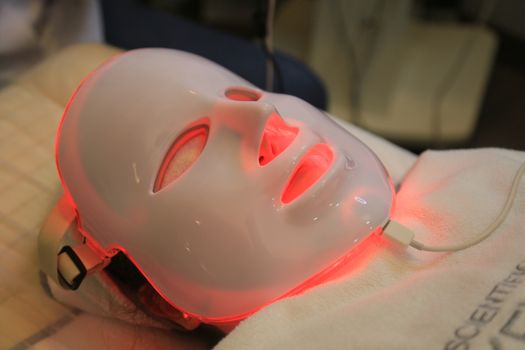
If you’re treating face and neck, a face mask or panel designed for those contours is usually easier. If you’re targeting shoulders, calves, or the back, you’ll want a larger panel or a body device with the correct working distance.
Treatment duration and session scheduling
Good devices should make it easy to stay consistent. Look for realistic session times. Many red/infrared protocols fall in the 5–20 minute range per session, depending on irradiance and target area. Blue light acne routines may be shorter but more frequent.
If a device requires 45–60 minutes to reach an effective dose, ask yourself whether you’ll actually do it 3–5 times per week for months. Consistency beats “once in a while.”
Power stability and heat management
Reliable light therapy devices should maintain consistent output. Check whether the device includes:
- Thermal management (fans, heat sinking, or safe temperature control)
- Overheat protection
- Stable drivers (some brands mention current regulation)
If the device gets uncomfortably hot, your skin contact may vary and your sessions may become inconsistent. Comfort matters.
Skin safety features: timers, eye protection, and materials
At minimum, you should expect:
- Built-in timer so you don’t accidentally over-treat
- Eye protection guidance (especially for blue light)
- Clear contraindication guidance (pregnancy, photosensitivity, certain medications)
Some devices include glasses; others require you to use your own. Either way, the instructions should be clear.
Controls and repeatability
Choose a device that helps you replicate sessions. Look for multiple power modes or pre-set programs. If you’re using red/infrared on recovery and blue on acne, you’ll want separate modes or separate dosing instructions.
What you should prioritize when choosing a device
Your priorities should come from your goal. Here’s a practical way to match device features to outcomes.
Prioritize the wavelength mix that matches your main goal
- For general skin support and visible redness reduction: prioritize red (630–660 nm) and ideally near-infrared (810–850 nm).
- For acne-prone skin: prioritize blue (405–420 nm), but still verify dosing and whether the device includes safe contact distance and timer controls.
- For muscle recovery or comfort: prioritize infrared and a device with sufficient output and coverage for the area you treat (back, shoulders, legs).
Prioritize published dosing (not just “minutes”)
Look for a dosing schedule tied to irradiance/fluence. If the manufacturer tells you to do “10 minutes” but provides no output specs or dosing rationale, you’re relying on guesswork.
A good device package usually includes:
- Wavelengths in nm
- Working distance or contact guidance
- Session time and frequency
- Expected timeline (for example, “noticeable changes in 4–8 weeks,” not “guaranteed results in 7 days”)
Prioritize coverage and ergonomics so you’ll actually use it
If you want results, you need adherence. Ask: will you use it when you’re tired after work?
Real-world scenario: You work at a desk all day, and you deal with mild jaw tension and forehead redness from stress. You also get occasional breakouts along the cheeks. A face-first wearable or a compact facial panel is easier than a large body device. You can do a 10–15 minute session after washing your face, then use blue light mode only on breakout-prone areas a few times per week.
If instead you want to treat sore calves after runs, a full-body or larger panel that reaches the area without awkward positioning will be the difference between “I’ll try it” and “I used it 3 weeks in a row.”
Prioritize compliance with safety guidance
Blue light can be irritating for some people. If you have a history of photosensitivity, take medications that increase light sensitivity, or you have skin conditions that need dermatology oversight, you should consult a clinician before you buy.
Also consider eye safety. Even if a device includes eye protection guidance, you should follow it strictly.
Prioritize build quality and support
Look for a manufacturer that provides clear documentation and customer support. A device is an investment—especially if you plan to use it several times per week for 2–6 months.
When possible, check warranty terms. A longer warranty is a good sign that the company expects normal use and takes quality control seriously.
Common purchasing mistakes and misunderstandings
These are the errors that quietly cost buyers time and money.
Mistake 1: Buying based on LED count alone
LED count is not the same as delivered energy. Two panels with different LED counts can deliver similar irradiance at the skin—or one might deliver far less. Always look for irradiance/fluence or clearly stated output metrics.
Mistake 2: Confusing “red” with “infrared” (and expecting the same results)
Red and infrared are related, but they aren’t interchangeable. If you buy a red-only device expecting deeper recovery effects, you may be disappointed. If you buy an infrared-heavy device expecting acne-focused blue results, you’ll also likely miss your target.
Mistake 3: Ignoring treatment distance and fit
If your device requires a specific distance and you use it farther away, your dose drops. If you’re using a mask that doesn’t sit evenly, some areas get less light. Fit and placement matter.
Mistake 4: Over-treating because “more time must be better”
More isn’t always better. Overexposure can irritate skin, especially with blue light. Follow the device’s dosing instructions and start with the recommended schedule.
Mistake 5: Switching routines every week
Light therapy is not instant. If you keep changing devices or session times, you won’t know what worked. Give your routine a fair trial—typically 4–8 weeks for skin-focused goals and 2–6 weeks for some recovery or comfort goals, depending on consistency and severity.
Mistake 6: Buying a device with vague specs
Be cautious if the listing doesn’t provide wavelength in nm, doesn’t provide irradiance/fluence, or only says “high power.” In a good buying experience, the manufacturer gives you enough information to dose responsibly.
Practical buying checklist and decision framework
Use this checklist like a quick decision tree. If you can’t answer the questions below, don’t buy yet.
Step 1: Define your primary use
- Is your main goal acne support (blue priority)?
- Is your main goal skin redness/texture (red + possibly infrared priority)?
- Is your main goal muscle recovery/comfort (infrared priority + coverage)?
Step 2: Confirm wavelengths in nanometers
- Red: do you see a stated range like 630–660 nm?
- Infrared: do you see 810–850 nm (or another clearly stated nm range)?
- Blue: do you see 405–420 nm or similar?
Step 3: Check dosing information
- Does the device provide irradiance (mW/cm²) and/or fluence (J/cm²)?
- Does it provide a session plan (minutes per session, frequency per week)?
- Does it specify a working distance or contact method?
Step 4: Match coverage to your body area
- Face/neck only: consider a facial mask or panel designed for those contours.
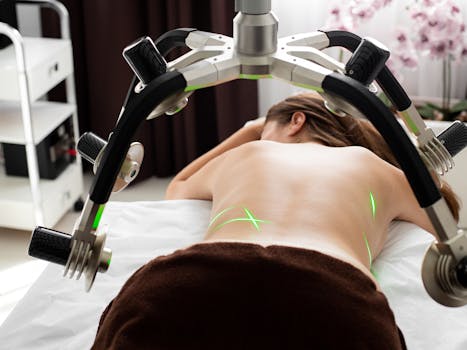
- Joints and muscle groups: choose a panel size that reaches your target without awkward positioning.
- Multiple areas: you may prefer separate devices or a versatile panel with clear coverage specs.
Step 5: Evaluate usability and consistency
- Can you realistically do the recommended sessions 3–5 times per week?
- Is the timer easy to use?
- Does the device feel comfortable (weight, heat, fit)?
Step 6: Safety and compatibility check
- Do instructions clearly cover eye protection, skin sensitivity, and contraindications?
- Do you have any photosensitivity risks or medications that require clinician guidance?
- Does the device include overheat protection or safe thermal design?
Step 7: Consider add-ons that actually help
- Eye protection glasses (if needed)
- Replacement parts availability
- Warranty and responsive customer support
Final buyer guidance and practical recommendations
When people search for the best light therapy devices red infrared blue, they often want one device that does everything. That’s possible, but your best purchase depends on how you’ll use it.
If you want all three colors in one routine, look for a device that clearly states wavelengths for each color and provides dosing guidance for each mode. A combined panel or wearable can be convenient if it offers enough irradiance and even coverage across your treatment area.
If your main goal is acne, blue light should be your priority. A device that focuses on blue with clear nm specs and a consistent dosing schedule is often more useful than a general “full spectrum” device that doesn’t publish measurable output.
If your main goal is recovery, prioritize infrared and choose coverage that matches the muscle groups you actually treat. A compact facial device won’t help much for calves, shoulders, or back, even if it has infrared.
How to set expectations so you don’t quit early
Light therapy works gradually. For skin goals, many users see initial improvements within 4–8 weeks with consistent use. For recovery comfort, some people notice changes earlier, but it’s still smart to commit to 2–6 weeks before you decide whether the device is a fit.
Keep your routine stable: don’t change the device every week, and don’t stack too many new skincare actives at once. If you’re using acne treatments, use blue light alongside your clinician-approved regimen rather than replacing everything blindly.
Natural product examples to consider (choose based on specs, not hype)
Here are a few product types you’ll commonly see, and what to look for when you narrow down options:
- Red/infrared LED face masks: look for published wavelengths in the red and near-infrared ranges, clear power/dose guidance, and a comfortable fit for your face and jaw.
- Blue light acne devices: prioritize a stated blue wavelength around 405–420 nm, a built-in timer, and instructions for eye protection and safe usage frequency.
- Multi-wavelength panels (red + infrared + sometimes blue): verify that all included colors have their own dosing instructions and that the output is strong enough for the area you’re treating.
Within these categories, you’ll often find reputable brands such as Omnilux (noted for medical-style red/near-infrared approaches), CurrentBody (commonly associated with red/near-infrared LED devices), and Ulike (often discussed for blue-light-focused skincare solutions). The best choice among them still depends on the exact nm wavelengths, irradiance/fluence data, coverage, and your intended use. Always verify the specifications on the exact model you’re considering.
Your best next step before checkout
Before you buy, do a quick “spec sanity check”:
- Can you find the wavelengths in nm for each color you care about?
- Is there dosing guidance that includes session time and frequency?
- Does the listing provide irradiance/fluence or other measurable output details?
- Does the device match your treatment area and required working distance?
- Does it include safety instructions (timer, eye guidance, contraindications)?
If you can answer “yes” to these points, you’re far more likely to choose a device that performs the way the marketing suggests.
Ultimately, the best light therapy device is the one you’ll use consistently, safely, and with dosing that matches your goal. If you prioritize wavelength clarity, delivered dose, and coverage, you’ll avoid the most common traps—and you’ll give your skin or recovery routine a real chance to improve.
09.01.2026. 22:07