

Breathwork for Anxiety: A Safety Guide That Actually Helps

Breathwork for anxiety: why it can help and when to be careful

When anxiety rises, your breathing often changes first. You may breathe faster, take shallow breaths, or feel like you can’t get enough air. That shift can intensify the stress response by increasing carbon dioxide variability and activating the body’s alarm systems.
Breathwork—intentional breathing practices—can help you downshift your nervous system. For many people, it supports calmer breathing patterns, reduces physiological arousal, and makes it easier to think clearly again.
But breathwork isn’t automatically safe for everyone. Some techniques (especially fast breathing or breath holds) can trigger dizziness, panic sensations, or discomfort in people with certain health conditions. This safety guide helps you choose supportive practices, learn how to pace them, and know when to stop or seek professional input.
How anxiety affects breathing (and what breathwork changes)
Anxiety doesn’t only live in your thoughts. It shows up in your body—jaw tension, tight chest, racing heart, and breathing changes. Common patterns include:
- Hyperventilation tendencies (breathing faster or deeper than you need), which can lead to tingling, lightheadedness, or a “can’t catch my breath” feeling.
- Shallow chest breathing, which can reduce airflow efficiency and increase the sense of strain.
- Breath monitoring, where you repeatedly check your breathing, which can increase fear of sensations.
Breathwork can help by changing the input your nervous system receives. Many calming practices aim to:
- Slow your breathing rate toward a steadier rhythm.
- Improve exhale length (often linked to a calmer physiological state).
- Reduce breath variability that can amplify discomfort.
- Interrupt the loop of “sensation → fear → faster breathing.”
Importantly, breathwork isn’t about forcing yourself to breathe “perfectly.” It’s about giving your body a safer signal: you can slow down, and you’re in control of the pace.
Safety first: who should get medical guidance before practicing
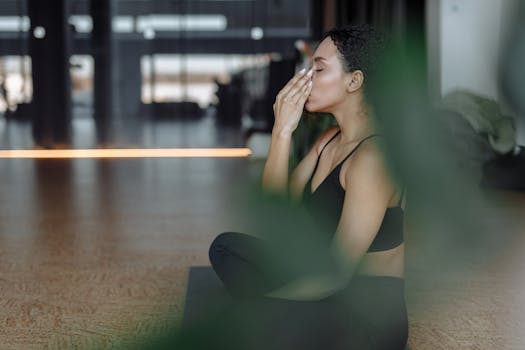
Most gentle breathing practices are safe for many healthy adults. Still, you should be cautious if you have any of the following:
- Asthma or other respiratory conditions, especially if your symptoms are unstable.
- Chronic obstructive pulmonary disease (COPD) or significant breathing limitations.
- Heart rhythm issues, uncontrolled hypertension, or a history of fainting.
- Neurological conditions where breath holds or intense breathing may be risky.
- Pregnancy (gentle techniques are usually preferred; avoid breath holds and intense hyperventilation).
- History of panic attacks that are strongly triggered by bodily sensations.
If you have any of these, consider speaking with a clinician first—especially if you plan to try anything beyond slow, comfortable breathing. If you’re unsure, start with the gentlest options in this guide and keep sessions short.
Also, if you’re using breathwork alongside medication (for example, for anxiety, depression, or panic), don’t stop or change your treatment plan without medical advice. Breathwork is a support tool; it doesn’t replace care.
Common risks and how to prevent them
Breathwork is generally low risk when practiced gently. The main problems usually come from intensity, breath holding, or going too fast.
Dizziness or lightheadedness
This often happens when breathing is too fast or too deep, or when you’re holding your breath. Prevention:
- Keep breathing at a comfortable pace—no straining.
- Avoid breath holds at first.
- If you feel lightheaded, stop immediately, return to normal breathing, and ground yourself (for example, look around and name 5 things you see).
Increased panic or “air hunger”
Some people feel more anxious when they notice breath sensations. Prevention:
- Choose techniques that emphasize soft exhale and comfort rather than “bigger breaths.”
- Keep your eyes open if closing them increases anxiety.
- Use a short session (1–3 minutes) during high anxiety rather than trying to “fix everything” at once.
Worsening of respiratory symptoms
If you have asthma or similar conditions, some breathing patterns can feel uncomfortable. Prevention:
- Practice upright, and avoid forceful exhalation.
- Stop if you wheeze, cough persistently, or feel chest tightness that doesn’t ease.
- Use breathwork as a complement to your prescribed respiratory plan.
Overdoing practice
Breathwork can be effective, but more isn’t always better. Prevention:
- Start with 5–10 minutes, 3–5 days per week.
- During acute anxiety, use 1–3 minutes and then reassess.
Choose the safest techniques: gentle options that support calming
For breathwork for anxiety, the safest starting point is typically slow, comfortable breathing with a longer exhale and minimal breath holding. Below are techniques that are widely used in clinical and wellness settings because they don’t require intense effort.
1) Box breathing (modified): steady and non-straining
Box breathing is commonly taught as a square rhythm. For anxiety, use a modified version with shorter counts so you don’t over-breathe.
How to do it (4-step cycle):
- Sit upright or lie down comfortably.
- Breathe in gently for 3 seconds.
- Pause for 1 second (or skip the pause if it feels uncomfortable).
- Breathe out slowly for 4 seconds.
- Pause for 1 second before the next inhale.
Duration: 3–5 cycles to start (about 1–3 minutes). If you feel okay, you can extend to 5–8 cycles.
Safety notes: If you feel lightheaded, shorten the cycle or stop. Don’t force pauses.
2) Extended exhale breathing: calming without strain
This is one of the most straightforward approaches for anxiety symptoms that include fast breathing.
How to do it:
- Inhale through your nose for 4 seconds.
- Exhale slowly for 6–8 seconds through the nose or gently through pursed lips.
- Keep the inhale comfortable—think “easy” rather than “deep.”
Duration: 2–5 minutes during anxiety, or 5–10 minutes when you’re calmer.
Real-world scenario: Imagine you’re about to walk into a meeting and your chest feels tight. You excuse yourself for 90 seconds, sit down, and do extended exhale breathing. You don’t try to “eliminate” the feeling. You simply slow your exhale. After a few cycles, the intensity often drops enough for you to re-enter the room with better focus.
3) Diaphragmatic breathing (supportive belly breathing)
This technique encourages efficient breathing and reduces the tendency to overuse the chest.
How to do it:
- Place one hand on your upper chest and one on your belly.
- Inhale gently so your belly rises more than your chest.
- Exhale slowly and let your belly fall.
Duration: 5 minutes. You can practice after waking or before bed.
Safety notes: If you start to feel air hunger, return to normal breathing and reduce the effort. The goal is comfort, not maximal expansion.
4) Physiological sigh (a quick reset for anxious moments)
The physiological sigh is a short breathing pattern designed to help regulate breath and reduce arousal. It can be especially useful when anxiety spikes suddenly.
How to do it:
- Take a normal inhale through the nose.
- Then take a second small inhale to “top up” the breath.
- Exhale slowly and fully.
Duration: 3–5 rounds, then return to normal breathing.
Safety notes: Don’t do this repeatedly for long periods. If you’re prone to panic, keep it brief and stop if sensations intensify.
Breathwork practice plan: how to start safely and build consistency
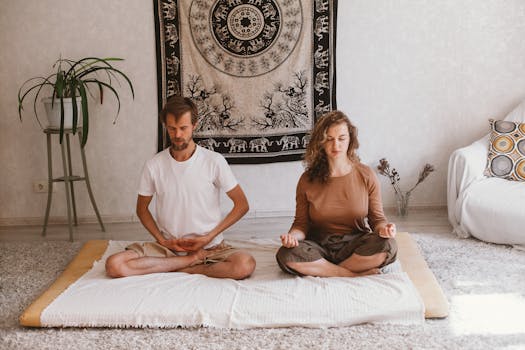
Breathwork for anxiety works best when you practice regularly and choose a pace your body can tolerate. Use this simple plan.
Step 1: Set a safe environment
- Practice seated or lying down. Avoid doing it while driving or operating machinery.
- Choose a quiet space where you’re not likely to be interrupted.
- Use a timer for short sessions (for example, 3 minutes) so you don’t keep checking your breath.
Step 2: Start with a “minimum dose”
Begin with 1–3 minutes if your anxiety is high. If your anxiety is low to moderate, start with 5 minutes. Consistency beats intensity.
Step 3: Use a comfort check every 30 seconds
Ask yourself:
- Am I breathing comfortably?
- Do I feel calm or at least not worse?
- Any dizziness, tingling, or air hunger?
If any discomfort escalates, stop and return to normal breathing.
Step 4: Increase gradually
After a week of comfortable practice, you can extend sessions to 10 minutes on most days. If you’re still anxious, keep it shorter.
Step 5: Pair with grounding to reduce fear of sensations
Breathwork is easier when you also ground your attention. Try one of these:
- Relax your shoulders and unclench your jaw.
- Feel your feet on the floor.
- Softly count exhale seconds (for example, “one… two… three…”).
What to avoid: breathing patterns that commonly backfire
Some popular breathwork styles can be risky for people who experience anxiety, panic, or dizziness—especially when practiced without guidance.
Avoid fast breathing (hyperventilation) as a first-line tool
Breathing faster than normal can increase tingling, lightheadedness, and the sensation of not getting enough air. Those sensations can mimic panic symptoms, making anxiety worse.
Avoid breath holds early on
Breath holds can be uncomfortable and may trigger dizziness. If you’re new, skip them. If you later explore more advanced practices, do so with professional support.
Avoid forcing “big” inhales
Trying to inhale deeply to “reset” can lead to over-breathing. For anxiety, aim for gentle volume.
Avoid practicing during medical instability
If you’re having an asthma flare, chest pain, fainting episodes, or severe shortness of breath, breathwork is not the first step. Use your prescribed medical approach and seek care when needed.
Step-by-step: a safety-first breathwork session for anxious moments
Use this when anxiety is already present—like before a call, after receiving stressful news, or during a difficult commute.
Minute 0–1: orient your body
- Sit down. If possible, place both feet on the ground.
- Relax your shoulders.
- Unclench your jaw and soften your gaze.
Minute 1–3: extended exhale breathing
- Inhale for 4 seconds.
- Exhale for 6–8 seconds.
- Repeat for 6–10 cycles.
Keep your inhale easy. If you feel air hunger, shorten the exhale to something you can sustain comfortably.
Minute 3–4: physiological sigh (optional)
- If your anxiety feels “stuck,” do 2–3 physiological sigh rounds.
- Then return to normal breathing.
Minute 4–5: check outcomes
- Rate anxiety from 0–10.
- Notice breathing comfort.
- Decide whether to stop or do another short cycle.
It’s normal if anxiety doesn’t disappear. A good sign is that the intensity drops or your breathing becomes less frantic.
How to integrate breathwork with therapy and daily life
If you’re using therapy for anxiety—such as cognitive behavioral therapy (CBT) or trauma-focused approaches—breathwork can complement it. The key is to avoid turning breathwork into a ritual that reinforces fear.
Use breathwork as a skill, not a test
Try not to judge yourself by whether you “feel better immediately.” Instead, track small changes: slower breathing, reduced muscle tension, or the ability to stay present.
Practice when you’re not in peak distress
For many people, the most effective time to learn breathwork is when anxiety is mild. That way, you can use it later under stress without needing to “figure it out” in the middle of a panic surge.
Consider guided audio with caution
Guided breathwork recordings can help you stay on pace, especially if counting distracts you. Look for guidance that emphasizes comfort and avoids intense breath holds or frequent fast breathing. If you find that guided sessions make you dizzy or more anxious, stop and switch to a simpler technique like extended exhale breathing.
Some people also use devices that provide breathing cues (for example, wearable breath trackers or phone-based timers). If you use them, ensure they guide you toward comfortable pacing and don’t encourage breath-holding. Any tool should support your safety, not intensify sensations.
When breathwork isn’t enough (and what to do next)
Breathwork is helpful for many people, but it’s not the only pathway. If anxiety is severe, persistent, or interfering with daily life, you may need additional support such as therapy, medication, or both.
Seek professional help promptly if you experience:
- Frequent panic attacks
- Chest pain or fainting
- Shortness of breath that isn’t explained by anxiety
- Symptoms that worsen consistently during or after breathing practices
Breathwork should not become a trigger. If it does, adjust your practice immediately—shorten sessions, choose gentler techniques, and consider medical or therapeutic guidance.
Prevention guidance: making breathwork safer over time
Safety improves as you refine your approach. Use these prevention steps to reduce the chance of backfiring.
- Keep intensity low: aim for comfortable exhale length rather than deep inhales.
- Limit breath holds: skip them in the beginning and avoid them if you’re panic-prone.
- Practice short sessions: 1–3 minutes during acute anxiety; 5–10 minutes when stable.
- Don’t chase “perfect calm”: a reduction in intensity is enough.
- Track your response: after each session, note anxiety level and physical sensations.
- Respect medical boundaries: if you have respiratory or cardiovascular concerns, get guidance first.
Over time, you’re training your nervous system to recognize a safer breathing rhythm. That learning tends to generalize—so even when you’re not practicing, your baseline may become more resilient.
Summary: a safe way to use breathwork for anxiety
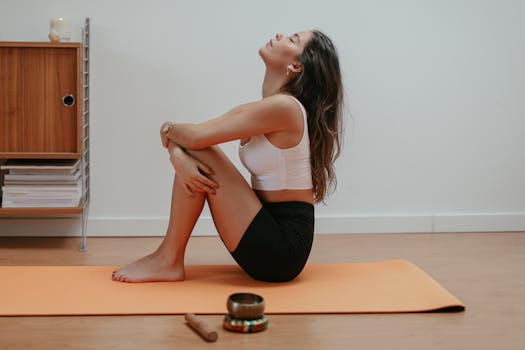
Breathwork for anxiety can support regulation by slowing breathing and encouraging a calmer physiological state. The safest starting point is gentle, comfortable techniques—especially extended exhale breathing and modified box breathing—without breath holds or fast hyperventilation.
Practice in short sessions, check for comfort frequently, and stop if dizziness or air hunger increases. If you have asthma, heart rhythm issues, fainting history, or severe panic sensitivity, get medical guidance before trying more intense breathwork.
When practiced safely and consistently, breathwork becomes a practical skill: something you can use during real moments of stress—like before a meeting, after conflict, or while waiting for a stressful event—so your body has a reliable way to settle.
FAQ
Is breathwork for anxiety safe for beginners?
For many people, gentle breathwork is safe. Start with comfort-based techniques like extended exhale breathing or diaphragmatic breathing, avoid breath holds, and keep sessions short (1–5 minutes). If you experience dizziness, worsening panic, or respiratory symptoms, stop and seek guidance.
What breathing technique is best when you feel a panic surge?
Extended exhale breathing is often a good first choice because it doesn’t require intense effort. Inhale for 4 seconds and exhale for 6–8 seconds for 1–3 minutes. If needed, you can add 2–3 physiological sigh rounds, then return to normal breathing.
Can breathwork make anxiety worse?
Yes, it can—especially if the practice is too fast, too deep, or involves breath holds. Those patterns can cause tingling or lightheadedness that resembles panic symptoms. Choosing gentle pacing and stopping when sensations intensify reduces this risk.
How often should you practice breathwork for anxiety?
When you’re stable, practice 5–10 minutes, 3–5 days per week. During acute anxiety, use brief sessions of 1–3 minutes. Consistency matters more than duration.
Should you breathe through your nose or mouth?
Either can work. Nose breathing is often comfortable for steady practice, while pursed-lip exhalation can make long exhales easier. Choose what feels most comfortable and doesn’t trigger air hunger.
Do you need to sit or can you do breathwork while standing?
Seated is safest for learning and reduces the chance of dizziness. Once you’re comfortable, you can practice while standing, but avoid doing it in situations where dizziness would be unsafe (for example, on stairs or while driving).
When should you avoid breathwork and contact a clinician?
Avoid breathwork and seek medical input if you have unstable breathing problems, chest pain, fainting, or significant heart rhythm concerns. Also contact a clinician if anxiety consistently worsens during practice.
26.03.2026. 07:20