

Caffeine and L-Theanine Combo: Focus, Jitter, and the Evidence

Why the “no jitter” claim needs evidence
Many people like the idea of pairing caffeine with L-theanine because it sounds like a simple solution: get sharper focus from caffeine, but avoid the unpleasant edge—jitteriness, restlessness, and a racing feeling—that some associate with caffeine. This belief has become so common that it’s often treated as a guaranteed effect. In reality, the caffeine and L-theanine combo focus jitter evidence is more nuanced: some studies suggest a calmer, more balanced response, while other factors—your caffeine sensitivity, dose, timing, and baseline anxiety—can strongly influence whether you feel jittery.
This myth-busting article reviews what the research actually shows, explains why jitter happens, and offers practical guidance for using the combination in a way that reduces the odds of an uncomfortable experience.
What “jitter” really means (and why caffeine causes it)
“Jitter” is a lay term for a cluster of sensations that can follow caffeine intake: shakiness, inner restlessness, increased heart rate awareness, irritability, and trouble settling. Caffeine primarily acts as an adenosine receptor antagonist. Adenosine normally promotes sleepiness and quieting of neural activity; blocking it increases alertness. However, the same pathway can also shift neurotransmitter dynamics (including dopamine and norepinephrine signaling), which may contribute to physiological arousal.
Not everyone experiences jitter. Your likelihood depends on:
- Dose: Higher caffeine generally increases the chance of unpleasant side effects.
- Individual sensitivity: Genetic differences in caffeine metabolism (notably CYP1A2 activity) affect how quickly caffeine clears.
- Baseline state: If you’re already anxious, sleep-deprived, or under stress, caffeine can amplify perceived arousal.
- Habit: Regular caffeine users often develop tolerance to some side effects.
- Timing and food: Taking caffeine on an empty stomach can increase perceived intensity for some people.
So when people report that adding L-theanine “prevents jitter,” the key question becomes whether L-theanine meaningfully changes the physiological or subjective response to caffeine—rather than simply masking it or affecting perception in a way that varies by person.
What the evidence says about caffeine plus L-theanine and jitter

Research on this combination spans subjective outcomes (how people feel) and performance outcomes (attention, reaction time, and accuracy). The most relevant evidence for the jitter question comes from studies that measure anxiety-like feelings, stress ratings, or physiological markers alongside cognitive tasks.
1) Subjective calm and reduced stress ratings
Several controlled studies report that L-theanine can promote a calmer mental state. When combined with caffeine, participants often describe improved focus without the same level of “wired” sensation. Importantly, this does not always mean zero jitter; rather, the combination may shift the experience from “over-stimulated” to “alert but more settled.”
2) Focus improvements often occur without heightened arousal
In cognitive testing, caffeine reliably improves certain aspects of attention and reaction time. L-theanine appears to complement those effects, and in some experiments the combined regimen yields better performance than caffeine alone while not increasing anxiety measures to the same extent.
3) Not every study finds a dramatic “anti-jitter” effect
The literature is not uniform. Some trials show benefits primarily for attention and stress reduction, while others find smaller or inconsistent effects on perceived agitation. This inconsistency is expected given differences in study design: caffeine dose, L-theanine dose, participant caffeine habits, and whether outcomes were measured as “jitter” specifically or as broader anxiety/arousal.
Practical takeaway from the evidence: The caffeine and l-theanine combo focus jitter evidence supports the idea that L-theanine can reduce aspects of stress and may blunt the subjective edge for many users. However, it is not a universal guarantee, and dose matters.
How L-theanine may work with caffeine (mechanisms that fit the data)
L-theanine is an amino acid found in tea. It crosses the blood-brain barrier and influences brain signaling in ways that are consistent with a calming effect. While exact mechanisms in humans are still being clarified, several pathways are frequently discussed in relation to the combination’s observed effects.
1) Modulation of brain arousal systems
L-theanine has been associated with changes in alpha-wave activity, a pattern often linked with relaxed alertness. That “calm but awake” profile aligns with the subjective reports people make when using the combination.
2) Interaction with neurotransmitter balance
Caffeine increases alertness through adenosine blockade, which can indirectly influence dopamine and norepinephrine systems. L-theanine may help moderate the downstream balance, potentially reducing the tendency toward over-arousal.
3) Stress and perception effects
Some of the most convincing outcomes relate to stress and subjective strain rather than a direct pharmacological “jitter blocker.” In practice, that means the combination may help you feel more composed even if physiological arousal still increases with caffeine.
These mechanisms explain why the combination can improve attention without necessarily eliminating caffeine’s stimulating effects. If your jitter is strongly dose-driven, you may still feel it—just less intensely—depending on how you dose.
Dose and timing: where most “jitter” experiences are decided
The myth that L-theanine fully cancels caffeine’s side effects often ignores dosing realities. In studies and real-world use, the ratio of L-theanine to caffeine and the total caffeine amount appear to influence how people feel.
Typical research and use patterns
Many trials use caffeine doses in the low-to-moderate range and L-theanine doses that are substantial enough to produce noticeable subjective effects. A common approach is to pair caffeine with roughly similar or higher amounts of L-theanine, rather than using tiny amounts of L-theanine to “neutralize” a large caffeine dose.
Practical guidance to reduce jitter risk
- Start with a lower caffeine dose: If you’re prone to jitter, begin with less than your usual “alertness” amount.
- Use an adequate L-theanine dose: Very small amounts may not replicate the calming effects seen in studies.
- Consider the ratio: Many people do better when L-theanine is not far below caffeine.
- Avoid stacking with other stimulants: Combining caffeine with pre-workout stimulants or high-dose nicotine can overwhelm any calming benefit.
- Take it earlier in the day: Poor sleep increases sensitivity to caffeine’s arousal effects.
- Use it with food if you’re sensitive: A meal can soften the peak intensity for some people.
Timing also matters. If you take caffeine late or repeatedly throughout the day, you may increase cumulative stimulation, making jitter more likely even if L-theanine helps.
Common myths about the combo (and what evidence suggests)
Myth 1: “L-theanine completely prevents caffeine jitter.”
Evidence suggests L-theanine can reduce subjective stress and the “edge” for many people, but it does not reliably eliminate jitter in all users. If your caffeine dose is high or you’re particularly sensitive, jitter can still occur.
Myth 2: “If it improves focus, jitter can’t happen.”
Improved attention does not automatically mean reduced arousal. Caffeine can enhance performance while still increasing restlessness. The best way to judge is how you feel, not just how well you perform.
Myth 3: “Any caffeine source works the same way.”
Coffee, tea, and caffeine tablets can differ in dose delivery rate and co-occurring compounds. Even within “tea,” caffeine content varies. The combination effect may be influenced by how quickly caffeine rises in your system.
Myth 4: “More L-theanine is always better.”
The goal is adequate coverage to support a calmer state, not necessarily maximal dosing. If you overshoot, you may change how you feel without gaining additional jitter relief.
Who is most likely to benefit—and who should be cautious
The combination tends to appeal to people seeking alertness with less strain. However, individual differences are large.
More likely to benefit
- People who get “wired but unfocused” from caffeine alone
- Those who experience mild stress or tension with caffeine
- Users who can tolerate moderate caffeine but want a smoother experience
Use caution or adjust dosing if you:
- Have high sensitivity to caffeine or panic/anxiety symptoms
- Sleep poorly or take caffeine late in the day
- Take medications that affect heart rate, blood pressure, or anxiety (a clinician can help assess fit)
- Rely on multiple stimulants in the same window (caffeine + other energizers)
Even when the combination reduces perceived jitter, you can still end up with unwanted stimulation if caffeine dose overwhelms your baseline tolerance.
Practical “evidence-aligned” ways to try the combo
If you want to test the caffeine and L-theanine combo focus jitter evidence for yourself, the most informative approach is to run a controlled personal experiment. This avoids relying on the myth that the outcome is guaranteed.
A simple self-check protocol
- Pick one dose level: Choose a moderate caffeine amount you know you can tolerate at least sometimes.
- Pair with an adequate L-theanine dose: Aim for a ratio similar to those used in common study approaches (often near 1:1 or with L-theanine equal to or greater than caffeine).
- Separate tests: Try caffeine alone on a different day at the same time of day, then try the combination on another day.
- Record subjective symptoms: Rate jitter/restlessness from 0–10, plus any anxiety or heart-racing sensation.
- Assess focus: Note whether you feel more steady and attentive, not just faster.
- Keep total caffeine consistent: Changing caffeine dose between tests makes it harder to interpret results.
Where “natural” sources fit in
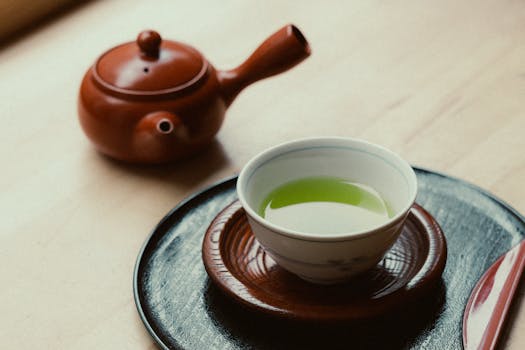
People sometimes use green tea or matcha to get both compounds naturally. This can be a reasonable strategy because it provides a gentler caffeine rise compared with some concentrated caffeine products. Still, tea preparations vary, so the exact caffeine and L-theanine amounts may not match a study dose. If you’re sensitive, measuring or standardizing intake can help.
About relevant products
You may see supplements marketed as “caffeine and L-theanine” blends. Natural tea-based options exist as well. The key point for evidence alignment is not the brand—it’s the actual caffeine amount, L-theanine amount, and how quickly you take it.
Prevention: how to avoid jitter even if L-theanine helps
Even if L-theanine reduces the edge for you, jitter risk is still affected by lifestyle and dosing habits. Prevention strategies are often more reliable than “myth-based” expectations.
- Sleep first: If you’re short on sleep, caffeine can feel harsher regardless of L-theanine.
- Lower the ceiling: Stay within a caffeine range that you personally tolerate.
- Don’t stack stimulants: Avoid combining caffeine with multiple energizing agents.
- Hydrate and eat: Dehydration and low food intake can amplify perceived jitters.
- Watch timing: Avoid late-day caffeine to reduce sleep disruption, which then increases next-day sensitivity.
- Use gradual changes: If you’re new to caffeine, introduce it slowly rather than making a large jump.
These steps help ensure that any benefit from L-theanine is supportive rather than overwhelmed.
Bottom line on the evidence
The caffeine and L-theanine combo focus jitter evidence supports a practical conclusion: L-theanine can help many people feel calmer and less stressed when taking caffeine, and this often translates into a smoother “alert” experience rather than an overly stimulated one. However, the effect is not absolute. Caffeine dose, individual sensitivity, sleep, and stimulant stacking still determine whether jitter appears.
If your goal is focus with minimal edge, the most evidence-aligned approach is to use a moderate caffeine dose, include an adequate amount of L-theanine, and adjust based on how you personally respond. That method respects the science and avoids the oversimplified myth that jitter can be fully switched off.
23.05.2026. 10:40