

Blood Pressure Variability (BPV): What It Means and How to Track It

Blood pressure isn’t one number—why variability matters

Blood pressure variability (BPV) refers to the natural fluctuations in blood pressure that occur over minutes, hours, day-to-day, and even across seasons. Many people focus on an average blood pressure reading, but variability can provide additional clinical information about how stable the cardiovascular system is under stress. Two individuals may have the same average blood pressure, yet one person’s readings swing widely while the other’s remain relatively steady. That difference can matter for outcomes such as stroke, heart disease, and kidney decline.
BPV is not simply “noise” from a bad measurement. While measurement technique influences readings, true variability is influenced by physiology—such as autonomic nervous system control, arterial stiffness, medication timing and adherence, sleep quality, inflammation, and metabolic factors. Understanding BPV can help clinicians and patients interpret trends more accurately, identify triggers, and improve monitoring quality.
What blood pressure variability (BPV) includes
BPV describes variations in systolic blood pressure, diastolic blood pressure, or both. Clinically, BPV is discussed across multiple time scales:
- Short-term variability: minute-to-minute or within-day changes. This can reflect immediate influences such as stress, caffeine, physical activity, breathing patterns, and measurement conditions.
- Day-to-day variability: differences between one day’s average readings and the next. This may relate to sleep, routine changes, medication adherence, hydration, illness, and lifestyle.
- Long-term variability: changes across weeks to months. This can be influenced by progression of vascular disease, chronic inflammation, weight changes, and long-term medication effects.
Importantly, BPV is influenced by both real biological fluctuation and how readings are collected. The goal is to measure variability reliably enough that it reflects the underlying pattern rather than avoidable errors.
Why BPV is linked to cardiovascular risk
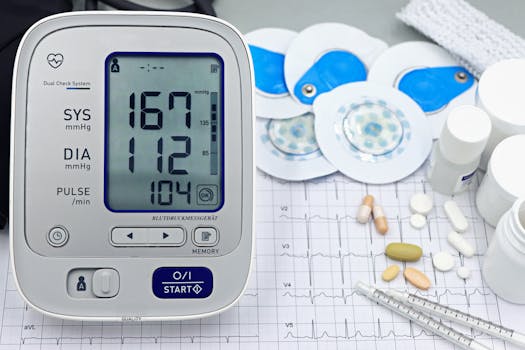
Large studies have associated higher BPV with increased cardiovascular events, even when average blood pressure is controlled. Several mechanisms may explain this relationship:
- Vascular stress from repeated “peaks”: Fluctuations can create intermittent high-pressure exposure to blood vessel walls, potentially accelerating damage.
- Impaired autonomic regulation: The autonomic nervous system helps stabilize heart rate and vessel tone. If regulation is unstable, BP swings may increase.
- Arterial stiffness and endothelial dysfunction: Stiffer arteries dampen normal buffering of pressure changes, which can increase variability.
- Inflammation and oxidative stress: Chronic inflammatory states can affect vascular tone and reactivity.
- Medication timing and pharmacodynamics: Some antihypertensive regimens may provide uneven coverage across the dosing interval, leading to higher variability if peak and trough effects are pronounced.
BPV is best viewed as a signal of “system stability.” It does not replace average blood pressure, but it can refine risk assessment—especially in people whose averages look acceptable while readings fluctuate substantially.
How clinicians measure BPV
BPV can be quantified using data from office readings, home monitoring, or ambulatory blood pressure monitoring. The method matters because different measurement schedules capture different aspects of variability.
Ambulatory blood pressure monitoring (ABPM)
ABPM records blood pressure at regular intervals while a person goes about daily activities and sleeps. Because it captures many readings across the dosing interval, it provides robust estimates of variability. ABPM can also assess patterns such as whether nighttime blood pressure “dips” normally—another important marker related to cardiovascular risk.
Home blood pressure monitoring
Home monitoring typically involves multiple readings over several days. While it may not capture the density of ABPM, it can still provide useful variability estimates when performed consistently. Home BP is also valuable for identifying day-to-day patterns related to routine, sleep, and medication timing.
Office blood pressure readings
Office measurements are convenient but limited. They can overestimate variability due to situational factors such as anxiety, talking during measurement, or changes in posture. When BPV is assessed in the clinic, clinicians often rely on repeated readings across visits, which may capture longer-term variability but cannot fully reflect minute-to-minute changes.
Key statistical concepts used for BPV
Clinicians and researchers may describe BPV using metrics such as:
- Standard deviation (SD): how spread out readings are around an average.
- Average real variability (ARV): focuses on variability between successive readings and reduces the influence of simple averaging.
- Variability independent of the mean (VIM): attempts to separate variability from the level of average BP.
These measures help quantify variability objectively. For patients, the practical takeaway is less about the formula and more about ensuring measurement quality and recognizing meaningful patterns.
Common causes of high blood pressure variability
High BPV can reflect both physiological instability and avoidable measurement problems. Understanding the likely drivers can guide next steps.
Measurement-related factors
- Inconsistent technique: cuff placement, arm position, and posture can change readings.
- Wrong cuff size: a cuff that is too small or too large can produce systematic errors and apparent variability.
- Talking, moving, or crossing legs: motion and muscle tension affect blood pressure.
- Short rest before measurement: without a few minutes of quiet sitting, readings may vary.
- Different times of day: readings taken at random times may reflect circadian and routine effects.
Physiological and lifestyle contributors
- Stress and pain: sympathetic activation can cause abrupt increases.
- Caffeine, nicotine, and alcohol: these can affect vascular tone and autonomic balance.
- Sleep disruption and sleep apnea: poor sleep increases sympathetic drive and can worsen variability.
- Dehydration or illness: fluid shifts and inflammatory states can destabilize blood pressure.
- Physical activity and recovery: readings taken soon after exertion may show transient elevations.
Medication timing and adherence
For people taking antihypertensive medications, BPV may increase if doses are missed, taken at inconsistent times, or if the medication’s effect wears off before the next dose. Some regimens are designed for once-daily coverage; others may require careful timing. Changes in dosing schedules, interactions with other drugs, or inconsistent refills can also contribute.
How to track BPV at home without misleading yourself
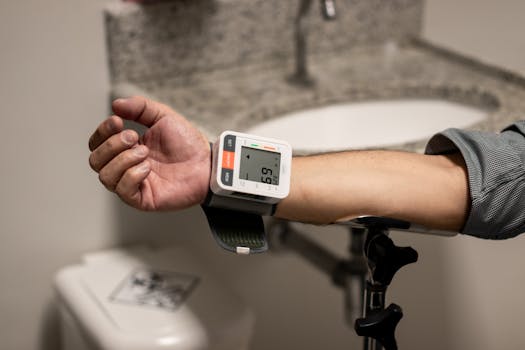
Home monitoring can be a powerful way to observe variability, but only if the process is standardized. The aim is to reduce technical noise so that the remaining fluctuations reflect true BP patterns.
Choose a validated, properly sized monitor
Select an upper-arm blood pressure monitor that has been validated for accuracy. Ensure the cuff size matches your arm circumference. Wrist monitors can be more sensitive to positioning and may increase apparent variability if used inconsistently.
Set up a consistent routine
- Timing: measure at consistent times, such as morning and evening.
- Pre-measurement conditions: avoid caffeine, nicotine, and vigorous exercise for a period before readings; rest quietly for several minutes.
- Posture: sit with back supported, feet flat on the floor, and arm supported at heart level.
- Measurement discipline: take readings without talking; follow the device instructions for spacing between readings.
Use an appropriate number of readings
Many clinicians recommend recording two readings each time point (with a short pause between them) and repeating this across several days. This provides a dataset large enough to observe variability while limiting overinterpretation of a few isolated readings.
When reviewing your data, focus on patterns rather than single spikes. Occasional high readings can occur even with good technique. A consistent pattern of wide swings is more concerning than one-off measurements.
Consider a log for potential triggers
To interpret BPV responsibly, track relevant context such as sleep duration, stress level, missed medication doses, caffeine intake, and any acute illness. This does not replace clinical evaluation, but it helps connect variability to plausible causes.
Clinical interpretation: what your pattern could indicate
BPV interpretation should be individualized. Still, certain patterns often prompt specific clinical questions.
High variability with acceptable average BP
Some people have an average that appears near goal but show significant fluctuation. This may reflect inconsistent medication coverage, autonomic instability, sleep issues, or measurement inconsistency. Clinicians may consider ABPM to confirm whether variability is real and to assess nighttime patterns.
High variability alongside high average BP
When average BP and variability are both elevated, risk may be higher. This pattern can occur with suboptimal medication control, poor adherence, ongoing lifestyle triggers, or secondary contributors such as kidney disease or endocrine disorders. It often warrants a structured review of regimen, timing, and measurement accuracy.
Nighttime versus daytime variability
Nighttime BP behavior is particularly informative. People who do not experience the expected nighttime dip may have higher cardiovascular risk. ABPM is commonly used to evaluate this because office and home measurements may miss nighttime patterns.
When to seek medical attention
BPV should be discussed with a healthcare professional, especially if it is accompanied by symptoms or very high readings. Seek urgent care if you have signs of hypertensive emergency such as chest pain, severe shortness of breath, neurologic symptoms (weakness, facial droop, severe headache), or confusion.
If readings are frequently high or show large swings despite correct technique, contact your clinician promptly. BPV itself does not diagnose a cause, but it can guide evaluation and adjustment of monitoring and treatment.
Reducing blood pressure variability: practical strategies
Lowering BPV often overlaps with improving overall blood pressure control, but the focus is on stability—reducing avoidable spikes and troughs.
Stabilize measurement habits
- Use the same arm and cuff placement each time.
- Follow the same pre-measurement routine.
- Record readings consistently for the same time windows.
Many cases of apparent BPV improve once technique is standardized.
Improve medication consistency
- Take doses at the same time each day.
- Use a system to prevent missed doses (for example, reminders or a pill organizer) if appropriate.
- Do not change dosing schedules without medical guidance.
If variability seems linked to medication “wearing off,” clinicians may consider regimen adjustments or ABPM to evaluate the full dosing interval.
Address sleep and stress physiology
Sleep apnea screening is important for people with snoring, witnessed apneas, or persistent daytime sleepiness. Stress reduction strategies—such as breathing exercises, structured relaxation, and consistent physical activity—can reduce sympathetic surges that contribute to variability.
Reduce common BPV triggers
- Limit caffeine and avoid it close to monitoring times.
- Be mindful of alcohol intake and timing.
- Stay hydrated unless your clinician has advised fluid restriction.
Coordinate lifestyle with monitoring
If you want to understand your BPV, avoid changing multiple variables at once. For example, if you start a new exercise routine and adjust diet and caffeine simultaneously, it becomes harder to identify which change influenced variability. Gradual adjustments provide clearer interpretation.
Role of diagnostics and tracking tools in BPV management
In practice, BPV is often evaluated using a stepwise approach: home monitoring to establish baseline patterns, and ABPM when more detailed information is needed. Clinicians may also use related diagnostics to identify contributors to variability, such as blood tests for kidney function, urine testing, evaluation for endocrine causes, and assessment for sleep disorders.
Tracking tools can support this process when used correctly. For example, some people use validated home monitors that store readings and allow trend visualization. While the specific device does not replace medical interpretation, consistent data capture can reduce the burden of manual recording and improve adherence to monitoring routines. If you use a digital monitor, ensure it’s validated and that you understand how to review and export readings for clinical discussions.
For ongoing tracking, the most important feature is consistency: reliable measurement, appropriate cuff size, and a routine that minimizes technical variability.
Summary: using BPV to understand cardiovascular stability
Blood pressure variability (BPV) describes fluctuations in blood pressure over time and can offer meaningful clinical information beyond average readings. Higher BPV is associated with greater cardiovascular risk, likely reflecting repeated vascular stress and instability in autonomic and vascular control. BPV can be influenced by true physiology, but measurement technique, medication timing, sleep quality, and lifestyle triggers can also drive apparent variability.
To track BPV responsibly, use standardized home monitoring with correct cuff size and posture, record readings consistently across several days, and log potential triggers. When variability is substantial, persistent, or accompanied by concerning symptoms, clinicians may recommend ambulatory blood pressure monitoring to confirm the pattern and evaluate nighttime behavior. The most effective reduction strategies focus on stable measurement habits, consistent medication use, and addressing sleep and stress physiology.
Ultimately, BPV is a tool for better interpretation—helping move from single numbers to a clearer picture of cardiovascular stability over time.
27.04.2026. 09:19