

DNA vs Microbiome Testing Difference: Key Results Compared

What these tests measure (and why the results feel so different)

When you’re trying to improve health, diet, or performance, “DNA testing” and “microbiome testing” can sound interchangeable. They’re not. They answer fundamentally different questions.
DNA testing analyzes genetic variants in your body—signals you inherited. Those variants are usually stable over your lifetime. DNA tests don’t “change your microbiome” directly; they help explain your predispositions, like how you may respond to certain nutrients or how likely you may be to develop specific conditions.
Microbiome testing analyzes the microbes living in and on you (most commonly in stool). It reflects what’s happening right now: what you’ve eaten, your stress levels, medications (especially antibiotics), sleep patterns, and even recent travel. Microbiome results can shift in weeks.
So the DNA vs microbiome testing difference comes down to time scale and biology type:
- DNA tests: inherited blueprint (months to years for results to translate into action; results are largely stable).
- Microbiome tests: living ecosystem (weeks to months for changes; results can move quickly).
Both can be useful, but they’re best for different goals. If you want insight into “what you’re built to handle,” DNA leans stronger. If you want insight into “what’s currently affecting your digestion and metabolism,” microbiome testing is often more actionable.
Quick summary: the strongest overall option depends on your goal
If you’re forced to pick one without knowing your end goal, here’s the most practical rule:
- If your priority is long-term risk patterns and nutrient metabolism predispositions, choose a DNA test first.
- If your priority is current digestive function, diet responsiveness, and how to adjust your routine, choose a microbiome test first.
For many people, the strongest overall strategy is actually sequenced testing: start with DNA to understand baseline tendencies, then use microbiome testing to fine-tune what to change now. Some companies offer bundles, and that can reduce guesswork and shipping friction.
DNA vs microbiome testing difference: side-by-side results you can actually use
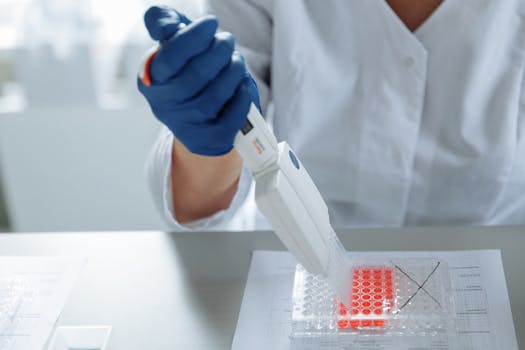
Below is a practical, side-by-side look at what each test measures, how it’s typically performed, what you can expect from the report, and where the limitations show up.
| Feature | DNA testing | Microbiome testing |
|---|---|---|
| What it measures | Your inherited genetic variants (SNPs and other markers depending on the panel) | The composition and activity potential of microbes in your gut (usually via stool sequencing) |
| Time scale | Mostly stable over your life | Changes with diet, medications, illness, stress, and lifestyle—often within weeks |
| Primary data type | Genomic DNA from saliva or cheek swab | Microbial DNA from stool (sometimes additional sampling depending on the company) |
| Common output categories | Trait predispositions (e.g., caffeine metabolism), nutrition-related markers, health risk signals, ancestry-related findings (varies by company) | Taxonomic profile (who’s there), diversity metrics, functional predictions (what they may do), and sometimes strain-level or pathway-level insights |
| How you “act” on results | Adjust long-term nutrition strategy, supplementation approaches, and risk-aware habits | Modify diet fiber types, pre/probiotic strategy, and lifestyle factors; re-test to track directionality |
| Speed to useful feedback | Report arrives in days to a couple weeks; translating into outcomes can take months | Report arrives in days to a couple weeks; measurable changes often show up in 4–12 weeks |
| Best for | Baseline predisposition and personalization over the long term | Current gut ecosystem status and diet-response optimization |
| Typical limitations | Genes don’t guarantee outcomes; environment and behavior still dominate | Microbiome varies day-to-day; results depend on sampling, diet timing, and recent antibiotic/illness exposure |
| Re-test value | Usually not necessary unless you test with a new platform or want updates | Often valuable; many people benefit from testing before and after an intervention |
Real-world performance differences: what each test tends to get right
In real usage, people often notice one big contrast: DNA reports can feel “predictive,” while microbiome reports feel “diagnostic.” Neither is perfect, but the pattern is consistent.
Scenario: you have bloating and inconsistent stools
Imagine you’ve had bloating after meals for 3–6 months. You try generic “gut health” advice, but results are inconsistent. You’re not sure whether it’s fiber intolerance, a low-diversity pattern, or something you’re eating frequently.
Microbiome testing tends to provide more immediate direction because it can show:
- Overall diversity trends (not a diagnosis, but a signal)
- Relative abundance patterns of groups often associated with fermentation and gas production
- Functional predictions related to carbohydrate processing and short-chain fatty acid pathways
Then you can test an intervention for 4–12 weeks—like adjusting fiber type (not just more fiber), reducing certain fermentable carbs for a short period, or trialing a targeted probiotic—and re-test to see whether the pattern moves.
DNA testing can still help here, but it’s usually indirect. You might learn you have variants associated with nutrient absorption or inflammation risk. That can influence what you try first, but it won’t reflect the microbes currently interacting with your gut in real time.
Scenario: you want a long-term plan for energy, weight, and nutrition tolerance
Now imagine your goal is to build a sustainable nutrition strategy for years—fat loss, stable energy, and better training recovery. You want to know why some diets work briefly and then stop.
DNA testing is often better suited for this because it can highlight:
- Potential differences in caffeine metabolism (which can affect sleep and training performance)
- Variants linked to lipid handling or inflammation pathways (useful for risk-aware planning)
- Nutrition-related markers that guide which adjustments are more worth prioritizing
However, it won’t tell you how your gut ecosystem changes after switching from ultra-processed foods to whole-food fiber. That’s where microbiome testing becomes a follow-up tool.
Pros and cons breakdown: choosing DNA vs microbiome testing
Both options can be high value. The key is matching the test to your decision-making style.
DNA testing: strengths, limitations, and where it fits best
Pros
- Stable results: Your genetic variants won’t change, so you’re not starting over every time you retest.
- Great for baseline personalization: DNA is useful when you want to understand predispositions—like how you might respond to caffeine, certain supplements, or nutrition patterns.
- Less sample variability: Saliva swabs are generally straightforward. You don’t have the same day-to-day fluctuations you see with gut microbes.
- Helpful for long-term planning: If you’re building a years-long strategy, DNA can be the “foundation layer.”
Cons
- Genes are not destiny: A variant doesn’t guarantee you’ll experience a condition. Lifestyle and environment can override genetic signals.
- Limited “right now” feedback: If your gut symptoms are changing week to week, DNA won’t capture that.
- Actionability varies by report quality: Some DNA reports are broad or include interpretation that’s less clinically grounded. The most useful reports connect markers to clear, realistic behavior changes.
- Ethical and privacy considerations: You’re sharing genetic data. You should check how the company handles storage, deletion, and data sharing.
Where DNA testing tends to win
- Personalized nutrition and supplement strategy anchored in predisposition
- Risk-aware planning (especially when you want to discuss results with a clinician)
- People who don’t want to retest frequently
Microbiome testing: strengths, limitations, and where it fits best
Pros
- More immediate relevance to symptoms: If your issues are digestive or diet-responsive, microbiome results can be more directly linked to what you change next.
- Intervention tracking: Re-testing after 4–12 weeks can show whether your ecosystem is moving in a direction you want.
- Diet and lifestyle linkage: Microbes respond to fiber type, fermented foods, meal timing, stress, sleep, and medications. The test reflects those inputs.
- Useful for personalization beyond “more fiber”: Instead of generic advice, you can learn which carbohydrate-fermentation patterns you may tolerate better.
Cons
- High variability: Two stool samples collected on different days can look meaningfully different, especially if your diet recently changed.
- Sampling and pre-test conditions matter: Antibiotics, GI infections, and even travel can skew results for weeks.
- Interpretation can be complex: Many reports rely on predictive functional pathways rather than direct measurement of microbial activity.
- Not a standalone medical diagnosis: A microbiome report should complement—never replace—clinical evaluation when symptoms are severe or persistent.
Where microbiome testing tends to win
- Gut health optimization and symptom-focused nutrition changes
- Guiding probiotic/prebiotic trials with a measurable endpoint
- People willing to iterate (test → adjust → re-test)
Best use-case recommendations for different buyers
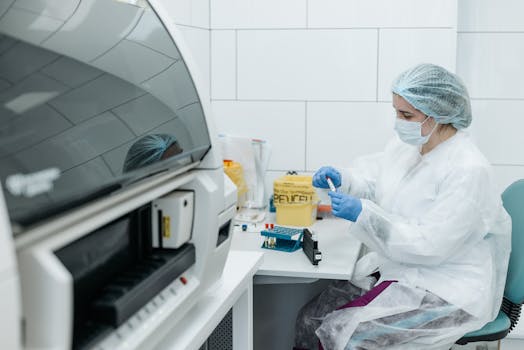
To make this practical, here are common buyer profiles and which option tends to deliver the most usable insight first.
If you’re primarily focused on nutrition predispositions and long-term planning
Start with DNA testing. Look for a report that clearly translates genetic markers into actionable habits (sleep timing, caffeine strategy, macronutrient tolerance, supplementation considerations). Then consider microbiome testing later if you want to optimize digestion and diet response.
For example, if you know you metabolize caffeine slowly, you might adjust training timing and reduce late-day caffeine. That can indirectly improve sleep quality—sleep influences gut function too. DNA gives you the “why,” microbiome gives you the “current state.”
If you have ongoing gut symptoms or you’re trying to fix diet-related discomfort
Start with microbiome testing. This is especially relevant if you’ve already tried general nutrition changes without clear results. Microbiome testing can help you move from broad advice to targeted adjustments.
Many people benefit from pairing a microbiome test with a structured dietary experiment. For instance, you might:
- Week 0: baseline stool sample
- Weeks 1–6: adjust fiber type (e.g., more soluble fiber, reduce specific fermentable triggers)
- Weeks 6–12: trial a targeted probiotic strategy if appropriate
- Week 12: re-test stool to see directional changes
Even if you don’t chase “perfect” numbers, the re-test often makes your decisions less guessy.
If you want the most complete personalization approach
Use both, but in a smart sequence. DNA first for baseline predispositions, microbiome second for real-time gut ecosystem optimization. That approach reduces the chance you overreact to short-term microbiome variability.
In practice, a common workflow is:
- DNA test to set your foundational nutrition and supplement direction
- Microbiome test after you’ve implemented those changes for a few weeks
- Re-test microbiome after a targeted gut intervention
This can be more efficient than doing multiple microbiome tests without a clear dietary plan.
If you’re using testing to inform a clinician conversation
DNA testing can be especially helpful. It’s often easier to discuss predispositions and nutrient-related variants with a healthcare professional. Microbiome testing can still be useful, particularly for GI symptoms, but you’ll want to ensure your clinician is comfortable interpreting the report and that the testing method aligns with clinical standards.
Relevant product examples to consider (naturally aligned to the goal)
If you’re exploring options, you’ll typically see two categories of services: DNA-focused platforms and microbiome-focused kits. For DNA, look for providers with large SNP coverage and clear interpretation for nutrition and health traits. For microbiome, look for kits that provide diversity metrics, functional pathway predictions, and guidance for diet changes.
In the market, companies like 23andMe (DNA) are widely known for genetic trait insights, while microbiome-focused services such as Viome, Thorne-associated microbiome offerings, and Everlywell microbiome-related tests are commonly used by consumers to learn about gut ecosystem patterns. Availability and exact test offerings vary by region, so you’ll want to check the current catalog and what each report includes.
If you prefer a more structured “test and adjust” workflow, prioritize microbiome providers that support re-testing and that clearly explain how to interpret changes over time.
Final verdict: which option fits your needs?
Here’s the simplest way to decide.
- Choose DNA testing if you want stable, inherited insights that help you build a long-term nutrition and wellness plan—especially when you’re optimizing caffeine, supplementation direction, or risk-aware habits.
- Choose microbiome testing if your main goal is improving digestion, reducing diet-related discomfort, and making interventions you can track over 4–12 weeks.
- Choose both (sequenced) if you want the most personalized strategy: DNA to set baseline predispositions, microbiome to validate and refine what’s happening in your gut right now.
In most cases, the “winner” isn’t universal. It’s the test that matches your timeline. DNA tells you what you’re likely to tolerate and how your body may respond. Microbiome testing tells you what your gut ecosystem is doing today. If you align each test with the decisions you’re actually making, you’ll get far more value than trying to force one to replace the other.
22.05.2026. 20:45