

Fecal Microbiome Test Results Explained: What They Mean for You

Why fecal microbiome results can feel confusing
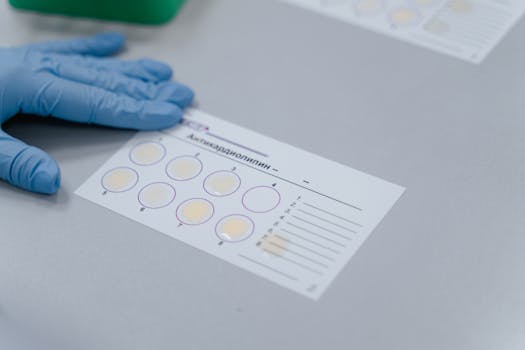
If you’ve received a fecal microbiome report, you may have noticed two things quickly: the data looks highly technical, and the conclusions often feel too general. It’s common to see lists of bacteria, percentages, “beneficial” labels, or scores that imply your gut is either thriving or not. But your gut ecosystem is complex, dynamic, and strongly influenced by diet, medications, sleep, stress, infections, and even how your sample was collected.
This guide helps you interpret fecal microbiome test results explained in a practical, evidence-informed way. You’ll learn what the most common sections of a report mean, how to avoid overreacting to single numbers, and what kinds of next steps are reasonable when you’re trying to connect results with symptoms.
Keep in mind: a microbiome test is not a diagnosis. It’s a snapshot of an ecosystem at one moment in time. The most useful approach is to treat the results as clues—then confirm patterns over time and in the context of your health history.
What a fecal microbiome test actually measures
Most stool-based microbiome tests focus on the organisms present in your colon at the time of sampling. The lab typically extracts DNA (or RNA) from your stool and uses sequencing methods to estimate which microbes are there.
DNA sequencing vs. “live” microbes
Most fecal microbiome tests are based on DNA sequencing, which identifies genetic material. That means it tells you which microbes (or their DNA signatures) are present—not necessarily how active they are or whether they’re alive. Two people can have similar bacterial profiles but different metabolic activity depending on diet and gut conditions.
Relative abundance and why percentages can mislead
Many reports present “relative abundance,” such as “10%” of reads assigned to a genus. Relative abundance shows how much of the detected microbial DNA belongs to a group compared with the rest of your sample. It does not directly measure absolute bacterial quantity.
For example, if your fiber intake drops for a week, some fiber-associated bacteria may decrease. But relative abundance can also shift even if total bacterial load stays similar. That’s one reason your results should be interpreted alongside your diet and symptom timeline.
Taxonomic resolution: species, genus, or “family” level
Reports vary in how specifically they can identify microbes. Some taxa are resolved to species; many are only confidently assigned to genus, family, or higher ranks. Lower resolution doesn’t mean the data is useless—it means the lab’s confidence is limited by the sequencing method and reference databases.
Metabolites and functional inference
Some tests add additional layers such as predicted functional pathways (inferred from DNA) or measured metabolites (less common). Predicted function estimates what microbes might be capable of producing based on gene content. It’s useful for hypothesis generation, not for definitive claims about what your body is actually producing.
Understanding the main sections of a typical report

Although companies format reports differently, most include a few core components. Here’s how to interpret the most common ones.
Diversity: alpha diversity and what “higher” usually means
Many reports show alpha diversity, often using indices such as Shannon or Simpson. In general terms, higher diversity means a more varied microbial community.
However, “more” is not always “better.” A diverse community can still be associated with symptoms, and some conditions may feature a more specialized microbiome. Diversity is best treated as a trend over time, not a single score that determines your health.
Practical example: Suppose your alpha diversity score drops after a 10-day course of antibiotics. That pattern is plausible because antibiotics can reduce susceptible taxa. If you retest 6–12 weeks later and diversity returns toward your baseline, that’s often more informative than the exact number you see today.
Beta diversity: how your sample compares to others
Beta diversity describes differences between microbial communities across samples. Reports may show your sample clustering with reference populations (for example, “similar to healthy controls”). This can be helpful, but the reference groups may vary by geography, diet patterns, age, and methodology.
Also, “similarity” doesn’t necessarily mean health status is identical. Two communities can cluster similarly while one person has symptoms due to factors not captured by stool DNA alone (motility, bile acid handling, inflammation, medication effects, or immune responses).
Taxa abundance: what “high” or “low” taxa really means
Reports often list taxa with relative abundance percentages. The key question is not simply whether a taxon is “high” or “low,” but whether the change aligns with your symptoms and known drivers.
Some taxa are associated with fiber fermentation and short-chain fatty acid (SCFA) production, while others may be more common in certain inflammatory states or after dietary shifts. But assigning “good” or “bad” labels is an oversimplification. Many genera include multiple species with different behaviors.
Important: Relative abundance differences can be small in absolute terms. A shift from 2% to 3% can look meaningful but may not reflect a major biological change.
Functional pathways: predicted metabolism and SCFAs
If your report includes functional pathway predictions, look for broad categories such as carbohydrate metabolism, bile acid metabolism, or pathways related to SCFAs.
For instance, if your report suggests reduced pathways linked to fiber fermentation, that may fit with low fiber intake, reduced resistant starch consumption, or changes in gut transit time. On the other hand, predicted function can be influenced by which taxa are present more than by actual activity.
Markers for dysbiosis: how to interpret flags
Some reports include “dysbiosis” scores, “imbalance” markers, or risk categories. These can be useful as internal summaries, but they’re rarely standardized across labs. If your report uses categories like “low diversity” or “decreased beneficial bacteria,” treat them as prompts to review your diet, medications, and symptom patterns rather than as definitive judgments.
Key metrics you’ll likely see—and what they can indicate
This section walks through common metrics in more detail so you can interpret them with context.
Beneficial vs. opportunistic taxa: why labels can mislead
It’s tempting to read your report as a scorecard of “good bugs” and “bad bugs.” The reality is more nuanced. Many “beneficial” genera can increase in healthy people and may also increase in certain disease contexts depending on the surrounding ecosystem. Likewise, genera that are sometimes associated with illness can appear in healthy individuals.
When you see a taxon highlighted, ask:
- Is the report based on genus or species level?
- Is the change large or small in relative abundance?
- Does it align with your diet, medications, and symptom timeline?
- Does the report provide functional context (metabolism, pathways) or only taxonomy?
SCFA-related indicators: acetate, propionate, butyrate
SCFAs like butyrate are often discussed because they support colon health and influence immune signaling. If your report includes predicted SCFA pathways or related markers, it may suggest how your microbial community might process fibers and resistant starch.
That said, stool DNA doesn’t directly measure SCFA production. If you’re trying to link results to symptoms like bloating or irregular stool, it can help to pair microbiome data with dietary logs and stool frequency/consistency records (for example, using Bristol stool form over 2–4 weeks).
Inflammation-associated signatures: what to do with them
Some reports include taxa or pathway patterns that correlate with inflammatory conditions. These associations come from population studies, not from direct cause-and-effect in your individual case.
If your report suggests inflammation-associated patterns, consider it a reason to discuss symptoms with a clinician—especially if you have red flags such as blood in stool, unexplained weight loss, persistent fever, or severe persistent diarrhea. Microbiome data should not replace medical evaluation.
Antibiotic and medication effects you can often see
Medications can strongly shape fecal microbiome profiles. Antibiotics are the most obvious, but other common medications also matter:
- Proton pump inhibitors (PPIs): may shift microbial composition and affect digestion-related conditions.
- Metformin: can alter microbial metabolism in some people.
- NSAIDs: may affect gut lining and microbial ecology indirectly.
- Opioids: can slow motility and change gut transit time.
Practical example: You start a PPI for reflux and notice constipation and bloating within 2–3 weeks. A stool test done during that period might show changes in taxa associated with carbohydrate or bile acid metabolism. Even if you can’t pinpoint the exact driver from the report alone, the timing helps you connect medication exposure to the ecosystem snapshot.
Sample collection and timing: why it changes results
Two people can follow the same diet but still get different results due to how samples are handled. Understanding these factors helps you judge whether a change in your results reflects biology or logistics.
Collection method and transit time
Most kits require you to collect stool at home and stabilize it immediately. Delays, temperature changes, and incomplete mixing can affect which DNA signatures are detected.
If your report notes that the sample was stabilized within a certain timeframe (often hours, not days), follow those instructions precisely next time. When you compare results, keep collection conditions consistent.
Diet in the 48–72 hours before sampling
Your microbiome responds to diet quickly. In many cases, changes in carbohydrate type, fiber intake, and overall meal patterns can shift which microbes dominate within a few days.
Practical example: If you ate a high-fiber “detox” meal plan the day before your test, you might see increased taxa associated with fermentation. That doesn’t mean your baseline is permanently improved; it may reflect a short-term dietary effect.
Recent illness, travel, and stress
Even a mild stomach bug can alter the gut ecosystem for weeks. Travel can introduce different foods, water sources, and sleep schedules. Stress can influence gut motility and immune signaling, indirectly affecting microbiome composition.
When interpreting your report, create a simple timeline: what happened in the 2–8 weeks before sampling? That context often explains patterns better than chasing “perfect” taxa lists.
How to connect your microbiome results to symptoms—without overreaching

To make fecal microbiome test results explained useful for you, focus on alignment between three things: your symptoms, your timeline, and your measurable dietary or medication changes.
Start with the symptom pattern
Different symptom clusters can correspond to different gut processes:
- Bloating and gas: often related to fermentation of certain carbohydrates, gut transit, or dysregulation of gas handling.
- Diarrhea or loose stools: can reflect infection history, bile acid changes, medication effects, or inflammation.
- Constipation: may relate to motility, fiber type, hydration, and medication effects.
- Reflux or upper GI symptoms: may be less directly reflected in stool microbiome profiles, though gut ecology still plays a role.
Use a 2–4 week tracking window
Instead of trying to interpret everything from a single test, track your key variables for 2–4 weeks and look for patterns:
- Stool frequency and Bristol stool form
- Meals and fiber/resistant starch intake
- Medication changes (including antibiotics, PPIs, metformin, NSAIDs)
- Sleep duration and major stressors
Then compare your symptom trends with what your report suggests about carbohydrate metabolism, fermentation-related pathways, or taxa that respond to fiber.
Don’t treat taxonomy as a direct cause
It’s easy to see a taxon associated with a condition and assume it’s the cause. In reality, stool microbiome patterns often reflect what your gut environment is already doing.
For example, if your report shows reduced fiber-associated fermentation pathways, that may be driven by low fiber intake, altered transit, or bile acid changes. The microbial profile may be downstream of those factors.
Common interpretation pitfalls to avoid
Even motivated, health-literate people can misinterpret microbiome results. These pitfalls are common.
Chasing “perfect” percentages
Microbiome composition naturally fluctuates. A small change in relative abundance can occur from sampling variability or short-term diet changes. If you’re trying to make decisions based on results, use direction and trends over time rather than obsessing over exact percentages.
Assuming test results are stable
Some individuals show relatively stable patterns; others vary widely. Retesting after meaningful changes (diet, medication timing, or recovery from illness) is often more informative than repeating tests weekly.
A reasonable interval many clinicians and researchers consider is about 6–12 weeks for diet-driven shifts, though the exact timeframe depends on what changed and how quickly your symptoms respond.
Ignoring the difference between correlation and causation
Most microbiome findings come from observational studies. Your report can be consistent with research patterns, but it can’t prove that a specific microbe caused your symptoms.
Overcorrecting with multiple changes at once
If you change diet, start supplements, and take antibiotics all in the same month, it becomes difficult to know what influenced your results. If you want to learn from your microbiome data, change one major variable at a time and give it time to show effects.
Real-world scenario: interpreting results after antibiotics
Here’s a realistic scenario you may recognize.
You take antibiotics for 10 days for an infection. Two weeks after finishing, you feel your digestion is “off.” You get a fecal microbiome test because you want to understand what’s happening.
The report shows:
- Lower alpha diversity compared with your baseline (or compared with the lab’s reference)
- Shifts in certain taxa that are often associated with fiber fermentation
- Possible changes in predicted carbohydrate metabolism pathways
How to interpret this without panic:
- Timing matters: antibiotic impacts commonly persist beyond the last dose. A test 2 weeks after completion may reflect recovery phase changes, not permanent damage.
- Diet is a lever: if your fiber intake drops during the illness, that can further reduce fermentation-associated taxa and pathways.
- Symptoms guide priorities: if you’re having watery diarrhea, fever, or blood in stool, this needs medical attention regardless of microbiome results.
- Retesting can be informative: repeating after a 6–12 week recovery period while maintaining consistent diet patterns can show whether the ecosystem is rebounding.
This approach uses your report as a map, not as a verdict.
What practical steps you can take based on your report

Microbiome data is most actionable when it informs realistic lifestyle and medical discussions. The goal is not to “fix” your microbiome overnight. It’s to create conditions that support a stable, resilient ecosystem.
Review your fiber type, not just fiber quantity
Many people focus on “getting more fiber,” but the type matters. Different fibers feed different microbial communities. If your report suggests reduced fermentation-associated pathways, you might consider gradually increasing:
- Soluble fiber (oats, chia, some fruits)
- Resistant starch (cooled potatoes, cooked-and-cooled grains)
- Prebiotic-rich foods (legumes, garlic, onions—if tolerated)
Increase gradually over 1–2 weeks to reduce bloating. If gas increases significantly, scale back and reassess fiber type and portion size.
Check medication timing and side effects
If you’re on PPIs, metformin, laxatives, or other gut-active medications, your microbiome profile may reflect those exposures. Don’t stop medications without medical guidance, but it’s reasonable to ask your clinician whether timing adjustments or alternative approaches are possible.
Use symptom tracking to decide what “works”
If you change your diet, track stool consistency (Bristol type), frequency, and urgency for 2–4 weeks. The best “test” of whether your microbiome-guided changes are meaningful is whether your symptoms improve and stay improved.
Consider clinician involvement when results suggest risk
If your report includes strong dysbiosis flags alongside significant symptoms—especially diarrhea, weight loss, blood in stool, or persistent severe pain—seek medical evaluation. Your microbiome test can support the conversation, but it cannot replace stool studies for infection, inflammatory workups, or other medical assessments when indicated.
Do fecal microbiome tests predict your future health?
Many reports imply long-term risk or resilience. The science is evolving. Some research suggests microbiome patterns correlate with metabolic health, immune function, and inflammatory conditions. But translating those associations into personal predictions is not straightforward.
In practice, your test is best used to:
- Identify plausible influences (diet patterns, medication effects, recovery after illness)
- Generate hypotheses you can test with lifestyle changes and symptom tracking
- Support conversations with clinicians when symptoms persist
It’s less reliable as a standalone forecast of disease. Your overall health history, labs, and clinical evaluation remain primary.
Retesting: when it helps and when it doesn’t
Retesting can clarify trends, but it’s not always necessary. Consider retesting when:
- You changed a major driver (antibiotics, diet pattern, medication adjustment)
- You have persistent symptoms and want to see whether a targeted change correlates with ecosystem shifts
- You want to confirm a recovery pattern after an illness
Many people benefit from a retest after 6–12 weeks rather than sooner. That timeframe allows for more stable dietary and microbial shifts. If you retest too frequently, you may see normal variation and misinterpret it as meaningful deterioration or improvement.
Summary: using fecal microbiome results responsibly

Fecal microbiome test results explained can be genuinely useful—if you treat them as a snapshot and focus on context. Remember:
- Your report is based on stool DNA, which reflects presence more than live activity.
- Relative abundance percentages can shift due to diet timing, sample handling, and natural variability.
- Diversity and taxa lists are clues, not diagnoses.
- Medication exposure, recent illness, and diet changes in the 48–72 hours before sampling can strongly influence results.
- Use symptom tracking over 2–4 weeks to connect patterns to real-life outcomes.
If you approach your results this way, you’ll make them more meaningful and avoid common interpretation pitfalls like overreacting to single values or assuming correlation equals causation.
Prevention guidance: supporting a resilient gut ecosystem
You can’t control every variable in your microbiome, but you can support resilience with consistent habits. For many people, these strategies reduce symptom volatility and improve microbial stability:
- Maintain a fiber-rich diet with gradual adjustments and attention to fiber type.
- Include fermentable foods you tolerate (legumes, oats, fruits, cooled starches).
- Be cautious with rapid diet swings, especially before a test.
- Use antibiotics responsibly under medical guidance and discuss recovery strategies if you’re at risk for gut complications.
- Prioritize sleep and stress management, because gut motility and immune signaling respond to these factors.
Ultimately, the best prevention plan is personalized. Your microbiome test can inform that personalization, but it should work alongside your clinical picture—your symptoms, labs, and medical history.
31.12.2025. 23:16