

Oral Health External Signals: Gum Bleeding, Bad Breath & More

Why oral health external signals matter more than you think
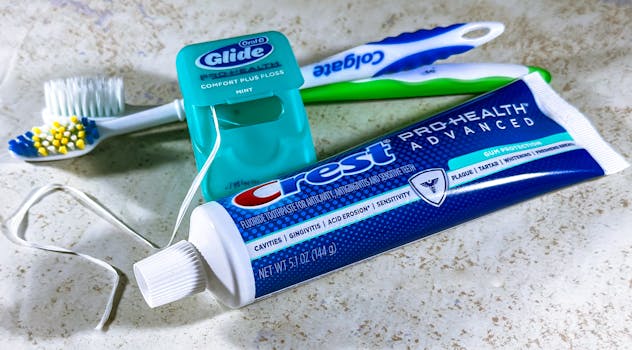
Your mouth is not an isolated system. It’s constantly exposed to bacteria, immune responses, hormones, and everyday habits like sleep, diet, and stress. That’s why certain changes you can observe—like gum bleeding, persistent bad breath, or tooth sensitivity—often show up before you feel significant pain.
In many cases, these oral health external signals reflect inflammation in the gums and supporting tissues. That local inflammation can influence your overall health through pathways involving immune signaling, bacterial byproducts, and changes in the balance of oral microbiology. The connection is not “mystical,” and it’s not about blame. It’s about biology you can recognize early.
This guide helps you interpret key external signs and understand what they may indicate, what you can do at home, and when you should involve a dental professional or physician. You’ll also learn practical timelines—how long to monitor, what to document, and what “normal healing” looks like versus warning signs.
Gum bleeding: what it can reveal about inflammation
Bleeding when you brush or floss is a signal, not a symptom to ignore
Gum bleeding is one of the most common oral health external signals. If your gums bleed during brushing, flossing, or even while eating firm foods, it typically means the gum tissue is inflamed. Healthy gums may bleed very slightly with aggressive brushing early on, but consistent bleeding usually indicates gingivitis or a more advanced periodontal issue.
Gingivitis is often reversible. However, if inflammation persists, it can progress to periodontitis, where the supporting tissues and bone can be affected.
How to tell “irritation” from a likely gum disease pattern
Consider these practical patterns:
- Timing: If bleeding has been happening for more than 1–2 weeks despite gentle cleaning, it’s a strong sign something is wrong.
- Consistency: Bleeding that occurs around the same teeth repeatedly suggests localized plaque accumulation or deeper pocketing.
- Gum appearance: Gums that look red, swollen, or shiny are more consistent with active inflammation than with minor trauma.
- Recession or “longer teeth”: If you notice teeth appearing longer over time, it can suggest chronic gum recession.
What’s happening biologically
When plaque accumulates at the gumline, bacteria trigger an immune response. That response increases blood flow and makes the tissue more fragile. You may also notice tenderness or a “puffy” gum edge. Over time, the inflammatory environment can shift from a mild, reversible state to one that supports deeper bacterial growth.
A real-world scenario you can relate to
Imagine you start flossing more consistently because your gums bleed a little when brushing. After a few days, bleeding can initially increase—especially if you haven’t cleaned deeply before. But by about 7–14 days, bleeding should trend down if the underlying inflammation is improving. If bleeding continues at the same level or worsens after 2 weeks of gentle, consistent cleaning, it’s time to get a periodontal evaluation rather than simply “push through.”
Bad breath (halitosis): local causes and systemic connections
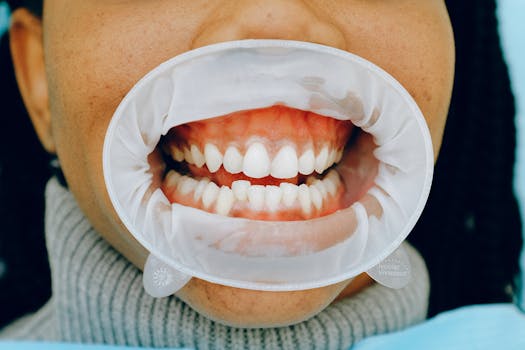
Bad breath is often bacterial, but not always
Persistent bad breath is another prominent oral health external signal. Most chronic cases come from bacterial byproducts produced when proteins break down in the mouth—especially at the tongue surface, between teeth, and around inflamed gums.
However, bad breath can also be influenced by dry mouth, diet, smoking, reflux, certain medications, and sometimes systemic conditions. The key is pattern recognition.
Common oral contributors
- Gum inflammation: Inflamed tissues can trap debris and increase odor-causing compounds.
- Periodontal pockets: Deeper spaces can harbor bacteria even if you brush twice daily.
- Dental plaque and food retention: Areas that don’t get cleaned well become odor sources.
- Dry mouth: Saliva normally helps clear bacteria and neutralize acids. Low saliva makes odor worse.
- Tongue coating: A coated tongue can hold bacteria that contribute to odor.
When bad breath suggests you should look beyond the mouth
Consider additional evaluation if you have:
- Dry mouth that persists despite adequate hydration.
- Frequent reflux symptoms (burning, sour taste, throat irritation).
- Unexplained weight changes or significant fatigue alongside other symptoms.
- Breath changes that are new and persistent, especially if accompanied by systemic symptoms.
Some systemic conditions can produce characteristic breath odors, but you should not self-diagnose. Use these clues to guide appropriate medical or dental follow-up.
Practical guidance for tracking halitosis
For 7 days, you can gather useful information:
- Note whether odor is worse in the morning, after meals, or throughout the day.
- Observe whether it improves after cleaning the tongue and flossing.
- Record whether bleeding gums are present—often halitosis and gum inflammation travel together.
If the odor does not improve after addressing plaque and gum inflammation, a dental exam is warranted to check for periodontal disease, hidden decay, or other oral sources.
Tooth sensitivity: an external signal with multiple possible causes
Why sensitivity happens
Tooth sensitivity often shows up as a sharp, brief discomfort when you eat cold, drink hot, or brush near the gumline. The most common reason is exposure of dentin—the tissue underneath enamel. That exposure can occur due to gum recession, enamel wear, or cracks.
Because sensitivity can be linked to both local and lifestyle factors, it’s important to interpret it alongside other signs like gum bleeding and bad breath.
Common triggers you can identify
- Cold air or cold water: Often points to exposed dentin or enamel thinning.
- Sour foods or acidic drinks: Suggests erosion risk.
- Brushing discomfort: May indicate gum recession or inflamed gums.
- One tooth sensitivity: Could be a localized crack, old filling issue, or an area of active decay.
How sensitivity can relate to systemic inflammation
To be clear, tooth sensitivity itself doesn’t equal systemic inflammation. But the conditions that drive gum inflammation—such as periodontal disease—can coexist with sensitivity due to recession and tissue changes.
If your sensitivity is accompanied by bleeding gums, persistent bad breath, or gum swelling, it strengthens the case for periodontal evaluation. Systemic inflammation is a broader concept; clinically, dentists and physicians consider patterns across the mouth and body, not a single symptom.
What to do when sensitivity appears
You can take sensible steps immediately while waiting for an appointment:
- Use a soft-bristled toothbrush and gentle technique at the gumline.
- Limit acidic exposure (frequent sipping of soda, energy drinks, or citrus throughout the day).
- Consider temporary behavior changes such as avoiding whitening products if they worsen symptoms.
If sensitivity persists beyond 2–4 weeks, worsens, or localizes to one tooth, schedule a dental assessment. Persistent sensitivity can indicate a structural issue that home care cannot fully fix.
Loose teeth, gum swelling, and changes in bite: advanced warning signs
Loose teeth and shifting can indicate periodontal support loss
Tooth mobility is not normal aging. If you notice a tooth feels loose or your teeth “shift,” it can be linked to periodontitis—especially when bone support is reduced. This is a high-priority oral health external signal.
In periodontitis, inflammation damages the tissues that anchor teeth, including the periodontal ligament and supporting bone. The result can be mobility, changes in bite, and difficulty chewing.
Swollen gums, pus, or persistent tenderness
Gum swelling can be part of gingivitis, but if you notice persistent tenderness, recurring swelling around specific teeth, or pus-like drainage, you should seek evaluation promptly. These features can indicate active infection in periodontal pockets or other localized problems.
What a practical timeline looks like
If you observe:
- Bleeding that doesn’t improve after 1–2 weeks of improved cleaning,
- Bad breath that persists despite consistent tongue cleaning and flossing,
- Sensitivity that doesn’t improve after 2–4 weeks of gentle care,
- New mobility or changes in bite,
then it’s reasonable to book a dental appointment for an exam and periodontal assessment. Earlier evaluation can prevent the problem from progressing.
Dry mouth and altered saliva: a hidden driver of oral inflammation
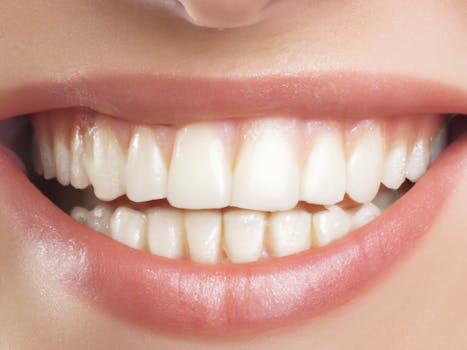
Dry mouth amplifies bacteria and odor
Saliva is a protective system. It helps buffer acids, supports remineralization, and clears food debris. When saliva decreases—whether from medications, mouth breathing, dehydration, or certain medical conditions—bacteria can thrive more easily, and odor can worsen.
How to recognize dry mouth in daily life
- You wake up with a sticky mouth or thick saliva.
- You feel thirsty frequently.
- Swallowing feels uncomfortable.
- Your mouth tastes “off” or metallic.
- You notice increased plaque buildup or frequent mouth sores.
Dry mouth as an oral health external signal for medication or health issues
Many common medications can reduce saliva. If you started a new medication within the last few months and your mouth feels drier, bring that up during your dental and medical visits. You don’t need to guess which medication is responsible; clinicians can help connect the timing.
Practical steps you can take at home
- Hydrate consistently (especially if you have dry nights).
- Use sugar-free xylitol-containing products if they suit you—xylitol can support saliva and reduce bacterial adhesion.
- Improve oral airflow habits (address mouth breathing if you snore or wake with a dry throat).
- Keep up with cleaning even when dryness makes it uncomfortable; gentle technique matters.
If dry mouth is persistent or severe, ask a clinician about saliva evaluation and underlying causes.
Oral ulcers, white patches, and irritation that won’t heal
Non-healing lesions can reflect more than local trauma
Most minor mouth irritation heals within 1–2 weeks. If an ulcer, sore, or patch persists beyond that timeframe, it’s not something to monitor indefinitely. While not all lesions are serious, the mouth has enough important conditions that you should get it examined.
How this connects to inflammation
Chronic irritation can change the local immune environment. Meanwhile, inflammatory periodontal disease can contribute to a mouth that is more reactive and harder to maintain. If you also have bleeding gums or bad breath, it strengthens the case for a thorough oral exam.
What you can do right now
- Avoid picking at lesions.
- Reduce irritants (very spicy, very acidic foods) while you wait for assessment.
- Document size and location with simple notes: “left cheek near molar,” “under tongue,” etc.
Bring your notes to the appointment. Clear information helps clinicians decide what to evaluate first.
How oral inflammation links to systemic inflammation
The concept: local immune activation can influence the body
Systemic inflammation refers to inflammatory processes occurring throughout the body, not just in one area. Periodontal disease is one condition that can contribute to systemic inflammatory burden. The mechanism involves immune signaling, inflammatory mediators, and bacterial components that can enter circulation or influence immune pathways.
This does not mean every person with gum bleeding will have systemic inflammation, and it does not mean mouth symptoms are the only driver of health changes. It does mean your oral health can be a meaningful part of the overall inflammation picture.
What clinicians often look for
When considering systemic inflammation, clinicians may consider:
- Severity and extent of periodontal disease (not just mild gingivitis).
- Consistency of symptoms (ongoing bleeding, persistent odor, mobility).
- Systemic conditions such as diabetes, cardiovascular disease risk, autoimmune conditions, or inflammatory disorders.
- Inflammatory markers when relevant in medical care (for example, blood markers ordered by a physician).
Practical example: diabetes and gum inflammation
Consider a person with type 2 diabetes whose blood sugar control is fluctuating. They notice gum bleeding and persistent bad breath. Periodontal inflammation can make glucose management more difficult, and higher glucose can also promote a more inflammatory oral environment. In this scenario, improving gum health is often an important step in overall health management.
The key takeaway for you: oral symptoms can be a clue that your body’s inflammatory balance may be under strain. Addressing oral inflammation can be part of a broader health plan coordinated with your clinicians.
Red flags that should not wait for your next routine visit
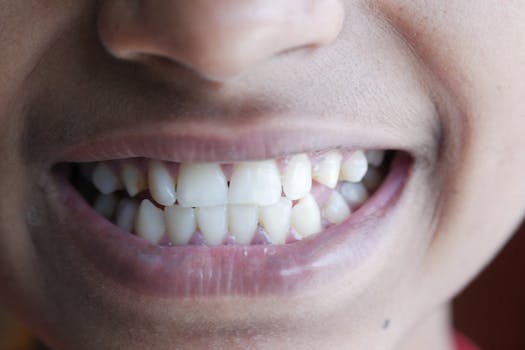
Most oral problems are manageable, especially when caught early. Still, some external signals deserve prompt attention. Seek timely evaluation if you have:
- Spontaneous bleeding without brushing or flossing.
- New or worsening tooth mobility or changes in bite.
- Pus, swelling, or fever associated with gum tissue.
- Severe pain that persists beyond 24–48 hours.
- Non-healing mouth sores lasting more than 2 weeks.
- Rapidly worsening bad breath with other symptoms like swelling or taste changes.
If you’re unsure, err on the side of evaluation. Oral inflammation can progress quietly, and early intervention is usually easier than late-stage treatment.
What you can do at home to respond to these signals
Start with technique and consistency
External signals like bleeding and odor often improve when plaque is disrupted effectively and consistently. Focus on:
- Gentle brushing with a soft brush, paying attention to the gumline.
- Daily interdental cleaning (floss or interdental brushes sized for your spaces).
- Tongue cleaning if you have a coated tongue or morning odor.
If you’re currently inconsistent, don’t try to “perfect” everything in one day. Build a routine over 7–14 days.
Use time-based expectations for improvement
Here are realistic checkpoints:
- 7–14 days: Bleeding should start decreasing if gingivitis is the main issue and you’re cleaning effectively.
- 2–4 weeks: Sensitivity should often improve if the cause is irritation or early recession without structural damage.
- Ongoing: If symptoms don’t trend better, it suggests a deeper cause (periodontitis, decay, crack, or another issue).
Oral hygiene products: what can help without overselling
It’s reasonable to use tools that support gum health and reduce plaque. For example, an antiseptic mouthwash containing chlorhexidine may be recommended by dental professionals for short periods when inflammation is significant, but it’s generally not meant for long-term self-directed use.
For sensitivity, toothpaste designed for desensitization can help some people by reducing nerve response or supporting fluid movement in exposed dentin. If your sensitivity is severe or localized, toothpaste alone won’t address the underlying cause.
Remember: products can support your routine, but they don’t replace a clinical evaluation when bleeding, odor, or mobility persist.
Practical daily routine example
Try this structured approach for 10 days:
- Morning: Brush gently for about 2 minutes; clean your tongue lightly; drink water.
- Evening: Floss or use interdental brushes once daily; brush again gently.
- After meals: If you can’t brush, rinse with water and avoid prolonged snacking.
- Track signals: Note bleeding level (none, mild, moderate) and whether bad breath is improving.
This kind of routine helps you differentiate “temporary irritation” from persistent inflammation that needs professional care.
Prevention: reducing inflammation before it becomes persistent
Build habits that protect the gumline
Prevention is mostly consistency. Plaque is the starting point for many gum problems. Your goal is to remove it before bacteria shift the environment toward inflammation.
- Brush twice daily with gentle technique.
- Clean between teeth daily.
- Use fluoride toothpaste to support enamel resilience.
- Limit frequent acidic drinks and frequent snacking.
Address dry mouth and breathing habits
If you wake up dry or snore, mouth breathing may be involved. That can worsen both odor and gum inflammation risk. Consider discussing sleep and breathing issues with a clinician.
Don’t ignore the pattern across symptoms
The most useful prevention insight is pattern-based. When you see multiple oral health external signals together—like gum bleeding plus bad breath plus sensitivity—you’re likely looking at an inflammatory environment that needs more than temporary home care.
In those situations, prevention becomes early intervention: a periodontal assessment, targeted cleaning, and a plan tailored to your findings.
Summary: what to do when your mouth shows external signals
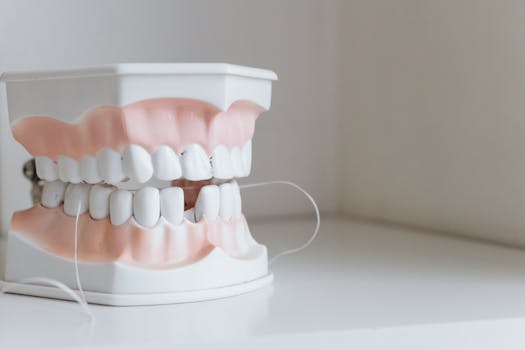
Gum bleeding, persistent bad breath, and tooth sensitivity are not random inconveniences. They are oral health external signals that often reflect inflammation, plaque retention, dry mouth, or structural changes in the teeth and gums. When these signs persist, overlap, or include red flags like mobility or non-healing sores, they can also point toward a higher systemic inflammatory burden.
Your best next steps are practical and time-based:
- Track symptoms for 7–14 days after improving cleaning technique.
- Expect sensitivity improvements within 2–4 weeks if the cause is irritation and early inflammation.
- Seek prompt evaluation if you see mobility, swelling with pain or pus, spontaneous bleeding, or mouth lesions lasting over 2 weeks.
By treating these external signals as meaningful data—rather than “normal”—you give yourself the best chance to protect both your mouth and your overall health.
15.02.2026. 20:43