

CGM Nighttime Glucose Spikes and HRV: What’s the Link?

Why nighttime glucose spikes can show up in HRV
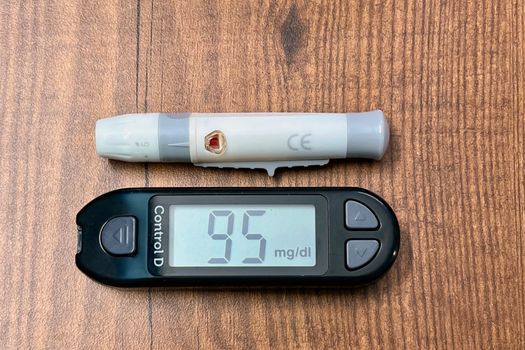
Continuous glucose monitors (CGMs) can reveal patterns that finger-stick testing misses—especially overnight. Some people notice that their CGM glucose rises during sleep, even when they feel fine. At the same time, wearable devices estimate heart rate variability (HRV), a marker often used to reflect autonomic nervous system balance and recovery.
The topic is best understood as a physiology question: How could a temporary rise in glucose overnight change the autonomic signals that influence HRV? The short answer is that glucose excursions can affect insulin signaling, inflammation, stress hormone dynamics, and sleep physiology—all of which can influence HRV measurements.
This explainer focuses on what “CGM nighttime glucose spikes HRV” usually means in real-world data, what mechanisms are plausible, and how to interpret the relationship without overreaching.
What CGM “nighttime spikes” typically represent
Nighttime glucose spikes are brief increases in CGM glucose during the sleep window. Depending on the person and CGM settings, these patterns may appear as:
- Post-evening meal rise that peaks in the first half of the night.
- Late-night rebound after an earlier dip, sometimes related to meal composition or activity.
- Persistent elevation where glucose stays higher than expected for hours.
- Brief excursions that look like “blips,” which may be real or partly influenced by CGM measurement lag and sensor noise.
Two important caveats: CGM tracks interstitial glucose, not blood glucose directly, and there is typically a time lag between blood and interstitial levels. Also, individual CGM devices vary in accuracy, especially at lower glucose ranges and during rapid changes.
Still, patterns repeated across nights are often meaningful—particularly when they align with how you feel, how your sleep looks, and how your HRV behaves.
HRV basics: what a wearable is actually measuring
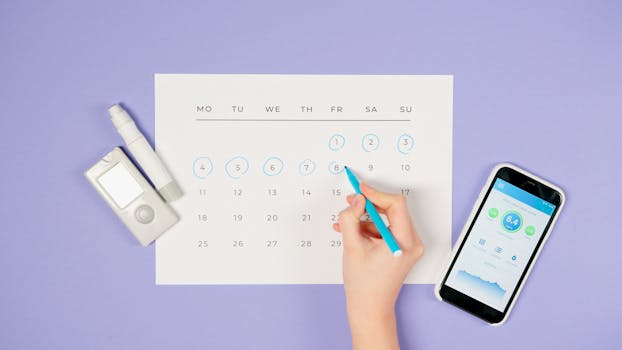
HRV is a family of metrics derived from the time variation between heartbeats (R-R intervals). Many consumer wearables estimate HRV from photoplethysmography (PPG) signals or, in some cases, from ECG data. Common HRV outputs include:
- Time-domain measures such as RMSSD (often emphasized for short-term autonomic balance).
- Frequency-domain measures that separate components associated with sympathetic and parasympathetic activity.
- Composite scores that summarize HRV into a single number.
HRV is not a single “health score.” It reflects the complex interaction of the autonomic nervous system, breathing patterns, sleep stage, hydration status, temperature, and even movement artifacts. During sleep, HRV often changes as you cycle through stages, and “normal” ranges vary widely between individuals.
Therefore, when people say that CGM nighttime glucose spikes affect HRV, they usually mean: HRV tends to drop (or become more variable) during periods when glucose is higher or changing rapidly.
Physiological pathways linking glucose excursions to HRV
Several mechanisms can plausibly connect nighttime glucose spikes to HRV changes. Not every mechanism will apply to every person, but these pathways help explain why a relationship might exist.
Autonomic shifts driven by glucose and insulin dynamics
Glucose is not just fuel—it’s a signal. When glucose rises, the body responds through insulin secretion and changes in counter-regulatory hormones. These hormonal responses can influence autonomic balance. In simplified terms, higher or rapidly changing glucose can increase sympathetic drive or alter vagal activity, which can reduce HRV.
Because HRV is sensitive to autonomic tone, an overnight glucose rise may coincide with lower HRV if it nudges the body toward a more “stress-like” autonomic pattern.
Inflammation and oxidative stress effects
Glucose variability can promote inflammatory signaling and oxidative stress in susceptible individuals. Even if the exposure is brief, repeated overnight excursions may contribute to a background inflammatory state. Inflammation can affect vascular function and autonomic regulation, potentially influencing HRV.
This pathway is slower than an immediate “spike causes HRV drop” effect, but it can contribute to patterns across days and weeks.
Sleep fragmentation and respiratory effects
Sleep quality strongly affects HRV. If a glucose spike is accompanied by symptoms like increased urination, reflux, sweating, or discomfort, sleep may fragment. Fragmented sleep often reduces HRV and increases variability in a way that reflects arousals.
There is also a link between metabolic factors and breathing. In some people, glucose dysregulation and insulin resistance correlate with obstructive sleep apnea risk. Breathing disruptions can lower HRV and may coincide with glucose changes during the night.
Counter-regulatory hormone timing (especially late night)
Late night and early morning involve natural circadian changes in glucose regulation. Counter-regulatory hormones like cortisol can increase overnight. If an individual’s insulin sensitivity is reduced, the combination of circadian physiology and meal-related glucose effects may produce a more pronounced late-night rise, which could then alter autonomic balance.
This is one reason “night spikes” sometimes appear more in the second half of the night, even when dinner timing is consistent.
How to interpret “CGM nighttime glucose spikes HRV” without misreading the data
Correlations can be tempting, but the key is to separate coincidence from meaningful association. Here’s how to approach interpretation more rigorously.
Look for repeated timing, not just one night
One night of high glucose and low HRV can happen for many reasons: alcohol, late meals, stress, illness, poor sleep, or sensor artifacts. A more convincing pattern is when:
- The glucose rises during the same sleep window across multiple nights.
- HRV decreases (or becomes less stable) around the same time range.
- The pattern persists even when other variables are relatively consistent.
Account for CGM lag and HRV timing
CGM values reflect interstitial glucose and can lag behind blood glucose. HRV responds to autonomic and sleep changes, which can occur quickly after a physiological shift. If you align the exact timestamp of a glucose peak with an HRV dip, you may misjudge the relationship.
A practical approach is to examine broader windows—for example, the hour or two surrounding the glucose rise—rather than expecting perfect point-to-point alignment.
Control for sleep stage effects and movement
HRV typically varies across sleep stages. A night with more wake time or more light sleep can show lower HRV regardless of glucose. Wearable metrics can also be affected by motion, loose sensor fit, and poor signal quality.
If your device provides sleep staging or “sleep quality” indicators, use them to check whether the HRV change aligns with glucose rather than with a clear increase in awakenings.
Consider measurement artifacts
PPG-derived HRV can be noisy. Cold hands, dehydration, or inconsistent wear position can degrade signal quality. Similarly, CGM can show spikes due to sensor issues or transient noise.
If you suspect measurement problems, reviewing signal quality flags (when available) and comparing multiple nights can help determine whether the pattern is real.
Common drivers of nighttime glucose spikes
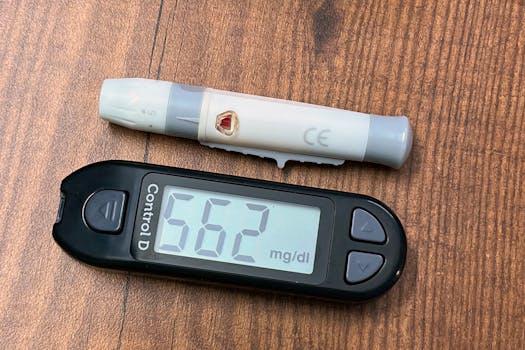
If you’re seeing overnight rises, it helps to consider the most common contributors. These aren’t diagnoses, but they are frequent causes that also relate to sleep and autonomic changes.
- Dinner composition: high glycemic load meals, refined carbs, or large portions can produce late glucose rises.
- Fat and protein effects: slower digestion can extend glucose elevation into the night for some people.
- Timing: late meals close to bedtime may not give enough time for glucose to settle.
- Alcohol: can impair glucose regulation and disrupt sleep architecture.
- Reduced evening activity: less post-meal movement can reduce glucose clearance.
- Stress and cortisol: stress can raise glucose and also affect HRV through sympathetic activation.
- Sleep-disordered breathing: suspected if there is loud snoring, witnessed pauses, or persistent daytime fatigue.
- Medication effects: timing and type of diabetes or metabolic medications can influence overnight glucose patterns.
Notably, several of these factors can independently affect HRV. That’s why the relationship between CGM spikes and HRV may reflect a shared driver—like sleep disruption—rather than a direct cause in every case.
Practical ways to test whether glucose spikes are influencing HRV
You can approach this like a structured self-observation project. The goal is to change one variable at a time and see whether the CGM and HRV patterns move together.
Use a consistent sleep window and meal timing
For 1–2 weeks, keep dinner timing and bedtime roughly consistent. If you’re experimenting, avoid changing everything at once. Then compare nights where glucose rises versus nights where it doesn’t.
Compare “spike nights” to “non-spike nights”
When you see a nighttime glucose rise, check whether HRV changes occur:
- During the rise window
- After the rise ends
- Across the entire night
If HRV drops mainly during the rise window and rebounds when glucose stabilizes, that pattern is more suggestive of a link.
Track sleep quality markers
If your wearable provides sleep stage or disturbance indicators, record whether the spike nights also show more awakenings, more time in light sleep, or worse perceived sleep quality. If HRV changes track sleep fragmentation more than glucose, sleep disruption may be the primary mediator.
Consider a controlled dietary adjustment
Common experimental variables include:
- Reducing late-night refined carbohydrates
- Moving dinner earlier
- Adding a consistent post-dinner walk (when appropriate)
After implementing one change, watch whether overnight glucose variability decreases and whether HRV improves during sleep. If both improve together, the relationship becomes more plausible.
Be cautious with over-interpretation
HRV is influenced by many factors—hydration, illness, menstrual cycle, training load, caffeine, and stress. A single metric rarely captures the full picture. The most useful approach is to look for stable patterns over time rather than immediate “cause and effect” conclusions.
Prevention and guidance: reducing overnight variability
Without assuming a specific medical condition, the most broadly applicable strategies focus on lowering glucose variability and supporting stable sleep physiology. These choices often benefit both CGM patterns and HRV.
- Shift dinner earlier when feasible, giving more time for digestion before sleep.
- Adjust carbohydrate quality and portion, especially at dinner, to reduce rapid glucose excursions.
- Include consistent, moderate post-meal movement (such as a short walk) if it fits your routine and health status.
- Limit alcohol close to bedtime because it can worsen both glucose regulation and sleep quality.
- Prioritize sleep regularity: consistent bedtime and wake time can reduce circadian mismatch.
- Screen for sleep-disordered breathing if symptoms are present; treating underlying breathing issues can improve HRV patterns and metabolic stability.
- Review medication timing with a clinician if you use diabetes-related therapies, because overnight dosing and meal timing can strongly affect glucose.
If CGM shows frequent high overnight readings or HRV repeatedly drops alongside symptoms (fatigue, palpitations, morning headaches, or excessive daytime sleepiness), it’s reasonable to involve a healthcare professional. In particular, persistent nocturnal hyperglycemia or signs suggestive of sleep apnea merit proper evaluation rather than self-experimentation alone.
Where wearables help—and where they can mislead
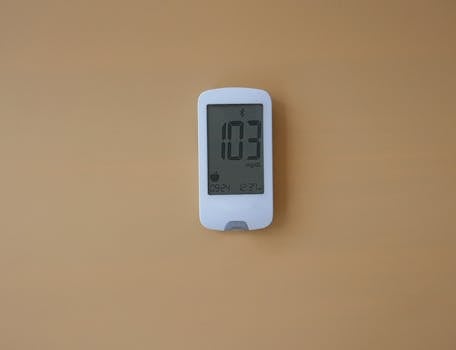
Wearables can be valuable for spotting trends, especially when you have CGM data and HRV data in the same timeframe. Many people use HRV metrics from devices such as Apple Watch, Oura, Garmin, Fitbit, or Whoop to monitor recovery. When combined with CGM, they can highlight nights when physiology seems less stable.
However, both CGM and HRV are indirect measures. HRV estimates from PPG can be affected by sensor fit and signal quality; CGM can have lag and occasional noise. The most reliable use is trend-based: look for consistent associations, test one change at a time, and interpret results in the context of sleep quality and daily routines.
Summary: interpreting CGM nighttime spikes alongside HRV
CGM nighttime glucose spikes can coincide with HRV changes because glucose excursions can influence autonomic balance, sleep stability, and hormonal signaling. But the relationship is not guaranteed and may be mediated by shared factors like sleep fragmentation or breathing disruption.
To interpret the link thoughtfully, focus on repeated timing across nights, account for CGM lag and sleep-stage effects, and check whether HRV changes align more with glucose rises or with sleep disturbances. Practical steps—earlier dinner timing, reducing late refined carbs, consistent evening routines, and addressing sleep quality—often improve both glucose variability and recovery-related HRV patterns.
When the pattern is persistent or accompanied by concerning symptoms, professional evaluation is the safest next step, especially if nocturnal hyperglycemia or sleep apnea is suspected.
23.04.2026. 20:13