

Indoor Humidity Mold Risk: Condensation Troubleshooting & Target RH Range

Overview: how condensation and indoor humidity create mold risk
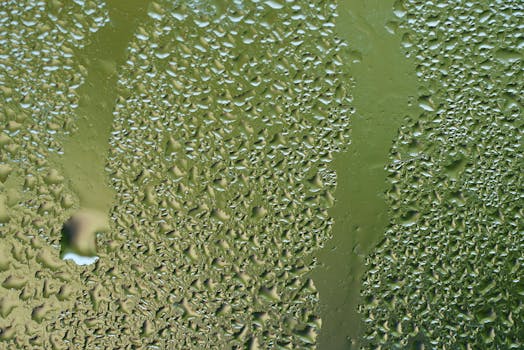
When indoor air is too humid, it doesn’t just feel sticky—it can also create the conditions mold needs. The most common warning signs are visible condensation, musty odors, and recurring dampness around cold surfaces. You might notice fogging on bathroom mirrors that lingers longer than it should, water droplets on windows during cool weather, damp drywall near exterior walls, or a persistent “wet basement” smell even when you don’t see standing water.
The key diagnostic clue is where the moisture shows up. Condensation on windows and other cold surfaces points to humidity and temperature interaction. Mold risk increases when surfaces stay damp long enough for spores to take hold. Your goal in troubleshooting is to identify what is raising indoor humidity, where condensation is forming, and whether your ventilation and air movement are adequate to keep surfaces dry.
Most likely causes: why indoor humidity rises and condensation forms
Several root causes repeatedly show up in indoor humidity mold risk investigations. Often, more than one factor is involved.
- Outdoor moisture entering the home: Leaky plumbing, failed flashing, poorly sealed penetrations, wet crawlspaces, and bulk water intrusion can add moisture continuously.
- Insufficient ventilation: Bathrooms without adequate exhaust fans, kitchens that vent to the outdoors, and clothes dryers vented incorrectly all contribute to rising humidity.
- Air leakage and thermal bridging: Warm, humid air leaking into cooler wall cavities can condense inside walls or behind finishes. Thermal bridging—such as metal studs or poorly insulated rim joists—creates localized cold spots.
- HVAC limitations: A system that runs too little, a clogged filter, a malfunctioning thermostat/humidistat, or an AC that doesn’t dehumidify effectively can leave indoor RH high.
- High moisture generation indoors: Frequent showering without ventilation, drying laundry indoors, humidifiers used incorrectly, and cooking without venting can raise indoor moisture load.
- Basement or crawlspace moisture: Missing or damaged vapor barriers, bulk water, or inadequate dehumidification in these areas can elevate whole-house humidity.
Condensation is a symptom, not a cause. It usually forms when indoor air moisture meets a surface below its dew point. That means your troubleshooting should focus on both the moisture source and the indoor conditions that allow condensation to persist.
Target indoor RH range: what to aim for during condensation troubleshooting

For mold risk control, the practical target is to keep indoor relative humidity in the healthy, mold-resistant zone. In most homes, that means aiming for 30%–50% RH, with around 40%–45% RH often working well as a stabilizing target.
As RH climbs, condensation becomes more likely on cooler surfaces—especially windows, exterior wall edges, and corners. If you consistently see condensation at your current indoor RH, the right response is to reduce RH and address the temperature and air movement conditions that make those surfaces cold.
Use a reliable hygrometer to confirm RH readings. Cheap sensors can drift, so if you’re troubleshooting a real mold risk, it’s worth verifying readings at the rooms where condensation appears.
Step-by-step troubleshooting: isolate the condensation and identify the moisture source
Work through these steps in order. Each step should narrow the cause so you can apply the right fix.
1) Map where moisture is happening
Walk the home and note every location with condensation, dampness, staining, or musty odor. Pay attention to exterior wall areas, window frames, behind furniture placed against walls, and any ceiling corners near bathrooms or kitchens. If moisture appears primarily in one zone, focus there first.
For accurate diagnosis, check during a period when condensation is most likely—often early morning in cool seasons or after humid outdoor air events.
2) Measure RH and temperature at the affected surfaces
Measure indoor RH in the same room where condensation occurs. If possible, compare readings from rooms that are dry versus rooms that are humid. If you can measure surface temperature (an inexpensive infrared thermometer can help), identify whether condensation is forming on a cold surface that’s likely due to insulation gaps, drafty areas, or poor HVAC distribution.
When RH is high and surfaces are cold, condensation is expected. When RH is moderate but condensation still appears, you likely have a localized cold spot or airflow problem.
3) Check airflow and exhaust performance
In bathrooms and kitchens, confirm that exhaust fans vent to the outdoors and that airflow is strong enough to remove steam. A common failure is a fan that runs but doesn’t exhaust outdoors due to duct issues or a disconnected duct. Another issue is insufficient run time—fans that turn off immediately after a timer ends may not clear moisture.
During showering or cooking, observe whether humidity spikes and whether the fan reduces it. If you see condensation shortly after activities, the ventilation strategy likely needs adjustment.
4) Inspect for visible leaks and hidden water pathways
Look for plumbing leaks under sinks, around toilets, behind washing machines, and at supply lines. Check for water staining, peeling paint, or soft drywall. If you suspect a leak but can’t find it visually, consider checking water meter movement when the home is not using water.
Also inspect roof and exterior details like gutters, downspouts, and flashing. Bulk water intrusion can raise indoor humidity even if you don’t see obvious indoor leaks at first.
5) Evaluate HVAC dehumidification and system runtime
Confirm the HVAC is actually controlling humidity. If you have central air conditioning, it should remove moisture as it cools. If the system rarely runs, RH can remain elevated. Check filters and ensure registers aren’t blocked by furniture or closed dampers.
If your HVAC has a humidistat feature, verify it’s set appropriately. If the system is oversized or short-cycling, it may cool the air without removing enough moisture.
6) Test for crawlspace or basement moisture drivers
If the home has a basement or crawlspace, check the condition of the vapor barrier and look for standing water, damp soil, or condensation on foundation surfaces. Measure RH in that area if you can. A wet crawlspace can raise whole-house RH even when upstairs seems “fine.”
In many homes, improving crawlspace conditions reduces condensation and musty odors more effectively than adjusting indoor dehumidifiers alone.
Solutions from simplest fixes to more advanced fixes
Apply fixes in this order. Start with actions that reduce moisture at the source and improve drying, then move to more involved repairs if RH and condensation don’t improve.
Start with ventilation and moisture source control
- Run bathroom exhaust fans during and after showers: Use the fan whenever steam is generated. If your fan has a timer, extend it so the room dries before the fan stops.
- Confirm kitchen venting: Ensure range hoods vent outdoors, not into the attic or crawlspace. If the hood is recirculating, RH may rise quickly during cooking.
- Stop indoor moisture generation: Reduce indoor drying of laundry when possible, and avoid using humidifiers until you’re sure the home needs them.
- Improve air movement: Keep interior doors open where appropriate and avoid blocking air returns. Stagnant air increases local condensation risk.
Adjust temperature and address cold-surface condensation
Condensation often happens because certain surfaces are colder than the rest of the room. Even with normal RH, cold corners can still be problematic. If you see condensation primarily at window edges and exterior wall corners, do the following:
- Increase thermostat setpoint slightly during cold spells so cold surfaces warm up and dew point is less likely to be reached.
- Improve window sealing and glazing performance: Weatherstripping and caulking can reduce drafts that bring humid air to cold glass.
- Use interior air circulation near windows: Don’t block radiators or vents that keep glass and frames warmer.
Use dehumidification strategically
If RH is consistently above your target range, dehumidification can provide immediate control while you correct the underlying cause. The right approach depends on where the moisture is coming from.
- Whole-home RH is high: A properly sized whole-house dehumidifier can help maintain 40%–45% RH and reduce condensation risk on windows and exterior walls.
- Only certain zones are humid: A room or area dehumidifier may be more practical—especially if the issue is concentrated in a basement, laundry area, or bedroom.
If you have a dehumidifier, clean the filter and check the drain path. A unit that appears to run but doesn’t remove water efficiently often indicates a maintenance or airflow issue. Also ensure the unit’s air intake isn’t blocked by curtains, stored items, or furniture.
Relevant equipment commonly used in this context includes portable dehumidifiers and whole-home dehumidifiers. Whichever type you use, set it to maintain the desired RH range rather than simply running continuously.
Fix ventilation ducting and fan performance problems
If exhaust fans aren’t exhausting outdoors, humidity will build. Common repair steps include:
- Inspect the exhaust duct for disconnections, crushed sections, or long runs with excessive bends.
- Verify the outside termination isn’t blocked by debris or a stuck backdraft damper.
- Replace a failing fan motor if airflow is weak.
- Ensure the fan size matches the bathroom size and duct length.
After repairs, re-measure RH during and after showers. The goal is a measurable reduction and drying within a reasonable time.
Address air sealing and insulation gaps that create cold spots
When condensation remains despite acceptable RH control, a cold-surface issue is likely. Focus on:
- Exterior wall edges near corners and behind furniture
- Rim joists and other areas where insulation may be incomplete
- Recessed lights and penetrations
Air sealing with appropriate materials and improving insulation can raise surface temperatures above the dew point threshold. This reduces condensation even when you have normal day-to-day humidity.
Repair moisture intrusion and bulk water sources
If you detect leaks, damp drywall, or recurring moisture after rain events, repairs must address the water entry path. Examples include:
- Fixing plumbing leaks and replacing damaged supply lines
- Correcting drainage issues around the foundation
- Repairing roof flashing and sealing penetrations
- Replacing compromised vapor barriers in crawlspaces
Dehumidification alone won’t solve a continuous bulk water problem. It can reduce RH, but it can also delay recognition of the true source.
Upgrade HVAC controls or correct system sizing/operation
If humidity problems persist year-round, the HVAC system may not be operating in a way that supports dehumidification. Consider:
- Cleaning or replacing filters to restore airflow
- Checking for refrigerant or airflow issues that reduce cooling performance
- Using a humidistat control strategy that matches your indoor target RH
- Addressing short-cycling or inadequate runtime (which can require professional evaluation)
For homes where humidity spikes in shoulder seasons (cool nights, warm days), a professional can evaluate whether the system sequence and control logic match real comfort and humidity needs.
When replacement or professional help is necessary
Some situations require more than troubleshooting and DIY humidity control. Use the following guidance to decide when to escalate.
Professional assessment is warranted if you suspect hidden mold or ongoing water intrusion
If you find recurring dampness, staining that grows, or musty odor that returns quickly after cleaning and drying, a professional inspection can identify hidden moisture pathways. This is especially important when condensation occurs behind walls, in ceilings, or around ductwork where visual inspection is limited.
Consider remediation and material replacement when contamination is likely
If mold has spread beyond small, easily removable areas or if porous materials (like drywall, insulation, or carpeting) have been wet repeatedly, replacement may be necessary. Drying the space and removing damaged materials is often required to stop future growth. The decision depends on extent, duration of wetness, and material type.
As a rule of thumb, if the affected area is more than a small patch or if you can’t confidently locate and fix the moisture source, professional remediation can prevent re-contamination.
Replacement of building components may be needed after severe moisture events
After major leaks or long-term dampness, insulation, drywall sections, and ceiling materials may need removal even if RH later returns to normal. Persistent condensation can also indicate insulation failure or chronic air leakage that may require wall cavity work.
When HVAC or dehumidification equipment must be evaluated
If you can maintain RH only with constant portable dehumidifier operation, or if the HVAC never seems to reduce humidity despite proper settings, a professional HVAC evaluation can confirm whether dehumidification performance is adequate. Similarly, if a dehumidifier runs but doesn’t reduce RH, the unit may be underperforming, improperly sized, or affected by airflow/ducting issues.
What to verify after fixes: confirm RH stability and stop condensation
After each repair or adjustment, verify results rather than assuming the issue is solved. Re-check RH in the rooms where condensation appeared and observe those surfaces over the next several days, including a morning period when condensation is typically worst.
Successful troubleshooting is indicated by:
- Indoor RH staying within the 30%–50% target range, ideally around 40%–45%
- Condensation on windows and exterior wall surfaces becoming rare or disappearing
- Musty odors reducing and not returning quickly
- No new damp patches appearing after showers, cooking, or weather changes
If RH remains high, revisit moisture sources and ventilation performance first. If RH is controlled but condensation persists on specific cold surfaces, focus on insulation gaps, air sealing, and localized airflow. When you address both the moisture load and the cold-surface conditions that cause dew point to be reached, mold risk drops substantially.
08.12.2025. 03:56