

Water Filter Buying Guide: Reverse Osmosis, Carbon & Distillation

Choosing a water filter when you don’t know what’s in your water
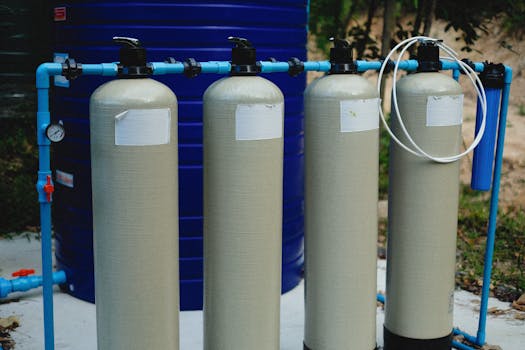
You’re not alone if you’re standing in front of a wall of water filters thinking, “How do I pick the right one?” The hard part isn’t the shopping. It’s figuring out what you need to remove—because “bad taste” and “unsafe contaminants” aren’t always the same thing.
Maybe your tap water has a sulfur smell, or your test report showed elevated lead. Maybe you live in an area with seasonal sediment, or you’re on a well and you’re worried about nitrates. Or you want better drinking water for your family and you’re trying to balance safety, maintenance, and cost.
This buying guide walks you through the most important technologies—reverse osmosis, carbon filtration, and distillation—so you can choose a system that actually matches your contaminant removal goals.
Understand the three main technologies: RO, carbon, and distillation
Before you compare models, you need to understand what each technology can do. Water filters aren’t one-size-fits-all. Different contaminants require different mechanisms.
Reverse osmosis (RO): strong contaminant removal by pressure
Reverse osmosis uses pressure to push water through a semi-permeable membrane. Many dissolved contaminants are rejected as water passes through, leaving cleaner water on the “product” side and flushing a portion of feed water to drain as “reject” water.
What RO is typically best at: dissolved solids (TDS), many salts, and a wide range of contaminants that are not removed effectively by carbon alone. RO is often used under sinks and in countertop systems, especially where you want a high level of purification for drinking and cooking.
What RO does not fix by itself: chlorine taste/odor is usually better handled with pre-treatment (like carbon) because chlorine can damage the membrane. RO also produces very low-mineral water; depending on your preferences, you may want a remineralization step.
Real-world scenario: If your local report shows high dissolved solids and you notice mineral scale on faucets, RO is often a practical choice for drinking water. But you’ll still want sediment and carbon pre-filters to protect the membrane and improve taste.
Activated carbon: taste, odor, and many chemicals
Activated carbon works mainly by adsorption—contaminants stick to the carbon’s surface. Carbon is especially helpful for improving taste and odor, and it can reduce several organic chemicals.
What carbon is typically best at: chlorine taste/odor, many volatile organic compounds (VOCs), and some pesticides/chemicals that affect flavor.
What carbon doesn’t reliably remove: dissolved inorganic contaminants like many salts and metals are not always reduced to the same degree as with RO. Carbon can also become “spent” when adsorption sites fill up, which is why filter change schedules matter.
Important note: Carbon filtration can be very effective, but performance depends on carbon type, contact time, and how the filter is built and maintained.
Distillation: vapor-to-liquid purification
Distillation boils water, then condenses the steam back into liquid. Because many contaminants don’t evaporate at the same rate as water, distillation can separate a broad range of impurities.
What distillation is typically good at: removing many dissolved contaminants, including certain salts and metals, because they don’t travel with the water vapor.
Tradeoffs to consider: it uses more energy than other options and produces waste water as part of the process (depending on the setup). Distilled water can also be low in minerals, which some people prefer for cooking or medical reasons, while others prefer to add minerals back.
When it fits: distillation can be a strong option if you want a high level of purification and you’re comfortable with slower production and higher energy use.
Key features and specifications that matter for contaminant removal

Now that you understand the core technologies, focus on the specs that determine whether the system will perform in real life. Most buying mistakes happen when shoppers look only at marketing claims instead of the details.
Contaminant targets: match the technology to your water test results
If you have a water report, use it. If you’re on a well or you haven’t tested recently, consider testing before spending on a full system. Even a basic test can help you decide whether you need carbon for taste/odor, RO for dissolved solids, or a more aggressive approach.
Look for filtration claims tied to specific contaminants (for example, lead, arsenic, nitrates, PFAS). Broad claims like “removes impurities” are not enough.
Certification and performance standards
Third-party certification matters because it’s a way to verify contaminant reduction claims. When you shop, prioritize systems that list the certification standard and scope clearly. In the U.S., you’ll often see NSF/ANSI standards referenced. If a system doesn’t provide credible performance documentation, treat it as a red flag.
Also check whether the certification covers the specific contaminants you care about—some systems are certified for taste/odor and certain chemicals but not for heavy metals or dissolved solids.
Filter stages: pre-filtration protects the system and improves results
Multi-stage systems are not just marketing. Pre-filters protect downstream components and help the overall system deliver consistent performance.
- Sediment pre-filter: helps reduce sand, rust particles, and turbidity. This can extend membrane life in RO systems.
- Carbon pre-filter: typically improves taste and odor and helps remove chlorine that could damage RO membranes.
- RO membrane stage: the core purification step for dissolved solids.
- Post-carbon or polishing filter: can improve taste after RO and capture residual odors.
- Optional remineralization: adds back small amounts of minerals for taste and pH balance, if desired.
Membrane and carbon specs: don’t ignore the “how”
For RO systems, pay attention to:
- Membrane type and size: affects flow rate and capacity.
- Production rate: measured in gallons per day (gpd) for many under-sink RO systems. If you have a household that drinks a lot of water, you’ll want enough capacity to meet demand.
- Waste/reject ratio: indicates how much water is sent to drain relative to product water. A higher reject ratio can mean higher water waste and higher plumbing strain.
For carbon systems, pay attention to:
- Carbon type: granular activated carbon (GAC) vs. carbon block. Carbon block often provides higher contact efficiency in smaller housings.
- Filter capacity: often shown as gallons or contaminant-specific capacity. Capacity is where many “cheap” filters fall short.
- Flow rate and contact time: faster flow can reduce contact time, lowering performance.
Flow rate and pressure requirements
Even the best media won’t help if the system can’t deliver enough water at your household’s needs. Check:
- Rated flow (gallons per minute, GPM): for whole-house systems, or product flow for countertop systems.
- Minimum water pressure: some under-sink RO units require a certain pressure to operate properly.
- Storage tank size (for RO): many RO systems produce water into a tank, then deliver it on demand. Tank size impacts how quickly you can fill a pitcher or how often the system cycles.
Capacity and replacement intervals: how long until you need maintenance?
Filter change schedules are one of the biggest practical factors in contaminant removal. A system that needs frequent changes can be more expensive than it looks.
Look for replacement interval guidance based on:
- Time and usage: some filters are rated by months; others by gallons or contaminant loading.
- Water quality: high sediment or high chlorine can shorten life.
- Indicators: some systems include pressure gauges or filter life indicators. These help you avoid running on exhausted media.
As a rule of thumb, if the manufacturer doesn’t provide a clear replacement schedule or capacity rating, you’ll struggle to budget and you risk reduced contaminant removal over time.
Waste water and drain connection considerations
RO systems typically require a drain line for reject water. Installation cost depends on whether you already have a drain connection under your sink. If you don’t, plan for plumbing work.
Distillation systems don’t use the same kind of drain connection, but they may require a reservoir setup and regular cleaning to manage scale.
Mineral taste and “low TDS” preferences
RO and distillation can reduce TDS significantly. If you prefer a more “natural” mineral taste, consider systems with remineralization cartridges or a post-treatment step. If you’re sensitive to scale or want very low mineral content for coffee makers, RO/distillation can be beneficial.
Either way, don’t assume “lower TDS equals better” for your taste. It’s better to decide based on your goals and preferences, then choose the system that supports them.
What you should prioritize when buying a water filter
When you prioritize correctly, you avoid wasting money on features you don’t need—or missing the protection you do.
Start with the contaminant removal goal, not the filter type
Use your water test or your best guess about what’s bothering you:
- If the main issue is chlorine taste/odor, carbon is often the first step.
- If you’re dealing with high TDS, scale, or many dissolved salts, RO is often the most direct path.
- If you want broad purification and can accept slower production and energy use, distillation can be a strong solution.
Many households do best with a combined approach: carbon for chlorine/organics plus RO for dissolved solids.
Verify that the system can remove what you care about
Don’t rely on generic claims. Look for documented contaminant reduction for the specific substances you’re concerned about. If you can’t find that, choose another system or plan to test.
Also, check whether the certification is for the finished system (the whole unit) rather than just the media. Whole-system performance is what matters.
Match capacity to your household usage
Consider your daily consumption. A typical household might use 2–5 gallons per person per day for drinking and cooking, but usage varies a lot.
If you drink water straight from the tap and refill constantly, you’ll benefit from a system with a good production rate and a storage tank. If you only use filtered water for coffee and cooking, a smaller capacity system may be enough.
For RO in particular, pay attention to recovery and production rate. A system that makes 50 gpd on paper might not meet your needs if your water pressure is low or your reject ratio is high.
Plan for maintenance before you buy
Ask yourself two questions:
- Can you realistically change filters on schedule?
- Do you have the space and tools for installation or servicing?
Under-sink RO systems are usually straightforward, but you’ll still need to handle filter swaps and occasional troubleshooting. Countertop RO systems can be easier to manage but may have smaller capacities.
Distillation units require cleaning to manage mineral buildup. If you hate maintenance, consider RO or carbon systems with clear schedules and replacement reminders.
Choose installation type based on where you want clean water
Your goal matters: drinking water only, or whole-home treatment?
- Under-sink or countertop: best for drinking and cooking.
- Whole-house filtration: treats water entering your home. This can protect appliances and improve overall water quality, but it’s more complex and often needs professional sizing.
- Shower filters: focus on skin/hair concerns and chlorine reduction, not typically contaminant removal for drinking water.
If you’re buying for contaminant removal in drinking water, under-sink RO + carbon is a common practical route.
Common purchasing mistakes and misunderstandings
Even careful shoppers fall into predictable traps. Avoid these and you’ll get a system that performs instead of one that just looks good on a box.
Assuming carbon removes everything
Carbon is excellent for taste/odor and many chemicals, but it doesn’t consistently remove dissolved salts and many inorganic contaminants to the same level as RO. If your water test shows high dissolved solids, nitrates, or certain metals, carbon-only filtration may not be enough.
Ignoring pre-filtration for RO systems
RO membranes hate chlorine and can foul faster when sediment is present. If your RO unit doesn’t include proper sediment and carbon pre-filters (or if they’re undersized), your membrane life will drop and contaminant removal can degrade over time.
Overlooking filter capacity and replacement cost
A cheap filter cartridge that lasts 3–4 months can cost more annually than a higher-quality cartridge that lasts 6–12 months. Look at replacement intervals and capacity numbers, not just the upfront cost.
Buying based on “TDS reduction” without confirming targets
“TDS reduction” is useful, but it doesn’t tell you exactly what’s removed. Different contaminants contribute differently to TDS. If lead, arsenic, or PFAS are your concerns, ensure the system is documented for those contaminants.
Not considering water pressure and plumbing constraints
RO performance can depend on your incoming water pressure. If pressure is low, your production rate drops and you may not get the flow you expect. Similarly, a missing drain connection can turn a simple install into a more expensive project.
Running a system past its replacement schedule
When carbon media is spent, adsorption drops. When RO membranes are fouled, rejection can decrease. It’s tempting to “stretch it a bit,” especially during busy months—but that’s when contaminant removal is most likely to fall short.
Assuming distilled water is automatically “better” for every use
Distillation can be excellent for purification, but distilled water can taste flat for some people and can be aggressive toward certain internal surfaces if you’re using it in devices not designed for low-mineral water. If you’re using distilled water for coffee makers or humidifiers, follow manufacturer guidance.
Practical buying checklist and decision framework

Use this step-by-step framework to decide quickly and avoid guesswork.
Step 1: Identify your contaminant removal priorities
- Do you have a water report? If yes, list the specific concerns (for example: lead, nitrates, arsenic, PFAS, high TDS, chlorine odor).
- If you don’t, decide what you can observe now (taste/odor, scale, cloudiness) and plan for testing if you suspect health-related contaminants.
Step 2: Choose the technology that matches the target
- Chlorine taste/odor and many organics: carbon filtration is often the right first step.
- Dissolved solids and broad dissolved contaminant removal: RO is commonly the best fit.
- Broad purification with a focus on vapor separation: distillation can be a strong choice.
Step 3: Confirm certifications and contaminant-specific claims
- Look for third-party testing that lists the contaminants the system reduces.
- Confirm it’s for the whole system, not just a component.
Step 4: Check capacity, flow rate, and production timing
- For RO: check gallons per day (gpd), storage tank size, and whether the system meets your daily usage.
- For carbon: check capacity (often gallons) and how often you’ll need to change it.
- For distillation: check how many gallons per hour/day it produces and whether you can live with the time it takes.
Step 5: Plan maintenance and budget for replacements
- Find replacement cartridge costs and availability.
- Check whether there are easy-to-use indicators (timers, pressure gauges, filter life monitors).
- Confirm you can source the filters locally or online without long delays.
Step 6: Match the installation to your home setup
- Under-sink RO: ensure you can connect a drain line and you have space for the unit and tank.
- Countertop RO: ensure you have a convenient water source and enough room.
- Whole-house systems: ensure sizing is appropriate for your flow rate and sediment level.
- Distillation: ensure electrical capacity and that you’re prepared for cleaning and scale management.
Step 7: Consider taste and mineral preference
- If you want better flavor, look for post-carbon steps.
- If you want mineral balance, consider remineralization options.
Final buyer guidance: getting real contaminant removal you can trust
If you want a simple rule, use this: match the system to the contaminant, then confirm performance documentation, then plan for maintenance. That’s how you turn “buying a water filter” into “solving your water problem.”
For many households focused on drinking and cooking, an RO system with proper carbon pre-treatment and post-treatment is a practical way to achieve strong contaminant removal—especially when your water has high dissolved solids or you want a wider reduction profile than carbon alone can provide.
If your primary issue is chlorine taste/odor and some chemical concerns, carbon filtration can be an efficient, lower-maintenance starting point. Just don’t expect it to solve dissolved salt or heavy metal issues by itself without supporting performance claims.
Distillation can be a strong option when you want broad purification and you’re comfortable with slower production and energy use. If you choose distillation, budget time for cleaning and consider whether you want a mineral adjustment step for taste.
When you shop, look for systems that clearly state contaminant reduction targets, provide credible third-party certification scope, and offer replacement parts with transparent schedules. If you do that, you’ll buy with confidence—and your filtered water will deliver results month after month, not just in the first week.
How to choose replacements and keep performance consistent over time
Buying the filter is only half the job. Your contaminant removal depends on how the system is maintained after installation.
- Replace pre-filters on time. In RO systems, sediment and carbon pre-filters prevent membrane fouling and chlorine damage.
- Don’t ignore odor changes. If carbon is spent, chlorine or chemical odors can return. That’s a sign to check the cartridge status.
- Watch for flow-rate drops. A noticeable reduction in output can indicate clogged filters or membrane fouling.
- Keep an eye on tank pressure and system cycling. If an RO unit cycles too frequently or struggles to produce water, troubleshoot promptly rather than waiting.
If you want a smoother experience, choose a system with widely available replacement cartridges and clear maintenance instructions. Many buyers find it easier to stay consistent when the manufacturer provides step-by-step replacement guides and sells replacement media through standard retail channels.
Where natural product choices fit in (without overcomplicating it)

You don’t need to overthink brands to make a good choice, but you should buy from manufacturers that support replacement filters and provide performance documentation. For example, you’ll often see under-sink RO systems sold by established water appliance brands, and cartridge-based carbon systems sold by major filtration specialists. The best “natural” choice is the one where you can reliably get the exact replacement media and where the product documentation clearly states what it removes.
If you’re considering a countertop RO unit, look for models with a clear production rate, documented contaminant reduction claims, and easy access to replacement filters. If you’re considering distillation, check production capacity (gallons per day), energy use expectations, and cleaning requirements so it fits your routine.
In all cases, your goal is the same: a filter that matches your contaminant removal needs and stays effective through real-world maintenance.
07.02.2026. 05:15