

EMF Exposure Basics: RF vs ELF Explained

EMF exposure basics: why RF and ELF matter
“EMF” (electromagnetic fields) is a broad term that includes many types of electromagnetic radiation and non-radiative fields. For everyday life, two categories come up most often: RF (radiofrequency) fields and ELF (extremely low frequency) fields. While both can be present in homes and workplaces, they behave differently in the environment and interact with the body in different ways. Understanding the distinction is a practical first step for interpreting exposure levels, reading research responsibly, and making sensible risk-reduction choices.
This guide explains the fundamentals of EMF exposure basics RF vs ELF, focusing on what these fields are, typical sources, how they affect tissues, what research suggests, and what you can do to reduce exposure where it’s reasonable.
What EMF means in real-world terms
Electromagnetic fields are produced by moving electric charges and by changing electric and magnetic conditions. In practice, EMF exposure can include:
- Radiation (energy carried through space by electromagnetic waves), often discussed in terms of frequency and wavelength.
- Non-ionizing fields (fields that do not have enough energy to break chemical bonds directly), which includes both RF and ELF.
“Non-ionizing” is an important phrase. It means the fields associated with RF and ELF generally do not cause the kind of direct DNA damage associated with ionizing radiation (like X-rays). That does not mean there is zero biological effect—rather, any effects are more subtle and depend strongly on frequency, intensity, duration, and exposure conditions.
RF fields: where they come from and how they behave
What “RF” means
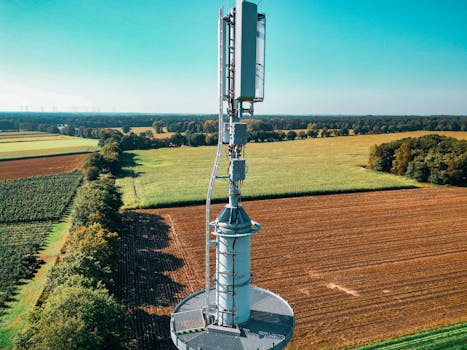
RF stands for radiofrequency, typically covering frequencies from about 3 kHz up to around 300 GHz (the exact range used can vary by context). RF fields are commonly encountered from wireless and broadcast technologies.
Common RF sources in daily life
RF fields are produced by devices that transmit or receive wireless signals, including:
- Cell phones and base stations
- Wi‑Fi routers and wireless access points
- Bluetooth devices
- Radio and television broadcast transmitters
- Microwave ovens (a special case: they use RF energy but are designed with shielding and safety interlocks)
- Wireless smart meters and certain utility communication systems
How RF interacts with the body
Because RF frequencies are higher than ELF, RF energy can be absorbed by tissues and converted into heat under certain conditions. This is often described as thermal interaction. At typical exposure levels from consumer devices, heating is generally limited, which is why many safety standards focus on preventing excessive temperature rise.
Beyond heating, researchers also study non-thermal mechanisms, such as effects on cell signaling or oxidative stress. Evidence remains mixed and depends on study design, exposure conditions, and how outcomes are measured. For practical interpretation, it helps to treat RF research as an evolving field where both laboratory findings and epidemiology contribute, but neither alone is definitive.
ELF fields: what they are and where they show up
What “ELF” means
ELF stands for extremely low frequency, commonly referring to frequencies around 0 to 300 Hz. Unlike RF, ELF fields are not associated with wireless transmission in the same way. Instead, they arise from the movement of electricity through power lines and electrical systems.
Common ELF sources
In everyday environments, ELF fields are generated by:
- Household wiring and internal electrical circuits
- Appliances that draw current (refrigerators, heaters, hair dryers, vacuum cleaners)
- Electric blankets and heating pads
- Power lines and electrical substations
- Transformers (utility and sometimes industrial)
- Electric vehicles and charging equipment (depending on design and distance)
How ELF interacts with the body
ELF fields are generally not absorbed in a way that produces significant heating. Instead, the primary concern discussed in the scientific literature is how time-varying magnetic and electric fields might influence biological processes. For example, ELF magnetic fields can induce small electric currents in the body. Whether these induced currents lead to measurable health effects at typical exposure levels is an active research topic.
Some epidemiological studies have reported associations between long-term exposure to higher ELF magnetic fields and certain health outcomes (notably childhood leukemia in some analyses). However, causality is difficult to establish because exposures are variable, measurement methods differ, and confounding factors are hard to eliminate. This is why many public health approaches emphasize exposure reduction when feasible, rather than claiming definitive harm at all levels.
RF vs ELF: key differences that affect exposure risk
Frequency and how energy is delivered
RF and ELF are separated by frequency, which influences how energy couples to the body. RF energy can be absorbed more readily as electromagnetic waves and is the basis for much of the heating-related safety framework. ELF fields, by contrast, more often involve induction of currents and effects that are not primarily thermal.
Typical sources and exposure patterns
RF exposure is often linked to communication patterns—distance from a transmitter, signal strength at the time, and how close a device is to the body. For example, holding a phone near the head generally creates higher localized exposure than having a router in another room.
ELF exposure often depends on proximity to wiring, transformers, and current flow. Household wiring can create measurable fields close to electrical circuits, and power lines can contribute outdoors at varying distances.
Measurement and interpretation
RF exposure is commonly characterized using power density (for far-field situations) or specific absorption-related metrics (for localized absorption). ELF exposure is commonly discussed using electric field strength (V/m) and magnetic flux density (mG or µT). Because the metrics differ, it’s not meaningful to compare raw numbers across RF and ELF without context.
In practice, many people rely on consumer EMF meters, but these devices vary widely in accuracy and in what frequencies they cover. If you measure, treat results as directional—use them to identify relative hotspots and to verify that simple changes reduce exposure rather than as a definitive health risk predictor.
Where you’re most likely to encounter RF and ELF at home
RF hotspots: devices and distance
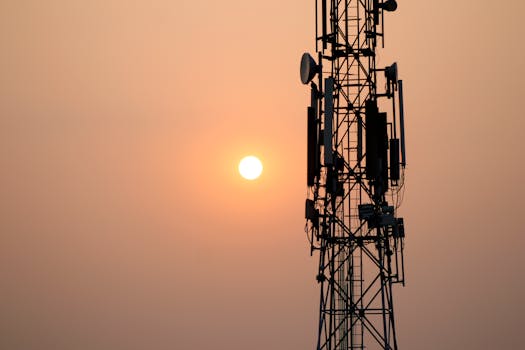
Most RF exposure in homes comes from routers, cordless phones, smart devices, and your own phone’s radio emissions during use. RF intensity generally decreases with distance from sources, but it can vary with obstacles and signal routing.
Practical examples of higher RF proximity include:
- Using a phone while streaming data or during weak signal conditions
- Standing close to a Wi‑Fi router or wireless access point
- Having a laptop or tablet connected to wireless networks for long periods
ELF hotspots: current flow and wiring proximity
ELF exposure tends to be higher near areas where current is flowing and where wiring is close to where you spend time. While many fields are present in the background, measurable peaks can occur near:
- Electrical panels and circuit breakers
- Power cords and extension leads
- Major appliances running continuously
- Electric heating devices
- Areas near large wiring runs behind walls
For many people, the bedroom is a practical focus because sleep involves long, uninterrupted time near the same location. Even if exposures are not extreme, reducing proximity to high-field sources can be a reasonable precaution.
What research says—and what it doesn’t
Why evidence can be difficult to interpret
Both RF and ELF health research has challenges. Exposure levels are hard to measure accurately over long periods, and biological outcomes may take years to develop. Laboratory studies may use controlled conditions that don’t perfectly match real-world exposures. Epidemiology can detect correlations but struggles to confirm mechanisms.
How to read conclusions responsibly
When you see headlines, look for details such as:
- Exposure metric (distance, power, time-weighted exposure, or magnetic flux)
- Duration (acute vs long-term)
- Population (children, workers, general population)
- Consistency across studies
- Biological plausibility and whether a mechanism has support
It’s also helpful to recognize that “no evidence of harm” is not the same as “evidence of no harm.” For many EMF topics, the most defensible stance is that risk depends on exposure conditions and that precautionary measures can be reasonable when they are low-cost and low-burden.
Practical ways to reduce exposure (without panic)
Risk reduction is often about reducing proximity and time. Because RF and ELF come from different sources, the best strategies differ. The goal is not perfection; it’s to apply targeted changes where they matter most.
RF reduction strategies
- Increase distance: Use the router farther from where you spend long periods, and avoid keeping a phone pressed to the body for long calls.
- Use hands-free: Speakerphone or wired headphones reduce how close the phone is to the head during calls.
- Manage signal conditions: When reception is weak, devices may increase transmit power. If a call is possible over Wi‑Fi (where appropriate), it can reduce RF exposure compared with cellular in some situations.
- Adjust device placement: For example, avoid placing routers directly next to a desk or bed.
ELF reduction strategies
- Reduce time near high-current devices: If an appliance produces strong fields, limit how long you remain next to it.
- Reposition sleeping areas: If you suspect high ELF near the bed (for example, from wiring or nearby outlets), moving the bed slightly can help.
- Route sleeping zones away from electrical panels: If practical, avoid placing the headboard directly against a wall that contains major wiring or a panel.
- Use caution with electric heating: Electric blankets and heating pads can increase ELF fields. If you use them, consider timing (short pre-heating) and distance.
When using EMF meters can help
If you choose to measure, use the meter as an investigative tool rather than a health verdict. Compare readings before and after simple changes (moving a router, changing where you sleep, turning off a device) to see whether your actions reduce fields. Be mindful that many consumer devices do not capture the full spectrum of RF frequencies or the exact ELF metrics used in research. A “lower reading” is generally more informative than the absolute number.
Where “natural” products and shielding claims fit
People sometimes ask whether certain materials or “EMF shielding” products work universally. The reality is more nuanced. Shielding effectiveness depends on:
- Frequency (RF shielding is often different from ELF mitigation)
- Field type (radiated waves vs induced fields)
- Material properties (conductivity, permeability, thickness, coverage)
- Installation quality (gaps and coverage matter)
In many cases, practical distance and time reduction are more reliable than relying on a single product. Some people may use grounded mats or insulating materials marketed for ELF reduction, but performance varies and proper grounding and installation can be critical. If you consider shielding, focus on understanding the specific frequency range it targets and whether it’s installed correctly for the situation you’re trying to address.
Summary: using RF vs ELF knowledge for informed decisions
EMF exposure basics RF vs ELF comes down to recognizing that these two categories differ in frequency, typical sources, and how they interact with the body. RF fields are most often tied to wireless communication and are commonly associated with thermal considerations in safety frameworks. ELF fields are linked to power systems and electrical currents, where induced currents and long-term exposure questions have been central in research discussions.
For practical guidance, the most consistent approach is straightforward: reduce proximity and time near the sources that matter most to you. Increase distance from RF transmitters during extended use, consider hands-free options for calls, and address ELF exposure by paying attention to wiring proximity and long-duration locations like sleeping spaces. If you measure, use a meter to compare relative changes rather than treating readings as a definitive indicator of health outcomes.
With that foundation, you can interpret new studies more clearly and make precautionary adjustments that are grounded in how RF and ELF fields actually behave in everyday environments.
04.02.2026. 07:55