

Indoor Sound Sleep HRV: How Your Room Affects Recovery

Why “indoor sound sleep HRV” matters for recovery
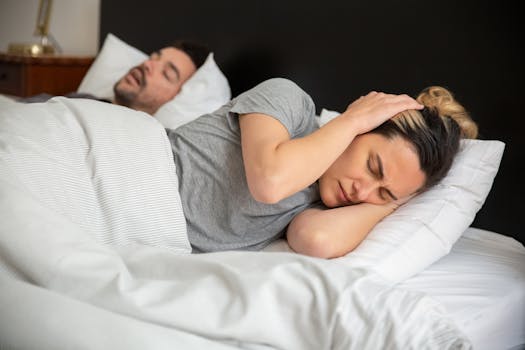
Heart rate variability (HRV) is often discussed as a marker of how well the body recovers during rest. Unlike heart rate, HRV reflects the balance and flexibility of the autonomic nervous system—essentially how effectively your body can shift between “rest and digest” and “alert and mobilize.” When sleep is disrupted, that flexibility can drop, and the pattern can show up in HRV metrics.
Indoor sound is one of the most common, least visible sleep disruptors. Even if you do not fully wake up, the nervous system may still register stress. The result can be a mismatch: you may feel like you slept, but your autonomic system may not have fully downshifted. That is where the idea behind indoor sound sleep HRV becomes practical. It highlights a pathway—noise exposure → sleep fragmentation or micro-arousals → autonomic response → changes in HRV.
This science explainer connects what’s happening in your room to what HRV can reveal. It also focuses on actionable, non-commercial guidance you can use to improve indoor sleep conditions and interpret HRV more responsibly.
HRV basics: what the metric can and can’t tell you
HRV describes variations in the timing between heartbeats. Many consumer devices estimate HRV using time-domain or frequency-domain methods derived from beat-to-beat intervals (often from optical sensors or chest straps). Common summary measures include:
- RMSSD (often used as a marker related to parasympathetic activity, especially in short-term windows)
- SDNN (more influenced by overall variability over longer periods)
- Frequency-band measures (used by some analyses, but interpretation is more technical)
Two key points help keep HRV interpretation grounded:
- HRV is context-dependent. The same HRV value can mean different things depending on baseline health, age, fitness, medications, caffeine, alcohol, illness, menstrual cycle stage, and even sensor placement.
- Sleep changes HRV patterns. A typical “good recovery” night often shows stronger parasympathetic dominance during stable sleep phases, while fragmented sleep can shift the balance toward sympathetic activation or reduce the stability that HRV reflects.
Noise-related effects are not just about whether you consciously wake. Micro-arousals, changes in breathing, and stress-hormone surges can all influence autonomic activity. HRV can be sensitive to those shifts, especially when measured across sleep stages or in rolling windows.
How indoor sound influences the nervous system during sleep
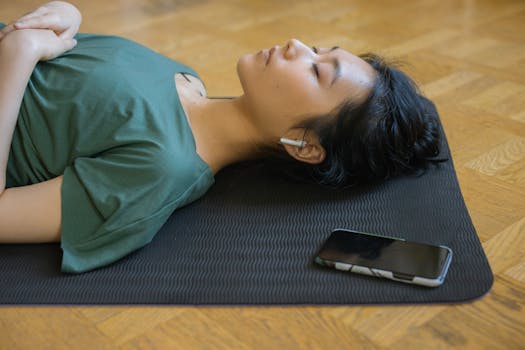
Sound enters the body through multiple pathways. The most obvious is auditory perception, but the nervous system can respond even when a person does not fully awaken.
Micro-arousals and “hidden” awakenings
During sleep, the brain periodically cycles through stages. Sudden or unpredictable sounds can trigger brief arousals—often too short to remember. These events can interrupt the continuity of deep sleep and reduce time in stable restorative stages. HRV may show less parasympathetic dominance and more variability patterns consistent with stress activation.
Importantly, the body can respond to noise before it becomes consciously detectable. That means you can experience “sound sensitivity” where your HRV changes even when your subjective sleep seems similar.
Sympathetic activation and stress physiology
Noise can elevate stress signaling (including noradrenaline and cortisol dynamics). Even if the stimulus is brief, the autonomic system may remain slightly more “on” for a period afterward. That can reduce the depth of recovery reflected in HRV trends across the night.
Breathing and airway effects
Indoor sound can interact with breathing patterns. For example, noise that disturbs sleep can increase upper airway muscle tone and alter breathing stability. Breathing irregularity is strongly linked to HRV behavior because HRV is influenced by respiratory sinus arrhythmia—the natural coupling between breathing and heart timing. If noise increases breathing instability, HRV may change even without a full awakening.
What “sound” means indoors: more than just loudness
When people think about noise, they often focus on decibels (dB). Loudness matters, but several other features can be equally or more important for sleep disruption.
Frequency and how the ear and brain process it
High-frequency sounds can be more noticeable and may penetrate typical building materials differently than low-frequency rumble. Some noises—like intermittent alarms, banging, or sudden speech-like sounds—can be more disruptive than steady background noise at the same average level because they are harder for the brain to ignore.
Intermittency and predictability
Predictable sounds (like steady ventilation) are often less disruptive than irregular events (like footsteps, door slams, or sudden TV audio). The nervous system tends to respond more strongly to unexpected changes.
Duration and timing across the night
Noise effects can be amplified during periods when you are more vulnerable to fragmentation. Many people have more light sleep earlier in the night and again later as sleep cycles progress. Disturbances during those windows may produce clearer HRV changes.
Reverberation and room acoustics
Even if the sound source is outside your room, reflections inside the room can prolong the exposure. A “live” room with hard surfaces can increase reverberation, making sounds linger and remain salient to the auditory system.
Linking indoor sound to HRV patterns during the night
HRV does not change in a single uniform way for everyone, but common patterns are observed in noise-related sleep disruption studies and practical monitoring.
Reduced recovery stability
On nights with consistent, low-disruption sleep, HRV often shows smoother dynamics across the night. On nights with noise-driven fragmentation, HRV can become more variable in short windows and may show reduced parasympathetic “dominance” indicators. The key is not a single number—it’s whether the trajectory suggests repeated autonomic activation.
Short-term drops after disturbances
Some wearable analyses show HRV dipping after events that likely caused micro-arousals. Because consumer devices vary in sensor accuracy and HRV calculation windows, these drops are best interpreted alongside other context: sleep stage estimates, movement, perceived sleep quality, and known noise events.
Respiratory coupling changes
If noise alters breathing stability, HRV may shift in ways consistent with altered respiratory sinus arrhythmia. This can be subtle without respiratory data, but it supports the idea that the body is reacting physiologically rather than only “hearing” the sound.
Practical ways to improve indoor sound sleep HRV
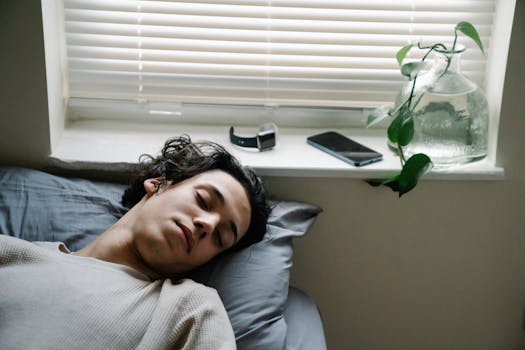
Improving indoor sleep HRV through sound management is usually about reducing both the intensity and the unpredictability of noise, while also improving room acoustics. The most effective steps tend to be simple, measurable, and consistent.
Start with measurement: log noise and sleep together
If you want to connect sound to HRV meaningfully, consider a basic monitoring approach:
- Track HRV trends (especially nightly averages and overnight variability) for at least 2–3 weeks to establish a baseline.
- Record likely noise sources (street traffic peaks, neighbor routines, HVAC cycling times, appliance schedules).
- Use a phone-based sound meter or a dedicated noise monitor to record approximate sound levels and, if available, event timing.
Even without perfect calibration, you can identify recurring “event windows.” Those windows are often where HRV shows the most noticeable differences.
Reduce sound at the source
Sound mitigation is typically more effective when it stops the problem before it reaches the bedroom. Practical examples include:
- Closing gaps around doors and windows with appropriate seals or weatherstripping
- Addressing HVAC noise at the equipment level (mounting vibration pads, correcting rattles)
- Managing intermittent household noise (laundry schedules, late kitchen activity)
These steps reduce both average exposure and the likelihood of sudden spikes.
Block and absorb: separate “insulation” from “acoustics”
Two different problems often coexist:
- Sound transmission (sound entering through cracks, thin walls, or windows)
- Sound reverberation (sound bouncing around inside the room)
Window upgrades, door sealing, and wall treatments can reduce transmission. Soft furnishings—like rugs, curtains, and acoustic panels—can reduce reverberation. The best results often come from combining both approaches.
Use masking thoughtfully
Masking is not about turning your bedroom into a loud environment; it’s about reducing contrast between quiet and sudden sounds. A consistent background sound can make irregular events less noticeable to the auditory system. Many people use white noise or nature-like soundscapes, but the principle is the same: steady, low-level masking tends to be better tolerated than intermittent audio.
If you use masking, keep volume low enough that you could still hear a normal alarm if needed. Also, avoid highly dynamic audio that changes abruptly, since that can reintroduce unpredictability.
Control timing: align sleep schedule with noise patterns
If noise peaks at a predictable time (for example, early evening deliveries or late-night traffic), shifting bedtime by even 30–60 minutes can change which sleep cycles are exposed to disturbances. This can be reflected in HRV trends over time, especially when you compare “same conditions” nights to “peak noise” nights.
Room conditions that amplify or buffer sound effects
Sound does not act alone. Several room factors can change how sensitive the body is to noise and how quickly you recover after a disturbance.
Temperature and airflow
Thermal comfort supports sleep continuity. If the room is too warm or too dry, you may wake more easily and have more breathing instability—both of which can magnify HRV changes when noise occurs. Stable temperature and adequate humidity can make the nervous system less reactive.
Lighting and arousal potential
Bright light (including early morning streetlight spill) can increase arousal probability. Even if the main issue is sound, light can increase the chance that you notice and respond to disturbances. HRV may show a combined effect when multiple arousal triggers stack.
Sleep surface and movement
Movement and discomfort can contribute to micro-arousals. If noise causes you to shift position, HRV may change due to both autonomic activation and sensor motion artifacts. For accurate interpretation, try to keep bedding and sleep setup consistent across comparison nights.
Interpreting HRV responsibly when noise is the suspected cause
HRV is influenced by many variables, so it’s important to avoid a simplistic “noise caused HRV drop” conclusion.
Account for confounders
Common confounders include:
- Alcohol the evening before
- Caffeine timing and dose
- Late exercise intensity
- Illness, pain, or allergies
- Stress and travel
- Device fit and sensor contact changes
When evaluating noise effects on HRV, try to compare nights that are otherwise similar. If you can, keep a brief log of these factors.
Consider device limitations and HRV windowing
Different wearables calculate HRV differently and may use rolling windows that can be sensitive to motion. If a night includes more movement (even due to noise), the HRV signal quality can change. If your device provides sleep stage estimates, cross-check whether HRV changes coincide with stage instability rather than only with “noise time.”
Look for trends, not single-night events
One night can be misleading. A more reliable approach is to identify patterns across multiple nights: for example, “nights with intermittent door slams show lower recovery HRV and higher overnight variability than nights without.” Over time, you can build a personal noise–recovery profile.
Special situations: when noise and HRV intersect with health factors
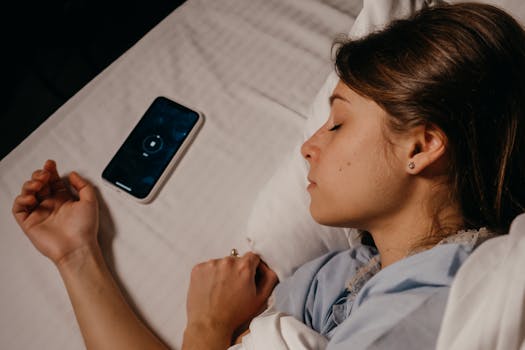
Certain conditions can make noise disruption more likely and more physiologically meaningful.
Sleep apnea risk and breathing instability
If breathing pauses or irregular breathing are present, noise can further disturb sleep continuity. HRV may already be affected by breathing-related variability. In these cases, sound mitigation can help, but it does not replace medical evaluation.
Anxiety, hyperarousal, and sound sensitivity
People with higher baseline hyperarousal may respond more strongly to sudden sounds. HRV may show greater sensitivity to noise-driven micro-arousals. Sound management can be part of a broader sleep strategy that includes stress reduction and consistent routines.
Medications and autonomic effects
Some medications (including stimulants, beta blockers, certain antidepressants, and sleep aids) can alter HRV and sleep architecture. If you are on medications, interpret HRV changes cautiously and consider discussing sleep concerns with a clinician.
Prevention and guidance: building a “quiet recovery” environment
A sound sleep HRV strategy is ultimately about supporting stable autonomic recovery. The best prevention guidance is to combine sound control with consistent recovery conditions.
- Reduce intermittent noises (door slams, rattles, sudden household sounds) rather than only chasing low average dB.
- Improve room acoustics with absorption and sealing to reduce reverberation and transmission.
- Use masking consistently when it helps reduce contrast, but avoid dynamic audio that introduces new changes.
- Stabilize sleep conditions (temperature, humidity, lighting) so the body is less likely to arouse.
- Track patterns over time by comparing similar nights and logging confounders.
When you do this, HRV becomes more than a number—it becomes a window into how effectively your nervous system completes nightly recovery. Indoor sound control can help create the conditions where HRV reflects restful downshifting rather than repeated micro-stress responses.
Summary: what indoor sound sleep HRV reveals
Indoor sound can influence sleep through micro-arousals, stress physiology, and breathing stability. HRV may capture these effects as changes in autonomic balance and reduced recovery stability. Improving sleep conditions—by reducing sound transmission, lowering reverberation, minimizing unpredictability, and using masking thoughtfully—can support more consistent HRV patterns. The most reliable conclusions come from looking at trends over multiple nights while accounting for confounders and device limitations.
If you suspect a medical sleep issue (such as breathing pauses or significant insomnia), sound management can be supportive, but it should not replace appropriate clinical evaluation.
21.01.2026. 00:48