

Blue Light at Night vs Day: Evidence on Melatonin and Sleep

Why “blue light at night” matters for sleep
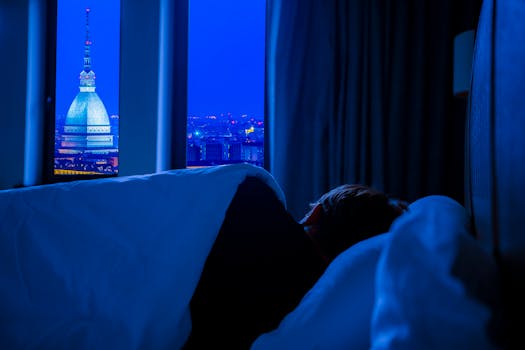
If you’ve ever wondered why staying under bright screens late can leave you feeling alert when you should be winding down, the answer is partly biological timing. Your brain uses light as a daily schedule. In particular, short-wavelength (often called “blue”) light can signal “it’s daytime,” delaying the normal rise of melatonin and shifting your circadian rhythm later.
The key nuance is that blue light isn’t inherently “bad.” Daytime blue light helps anchor your body clock. The problem usually shows up when you receive strong blue-enriched light at night, especially close to your natural bedtime, when your melatonin system is supposed to be ramping up.
This article explains the evidence behind blue light at night vs day evidence melatonin sleep, what the research can and can’t prove, and how you can apply that knowledge to your everyday routine.
Melatonin: the hormone that tells your body “night is coming”
Melatonin is produced by the pineal gland and rises in the evening. Its job isn’t to make you sleepy on its own like a sedative; rather, it helps communicate darkness to the brain and supports circadian alignment. When melatonin rises at the right time, sleep tends to come more easily and your body clock stays synchronized.
Light affects melatonin through a dedicated pathway in the retina. Specialized cells (often described as intrinsically photosensitive retinal ganglion cells) respond strongly to short wavelengths, around the blue range (roughly 460–480 nm). When these cells detect light, they reduce the melatonin signal.
In practical terms, if your eyes receive bright, short-wavelength light near your usual bedtime, melatonin suppression can delay the onset of your nighttime biological state. That can make it harder to fall asleep, reduce sleepiness, or shift your internal clock later.
Daytime blue light: why it usually supports sleep timing
During the day, blue-enriched light plays a stabilizing role. Your circadian system needs light to stay synchronized to the 24-hour day. Morning or daytime exposure—especially outdoors—tends to strengthen alertness and helps set the timing of your later melatonin rise.
For many people, getting adequate daylight in the morning makes the evening “falling asleep window” more predictable. You may notice this as earlier sleepiness, fewer delays, and a more consistent wake time.
It’s also important that daytime light exposure is typically paired with behavioral cues: moving, eating, social timing, and being less exposed to darkness. The whole system works together. That’s one reason “avoid blue light completely” is not a sensible goal. You want enough daytime light for circadian anchoring, not a permanent dimming of your light environment.
Nighttime blue light: what the evidence shows about melatonin suppression
Research using controlled light exposure has repeatedly shown that short-wavelength light can suppress melatonin. The effects depend on several factors:
- Timing: Light exposure closer to your usual bedtime suppresses melatonin more reliably than light received earlier in the evening.
- Intensity and duration: Brighter light and longer exposure generally produce stronger suppression.
- Spectrum: Short wavelengths (often described as “blue”) are more potent than longer wavelengths at driving melatonin suppression.
- Retinal exposure: Light that reaches the eyes effectively (screen brightness, distance, viewing angle) matters.
Controlled studies have used settings where exposure occurs for tens of minutes, sometimes around 30–120 minutes, and have observed measurable melatonin changes. In one widely discussed body of work, even brief exposures can shift melatonin timing, particularly when the light is bright and enriched in short wavelengths.
However, you should interpret lab findings carefully. Many experiments use carefully controlled light levels that may not match typical home screen viewing. Still, the direction of the effect is consistent: short-wavelength light at night can delay melatonin and shift circadian timing.
From melatonin to sleep: how suppression can translate into later bedtime
Melatonin suppression is a mechanism, but it’s not the only factor influencing sleep. Sleep quality and sleep onset depend on your behavior, stress level, caffeine, temperature, and the timing of your daily schedule. Light interacts with all of these because it changes circadian signals.
Here’s the chain you can picture:
- Short-wavelength light at night reduces melatonin output.
- Your internal “night signal” arrives later.
- Sleepiness may be delayed, and your circadian rhythm can shift later.
- Over multiple days, your sleep schedule can drift, especially if you repeat the pattern every evening.
Consider a real-world scenario. You work until 8:30 p.m., then you unwind with a bright laptop and phone for about an hour while eating dinner. You notice that you’re not sleepy until well after midnight, even though you’d like to sleep earlier. If you consistently do this, you may be training your circadian system to treat your late evening as “still daytime,” which can delay melatonin rise. The result is delayed sleep onset and a harder time waking in the morning.
This doesn’t mean the screen is the only cause. But the evidence supports the idea that nighttime blue-enriched light can be one of the drivers.
Blue light vs “brightness”: what matters more than the color label
When people say “blue light at night,” they often mean screen light. But biologically, what your retina experiences is a combination of spectral content and overall light level. A dim warm lamp can still disrupt you if it’s bright enough and close enough, while a less intense screen with a warmer spectrum may have a smaller effect.
That’s why the most actionable evidence-based approach is not only “remove blue.” It’s to reduce exposure to bright light in the last part of your evening and to shift the spectrum when possible. If you lower screen brightness, increase your distance from the screen, and use warmer color settings at night, you’re addressing both intensity and spectrum.
In other words: the “blue” label is a useful proxy, but the underlying biology responds to what reaches your eyes.
Do blue-light blocking glasses or filters work?
Blue-light blocking glasses and screen filters are designed to reduce the short-wavelength component reaching your eyes. The evidence for their impact on melatonin and sleep is mixed but generally supportive when the glasses meaningfully reduce short-wavelength exposure during the evening.
In lab and small clinical studies, reducing short-wavelength light can lead to measurable melatonin changes and improvements in sleep timing for some groups. Yet effects vary because people differ in baseline light exposure, screen habits, and sleep schedules.
If you try a practical approach, focus on what matters most: when you wear the glasses (ideally during the period you would otherwise be exposed to bright screens), how long you use them (often in the 1–3 hour window before bed), and whether the lighting in your environment is also moderated.
Also note that “blocking blue” doesn’t automatically make you sleepy. You still need a wind-down routine, consistent sleep timing, and attention to factors like caffeine and late meals.
How to apply the evidence to your nightly routine
You don’t need perfection. You need a strategy that reduces circadian disruption. Use these steps as a science-aligned checklist.
1) Start dimming earlier than you think
Most people notice the biggest impact when they reduce bright light in the last 60–90 minutes before bedtime. If you’re sensitive or your bedtime is quite late, earlier can help. Aim to create a gradual transition rather than a sudden switch at the moment you get into bed.
2) Lower screen brightness and increase viewing distance
Brightness is a major driver of how much light reaches your retina. Reduce your screen brightness to a comfortable level (often much lower than default), and avoid using screens right next to your face. Even small changes can reduce effective retinal exposure.
3) Use warmer color settings in the evening
Many devices offer “night mode” or “eye comfort” settings that shift the spectrum toward longer wavelengths. This is consistent with what the melatonin pathway responds to. You’re not eliminating light; you’re changing its spectral impact.
4) Improve your room lighting at night
If you use bright overhead lights in the evening, you may negate the benefits of adjusting your screen. Consider using dimmer, warmer lighting. A practical target is to keep your evening environment relatively subdued compared with daytime.
5) Keep mornings bright
To counterbalance nighttime dimming, you want daytime light cues. If possible, get outdoor light exposure in the morning. That can support a more stable melatonin schedule later.
Common misconceptions that can derail your sleep
Misunderstandings are common. Here are a few that don’t match the evidence.
- “Blue light is the only problem.” Brightness, timing, and duration also matter. A dim blue source may be less disruptive than a bright one.
- “Screens always cause insomnia.” Screens can contribute, but sleep is multifactorial. Many people sleep fine despite screen use when timing and brightness are managed.
- “You should avoid all short wavelengths at night.” Avoiding all light is neither practical nor necessary. The goal is to reduce the circadian-disruptive portion of your exposure near bedtime.
- “Melatonin is a sleeping pill.” Melatonin is part of circadian signaling. If you use it medically, timing is crucial; the body clock responds to when melatonin is taken, not just that it’s taken.
Prevention guidance: a simple evidence-based plan
If you want a clear, prevention-focused approach grounded in how melatonin and circadian timing work, use this sequence:
- During the day: prioritize bright light exposure, especially in the morning.
- In the evening: reduce overall brightness and shift screens toward warmer tones.
- In the last 60–90 minutes: aim for a dimmer, calmer lighting environment and minimize intense screen exposure.
- In bed: avoid bright, close-range light that can keep the melatonin signal suppressed.
This plan aligns with the evidence that short-wavelength light at night can suppress melatonin and delay circadian processes. It also respects the reality that you still need functional lighting and that your sleep depends on more than one variable.
Key takeaways on blue light at night vs day and melatonin sleep
The evidence supports a consistent principle: blue-enriched light at night can suppress melatonin and shift circadian timing, which can make sleep onset later. In contrast, daytime blue light generally helps anchor your biological clock.
What you do matters most in the window before bedtime. If you reduce brightness, warm the spectrum, and dim your environment during the last part of the evening, you’re more likely to support the natural rise of melatonin and a healthier sleep schedule.
Your goal isn’t to eliminate light—it’s to keep nighttime light from sending the wrong “daytime” signal to your brain.
11.12.2025. 18:45