

Light Exposure and Metabolic Health: Glucose and Appetite Signals

Why light exposure matters for metabolic health

Light is not just an environmental cue for wakefulness. It also acts as a biological signal that helps set the timing of circadian rhythms—internal clocks that coordinate sleep, hormone release, glucose handling, and energy intake. When light exposure is mistimed or insufficient, the body can shift toward poorer glucose control and altered appetite signaling, even if your diet and activity levels remain unchanged.
Research across chronobiology, endocrinology, and sleep medicine shows that the timing and intensity of light can influence metabolic pathways. In practical terms, this means that when you see bright light, when you dim it, and how consistently you follow those patterns can affect glucose regulation and how strongly your body signals hunger and fullness.
This article explains the mechanisms linking light exposure to metabolic health, with an emphasis on glucose and appetite signals, and provides evidence-based guidance for using light timing to support healthier physiology.
How circadian timing connects light to glucose regulation
Your circadian system coordinates daily rhythms in insulin sensitivity, glucose uptake, and hepatic glucose output. Light is one of the strongest synchronizing signals (called “zeitgebers”) for these rhythms. When the circadian clock is aligned, the body anticipates predictable changes in activity and feeding. When alignment is disrupted—through late-night light, irregular schedules, or insufficient morning exposure—metabolic processes can become less efficient.
Several pathways help explain this link:
- Clock gene regulation of metabolic enzymes: Many genes involved in glucose metabolism show time-of-day patterns. Mis-timed light can shift these rhythms, affecting how effectively cells respond to insulin.
- Hepatic glucose output: The liver’s tendency to produce glucose also follows circadian timing. If the liver’s rhythm is out of sync, glucose may rise more than expected after meals.
- Insulin sensitivity rhythms: Insulin sensitivity tends to be higher earlier in the day for many people. Light exposure patterns that push wakefulness and attention later can blur these rhythms and worsen post-meal glucose control.
- Sleep-wake disruption: Light that interferes with sleep timing can indirectly affect glucose through stress hormones, reduced insulin sensitivity, and changes in appetite regulation.
In short, light exposure influences metabolic health partly by synchronizing the circadian system, which then sets the daily tempo for glucose control.
Glucose appetite signals: the hidden role of circadian hormones
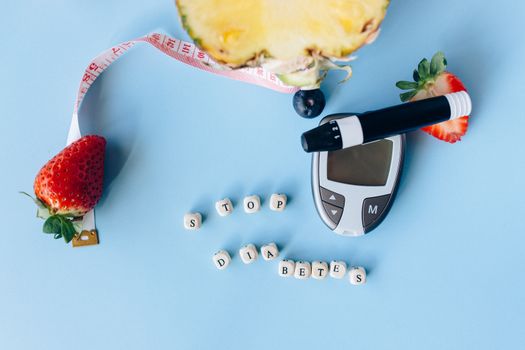
Appetite is not controlled by glucose alone. It is regulated by a network of hormones and neural signals that integrate energy status, sleep quality, and circadian timing. Light exposure can shift these signals by altering circadian hormone release and the timing of feeding behavior.
Key appetite-related pathways include:
- Leptin: Leptin helps signal satiety. Circadian disruption and short sleep can reduce leptin or blunt its effectiveness, making it harder to feel satisfied.
- Ghrelin: Ghrelin promotes hunger. Sleep loss and circadian misalignment can increase ghrelin signaling, increasing hunger drive.
- Glucose-responsive signaling: When glucose regulation is less stable, the body may experience stronger swings in blood sugar and insulin, which can influence hunger and cravings through both hormonal and neural mechanisms.
- Neural integration: The hypothalamus integrates circadian cues with metabolic cues. Light timing can therefore affect appetite even before measurable changes in glucose occur.
Importantly, appetite signals are often strongest when the body expects feeding. If you regularly eat at times that conflict with your circadian rhythm—especially late at night—your glucose response and hunger signals may both become less favorable.
Morning bright light vs evening light: what the body uses as timing cues
Light exposure is most metabolically relevant when it shifts circadian phase. The body uses light differently depending on the time of day.
Morning light: supporting alignment and glucose readiness
Bright light soon after waking can strengthen circadian alignment. When your internal clock is set earlier, your body is more likely to coordinate insulin sensitivity and glucose handling with daytime activity and meals. Morning light also supports alertness and may reduce the need for late-day compensatory behaviors that can indirectly affect metabolism.
Evening light: protecting sleep and reducing circadian disruption
Light exposure at night—especially short-wavelength (“blue-enriched”) light—can delay melatonin onset and interfere with sleep quality. Reduced sleep quality can then worsen insulin sensitivity and shift appetite hormones. Even if you feel awake, circadian signaling may not support optimal metabolic regulation.
Practical implication: metabolic health is not only about “more light” or “less light.” It’s about timing—getting enough light when you need it and reducing disruptive light when your body should be transitioning into rest.
Sleep quality, melatonin, and insulin sensitivity
Melatonin is commonly known for regulating sleep-wake timing, but it also interacts with metabolic processes. When evening light delays melatonin, sleep onset may be later, sleep may be lighter, and total sleep duration may decrease. These changes can influence glucose regulation through multiple routes:
- Reduced insulin sensitivity: Sleep restriction is associated with impaired glucose tolerance. The effect can occur quickly, even after a short period of poor sleep.
- Increased stress physiology: Poor sleep can elevate cortisol and sympathetic activity, which can raise blood glucose and impact appetite.
- Altered appetite hormones: Sleep disruption can increase hunger and decrease satiety, leading to higher caloric intake and more frequent snacking—both of which can worsen glucose control.
Because melatonin and circadian signals are tightly linked to light exposure, protecting the evening light environment is a key strategy for supporting metabolic health.
Feeding timing and light exposure: how late eating changes glucose and hunger
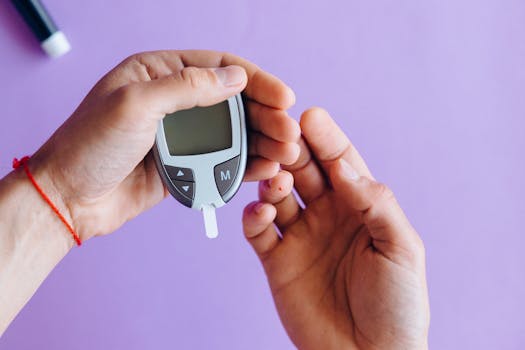
Feeding timing interacts with circadian rhythms. Even when total calories are similar, eating later in the day can lead to different glucose responses. Light exposure can influence this effect by shifting circadian timing and sleep quality, which then changes how your body handles carbohydrates.
Late-night eating can create a double mismatch:
- Circadian mismatch: Your insulin sensitivity may be lower at the biological “night,” increasing post-meal glucose.
- Appetite signal mismatch: Hunger and satiety hormones may be less stable, and cravings may be stronger.
While individual variability exists, many people experience stronger glucose excursions when meals occur late, particularly if evening light is bright and sleep is delayed. Adjusting light timing can support more consistent feeding patterns, which in turn supports glucose regulation.
Practical guidance: using light to support glucose stability and appetite
Light-based strategies are most effective when they are consistent and realistic. The goal is not perfection; it’s improved circadian alignment.
Build a morning light routine
- Get outdoor light after waking: Aim for exposure to bright outdoor conditions for a short period soon after you wake. This helps set the circadian phase for the day.
- Be consistent on weekdays and weekends: Large day-to-day shifts can weaken circadian stability.
- Consider weather variability: Cloudy days still provide meaningful daylight outdoors; the key is regular timing.
Reduce disruptive light as evening approaches
- Dim lights in the last 1–2 hours before bed: Lower ambient brightness can support melatonin timing.
- Limit exposure to bright screens: If you use a phone or computer at night, reduce brightness and consider using built-in display settings that reduce blue-enriched light.
- Create a “lights down” environment: Softer, warmer lighting in the home can help your body transition toward rest.
Protect sleep timing to stabilize appetite hormones
- Keep a stable bedtime and wake time: Consistency strengthens circadian control over both glucose handling and appetite regulation.
- Avoid late caffeine when it affects sleep: Caffeine doesn’t just affect alertness; it can reduce sleep quality that supports metabolic health.
- Use light to support the transition: If you must be awake late, keep light exposure lower and more localized rather than bright and whole-room.
Align meals with your circadian day
- Consider earlier dinner timing: Earlier eating often supports better glucose responses for many people.
- Reduce late-night snacking: Late meals can amplify hunger signals and glucose variability.
- Keep meal timing consistent: Regularity helps the body anticipate food and coordinate metabolic responses.
These steps work together. Light timing improves circadian alignment; sleep quality supports insulin sensitivity; meal timing reduces mismatch in glucose and hunger signaling.
When light interventions are useful: seasonal change and shift work
Circadian disruption is common in real life. Seasonal daylight variation and work schedules can create chronic light exposure problems, especially when mornings are dark or evenings are bright due to indoor lighting and commuting.
Seasonal changes
In winter, morning outdoor light may be limited. This can affect circadian alignment and, for some people, contribute to changes in appetite and glucose stability. In such contexts, a structured morning light routine can be particularly valuable.
Shift work and irregular schedules
Shift work can severely disrupt circadian rhythms. Light exposure becomes a tool for phase shifting, but it must be used carefully to avoid worsening sleep quality. People working nights often need tailored guidance from qualified clinicians or sleep specialists, because the “right” light schedule depends on the direction of schedule change and individual tolerance.
If you are in these situations, consider discussing a light strategy with a healthcare professional, especially if you have metabolic risk factors or sleep disorders.
Relevant light-related tools and how to think about them

Several categories of light-related products and interventions exist. The most important factor is how they affect timing and spectral composition, not the brand. Here are common options and what to consider.
Light therapy devices for morning use
Light therapy boxes are often used for seasonal patterns or for circadian phase support. When used appropriately—typically in the morning—they can deliver controlled bright light to help set circadian timing. People with eye conditions, bipolar disorder, or other medical contraindications should consult a clinician before using strong light therapy.
Examples of commonly discussed devices include light therapy boxes (used for timed exposure) and desk lamps designed for higher brightness. The key is using them at the right time and at a safe intensity for your situation.
Blue-light filtering for evening screens
Blue-light filtering features (such as night mode settings on phones and computers) can reduce short-wavelength exposure during the evening. While these settings are not a substitute for overall dimming, they can reduce circadian disruption from screen-based light.
Smart lighting and automated schedules
Home lighting systems that automatically dim in the evening can support consistent behavior without relying on willpower. The metabolic relevance lies in whether lighting schedules align with your sleep-wake plan.
Even with tools, the most reliable improvements come from consistent timing: bright light earlier, reduced light later, and stable sleep and meal patterns.
Summary: prevention steps that support glucose and appetite signaling
Light exposure influences metabolic health by shaping circadian rhythms. Those rhythms coordinate how your body handles glucose and how strongly it signals hunger and satiety. When light timing is disrupted—especially with bright light at night—sleep quality can suffer, insulin sensitivity can decline, and appetite hormones can shift in ways that increase hunger.
To support better glucose stability and appetite signaling:
- Prioritize morning bright light soon after waking to strengthen circadian alignment.
- Dim evening light and reduce bright screen exposure as bedtime approaches to protect melatonin timing and sleep quality.
- Keep sleep timing consistent to reduce the metabolic impact of circadian disruption.
- Consider earlier, consistent meal timing and limit late-night eating to reduce glucose variability and appetite mismatch.
By treating light as a timing signal—not merely a comfort factor—you can support the biological rhythms that govern glucose regulation and appetite.
24.03.2026. 21:56