

Thermal Stress Safety: Cold Heat Contrast Therapy Guidelines

Why thermal stress safety matters in cold heat contrast therapy

Cold heat contrast therapy alternates brief exposures to cold and warmth to influence circulation, muscle comfort, and recovery-related sensations. While many people tolerate these sessions well, the key safety issue is thermal stress: the body’s tissues must handle rapid temperature changes without sustaining injury. Thermal stress can overload local circulation, irritate nerves, and increase the risk of burns, frostbite, or delayed tissue damage—especially when settings are too aggressive, exposure time is too long, or the skin and circulation are already compromised.
Safety is not only about choosing “cold” and “heat,” but also about controlling intensity, protecting the skin barrier, monitoring response, and knowing when contrast therapy is inappropriate. The guidance below focuses on practical, safety-first principles for using cold heat contrast therapy responsibly.
What “thermal stress” means for skin, nerves, and blood vessels
Thermal stress refers to the strain that temperature extremes place on biological tissues and systems. In contrast therapy, you are repeatedly challenging the same area to warm up and cool down. This can change blood flow and nerve signaling, but it can also increase vulnerability if the tissue cannot regulate temperature effectively.
Skin is at the front line. Heat can cause burns when surface temperatures are too high or contact time is excessive. Cold can injure skin and superficial tissues when temperatures are low enough and the tissue is held in that state too long.
Nerves can be affected by both heat and cold. Numbness, tingling, or sharp pain are warning signs that the local sensory system is being overwhelmed.
Blood vessels respond dynamically. Cold typically constricts superficial vessels; heat dilates them. In people with impaired circulation, neuropathy, or vascular disease, these responses can be exaggerated or insufficient, raising safety risks.
Core safety principles before you start contrast therapy

Thermal stress safety begins with preparation. These principles reduce the chance of burns, cold injury, and nerve irritation.
- Use a “tolerance ladder,” not maximum intensity. Start with conservative temperatures and shorter intervals, then adjust only if your body responds comfortably and consistently.
- Never apply extreme temperatures directly to skin. Use barriers such as a towel, insulating layer, or a properly designed heat/cold pack cover.
- Limit total exposure time. Repeated cycles can be safe when brief, but long exposures increase risk even if the starting temperature seems moderate.
- Keep the area clean and intact. Avoid contrast therapy over open wounds, broken skin, rashes, or active infection.
- Monitor continuously. If you experience burning pain, severe throbbing, numbness that persists, or color changes that worsen, stop immediately.
- Avoid “pushing through.” Discomfort can occur, but sharp pain, loss of sensation, or persistent redness are not normal.
Practical note: Many people use heating pads, hot/cold gel packs, or cold packs. Even when a product is labeled for therapeutic use, the actual temperature at the skin depends on device type, duration, and whether it has a protective cover. Treat device instructions as a baseline, not as a guarantee that every setting is safe for every person.
Safe temperature and timing ranges: how to avoid burn and cold injury
There is no single universal temperature that is safe for everyone because skin thickness, circulation, and sensitivity vary. However, safety can be guided by consistent principles: aim for tolerable warmth and tolerable cold, and avoid extremes.
Heat safety basics
Heat should feel comfortably warm rather than painful. Burns can occur when temperatures are too high or when heat is held too long. To reduce risk:
- Use moderate heat. If you can’t keep your hand on the heat source for several seconds without discomfort, it is likely too hot for direct skin contact.
- Limit contact time. Heat intervals should be brief and controlled, especially during early sessions.
- Use a barrier. A thin towel or cover reduces the chance of a hot spot causing a burn.
- Check sensation. Heat should not cause numbness or marked tingling. Those are warning signs.
Cold safety basics
Cold should feel like a firm, manageable chill—not intense pain or numbness. Cold injury risk rises with both low temperature and prolonged exposure.
- Start with gentler cold. If the cold feels “too sharp” or quickly numbs the area, reduce intensity or shorten duration.
- Prevent frostbite-like effects. Do not extend exposure when the skin becomes numb or waxy.
- Use a barrier. A cloth wrap or the product’s cover helps prevent skin from dropping too quickly into damaging temperature ranges.
- Watch color and sensation. Pale, grayish, or mottled skin with persistent numbness is a stop signal.
Contrast timing: building cycles safely
Contrast therapy typically uses short cycles. A safety-first approach is to keep intervals relatively brief and focus on your body’s response. Many users find that shorter heat and cold exposures with fewer cycles are safer than long, aggressive sessions. If you are new to contrast therapy, use conservative timing and reassess after each session.
Stop criteria during a session include:
- Burning pain during heat
- Numbness that does not fade quickly after removal
- Severe stinging, aching that escalates rapidly, or uncontrolled muscle spasm
- Skin color changes that worsen (deepening purple/gray, blistering, or persistent whitening)
- Any sensation of weakness, dizziness, or unusual systemic symptoms
Who should avoid or get medical guidance before using contrast therapy
Certain conditions increase the risk of thermal injury or make temperature changes unsafe. If any of the following apply, consult a clinician before using cold heat contrast therapy.
- Reduced sensation or neuropathy. Nerve damage (for example, from diabetes or other neuropathies) can delay the warning signals that normally protect against burns and cold injury.
- Poor circulation or vascular disease. Peripheral artery disease, significant venous insufficiency, or compromised blood flow can make heat/cold responses unpredictable.
- Raynaud’s phenomenon. Cold can trigger severe vasospasm and tissue risk.
- Cold sensitivity or cryoglobulinemia. Some medical conditions make cold exposure particularly hazardous.
- Open wounds, active infection, or dermatitis. Damaged skin can worsen with thermal stress.
- Uncontrolled swelling or suspected compartment issues. If symptoms suggest a serious underlying problem, thermal therapy should not delay appropriate evaluation.
- Impaired ability to communicate pain. Children, people with cognitive impairment, or anyone who cannot reliably report symptoms require extra caution and often should not perform contrast therapy without supervision.
- Pregnancy considerations. Localized therapy may still be used in some contexts, but discuss with a healthcare professional—especially for pelvic or abdominal areas.
Medication can also matter. Some drugs affect blood flow, nerve sensation, or skin sensitivity. If you take medications that increase bleeding risk or affect sensation, seek individualized guidance.
Skin protection and barrier technique: preventing burns and cold injury
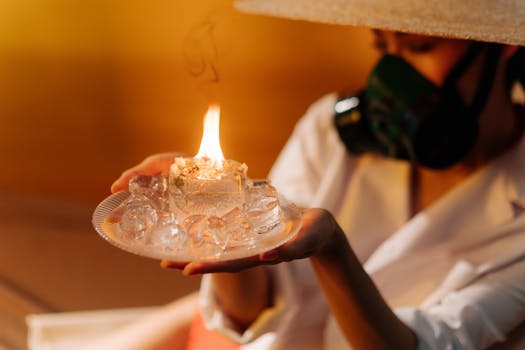
Many thermal injuries during contrast therapy are preventable with barrier technique. Skin protection is not optional when you are alternating temperatures.
Barrier materials and contact strategy
- Use a towel or cloth layer between the skin and heat/cold source.
- Check for wrinkles and pressure points. Wrinkles can create hot spots or cold spots.
- Secure gently. Avoid tight wraps that reduce circulation or increase pressure.
- Do not “spot treat” with direct contact. If you need precise targeting, use a controlled device and still include a barrier.
Heat source safety details
- Heating pads and hot packs should have covers and should not be used with direct bare-skin contact.
- Avoid prolonged static heat. If you notice persistent redness, reduce intensity or stop.
- Watch for thermostat failure risk. Some devices can overshoot temperature, particularly if damaged or used improperly. Inspect equipment and follow time limits.
Cold source safety details
- Cold packs should be wrapped. Direct contact increases the risk of skin injury.
- Do not freeze gel packs solid unless the product instructions specifically allow it. Many are designed for refrigeration or controlled cooling.
- Rewarm safely between cycles. The goal is contrast, not continuous extreme cold.
How to monitor response: what’s normal vs what’s a stop signal
Thermal stress safety depends on interpretation. Some changes are expected; others indicate tissue stress beyond safe limits.
Expected responses
- Initial tingling or a strong but tolerable sensation during cold or heat
- Temporary redness from warmth that fades within a reasonable time
- Comfortable transient tightness or relief afterward
- Gradual return of normal sensation after removal
Stop signals during or immediately after
- Burning or pain that feels sharper than “warmth”
- Blanching (skin turns very pale) that persists
- Numbness that lasts beyond a short period after the session
- Blistering, skin breakdown, or unusual swelling
- Mottling (patchy gray/purple patterns) with pain or persistent altered sensation
- Worsening symptoms instead of gradual improvement
After the session, reassess within an hour. If redness is intense, the skin is tender to light touch, or sensation remains altered, do not repeat the same settings.
Contrast therapy setup: choosing locations, cycle structure, and device practices
Safety also depends on where contrast therapy is applied and how the session is structured.
Where to apply contrast therapy
- Prefer intact, well-perfused tissue. Avoid areas with thin skin, bony prominences, or reduced circulation.
- Be cautious over joints and superficial nerves. Repeated thermal stress can irritate sensitive structures.
- Avoid face, genitals, and other highly sensitive regions unless specifically guided by a clinician.
Cycle structure and rest intervals
Contrast therapy is safer when it includes a clear return toward baseline between heat and cold. That allows circulation and sensation to normalize. If you feel that the area never fully “resets,” reduce intensity, shorten cycles, or increase time between exposures.
Common safety errors include:
- Using overly hot heat or overly cold cold
- Extending exposure until numbness appears
- Skipping the barrier layer
- Performing sessions too frequently without allowing tissue recovery
Device practices that reduce risk
Many people use commercially available cold packs, gel packs, or heating pads. Safety improves when you follow device instructions and add conservative checks.
- Inspect devices regularly. Replace damaged heating pads, leaking gel packs, or worn covers.
- Use covers and wraps. Even “instant cold” or “reusable” packs should be applied safely with a barrier.
- Control the session timer. Heat and cold can become too intense if you lose track of time.
- Use a thermometer when precision matters. If you are preparing your own heat or cold (for example, water-based methods), measuring temperature helps prevent accidental extremes.
For context, some devices designed for therapeutic use include adjustable settings or recommended time limits. Those features can support safety, but they do not eliminate the need for monitoring and stop criteria.
Common contraindications in practice: injuries, swelling, and inflammation timing
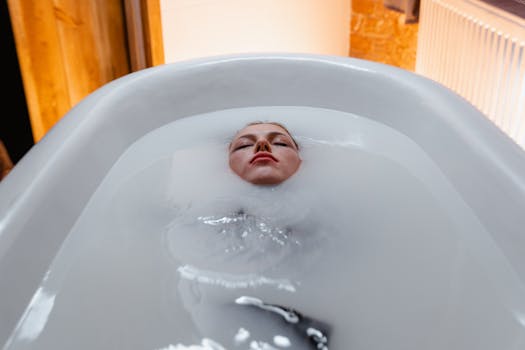
Thermal therapy is often discussed for recovery, but not all tissue states respond safely. Timing and injury type matter.
Acute injury considerations
In the early phase after an injury, swelling and bleeding risk may be present. Cold may be more appropriate than heat in many clinical contexts, but contrast therapy is not automatically safe for every acute injury. If there is a possibility of significant tissue damage, fracture, or a bleeding concern, contrast therapy should not replace medical evaluation.
Inflammation and tissue healing
Heat can increase local blood flow and may feel soothing, but it can also worsen certain inflammatory conditions if used too early or too intensely. Contrast therapy may be used by some individuals later in recovery, but safety depends on the current tissue state and your response.
Neuromuscular symptoms
If you experience radiating pain, numbness, weakness, or symptoms that suggest nerve involvement, thermal contrast may aggravate the problem. In those cases, prioritize medical assessment and avoid repeated thermal stress over the affected nerve distribution.
Frequency and progression: how often is safe and when to stop
Thermal stress safety includes how frequently you repeat contrast sessions. Tissue needs time to recover from the temperature challenge.
- Start infrequently. If you are new, use fewer sessions per week and shorter durations.
- Progress gradually. Adjust only one variable at a time (for example, slightly longer intervals or slightly stronger temperature) and only if you remain within comfort and safety limits.
- Do not escalate after a negative response. If you have lingering tenderness, persistent redness, or altered sensation, stop and reassess.
- Allow rest days. If your skin or tissue feels “reactive,” reduce frequency.
A practical rule: if the area becomes more sensitive over time, that is a sign that the thermal load is too high for your current tolerance or tissue condition.
Special safety issues: circulation, hydration, and skin condition
Some factors increase risk even when temperature and time appear appropriate.
- Cold environments. If you are already chilled, cold exposure can become more intense than expected. Warm up beforehand.
- Dry, fragile skin. Eczema, cracked skin, and fragile tissue can be damaged more easily. Avoid contrast therapy on irritated skin.
- Swelling and bruising. If the tissue is actively bruising or swelling rapidly, contrast therapy may not be appropriate.
- Dehydration. Dehydration can affect skin and circulation. Maintain normal hydration.
- Alcohol or sedating medications. These can reduce your ability to perceive discomfort and may increase the risk of overheating or overcooling.
Prevention checklist for thermal stress safety

Use this checklist to reduce avoidable risk before each session.
- Skin status: intact skin only; no open wounds or rashes.
- Sensation: you can reliably feel heat and cold; no numbness baseline.
- Barrier: towel/cover between device and skin.
- Intensity: tolerable warmth and tolerable cold; no sharp pain or quick numbness.
- Timing: controlled intervals with a timer; avoid extended exposure.
- Monitoring: check color and sensation; stop if symptoms worsen.
- Equipment: devices are intact, not leaking, and used per instructions.
- Medical caution: consider contraindications (vascular disease, neuropathy, Raynaud’s, impaired circulation).
Summary: safe use of cold heat contrast therapy without overloading tissues
Cold heat contrast therapy can be a useful comfort and recovery tool, but it must be approached with thermal stress safety in mind. The biggest risks—burns, cold injury, and nerve irritation—usually come from excessive intensity, inadequate barriers, prolonged exposure, or applying contrast over compromised skin or circulation.
To stay safe: start conservatively, use barriers, keep intervals brief, monitor sensation and skin color closely, and stop immediately if pain, numbness, or abnormal discoloration appears. If you have neuropathy, vascular disease, Raynaud’s, or reduced ability to sense temperature, consult a clinician before using contrast therapy. With controlled settings and vigilant monitoring, you can reduce thermal stress risk while using contrast therapy more responsibly.
FAQ: thermal stress safety for cold heat contrast therapy
How long should a cold heat contrast therapy session last?
For safety, sessions are usually kept short with brief heat and cold intervals and clear rest between them. If you are new, use shorter exposures and fewer cycles, and avoid extending time until the area becomes numb or overly painful.
What should I feel during a safe contrast therapy session?
You should feel strong but tolerable warmth during the heat phase and strong but tolerable chill during the cold phase. Normal responses fade after removal. Persistent numbness, burning pain, or worsening discoloration are not normal and are stop signals.
Is it safe to apply heat or cold directly to bare skin?
In most self-care situations, direct application increases the risk of burns or cold injury. A barrier such as a towel or device cover is a key thermal stress safety step.
Can contrast therapy be used over an injury or swelling?
Sometimes, but not always. Acute injuries, possible bleeding, suspected fractures, or active infections require medical evaluation. If symptoms suggest a serious problem or if swelling is rapidly worsening, avoid contrast therapy until you have appropriate guidance.
Who should not use cold heat contrast therapy without medical advice?
People with neuropathy or reduced sensation, poor circulation or vascular disease, Raynaud’s phenomenon, or conditions that increase cold sensitivity should seek medical guidance before using contrast therapy.
What are the most common safety mistakes?
The most common issues are using too much intensity, skipping the barrier layer, losing track of time, extending exposures until numbness appears, and repeating sessions too frequently without allowing tissue recovery.
What should I do if I notice redness or discomfort after a session?
Mild, temporary redness can occur, but intense redness, blistering, worsening tenderness, or persistent altered sensation means the settings were too aggressive. Stop contrast therapy and reassess; if symptoms are significant, seek medical advice.
Are there any equipment types that are safer than others?
Safety depends more on how the device is used than the brand or type. Using devices with covers, following time limits, preventing direct skin contact, and monitoring response are the main safety factors. If you measure temperatures or use a thermometer when preparing your own methods, you reduce the risk of accidental extremes.
28.11.2025. 02:09