

T3 T4 rT3 Thyroid Aging Labs: FAQ Guide

As we age, thyroid hormone patterns can shift—even when classic hypothyroid symptoms are subtle. Labs that include T3, T4, and reverse T3 (rT3) are often used to understand how your body is converting and utilizing thyroid hormone. This FAQ hub explains what these thyroid aging labs can show, how to interpret them, and what to discuss with a clinician.
What do T3, T4, and rT3 measure in thyroid aging labs?

T4 (thyroxine) is the main hormone produced by the thyroid gland and serves as a precursor. T3 (triiodothyronine) is the biologically active thyroid hormone that drives much of thyroid-related metabolism. rT3 (reverse T3) is an inactive isomer formed mainly through hormone conversion pathways. In thyroid aging labs, these markers help clinicians evaluate not only thyroid production but also peripheral conversion and utilization.
Why do T3 T4 rT3 thyroid aging lab results change with age?
With aging, several factors can influence thyroid lab patterns: changes in hormone conversion from T4 to T3, variations in binding proteins, altered caloric intake, changes in sleep and stress physiology, and increased prevalence of chronic inflammation. Some people develop a shift toward higher rT3 or lower T3 activity patterns during illness or physiologic stress, which can be misread as primary thyroid failure if context is ignored.
Are T3, T4, and rT3 part of standard thyroid testing?

T4 and TSH are widely used in standard screening. Free T4 and TSH are common first-line tests. Total T3 or free T3 may be ordered when hyperthyroidism, hypothyroidism variants, or conversion issues are suspected. rT3 is less commonly ordered and is typically considered when clinicians are evaluating conversion problems, non-thyroidal illness patterns, or complex cases where symptoms and standard labs don’t align.
What do high rT3 levels usually indicate?
Higher rT3 often suggests that more T4 is being converted into the inactive reverse form rather than into active T3. This pattern can occur during acute or chronic physiologic stress, including major illness, significant caloric restriction, intense endurance training, or systemic inflammation. It can also be seen in the so-called “non-thyroidal illness” pattern, where the body adapts hormone metabolism to conserve energy. A single elevated rT3 should be interpreted alongside TSH, free T4, free T3, symptoms, and recent health events.
How should low T3 be interpreted on thyroid aging labs?
Low T3 can reflect reduced conversion of T4 to T3, which may happen with illness, inflammation, caloric deficit, or certain medication effects. In aging, low T3 can also coexist with normal TSH and normal free T4, making it easy to overlook if clinicians focus only on TSH. Low T3 may warrant a broader evaluation for reversible contributors such as sleep disruption, undernutrition, chronic inflammation, medication side effects, and other endocrine factors.
What does an abnormal T4 result mean?

Low free T4 can indicate insufficient thyroid hormone production or impaired conversion, depending on TSH and T3. High free T4 may suggest overproduction or exogenous thyroid hormone exposure. In thyroid aging labs, T4 abnormalities should be interpreted with TSH and symptoms, and clinicians should confirm whether the result reflects true thyroid physiology versus lab timing, assay variability, or medication effects.
How do TSH and free T4 relate to T3 and rT3?
TSH is driven by the pituitary’s sensing of circulating thyroid hormone activity. In many classic primary thyroid disorders, TSH and free T4 move in predictable directions. T3 and rT3 add nuance by reflecting peripheral conversion and hormone availability. For example, TSH can be normal while T3 is low or rT3 is elevated when conversion pathways are altered by stress or illness. That’s why a full thyroid panel can provide more context than TSH alone in certain situations.
What reference ranges should I use for T3, T4, and rT3?
Reference ranges vary by lab, assay method, and whether the test measures total versus free hormone. Always use the ranges printed on your lab report. When evaluating thyroid aging labs, clinicians also consider whether results are near the edges of the range or clearly outside it, and whether changes over time are meaningful. If you share your lab values and the lab’s reference intervals with your clinician, interpretation becomes much more precise.
When is the best time to test T3, T4, and rT3?
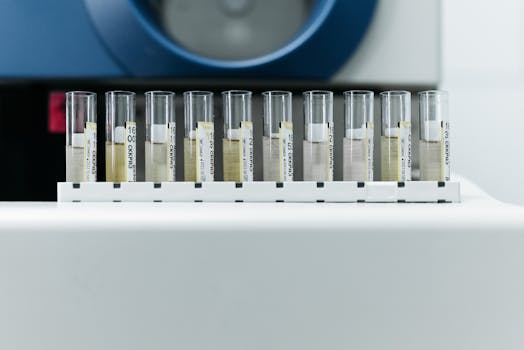
Thyroid hormone levels can vary with illness, fasting, stress, and sleep. If you are acutely ill, recently hospitalized, or have had major changes in diet or training, results may reflect temporary physiology rather than baseline thyroid function. Timing can also matter for people taking thyroid medication. In general, clinicians aim for testing when you are relatively stable and not in the middle of significant physiologic stress, and they coordinate testing relative to medication dosing when applicable.
How do medications affect T3, T4, and rT3 results?
Several medications can influence thyroid labs. Corticosteroids may suppress TSH and alter conversion patterns. Amiodarone, lithium, and some anti-seizure medications can affect thyroid function. Metformin and other drugs may influence binding proteins or hormone dynamics in certain contexts. Thyroid hormone therapy itself will alter T4 and T3 levels and can shift rT3 depending on dosing and conversion. If you’re reviewing thyroid aging labs, list all prescriptions, supplements, and recent medication changes with your clinician.
Can illness or chronic inflammation change rT3 and T3?
Yes. During acute illness or chronic inflammatory states, the body often shifts thyroid hormone metabolism toward increased conversion of T4 to rT3 and away from active T3. This pattern is commonly described as non-thyroidal illness. In aging, chronic low-grade inflammation may contribute to subtle shifts in conversion markers. Clinicians typically interpret rT3 and T3 within the context of current symptoms, inflammatory markers, and overall clinical status.
What symptoms might correlate with abnormal T3, T4, or rT3?

Symptoms are not specific, but patterns can overlap. Low active thyroid signaling may be associated with fatigue, cold intolerance, constipation, slowed heart rate, reduced exercise tolerance, or mood changes. Elevated rT3 with low T3 activity patterns may coincide with fatigue, brain fog, and reduced resilience during stressors, especially when standard TSH and free T4 are normal. Because symptoms overlap with many conditions common in aging, lab interpretation should be paired with a careful medical history and exam.
Do “low-normal” T3 or “high-normal” rT3 matter?
They can, depending on the full panel and how the values trend over time. A single low-normal T3 may be less significant than a consistent decline or a change that aligns with new symptoms. Similarly, rT3 near the upper end may be meaningful if it coincides with low T3 activity patterns and normal TSH/free T4, suggesting conversion changes. Clinicians often focus on the overall pattern across TSH, free T4, free or total T3, and rT3 rather than one marker in isolation.
Should I interpret T3 T4 rT3 thyroid aging labs without checking TSH?
In most cases, no. TSH is a key anchor for interpreting thyroid physiology. Without TSH, it’s harder to determine whether abnormal T3 or rT3 reflects primary thyroid dysfunction, altered conversion, or medication and stress effects. A comprehensive interpretation usually includes TSH plus free T4 and either free T3 or total T3, with rT3 used as additional context when appropriate.
What follow-up testing is commonly considered if rT3 is high or T3 is low?

Clinicians may consider repeating labs after a period of stability, checking thyroid antibodies (such as thyroid peroxidase antibodies and thyroglobulin antibodies) if autoimmune thyroid disease is possible, and reviewing iron status, vitamin status, and inflammatory markers when symptoms suggest broader endocrine or metabolic contributors. If medication effects are suspected, timing adjustments or medication review may be considered. The goal is to clarify whether the pattern is baseline thyroid physiology or a reversible stress/conversion pattern.
How can you reduce “false alarm” results when reviewing thyroid aging labs?
To minimize misleading results, avoid testing during acute illness when possible, keep diet and fasting patterns consistent before the test, and inform your clinician about recent dietary restriction, heavy training, major stress, or changes in sleep. If you take thyroid medication, ensure the testing plan accounts for dosing timing. Also, use the same lab for repeat testing when feasible, because assay differences can affect comparability.
Is rT3 testing useful for everyone?
No. rT3 is most useful when there is a specific clinical question—such as evaluating conversion patterns when TSH and free T4 are not clearly aligned with symptoms, or when non-thyroidal illness physiology is suspected. For straightforward primary hypothyroidism or hyperthyroidism, TSH and free T4 (and sometimes free T3) often provide sufficient information. For complex cases, rT3 can add useful context alongside the rest of the thyroid panel.
What should you discuss with your clinician after you get T3 T4 rT3 thyroid aging labs?

Bring the full panel results and reference ranges, plus a timeline of symptoms, recent illness, dietary patterns, exercise changes, and medication/supplement list. Ask how your pattern fits together across TSH, free T4, and T3, and where rT3 fits—conversion signal versus primary thyroid dysfunction versus stress physiology. Also ask whether repeat testing is needed and what other labs might clarify the picture.
Summary: how to interpret T3 T4 rT3 thyroid aging labs responsibly
T3, T4, and rT3 provide a window into both thyroid hormone availability and peripheral conversion. In aging, patterns can shift due to stress physiology, inflammation, nutrition, sleep, and medication effects. The most reliable interpretation usually considers the entire thyroid panel—especially TSH and free T4—along with clinical context and trends over time. Use rT3 as a contextual marker rather than a standalone diagnosis, and discuss follow-up testing with your clinician when results don’t match your symptoms.
07.12.2025. 13:00