

Shift Worker Light Exposure Plan for Circadian Re-Alignment

Why your light schedule matters more than you think

If you work nights, rotate shifts, or regularly start early, light is one of the strongest environmental cues your brain uses to set timing. Your circadian system doesn’t just “feel tired.” It uses light exposure—especially bright light at the right times—to align sleep pressure, body temperature rhythms, and alertness. When light arrives at the wrong time, your sleep can fragment, your alertness can sag during critical hours, and your body may take days to recover after each schedule change.
A shift worker light exposure plan for circadian re-alignment helps you take control of that timing. The goal isn’t to eliminate light or force perfect sleep. It’s to use light strategically: bright light when you need wakefulness, and dim or blocked light when you need your body to shift toward sleep. With the right timing and intensity, you can often reduce circadian “misalignment” and make transitions smoother.
This guide shows you how to build a practical plan you can adapt to your shift pattern, your commute, and your home environment. You’ll also see what to measure, how to time light exposure, and what to do on rotation days.
How circadian re-alignment works: the light timing your body responds to
Your circadian rhythm is regulated largely by the suprachiasmatic nucleus (SCN) in your brain. Light reaches the SCN through specialized retinal pathways that are most sensitive to short-wavelength (blue-enriched) light. But intensity and timing matter just as much as color.
In practical terms, circadian re-alignment is about shifting the timing of your internal clock. Light can cause a phase shift, moving your circadian markers earlier or later. The direction depends on when the light occurs relative to your internal night.
- Bright light in the biological evening/early night tends to push your clock later (useful for shifting toward night work).
- Bright light in the biological morning/early day tends to push your clock earlier (useful when moving back to day schedules).
- Light at the wrong time can delay or advance your clock in ways that fight your sleep schedule, leaving you tired at the wrong hours.
For shift work, the challenge is that your schedule forces you to be awake at times when your body expects sleep. A light exposure plan aims to create a “new internal day” that matches your work hours.
What counts as “bright” and why intensity is not optional
Light intensity is often discussed vaguely, but it’s central to effectiveness. A common practical target is:
- ~2,000 to 10,000 lux for alerting, depending on timing and individual response.
- Dim light typically means keeping your environment closer to <50 lux during the portion of the day you want to treat as your biological night.
You don’t need to be obsessive, but you do need realism. Office lighting might be far below what you’d consider “bright circadian stimulus,” especially if you’re indoors most of your shift. Outdoor daylight can easily exceed 10,000 lux on clear days. Overcast conditions are lower but still often brighter than typical indoor environments.
If you’re building a plan, treat light as a tool you can manage:
- Increase brightness at the right times (especially during your work period).
- Reduce brightness when you’re trying to sleep (especially during your commute home and the first hours after you get in bed).
Build your shift worker light exposure plan: a timing framework you can follow
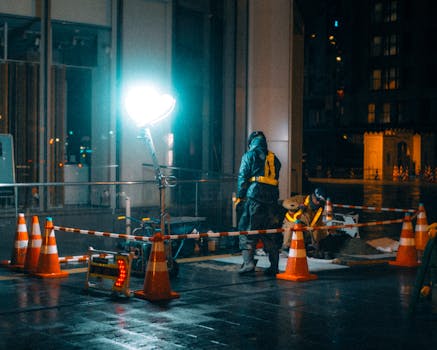
A good plan is structured around two principles: anchor wakefulness with bright light and protect sleep with light avoidance. You’ll use timing relative to your planned sleep and wake windows, not just the clock time.
Because shifts vary, you’ll likely adjust. Start with a template, then refine based on how you feel after 3–5 shifts.
Step 1: Define your sleep target and “protected sleep window”
Write down your intended sleep schedule for your current shift pattern. For example, if you work 11:00 p.m. to 7:00 a.m., you might sleep from 9:30 a.m. to 4:30 p.m. Your protected sleep window is the first 3–5 hours after you go to bed, when light exposure is especially likely to disrupt circadian signaling and sleep onset.
In your plan, you’ll treat the time from:
- 0 to 3 hours after bedtime as “highest protection” (lowest tolerance for bright light).
- 3 to 5 hours after bedtime as “moderate protection” (still dim, but not always as strict).
Step 2: Schedule bright light during your work period
For night shifts, you generally want bright light early and mid-shift to support alertness and to encourage circadian delay toward your new sleep timing.
Practical targets:
- First 2–3 hours of your shift: aim for the brightest available environment you can access.
- Mid-shift: maintain light exposure, especially if your energy dips.
- Last 1–2 hours before shift end: you can reduce intensity slightly if it helps your transition home, but don’t assume darkness is required while you’re still awake.
If your workplace is dim, you can compensate with short, well-timed exposures. For example, a 20–30 minute exposure to bright light around the first part of your shift can be more useful than sitting under dim overhead lighting all night.
Step 3: Use light avoidance and dimming on the commute home and before bed
Light avoidance is where many plans succeed. The commute is often the biggest uncontrolled variable. If you leave work under bright indoor lighting and step into daylight at the end of your shift, your brain may receive a “morning” signal that works against your attempt to sleep.
For a night shift, consider these measures:
- Wear blue-light filtering eyewear during your commute home (especially if you’ll be exposed to daylight).
- Keep your home environment dim for the first hours after you arrive.
- Use low-brightness screens or night-shift display settings, but remember that screen light can still be bright depending on settings and distance.
You don’t need total darkness to sleep, but you do need to reduce circadian-stimulating light when your body expects to shift toward sleep.
Real-world example: transitioning into a consistent night schedule
Let’s say you start a new schedule: 11:00 p.m. to 7:00 a.m. You plan to sleep 9:30 a.m. to 4:30 p.m. for the first week.
Day 1–3: stabilize wakefulness with bright light early in the shift
On your first few nights, your body is likely still tuned to a day schedule. Your plan should compensate early.
- 11:00 p.m.–1:30 a.m.: spend breaks near bright light. If you can, work near windows or use an area with higher illumination. If not, add short bright-light sessions during breaks.
- 1:30 a.m.–5:30 a.m.: keep light exposure steady. Avoid long periods in the darkest room you can find.
- 5:30 a.m.–7:00 a.m.: gradually reduce brightness if possible, especially if it will help you tolerate sleep later.
Commute and first sleep hours: reduce light to support circadian re-alignment
- Commute home: if it’s daylight, wear blue-light filtering eyewear and avoid bright windows during the ride.
- 9:30 a.m.–12:30 p.m. (first 3 hours): keep lights low. If you need to move around, use softer lighting rather than strong overhead brightness.
- After 12:30 p.m.: you can gradually allow more normal indoor light if it doesn’t disrupt your overall sleep duration.
In many people, consistent timing for 3–5 shifts helps the body start to treat the sleep window as the “biological night.” You might not feel perfect immediately. But you’re reducing the repeated internal conflict that causes chronic sleep debt and irregular alertness.
How to adapt the plan for rotating shifts and days off
Rotating shifts are harder because your internal clock never fully settles. Still, you can reduce the disruption by planning the direction of your circadian movement.
If you rotate between days and nights: treat it as direction control
When you move from day work to night work, you typically need to delay your circadian rhythm. That usually means:
- Bright light during the night shift, especially early.
- Strong light avoidance when you go to bed in the morning.
When you move from night work back to days, the goal is usually to advance your circadian rhythm. That typically means:
- Bright light soon after you wake for the day shift (morning exposure).
- Dim or controlled light in the later evening before your next sleep attempt.
Because “phase shifting” is not instantaneous, try to keep sleep timing consistent for at least a few days in the direction you’re traveling.
Days off: avoid the “social jet lag” trap
Many shift workers feel best on days off—until they return to work and feel wrecked again. That pattern often happens because you shift your sleep timing far later or earlier than your work-week schedule.
Instead of changing everything at once, aim for a smaller adjustment. A practical approach:
- Keep your sleep timing within 1–2 hours of your usual shift sleep schedule when possible.
- Use light intentionally: if you sleep later on your day off, you may need extra morning light to prevent a large delay or extra evening dimming to prevent an unwanted advance.
If you absolutely must shift your schedule more dramatically, recognize that your circadian system will require a few days to re-align. Your light plan can reduce how long that takes.
Light exposure methods: workplace changes, home setup, and timed outdoor light

A shift worker light exposure plan doesn’t have to rely on one tool. It’s usually a combination of environmental control and timing.
Use the brightest available spaces at the right times
Start with what you can control at work:
- Choose breaks in brighter areas.
- If you have the option, sit closer to windows or under higher illumination.
- During the first half of a night shift, prioritize brightness over comfort. During the last part of the shift, gradually taper if it helps your transition.
Even simple changes—moving locations during breaks—can meaningfully change your exposure.
Outdoor light can be a powerful anchor
Daylight exposure is often the most accessible “high lux” source. If you can safely step outside during your shift, it can support alertness and help circadian re-alignment.
Examples:
- For night shifts, consider brief outdoor exposure early in the shift if conditions allow and safety requirements are met.
- For day shifts after nights, use morning outdoor light after waking to help advance your rhythm.
Be mindful of weather and season. Winter daylight may be lower in intensity, but it can still be brighter than indoor lighting.
Home lighting: dimming is not just about turning lights off
Your home setup can make or break your sleep protection. Two common mistakes:
- Using bright overhead lights right after you get home.
- Relying on screens in bright rooms, which can keep your circadian system activated.
Instead, aim for:
- Lower overall brightness for the first hours after bedtime.
- Warm, dim lighting sources when you must see clearly.
- Reducing screen brightness and using dark mode or night-shift settings, ideally with moderate viewing distance.
If you live with others, coordinate lighting expectations. Quiet, dim conditions in the first 3 hours after sleep onset are often the highest-value adjustment.
Managing blue light and glare: what to do during commutes and pre-sleep
Because blue-enriched light is especially effective at signaling “day,” many plans include strategies to reduce its impact during the commute and before sleep.
Blue-light filtering eyewear: where it fits
Blue-light filtering eyewear is commonly used to reduce short-wavelength light during the transition from work to sleep. It’s most relevant when you’re exposed to daylight or bright indoor lighting while trying to go to sleep.
Practical guidance:
- Wear it during your commute home after night shifts, especially if you’ll be outside or near windows.
- Use it when you must be in brighter areas before your protected sleep window.
- Pair it with dim home lighting. Eyewear alone can’t fully compensate if your home environment is brightly lit.
Choose eyewear that blocks a meaningful portion of blue light. If you’re unsure, look for labels that specify blue-light reduction rather than vague “comfort” claims.
Glare control: windows and reflective surfaces
Even without high lux levels, glare can be disruptive. If you’re driving or riding home, consider:
- Reducing direct exposure to bright windows.
- Using sunshades where appropriate.
- Avoiding stop-and-go time under bright outdoor lighting if you’re trying to sleep soon after arriving.
Glare may be less about circadian stimulus and more about alerting your brain. Either way, it can work against your re-alignment goals.
Using light therapy devices safely and effectively (when appropriate)
Some people benefit from structured bright-light exposure using a light therapy box. This can be useful when your workplace lighting is consistently dim or when outdoor access is limited.
When a device can help
A light therapy device can be appropriate if:
- Your shift environment lacks sufficient brightness during critical hours.
- You can’t access outdoor daylight safely or consistently.
- You need consistent timing across multiple nights.
It’s less useful if your plan already includes reliable bright light at the right times.
General safety considerations you should not skip
Before you start any bright-light therapy, consider safety and contraindications. People with certain eye conditions, a history of photosensitivity, or specific medical concerns should consult a healthcare professional. Also, avoid staring directly at bright light sources.
Follow the device’s instructions for distance, duration, and timing. If you’re unsure about dosing, start conservatively and adjust based on sleep and alertness outcomes.
Practical dosing approach for shift schedules
Many light therapy protocols for circadian shifting use exposures in the range of 10–30 minutes at a specified distance, often with the goal of reaching a meaningful lux level at your eyes. Timing is more important than raw minutes. If you’re using a device, align it with your plan’s “bright light” window (often early in the shift for night workers).
Track outcomes for at least a week: sleep onset time, total sleep duration, and how alert you feel during the first half of your shift.
Sleep, caffeine, and timing: how to keep light from fighting other cues

Light is powerful, but it doesn’t act alone. If you want your shift worker light exposure plan to work, you need to coordinate other daily cues—especially caffeine and meal timing.
Caffeine timing can either support or sabotage your plan
Caffeine is a stimulant that can mask sleepiness during your shift. But it can also reduce sleep quality if it carries into your pre-sleep window.
A practical rule: reduce caffeine intake as your protected sleep window approaches. Many shift workers do best by stopping caffeine 4–6 hours before bedtime, though individual sensitivity varies.
Meals and temperature rhythms also matter
Late meals can increase alertness and affect digestion during the time you’re trying to sleep. If you can, align heavier meals with your work hours and keep your sleep period lighter and calmer.
Also consider your sleep environment. A cool, dark, quiet room supports sleep regardless of your light plan, but light can still shift your circadian signaling even when the room is quiet.
How to measure whether your plan is working
Because circadian re-alignment is personal, you need feedback. Use a simple tracking method for 7–14 days.
Track three outcomes
- Sleep onset time: how long it takes you to fall asleep after you get in bed.
- Total sleep duration: how many hours you actually sleep.
- Alertness timing: when you feel most alert during your shift, and when you experience the “dip.”
Adjust based on what’s failing
If you fall asleep too late:
- Increase light avoidance during your commute and first 3 hours after bedtime.
- Reduce bright indoor lighting at home immediately after arrival.
If you feel sleepy early in the shift:
- Increase bright light exposure in the first 2–3 hours of the shift.
- Use a brighter break location or add timed bright-light exposure.
If you wake too early and can’t return to sleep:
- Review how much bright light you’re exposed to in the last part of your sleep window.
- Check room darkness and screen use during the latter half of your sleep period.
Common mistakes that prevent circadian re-alignment
Even well-intentioned plans fail when the timing is inconsistent or when the “avoid light” part is neglected.
- All-or-nothing thinking: turning off all lights but spending time in bright, screen-heavy environments.
- Ignoring the commute: you may protect sleep at home but still get bright daylight exposure on the ride home.
- Bright light too late: using bright light only near the end of the shift when the circadian system may not respond as effectively for delaying or stabilizing your sleep timing.
- Big schedule swings on days off: shifting sleep timing by many hours can undo several nights of progress.
- Inconsistent wake time: your body uses regularity to learn when “day” starts; irregular wake times can reduce the benefit of your light plan.
Summary: a practical approach to shift worker light exposure planning

A shift worker light exposure plan for circadian re-alignment is not a single trick. It’s a timing strategy built around two targets: bright light to support wakefulness and circadian delay during night work, and light reduction to protect your sleep window, especially the first 3–5 hours after you lie down.
Start by defining your sleep and wake times. Then:
- During your shift, prioritize bright light early and mid-shift (often aiming for environments closer to 2,000–10,000 lux when feasible).
- On the commute home, reduce blue-enriched light exposure and glare—especially if daylight is involved.
- At home, keep the first hours after bedtime dim (often closer to <50 lux) and limit bright screen use.
- On days off, avoid large sleep timing jumps; keep changes within 1–2 hours when you can.
- Track outcomes for 1–2 weeks and adjust timing based on sleep onset and alertness patterns.
If you apply these steps consistently across multiple shifts, you’ll give your circadian system a clear signal to re-align with your work schedule. The result is often not just “more sleep,” but better-timed sleep and more stable alertness—exactly what you need for safe, sustainable shift work.
24.12.2025. 05:07