

Vibration Plate vs Handheld Vibration vs TENS: How to Choose

Choosing the right device when you want relief or results
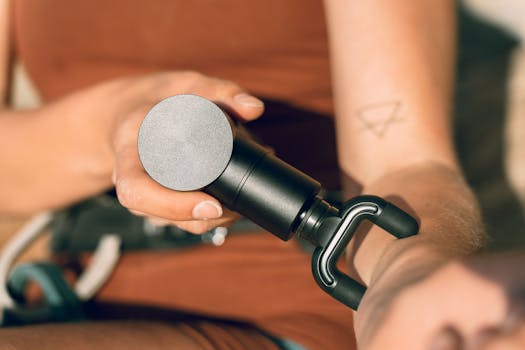
You’re probably looking at vibration-based products because you want something that feels effective, fits into real life, and doesn’t require a full gym membership or ongoing appointments. The problem is that “vibration” gets used for very different technologies. A vibration plate is one thing. A handheld vibration device is another. And TENS (transcutaneous electrical nerve stimulation) isn’t a vibration device at all—yet it’s often grouped in the same shopping search results.
So when you type in vibration plate vs handheld vibration vs tens, you’re really trying to answer three questions:
- What will this actually do to your body?
- What should you expect in terms of comfort, recovery, or performance?
- Which one matches your specific goal—pain relief, mobility, muscle recovery, or general conditioning?
This guide is a buying guide for that exact decision. You’ll learn what each device type is best at, which specifications matter, and how to avoid common traps before you spend money.
What each option really does (and what to expect)
Vibration plate: whole-body mechanical vibration
A vibration plate uses a platform that vibrates, usually with a motor and a control system that changes frequency and amplitude. When you stand on it, the vibration travels through your legs and core. Many people use it for general conditioning, mobility, and muscle activation, sometimes alongside bodyweight exercises.
Typical “session” expectations: 5–15 minutes at a time, often 3–5 times per week depending on your fitness level and how you respond. You may feel muscle engagement quickly. The effect is usually mechanical and neuromuscular rather than “pain-killing” in the same way as TENS.
Handheld vibration: targeted massage-style vibration
Handheld vibration devices (often called vibration massagers) deliver vibration to a specific area. Some are “percussion-like,” some focus more on vibration amplitude, and many include attachments or different modes.
Typical “session” expectations: short bouts of 1–10 minutes per area, depending on your comfort. People commonly use handheld vibration for post-workout soreness support, tight muscles, or to help them feel looser before stretching.
Important: vibration massagers are not the same as a clinical treatment. They can help with comfort and perceived recovery, but they’re not a guaranteed fix for injury pain.
TENS: electrical stimulation for pain modulation
TENS units deliver low-voltage electrical pulses through adhesive pads placed on your skin. The goal is pain modulation—often by interfering with pain signals and/or supporting comfort through sensory stimulation.
Typical “session” expectations: 15–45 minutes per session, sometimes multiple times per day depending on your situation and the product guidance. TENS can feel “tingly” or “buzzing,” and it often includes adjustable settings like pulse width and frequency.
Because TENS uses electricity rather than vibration, it’s best thought of as a pain-relief tool, not a training or massaging tool.
Key features and specifications to look for
For vibration plates: frequency range, amplitude, and control
When you compare vibration plate models, the most useful specs are:
- Frequency range (Hz): Many consumer plates list a range such as 5–30 Hz. Higher isn’t automatically better; your goal and tolerance matter. If you’re new, a lower starting range with smooth step changes helps.
- Amplitude or vibration intensity: Some plates state amplitude (often in mm) or describe “low/medium/high” intensity. If you can find measurable amplitude, it’s a clearer indicator than marketing claims.
- Mode variety and ramp control: Look for settings that let you ramp up gradually. Sudden intensity changes can feel uncomfortable.
- Footprint and stability: Wider, stable platforms reduce wobble. Check maximum user weight and whether the base feels solid on the floor you’ll use.
- Session timer: A built-in timer is practical. It helps you stick to 5–15 minute sessions without constantly watching.
Real-world scenario: If you’re using a vibration plate in a small apartment, stability is everything. A compact plate that rocks can be unsafe when you’re standing still, stepping, or doing simple squats. In that case, prioritize a stable base and clear intensity controls over “maximum” specs.
For handheld vibration devices: power, modes, attachment options, and ergonomics
For handheld vibration, you’ll see different ways manufacturers describe performance. Focus on:
- Vibration intensity controls: Look for multiple intensity levels with smooth adjustments. If it only has “high/low,” it’s harder to dial in comfort.
- Frequency or vibration speed (if listed): Some devices list vibration frequency or RPM-like measures. It’s still not perfect, but it’s better than vague “strong vibration.”
- Battery life and charging: If you want to use it 3–5 times per week, aim for a realistic runtime. Many buyers prefer devices that can last at least 60–90 minutes on a charge.
- Attachment heads (if applicable): If the device includes different heads, check that they match your use case—larger areas vs smaller trigger points.
- Grip comfort and weight: A 0.6 kg device feels very different from a 1.2 kg device when you’re holding it for 5 minutes. If you have wrist or shoulder issues, lightweight matters.
- Noise level: Some vibration devices are loud. If you plan to use it in the evenings, noise can become a deal-breaker.
Practical example: After a 45-minute gym session, you might want 5 minutes on your calves and quads. If your handheld device has two intensity levels only, you may overshoot comfort and end up skipping sessions. More granular control helps you stay consistent.
For TENS units: pulse frequency, pulse width, electrode size, and safety options
With TENS, the best buying specs are the ones that affect how you’ll set the device:
- Adjustable frequency (Hz): Many TENS units offer adjustable frequency, often in a range like 1–150 Hz depending on the model. Different settings can change sensation and comfort.
- Pulse width (microseconds): Pulse width is often listed as a range (for example 50–250 microseconds). This can matter for how the pulses feel.
- Intensity control (mA): If the unit lists current in milliamps (mA), that’s more specific than “low/medium/high.” Even if you won’t use the maximum, having a wide usable intensity range helps.
- Channel count: Some units are single-channel; others are dual-channel. Dual-channel can be useful if you want to treat two nearby areas or use a pattern.
- Electrode size and adhesive quality: Larger electrodes cover more area. Also check replacement electrode availability and cost.
- Safety features and modes: Look for features like automatic shutoff, lockout to prevent accidental changes, and clear pad placement guidance.
Important note: TENS can be effective for some people, but it’s not appropriate for everyone. If you have a pacemaker, certain heart conditions, or you’re pregnant, you should check with a qualified clinician before using a TENS unit.
What you should prioritize based on your goal
If your primary goal is pain relief, start with TENS
If you’re shopping because you want to reduce discomfort—like lower back ache, knee discomfort, or nerve-related sensitivity—TENS is usually the most direct match. Your priority should be adjustable frequency and pulse width, comfortable intensity control, and electrode quality.
Try to choose a unit that lets you fine-tune settings. A device with only “one program” can feel less effective because you can’t tailor sensation to your body.
If your goal is muscle comfort and “feel-good” recovery, consider handheld vibration
For tight muscles, post-session soreness support, or targeted comfort, handheld vibration is often the most practical. You can aim it at the area that feels stiff rather than vibrating your whole body.
Your priorities: good intensity control, comfortable ergonomics, and attachments that match the size of the area you treat (calves, shoulders, glutes, etc.).
If your goal is training support and whole-body conditioning, choose a vibration plate
If you’re trying to add a conditioning tool to your routine—especially if you like standing-based workouts—vibration plates can be a fit. They’re best viewed as a training accessory. They may help with muscle activation and general mobility routines, but they’re not a substitute for strength training.
Your priorities: stable platform design, realistic frequency range, and a timer so you don’t overdo it.
Common purchasing mistakes and misunderstandings
Assuming “vibration” means the same effect
Vibration plate and handheld vibration both use mechanical vibration, but they deliver it differently. A plate affects your entire stance and posture. A handheld device targets a smaller area. The sensation and likely outcomes aren’t the same.
TENS is a separate category entirely. It’s electrical stimulation. Comparing it as if it’s “the same as vibration” leads to disappointment.
Buying only based on maximum numbers
Many product pages highlight peak frequency or intensity. In real use, you’ll often start low and adjust. If you can’t fine-tune settings, you may not find a comfortable or effective level.
Instead, look for controllability: stepwise intensity, ramping, and clear adjustable parameters.
Ignoring contraindications and skin sensitivity
For TENS, electrode placement and skin condition matter. For mechanical vibration, your joints and balance matter. If you have acute injuries, joint instability, or specific medical conditions, you should be cautious and consider professional guidance.
Also check electrode replacement availability for TENS. If replacements are hard to find, you’ll end up pausing use.
Overusing the device
More time isn’t always better. A vibration plate session that’s too long can leave you feeling sore or overstimulated. A handheld device used aggressively can irritate sensitive tissue. TENS used too long can also irritate skin or lead to diminishing returns.
Use the product’s recommended schedule and start small—commonly 5–15 minutes for mechanical vibration sessions and 15–45 minutes for TENS, then adjust based on comfort and guidance.
Practical buying checklist and decision framework
Use this quick framework to decide what to buy first.
Step 1: Identify your main outcome
- Pain modulation / discomfort relief: prioritize TENS.
- Targeted muscle tightness and comfort: prioritize handheld vibration.
- Whole-body conditioning and mobility routines: prioritize a vibration plate.
Step 2: Match the device to your routine length
- If you can only spare 5–10 minutes, handheld vibration is usually easiest, and a vibration plate with a timer can work too.
- If you can commit to 20–45 minutes occasionally, TENS fits well.
- If you want a short “stand and go” routine, pick a plate with stable design and straightforward controls.
Step 3: Check the specs that affect comfort
- Vibration plate: stable base, adjustable intensity, session timer, realistic frequency range (not just max).
- Handheld vibration: multiple intensity levels, ergonomic grip, battery life that matches your weekly use.
- TENS: adjustable frequency and pulse width, electrode quality and replacement availability, safe intensity range.
Step 4: Confirm you can safely use it where you’ll place it
- For a plate, ensure you have a stable floor and enough space to stand safely.
- For handheld vibration, confirm you can reach the target areas without straining your wrist or shoulder.
- For TENS, plan electrode placement based on the included guidance and ensure you can attach pads reliably.
Step 5: Decide whether you need one device or a system
Some buyers do best with one primary tool and one supportive tool. For example:
- If you have knee discomfort, you might start with TENS for pain modulation and add handheld vibration later for comfort after workouts.
- If you’re training and want mobility support, a vibration plate might be your main tool, while a handheld device helps you target tight spots afterward.
Final guidance: what to recommend depending on your situation
If you’re trying to choose between vibration plate vs handheld vibration vs tens, don’t think of it as “which is strongest.” Think of it as “which is most aligned with your goal.”
Choose TENS first if your main reason for buying is discomfort relief. Prioritize adjustable pulse frequency and pulse width, comfortable intensity control, and reliable electrode replacements.
Choose handheld vibration first if you want targeted muscle comfort. Prioritize good intensity control, comfortable ergonomics, and enough battery life for the sessions you actually plan to do.
Choose a vibration plate first if you want whole-body conditioning support and you’ll use it consistently as part of a routine. Prioritize stability, realistic intensity control, and a timer so your sessions stay in a safe, repeatable range.
If you want a practical starting point, consider this: start with a device that matches your most immediate need. Many people buy a vibration plate expecting pain relief and are disappointed. Others buy a TENS unit expecting it to “massage” muscles and find it doesn’t feel like that. Align the device type with the outcome, and your money goes further.
24.12.2025. 03:26