

Best Ingredients for Hair Strength & Growth: Caffeine, Niacin, Amino Acids

Why you’re searching for hair strength and growth ingredients
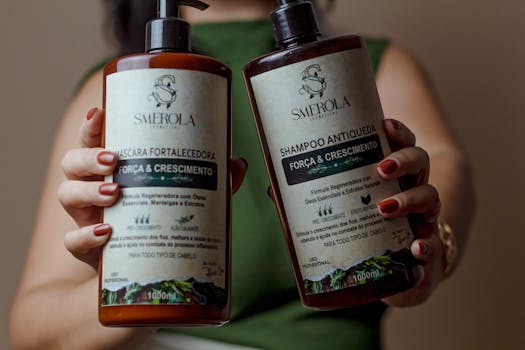
If your hair feels weaker, sheds more than it used to, or grows slowly, you’re not alone. Most people don’t need a “miracle” ingredient—they need a smart formula that supports the scalp environment, reduces breakage, and gives hair strands the building blocks they’re missing.
But here’s the problem: labels are packed with buzzwords. “Volumizing,” “growth,” “thickening,” “repair,” “stimulating.” Some ingredients help the scalp, some coat the hair, and others do very little for real growth. If you’re trying to choose products, you need to know which actives are actually worth your money—especially when you’re looking for caffeine, niacin, amino acids, and other scalp-safe options.
This buying guide walks you through the most useful ingredients and how to evaluate them so you can build a routine that supports stronger roots and healthier strands over time.
Key features to look for in scalp-safe growth formulas
1) Scalp compatibility first (not just “effective”)
Hair growth starts at the scalp. If your formula irritates your skin barrier, you may get more shedding, itching, or inflammation—then “growth” becomes harder. Look for products that are designed to be scalp-safe, especially if you have sensitive skin, dandruff, or a history of eczema.
Practical signals:
- Fragrance-free or low-fragrance options if you’re easily irritated
- Gentle surfactants in shampoos (avoid overly harsh cleansers if you wash frequently)
- Clear active concentrations listed or at least a transparent ingredient system
- Soothing co-actives like panthenol, allantoin, or bisabolol
2) A blend of “scalp support” + “strand strength”
Even if you stimulate the scalp, weak hair breaks and won’t show length gains. And even if you strengthen the hair shaft, an unhealthy scalp can limit how well new growth forms.
So you want two layers of support:
- Scalp actives that support circulation, comfort, and follicle environment
- Hair-structure ingredients that reduce breakage and improve feel/elasticity
3) Evidence-informed actives (and realistic timelines)
“Growth” is slow by nature. Most visible changes take 8–12 weeks, and more meaningful thickness/coverage often takes 3–6 months. If a product promises dramatic results in 7 days, treat it as marketing.
Instead, look for ingredients that have a plausible role in:
- Reducing oxidative stress and supporting scalp comfort
- Supporting keratin structure and reducing hair damage
- Improving moisture balance and decreasing breakage
Best ingredients for hair strength and growth: what each one does
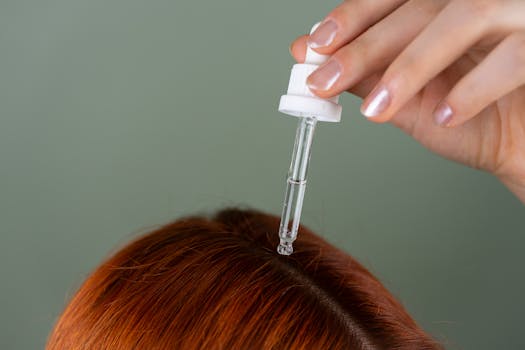
Caffeine: scalp stimulation and antioxidant support
Caffeine is one of the most commonly sought ingredients in growth-focused hair products. It’s often included for its potential to support scalp microcirculation and provide antioxidant-like benefits. In simple terms: it can help create a more “supported” environment at the scalp.
What to look for:
- Leave-on formats (serums, tonics) usually make more sense than rinse-off if you’re targeting the scalp
- Consistency: use it regularly rather than only occasionally
- Gentle base: caffeine works best when the formula doesn’t irritate your scalp
Real-world scenario: If you’re washing 4–5 times per week and your scalp feels tight after shampoo, you likely won’t benefit from a harsh tonic. In that case, choose a caffeine-containing scalp serum with calming co-actives and a non-stinging carrier.
Niacin (Vitamin B3): barrier support and scalp comfort
Niacin is often used in hair products to support the scalp barrier and help reduce dryness-related irritation. “Barrier support” matters because an irritated scalp can increase shedding and make hair feel brittle.
What to look for:
- Niacinamide specifically (commonly listed as “niacinamide”)
- Pairing with humectants like glycerin or panthenol
- Formulas that don’t feel stripping—especially if you color or heat-style
Simple explanation: niacinamide helps your scalp hold onto moisture and supports a more stable skin environment, which can reduce the cycle of irritation → shedding → breakage.
Amino acids: strengthen hair structure and improve detangling
Amino acids are building blocks. In hair products, they can support the hair shaft by improving how hair holds moisture and how it behaves when wet—when breakage risk is highest.
What to look for:
- Hydrolyzed amino acids listed on the label (they’re typically better integrated into hair products)
- Conditioning-friendly systems like panthenol + amino acids for softness and reduced tangles
- Leave-on or conditioner formats if your main issue is breakage
Practical tip: If your hair tangles easily after washing, amino-acid-rich conditioners and leave-ins can reduce mechanical stress, which is often the real reason “growth” looks slow.
Scalp-safe actives that support a healthy environment
Beyond caffeine and niacin, the best routines often include a few additional scalp-friendly ingredients. The goal is not to overload your scalp—it’s to support comfort and balance.
- Panthenol (Pro-Vitamin B5): helps hair feel softer and supports scalp comfort
- Allantoin: soothing and often helpful if your scalp gets reactive
- Bisabolol: calming ingredient commonly used in skin and scalp formulas
- Zinc PCA: can support oil balance for people who experience scalp buildup
- Soothing botanical extracts (when included responsibly): look for formulas that avoid heavy fragrance if you’re sensitive
Antioxidants and supportive oils (for damage reduction)
Hair strength isn’t only about the root. Heat styling, coloring, and environmental stress can weaken the hair shaft and make it more prone to breakage. Antioxidants and lightweight conditioning oils can help reduce that damage cycle.
What to look for:
- Vitamin E and other antioxidant-rich ingredients
- Lightweight oils like argan or squalane for slip and moisture retention
- Serums that reduce friction through conditioning rather than heavy coating
Note: Oils and antioxidants don’t “grow hair” by themselves, but they can protect the hair you’re already working to keep.
Keratin, peptides, and “repair” ingredients: helpful—if used correctly
You’ll see keratin and peptides in many growth-adjacent products. These can help hair feel stronger and improve surface integrity, but results vary by formula quality and your hair type.
How to use them wisely:
- If your hair feels rough, look for conditioning peptides and keratin-supporting systems in conditioners and masks
- If your scalp is the issue, prioritize scalp tonics and avoid overly heavy “mask-like” products near the roots
For many people, the best strategy is to use hair-structure ingredients on the lengths and ends, while keeping scalp actives targeted to the scalp.
What you should prioritize when buying (so you don’t waste money)
Prioritize the scalp problem you’re actually dealing with
Before you buy, identify what’s driving the issue. A good product can only help what it’s designed to address.
- Thinning or shedding: prioritize scalp tonics/serums with caffeine and barrier-supporting actives
- Breakage and roughness: prioritize amino-acid conditioners, masks, and leave-ins
- Oily scalp or buildup: prioritize gentle cleansing plus oil-balance support (like zinc PCA)
- Dry, itchy scalp: prioritize niacinamide + soothing ingredients; avoid harsh fragrance-heavy formulas
Choose the right format for the ingredient
Ingredient benefits depend on where and how you apply them.
- Scalp serums/tonics: best for caffeine and niacinamide because they’re designed to stay on the scalp
- Conditioners and masks: best for amino acids, keratin-supporting ingredients, and strengthening conditioners
- Leave-ins: best for friction reduction and detangling support
Check the “dose logic” and the label clarity
Some brands list ingredient percentages; others don’t. If the label is vague, you can still make a smart choice by checking:
- Is the active high enough to be meaningful? (If it’s listed very low on the ingredient list, it may be present in trace amounts.)
- Is the formula designed for regular use? If it’s too irritating, you won’t stay consistent.
- Does it include a supportive base? A strong active in a harsh carrier often backfires.
Consistency beats intensity for most people
Most scalp routines work through regular use. A caffeine + niacinamide serum used once daily (or as directed) for 8–12 weeks is usually more realistic than switching products every week.
Give your scalp time to respond. If you change everything at once, you won’t know what helped.
Common purchasing mistakes and misunderstandings
Mistake 1: Buying only “growth” claims without strengthening
If your hair breaks easily, you can stimulate the scalp and still see minimal length change. Strengthening ingredients (especially amino-acid-rich conditioners and friction-reducing leave-ins) can make the difference between “hair looks thinner” and “hair holds onto length.”
Mistake 2: Overloading your scalp with too many actives
It’s tempting to stack caffeine, niacin, acids, essential oils, and strong exfoliants. But if your scalp gets irritated, shedding can increase. Start with one scalp serum and one supportive cleanser, then add only one new product at a time.
Mistake 3: Ignoring your wash schedule
If you wash daily and use a harsh shampoo, your scalp may never settle. If you wash once a week, buildup can block scalp comfort and reduce how well tonics absorb. Match the cleanser strength to your routine.
Mistake 4: Treating conditioners as scalp treatments
Conditioner near the roots can weigh hair down or contribute to buildup for some people. Use amino-acid conditioners primarily on the lengths and ends, unless the product is explicitly designed for scalp use.
Mistake 5: Expecting results sooner than biology allows
Hair growth is measured in millimeters over time. If you’re looking for visible improvements, plan for 8–12 weeks minimum before judging. For thicker-looking regrowth, think 3–6 months.
Practical buying checklist and decision framework
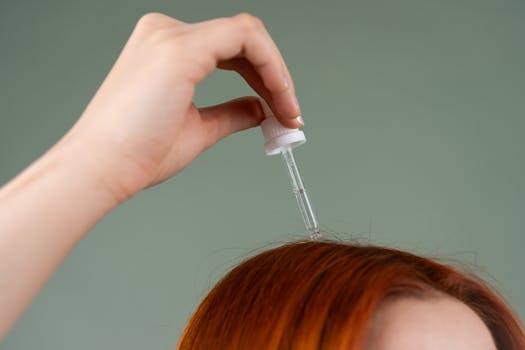
Step 1: Pick your “main goal”
- More visible density / shedding support: choose a scalp serum with caffeine and niacinamide, plus soothing actives
- Less breakage / stronger strands: choose an amino-acid conditioner or leave-in with slip and hydration
- Both: build a two-part routine (scalp serum + strengthening conditioner/leave-in)
Step 2: Confirm scalp safety signals
- Look for calming ingredients (panthenol, allantoin, bisabolol)
- If you’re sensitive, prioritize fragrance-free or low-fragrance formulas
- Avoid formulas that leave your scalp burning or tight after 1–3 uses
Step 3: Match the format to the ingredient
- Caffeine → leave-on scalp tonic/serum
- Niacinamide → scalp serum/tonic or scalp-friendly shampoo with a gentle base
- Amino acids → conditioner, mask, or leave-in on lengths/ends
Step 4: Build a realistic routine (example you can copy)
Example scenario: You wash every other day, you color your hair, and your scalp gets slightly oily at the roots.
- Shampoo (every wash): choose a gentle cleanser with scalp-friendly support; avoid overly drying formulas
- Scalp serum (after shower): apply a caffeine + niacinamide serum to the part lines and scalp
- Conditioner (every wash): use an amino-acid conditioner on mid-lengths and ends
- Leave-in (optional): a lightweight strengthening leave-in to reduce friction while detangling
Then track progress at week 4, week 8, and week 12. If you see reduced shedding or less breakage, you’re on the right track.
Step 5: Use a 14-day “tolerance test” before committing
When you introduce a new scalp product, apply it consistently for 14 days while monitoring:
- itching or burning
- increased flakes
- more shedding than usual
If you notice irritation, stop and switch to a gentler base or lower-irritation actives. Hair growth products should support your scalp, not stress it.
Step 6: Keep your expectations measurable
- Take photos of your hairline and part width every 2–4 weeks
- Track how many hairs you notice in the shower (roughly) and whether breakage feels lower
- Measure length changes monthly if you’re focused on growth visibility
Final buyer guidance and recommendations for your ingredient plan
When you’re shopping for the best ingredients for hair strength and growth caffeine niacin amino acids scalp safe actives, think in systems, not single hero ingredients. The strongest routines usually combine:
- Scalp support: caffeine and niacinamide with soothing, non-irritating support
- Strand strength: amino acids (often hydrolyzed) in conditioners and leave-ins to reduce breakage
- Scalp safety: barrier-friendly, fragrance-light or fragrance-free options if you’re reactive
If you want to make this practical right away, start with one scalp serum/tonic and one strengthening conditioner/leave-in. Use the scalp product consistently for at least 8–12 weeks, and focus on reducing breakage immediately. If you’re dealing with an itchy, inflamed scalp or significant shedding, consider talking with a dermatologist—especially if shedding is sudden, patchy, or accompanied by scalp pain.
For product selection, look for reputable brands that clearly list active ingredients and provide scalp-friendly formulas. Many people do well with a caffeine scalp serum paired with a niacinamide-supporting shampoo or tonic, then an amino-acid-rich conditioner on the lengths. If you’re choosing one “starter” approach, prioritize scalp comfort first—because healthy scalp conditions are the foundation for both strength and growth.
25.02.2026. 00:03