

Electrolytes for Fasting: Sodium, Potassium, Magnesium Doses

Goal: keep electrolytes steady while fasting

When you fast, especially with time-restricted eating, your fluid balance and electrolyte needs can change. Many people feel headaches, fatigue, dizziness, or “keto flu” like symptoms during the first days of fasting or low-carbohydrate intake. In many cases, the cause is not a lack of “willpower,” but a mismatch between your hydration, sodium intake, and—sometimes—potassium and magnesium.
This guide walks you through a practical, step-by-step approach to electrolytes for fasting sodium potassium magnesium doses. You’ll learn how to choose amounts, when to take them, and how to mix them safely so you can support comfort and training performance without overdoing stimulatory or mineral-heavy supplements.
Preparation: what you need before you dose electrolytes
Before you start, set yourself up so dosing is consistent and easy to adjust. Electrolytes are not one-size-fits-all; your dose should reflect your diet, sweat rate, and how long you fast.
- Track your fasting window: note your daily fasting length (e.g., 16:8, 18:6) and whether you exercise during the fast.
- Choose your electrolyte form: sodium can be taken as sodium chloride (salt) or sodium citrate; magnesium is commonly magnesium glycinate, citrate, or threonate; potassium is often provided as potassium chloride.
- Have a reliable way to measure: a kitchen scale or accurate measuring spoons help prevent accidental overuse.
- Use a plain mixing container: a bottle or jug dedicated to electrolyte drinks.
- Know your medical constraints: if you have kidney disease, heart rhythm issues, are on potassium-sparing diuretics, ACE inhibitors, ARBs, or spironolactone, you should not self-prescribe potassium without clinician guidance.
- Consider baseline hydration: aim for consistent water intake during your eating window and during the fast as needed for thirst and comfort.
If you prefer “no math” dosing, some electrolyte powders already list sodium, potassium, and magnesium per serving. Still, check the label and portion size. Many products are designed for active endurance use and can overshoot your needs during fasting.
Step-by-step: sodium, potassium, and magnesium dosing during fasting

Use these steps to build a conservative starting plan. Then adjust based on symptoms (headache, cramps, dizziness), blood pressure trends, and exercise intensity.
Step 1: Start with sodium first (most commonly needed in fasting)
Sodium needs often rise when carbohydrate intake is lower or when glycogen stores drop. During fasting, you may also excrete more sodium than usual. Many people notice the biggest difference when sodium is addressed early.
- Begin with 300–600 mg sodium during the first hours of your fast.
- Use 1 additional dose if needed later in the fasting window, for a total of 600–1,200 mg sodium per day for many beginners.
- Upper comfort guideline: for most healthy adults, many fasting protocols land around 1,500–2,500 mg sodium/day from all sources during the fasting day. If you already eat salty food in your eating window, you may need less added sodium.
Practical example: If your fast is 16 hours and you usually wake with a headache, try taking your first electrolyte dose within 1–2 hours of starting the fast, then a second smaller dose 6–8 hours later if symptoms return.
Mixing tip: Sodium products vary in concentration. If using salt, remember that 1/4 teaspoon table salt is roughly 575 mg sodium (varies by salt type). If you’re using sodium citrate or an electrolyte powder, follow the label for “mg sodium per serving.”
Step 2: Add potassium carefully (and only if appropriate)
Potassium supports muscle function and nerve signaling. During fasting, potassium needs can shift, particularly if you’re also reducing processed foods or if you’re sweating heavily. However, potassium can be dangerous at high doses or in certain medical situations.
- Start with 100–200 mg potassium during the fast if you suspect low potassium symptoms (muscle cramps, weakness) or if your eating window is low in potassium-rich foods.
- Typical fasting range: many people use 200–400 mg potassium/day from supplements during fasting days.
- Avoid pushing high supplemental doses: stay conservative unless a clinician has confirmed your potassium status.
- Consider food first: potassium from foods (spinach, mushrooms, avocado, potatoes, yogurt, beans) is generally safer and more predictable than large supplemental doses.
Safety note: Do not supplement potassium without medical guidance if you have kidney impairment or take medications that can raise potassium.
Step 3: Dose magnesium to support muscle and sleep quality
Magnesium can help with muscle relaxation, and some people experience fewer cramps or better sleep when magnesium intake is consistent. Magnesium is also commonly under-consumed when people reduce meal frequency.
- Start with 100–200 mg elemental magnesium during your fasting day (you can split it if it causes stomach upset).
- Common range: 200–400 mg elemental magnesium/day is a typical target for many adults from food + supplements combined.
- Watch for GI effects: magnesium citrate may loosen stools; magnesium glycinate is often gentler for many people.
Practical example: If magnesium causes loose stool when taken on an empty stomach, take it closer to the end of your fast or with your first meal.
Step 4: Decide timing based on what you’re trying to fix
Timing can matter more than people expect, especially for sodium and for magnesium tolerability.
- Sodium timing: take sodium early in the fasting window if you get headaches or lightheadedness. If symptoms appear later, shift the dose later.
- Potassium timing: if used, take it with sodium and water, or with the first meal. Avoid taking large potassium doses alone.
- Magnesium timing: if you notice relaxation or better sleep, take magnesium in the evening. If it upsets your stomach, take it with food.
Step 5: Mix and take electrolytes in a way that’s easy on your stomach
Many people do better with measured, low-to-moderate concentration drinks rather than very salty “shots.”
- Start with 12–20 oz (350–600 mL) water for a single serving.
- Mix and sip rather than chugging. If you use salt, dissolve fully so you don’t get concentrated pockets.
- Adjust concentration: if the drink tastes too strong or triggers nausea, increase water volume and reduce the per-serving mineral amount.
Practical example: If you want 600 mg sodium in a dose, you might dissolve it in 500 mL water and sip over 30–60 minutes. That often feels smoother than drinking it quickly.
Step 6: Adjust based on response, not guesswork
After 2–4 fasting days of consistent dosing, evaluate your response.
- If headaches persist: increase sodium by a small increment (e.g., +200 mg) within a safe range and maintain hydration.
- If you feel jittery or notice significant blood pressure changes: reduce sodium and reassess overall intake (including caffeine) and hydration.
- If cramps continue: check magnesium tolerability and timing; consider whether your eating window is missing potassium-rich foods.
- If you get GI upset: reduce magnesium dose per serving, switch forms (e.g., from citrate to glycinate), or move magnesium closer to your first meal.
Common mistakes that derail fasting electrolyte dosing
Most issues come from dosing errors, misunderstanding label terms, or ignoring safety factors. Avoid these pitfalls.
- Using “electrolyte” products without checking elemental mineral amounts: labels may list “compound weight” rather than elemental sodium, potassium, or magnesium. Always look for “mg sodium,” “mg potassium,” and “mg magnesium (elemental).”
- Over-salting without enough water: sodium can make you feel worse if hydration is inadequate. Aim for steady water intake and sip electrolyte drinks.
- Adding potassium aggressively: potassium is not a “more is better” mineral. If you’re unsure, start low and prioritize food sources.
- Taking magnesium in a form that causes diarrhea: if you have loose stools, you may be losing magnesium and other electrolytes. Adjust dose or switch form.
- Changing multiple variables at once: if you change fasting length, caffeine, workout timing, and electrolytes simultaneously, you won’t know what helped.
- Ignoring medication interactions: potassium and magnesium can interact with certain drugs. If you take blood pressure medication, diuretics, or have kidney issues, consult a clinician.
- Assuming you need electrolytes every hour: many people do fine with 1–2 sodium doses per fasting window and a magnesium dose once daily, adjusted for symptoms.
Additional practical tips to optimize sodium, potassium, and magnesium during fasting
Once you have a baseline plan, these refinements can improve comfort and consistency.
Choose forms that match your goals and tolerance
Some people tolerate sodium chloride well; others prefer sodium citrate, which may feel less harsh. For magnesium, glycinate is often chosen for gentler digestion, while citrate can be useful if constipation is an issue. If you’re using a ready-made electrolyte powder, look for a formulation that includes sodium and magnesium with modest potassium rather than extreme dosing.
Natural-food support: In your eating window, include potassium-rich foods (leafy greens, yogurt, beans, potatoes, mushrooms) and magnesium sources (nuts, seeds, legumes, whole grains). This reduces how much you need to supplement.
Account for sweat and exercise
If you train during the fast—especially in heat—your sodium losses can rise quickly. Use your body’s signals: heavy sweat, cramps, and headaches suggest you may need more sodium. If you’re unsure, start by increasing sodium modestly and keep potassium conservative.
Keep an eye on blood pressure and symptoms
Sodium can influence blood pressure in some people. If you monitor home blood pressure, note whether your fasting electrolyte routine changes your readings. If you get palpitations, dizziness that doesn’t improve with hydration, or significant swelling, stop and seek medical advice.
Use a consistent routine rather than random dosing
Electrolyte dosing works best when it’s predictable. A simple routine might look like: one sodium dose early in the fast, magnesium in the evening (or with the first meal), and a small potassium support dose only if your diet is low in potassium. Consistency makes adjustments easier.
Know how much you already get from food
Many people accidentally double-dose sodium because their eating window includes salty foods (broth, sauces, deli meats, cheese, salted snacks). If you’re adding electrolytes, consider your total daily sodium from meals. If you’re unsure, keep a few days of food notes; patterns usually show up quickly.
Example day plans you can adapt
Use these as starting points. Adjust amounts based on your symptoms and food intake.
- Example 1 (beginner, 16:8 fasting): Start fast with 400–600 mg sodium in water. Add magnesium 100–200 mg elemental in the evening. If cramps appear and your diet is low in potassium, add 100–200 mg potassium with the sodium dose or with the first meal.
- Example 2 (active, 18:6 fasting): Take 600 mg sodium early in the fast, and optionally another 300–600 mg later if headaches or fatigue show up. Magnesium 200 mg elemental in the evening or with the first meal. Keep potassium modest (200–400 mg/day total from supplements) unless your clinician advises otherwise.
- Example 3 (sensitive stomach): Split magnesium into two smaller doses (e.g., 100 mg twice) and take sodium in a more diluted drink (larger water volume). If nausea occurs, reduce concentration and sip slowly.
Relevant products to consider without making dosing complicated
If you use a supplement, choose one with clear labeling for sodium, potassium, and magnesium. For example, a powdered electrolyte drink mix that lists “mg sodium” and “mg magnesium (elemental)” per serving can make measurement easier. For magnesium, products that specify elemental magnesium and the form (such as glycinate or citrate) help you dose accurately. When using potassium, look for a product that clearly states potassium in mg and avoid blends that provide large potassium amounts without a clear dosing plan.
Regardless of the product, the key is the dose: elemental mineral amounts, safe ranges, and timing that matches your fasting routine.
When to pause and seek medical input
Stop self-adjusting and seek guidance if you have kidney disease, unexplained swelling, abnormal heart rhythms, severe weakness, or symptoms that don’t improve with hydration and conservative sodium. If you’re on medications that affect electrolytes or blood pressure, clinician oversight is especially important for potassium.
Step-by-step recap: your fasting electrolyte dosing workflow
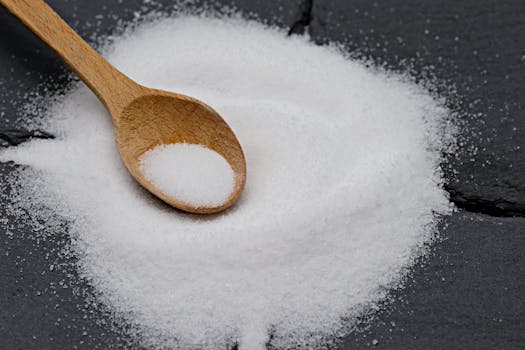
- Start sodium first: 300–600 mg sodium early in the fast, then add a second dose if symptoms persist (often 600–1,200 mg/day for many beginners).
- Add potassium cautiously: 100–200 mg initially; typically 200–400 mg/day from supplements if needed, with medical caution for kidney or medication risks.
- Use magnesium for consistency: 100–200 mg elemental to start; often 200–400 mg/day total from food + supplements, split if GI upset occurs.
- Mix with adequate water and sip slowly to improve tolerance.
- Adjust after 2–4 fasting days based on symptom response and any blood pressure or GI changes.
With a measured approach, electrolytes for fasting sodium potassium magnesium doses become a controlled tool rather than a guessing game. You’ll be able to fine-tune comfort, reduce “early fast” discomfort, and support training and daily life while keeping your fasting routine sustainable.
02.03.2026. 04:36