

Blue Light at Night Melatonin Suppression Evidence

Blue light at night and melatonin: what the evidence actually shows
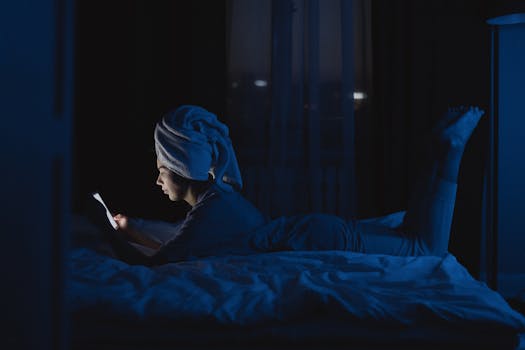
Blue light at night is often discussed as a sleep disruptor, mainly because it can suppress melatonin—an important hormone that helps signal “biological night” to the brain. The key question is not whether light can affect melatonin (it can), but how strong the effect is, which wavelengths matter most, how long exposure needs to last, and how findings from controlled lab studies translate to real-world device use.
The best evidence comes from experiments that expose people to different colors and intensities of light in the evening or night and then measure melatonin levels in controlled conditions. Across these studies, a consistent pattern emerges: short-wavelength (blue) light is particularly effective at reducing melatonin and shifting circadian timing, largely through the eye’s specialized photoreceptors and their downstream connections to the brain’s circadian clock.
This article explains the evidence in an educational, science-focused way: what researchers measured, what mechanisms are involved, what factors change the strength of suppression, and how to apply the findings to practical nighttime habits.
Melatonin basics: why suppression matters for sleep timing
Melatonin is produced primarily by the pineal gland and is regulated by the body’s circadian system. In typical conditions, melatonin rises in the evening, peaks during the biological night, and falls toward morning. This rhythm helps coordinate sleep-wake timing, temperature regulation, and other circadian processes.
Importantly, melatonin is not simply a “sleep pill” hormone. It also acts as a timing signal. When melatonin is suppressed in the evening, the body may interpret the environment as later in the day than it actually is. That can delay circadian phase and contribute to later sleep onset, reduced sleepiness, and altered alertness patterns.
Melatonin suppression is therefore a measurable proxy for “circadian impact” of light. Even when someone still feels sleepy, changes in melatonin timing can matter for longer-term alignment of sleep with the external light-dark cycle.
How blue light reaches the circadian system: melanopsin and retinal pathways
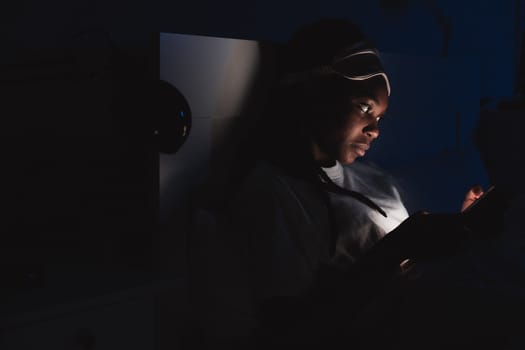
The circadian system is highly sensitive to light, and that sensitivity is not identical to what we experience as brightness. One major reason is the presence of melanopsin-containing retinal ganglion cells. These cells respond strongly to short-wavelength light (roughly in the blue range) and project to brain regions that regulate circadian timing.
When blue light hits the retina at night, melanopsin pathways can signal the brain that it is still daytime. This can reduce melatonin secretion by altering the signaling from the suprachiasmatic nucleus (SCN) to downstream pathways controlling pineal activity.
Because this mechanism is wavelength-dependent, blue light tends to have a stronger melatonin-suppressing effect than longer wavelengths (such as red or orange), even when the subjective brightness feels similar.
Core experimental evidence: wavelength, intensity, and melatonin suppression
Laboratory studies provide the clearest evidence. Researchers commonly expose participants to controlled light conditions in the evening—sometimes using monochromatic or narrowband light—and then collect saliva or blood samples to measure melatonin concentration over time.
The most influential findings include:
- Short-wavelength light suppresses melatonin more effectively than longer wavelengths at comparable photon flux or illuminance.
- The effect is dose-dependent: higher intensity and longer exposure generally increase suppression, though the relationship is not always perfectly linear across all conditions.
- Timing matters: exposure earlier in the evening may shift the phase differently than exposure closer to the natural melatonin peak.
- Suppression can be measured quantitatively as reductions in melatonin area under the curve (AUC) or peak levels relative to baseline.
In practice, the “evidence” is not one single study but a convergence of results across different experimental designs. Many studies use the same core approach: compare blue-enriched light to dimmer or longer-wavelength control conditions while holding other factors as constant as possible.
What counts as “blue light” in studies: spectrum, devices, and real-world variability
One reason the topic can feel confusing is that “blue light” is not one uniform thing. In research, blue light may refer to specific wavelength bands (for example, around 460–480 nm) or to a broader blue-enriched spectrum. Meanwhile, real-world sources—LED bulbs, phone screens, tablets, laptops, and televisions—differ in their spectral composition and brightness.
Device screens are particularly variable:
- Backlight and display technology affect the emitted spectrum.
- Ambient light influences how bright a user sets the screen.
- Color settings (night modes, warm themes) reduce short-wavelength emission but may not eliminate it entirely.
- Content can change the distribution of colors on screen at any moment.
So while lab studies often use controlled blue wavelengths, real devices typically emit a mix of wavelengths. The strongest takeaway is that short wavelengths are the key driver, but the exact magnitude of suppression in everyday life depends on intensity, distance, exposure duration, and the spectral output of the device.
How strong is the effect? Dose-response findings and “circadian sensitivity”
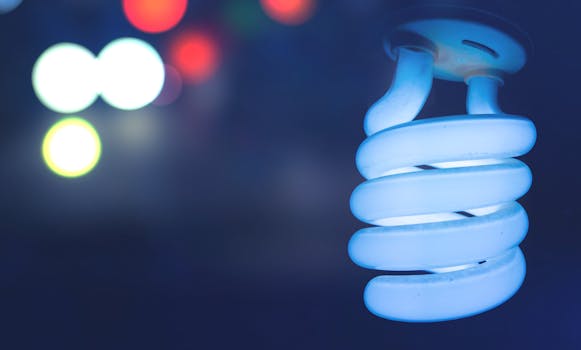
Researchers often describe the relationship between light exposure and melatonin suppression in terms of dose-response. In simplified terms, there is a threshold-like sensitivity: low levels may have minimal effect, while sufficiently strong short-wavelength light can significantly suppress melatonin.
However, “how much” suppression occurs in real life is not a single number. Different studies report different degrees of suppression because:
- Illuminance or radiance differs between light sources.
- Exposure duration varies (minutes vs. longer periods).
- Baseline melatonin level varies depending on when the exposure occurs relative to the person’s circadian rhythm.
- Face-to-screen distance changes the retinal light dose.
Some studies show that even relatively brief exposures to bright, short-wavelength light can suppress melatonin measurably. The magnitude tends to be greatest when light is bright enough to meaningfully stimulate melanopsin pathways, and when exposure occurs during the evening window when melatonin is beginning to rise.
Importantly, melatonin suppression does not always translate directly to a single outcome like “you will not sleep.” Sleep depends on many factors. But melatonin suppression is strong evidence that the circadian system is being signaled to delay biological night.
Timing and duration: why “when” you use screens matters as much as “what”
The circadian system is sensitive to light at specific times. Exposure in the evening can delay circadian phase and reduce melatonin secretion. Exposure closer to the biological night peak may produce a different pattern of suppression and phase shifting than exposure earlier.
Duration also matters. In controlled settings, longer exposure generally increases the reduction in melatonin. Real-world screen use often involves repeated, intermittent exposure (glancing at a phone, then looking away, then returning). That pattern may still accumulate enough short-wavelength stimulation to be meaningful, especially if the screen is bright and close to the face.
A practical implication follows directly from the evidence: reducing short-wavelength exposure in the last portion of the evening—when melatonin is rising—should have a greater circadian benefit than making changes earlier in the day.
Do studies in controlled settings match real-world device use?
Laboratory studies establish causality: changing the spectral composition of light can suppress melatonin. But the public health relevance depends on whether typical evening device use produces sufficient melanopsin stimulation to affect melatonin in everyday settings.
Research using real devices has found that:
- Bright screens can suppress melatonin, particularly when used close to the eyes in dim rooms.
- Warm or blue-reduced settings can lessen suppression, consistent with reduced short-wavelength emission.
- Brightness level is a major driver: a dim screen may have less impact than a bright one, even if both have similar color temperature.
- Distance and viewing angle matter: light reaching the retina depends on how close the screen is and how much of the screen is in view.
That said, results vary because studies differ in room lighting, device type, screen luminance, and participant schedules. The most consistent conclusion is that blue-enriched light at night can affect melatonin, and many device scenarios are capable of producing measurable effects—especially when used late, bright, and close to the face.
Mechanistic evidence: from retinal response to melatonin changes
Beyond measuring melatonin directly, researchers have mapped the pathway from light absorption to circadian effects. The melanopsin system is tuned to short wavelengths and connects to brain circuits that regulate circadian timing. This provides a mechanistic explanation for the wavelength dependence seen in human studies.
In addition, the circadian timing system uses phase-response characteristics: light exposure can shift the timing of the circadian clock. Melatonin suppression is one readout of this process, but the same pathways can also influence circadian phase alignment.
When you combine mechanistic understanding with experimental findings, the evidence becomes more robust: blue light at night is not just correlated with lower melatonin—it is a causal stimulus that can reduce melatonin secretion through known retinal-circadian pathways.
Common misconceptions: brightness, “true blue,” and total light
Several misunderstandings appear in discussions about this topic:
- “Only blue light matters, so any light at night is irrelevant.” Not true. Total light level and spectral composition both matter. Longer wavelengths can also influence circadian signaling, though typically less strongly than short wavelengths.
- “If the screen looks dim, melatonin suppression can’t happen.” Not necessarily. Even dim-looking screens can emit enough short-wavelength light depending on brightness settings, room darkness, and viewing distance.
- “Warm light eliminates the effect completely.” Warm or blue-reduced settings generally reduce short-wavelength output, which should reduce melanopsin stimulation, but they may not remove it entirely.
- “Melatonin suppression guarantees insomnia.” Melatonin suppression indicates circadian impact, but sleep outcomes vary by individual factors like stress, bedtime routine, sensitivity, and overall sleep history.
These points are important because they shape practical guidance: the goal is not to create zero light exposure, but to reduce circadian-disrupting short-wavelength light during the evening window.
Practical guidance: reducing melatonin suppression from night-time light
The evidence supports several practical strategies. The best approach is to target the factors that studies identify: spectrum (reduce short wavelengths), intensity (reduce brightness), and timing (avoid exposure close to bedtime).
1) Use dimmer lighting in the evening
In many homes, the biggest light exposure at night comes not only from screens but also from overhead lighting and lamps. If you dim the room lights, you reduce overall retinal stimulation. This is especially helpful if you can keep the room illuminated with warmer, less blue-enriched sources.
2) Reduce short-wavelength emission from screens
Most modern devices offer “night mode” or “blue light reduction.” These settings typically shift the display toward warmer color temperatures (more yellow/orange, less blue). The evidence indicates that reducing short-wavelength output can reduce melatonin suppression compared with standard settings.
In practical terms, keeping night mode on in the last 1–2 hours before sleep is a reasonable application of the dose-and-timing logic used in research. The exact time window varies by person and schedule, but the principle remains: earlier is generally better than later.
3) Lower screen brightness and increase viewing distance when possible
Brightness strongly influences the retinal light dose. Lowering brightness reduces the intensity reaching the eyes. Increasing distance—by sitting back from a laptop or holding a phone farther away—also reduces the amount of light delivered to the retina.
4) Avoid “bright in a dark room” exposure
Studies often show that effects are stronger in dim environments because the contrast between bright light and darkness is higher. If you need to use a screen at night, consider keeping some ambient light on to reduce the relative impact of the display.
5) Timing: protect the window when melatonin is rising
Because melatonin begins to rise in the evening, the most circadian-relevant period is typically the last stretch before bedtime. Aligning your light exposure habits with your own schedule—rather than using a fixed rule for everyone—can improve the chance that changes will meaningfully reduce circadian disruption.
Where melatonin suppression evidence fits into broader circadian health

Melatonin suppression is one marker of circadian disruption, but circadian health involves more than one hormone. Light exposure influences the timing of the clock, which in turn affects sleep propensity, alertness, and metabolic and immune rhythms.
One reason the evidence is compelling is that it links a specific biological outcome (melatonin suppression) to a known stimulus (short-wavelength light). That makes it a valuable piece of the circadian health puzzle.
It also suggests that improving sleep is not only about bedtime behavior. Morning and daytime light exposure matter too. Daylight helps set and stabilize circadian phase, while nighttime light—especially blue-enriched light—can push it later. A balanced approach typically supports more stable sleep timing.
Summary: key takeaways from melatonin suppression research
- There is strong causal evidence that blue-enriched, short-wavelength light at night can suppress melatonin in controlled human experiments.
- The effect is wavelength-dependent, driven largely by melanopsin pathways in the retina that are sensitive to short wavelengths.
- Intensity, duration, and timing determine the strength of suppression; effects are generally greater when exposure is brighter, longer, and occurs during the evening window when melatonin rises.
- Real-world devices can contribute to melatonin suppression, especially when used close to the eyes in dim rooms, but warm/blue-reduced settings and lower brightness can reduce impact.
- Melatonin suppression is a circadian signal and may contribute to later sleep timing even when subjective sleepiness doesn’t immediately change.
If you want to apply the evidence, the most defensible strategy is to reduce short-wavelength light in the last part of the evening: dim the environment, lower screen brightness, use blue-reduction or warm display settings, and avoid bright screens in a dark room.
FAQ: Blue light at night and melatonin suppression evidence
How quickly can blue light suppress melatonin?
In controlled studies, melatonin suppression can be detected after relatively short exposures, particularly when the light is bright and short-wavelength. The exact timing depends on the baseline circadian phase and the intensity and duration of the light stimulus.
Does using night mode on a phone or laptop eliminate melatonin suppression?
Night mode typically reduces short-wavelength emission, which usually reduces melatonin suppression compared with standard settings. However, it may not eliminate all effects because some short-wavelength light can still be present and brightness can remain high.
Is blue light the only factor that affects melatonin at night?
No. Total light level (intensity) and exposure timing matter as well. Longer wavelengths can also influence circadian signaling, though short wavelengths generally have a stronger effect per unit stimulus.
Can blue light suppression affect sleep even if I fall asleep anyway?
Yes. Melatonin suppression reflects circadian timing changes. Even if you fall asleep, the timing of your biological night may be delayed, which can affect sleep quality, morning alertness, and future sleep timing.
What’s the most evidence-based way to reduce circadian disruption from screens?
Reduce short-wavelength exposure in the evening by lowering screen brightness, using blue-reduction or warm display settings, increasing viewing distance, and avoiding bright screens in a dark room—especially during the last 1–2 hours before sleep.
17.12.2025. 22:47